Electric car, hybrid and e-scooter: a realistic view beyond ideology

Electromobility - e-scooter/scooter, hybrid, electric car

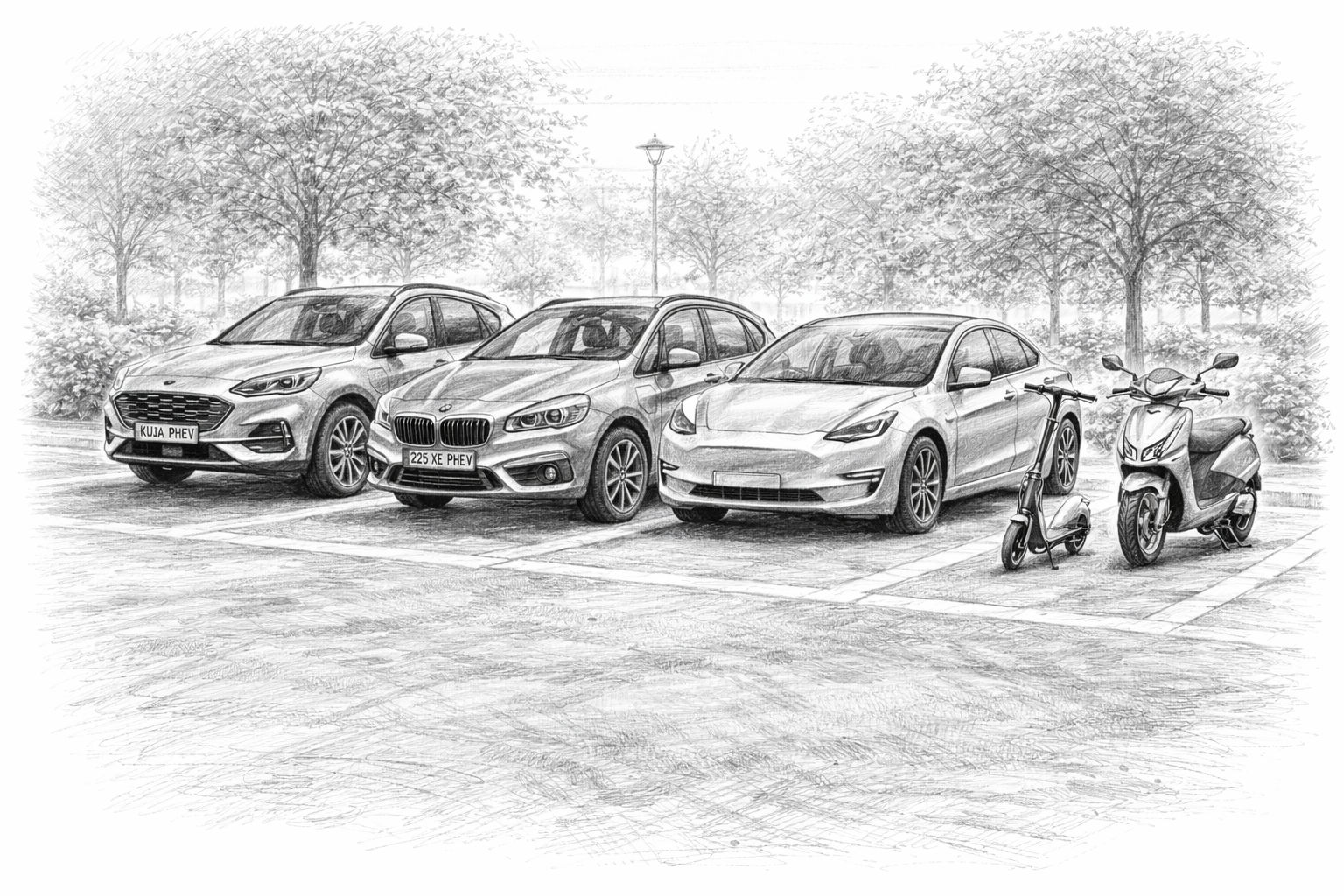
For many people, electromobility is an abstract topic, characterized by political debates, subsidy programs and marketing promises. In practice, however, a completely different picture emerges as soon as you drive an electric vehicle yourself. Today, personal experience often goes further than any theoretical discussion - from e-scooters and electric scooters to hybrid vehicles.

This perspective is important because electromobility rarely starts where it is publicly discussed. It doesn't start with the electric car, but much earlier - with small, lightweight vehicles, short distances and very pragmatic everyday issues.

Read more

AI for beginners: How to get started with artificial intelligence without prior knowledge

AI for beginners

Artificial intelligence seems like a sudden phenomenon to many people. Just a few years ago, it hardly played a role in everyday life, but today it is constantly present - in the news, in discussions, in conversations at work. However, this impression is deceptive. AI did not emerge overnight. It has been researched, developed and used in specialist areas for decades. What is new is not the idea, but the approach.

Artificial intelligence has been around as a research idea for decades. For a long time, it was a topic for universities, large corporations and special applications. The big difference today is that many AI systems have matured to the point where they can be used by normal people in everyday life - via a simple input window, on a computer or smartphone.

Read more

Understanding high energy prices in Germany: Gas, electricity and gasoline explained simply

Energy prices in Germany

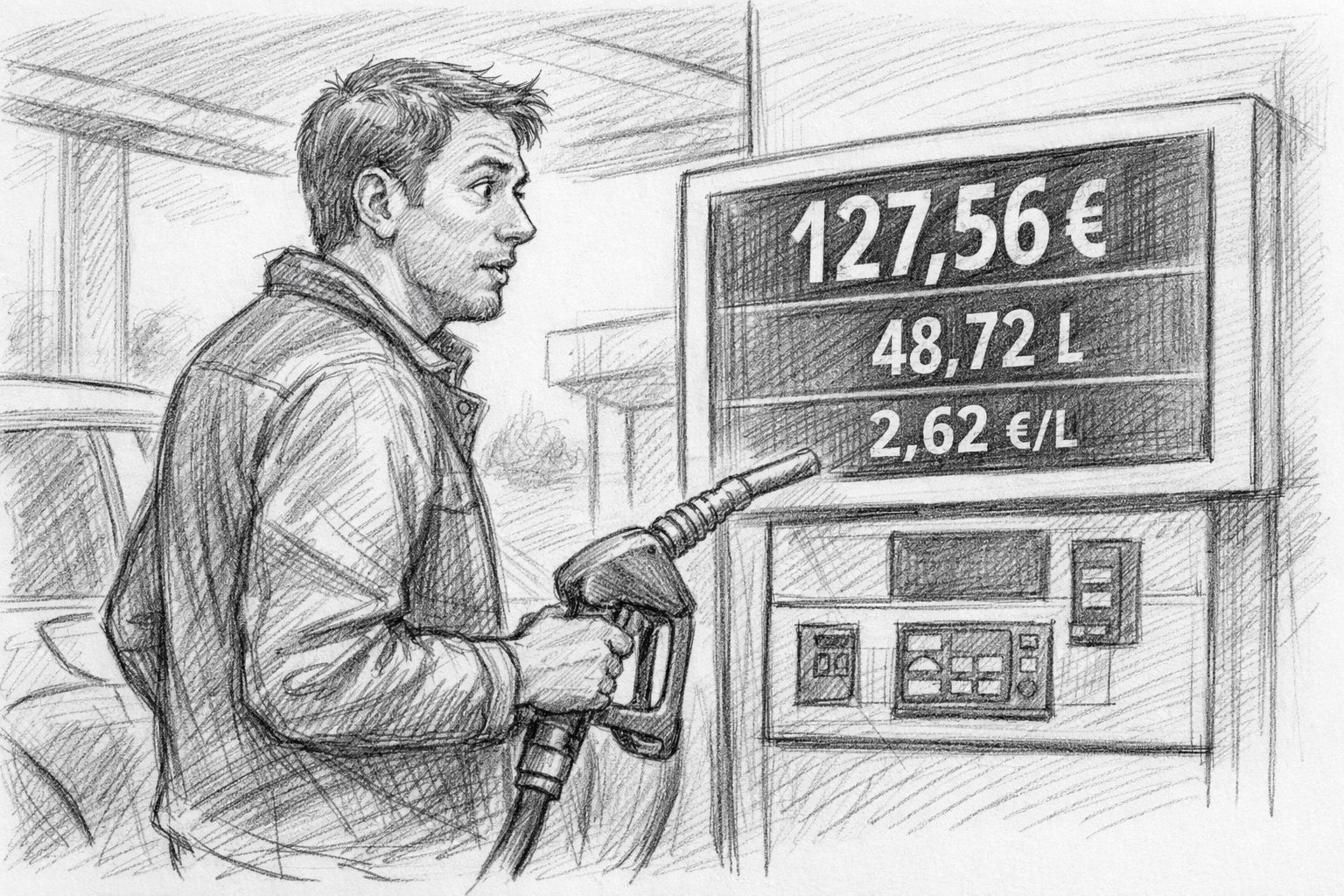
I am comparatively unaffected by high energy prices in my everyday life. I mainly work with Apple computers that have been optimized for efficiency for years and move around the city almost exclusively electrically. Soberly speaking, that doesn't cost the earth. And yet I can't shake off one thought: all around us, companies are coming under pressure, production facilities are closing or relocating. The same phrase keeps cropping up in conversations, reports and side notes:

Energy prices are too high.

If you take a closer look, a strange contradiction emerges. For many private individuals, energy has become noticeably more expensive, but is still manageable. For companies, on the other hand, it seems to be increasingly threatening their existence. This inevitably raises the question: What is the actual reason for this? And why is it so difficult to get a clear, understandable answer?

Read more

Using AI as a sparring partner: How thinking in dialog becomes more productive

AI as a savings partner

I've been using artificial intelligence for almost exactly two years now. In the beginning, it was sober and technical: entering text, typing prompts, reading answers, correcting, retyping. The way many people did it - carefully, in a controlled manner, with a certain distance. It worked, no question. But there was still something mechanical about it. You asked questions, got answers, ticked them off.

I realized relatively early on that I was missing something: flow. Thinking is not a form. Good thoughts don't come from a corset of neatly formulated input, but from talking, trying things out, thinking aloud. So I started to use the AI app on my cell phone more often - and at some point I simply started speaking instead of typing. That was the real turning point.

Read more

TMD and occlusal splints: A personal experience report with a clear overview

CMD occlusal splints

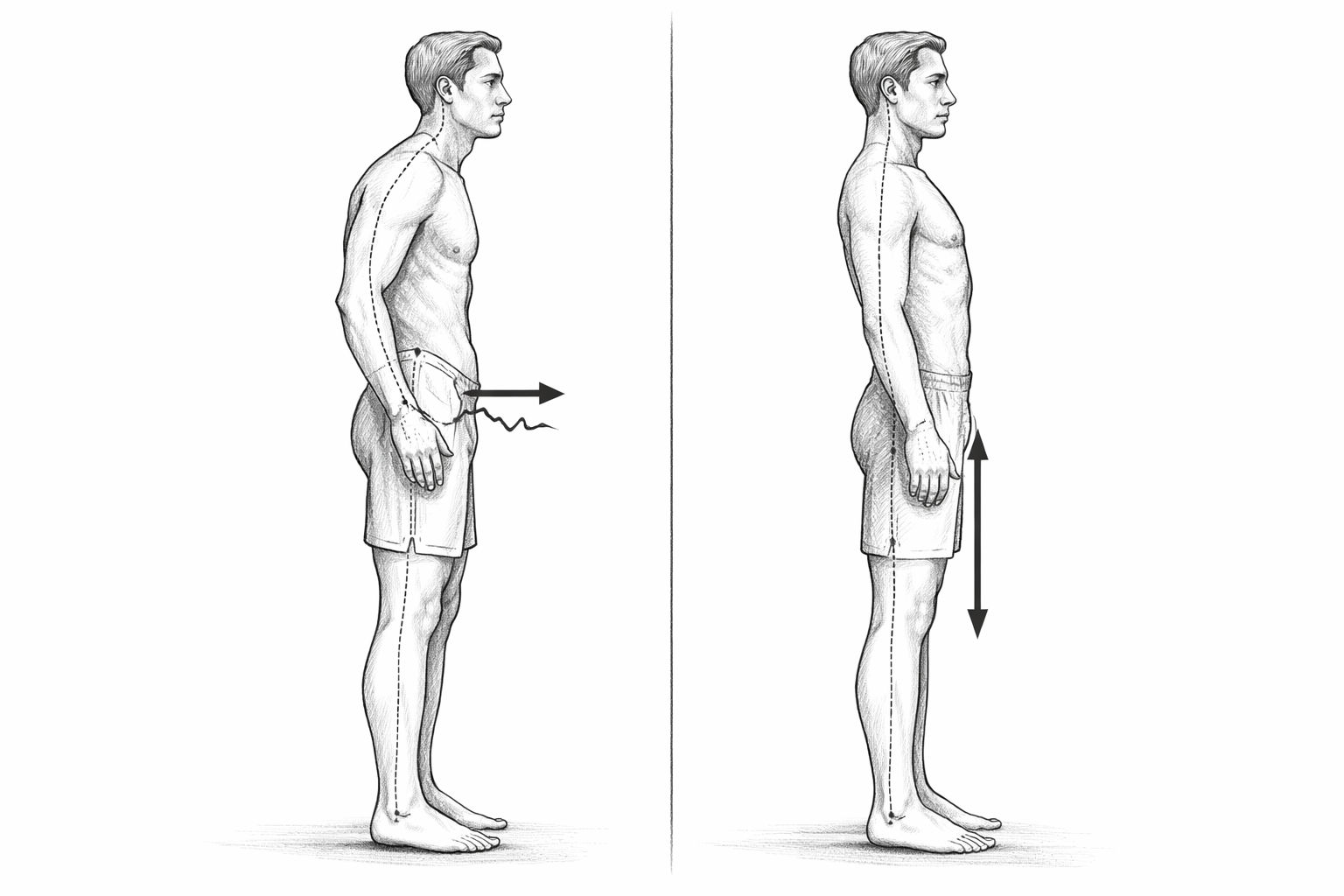
I have been wearing a Schöttl splint myself for three and a half years - a fixed bite splint in the lower jaw that is regularly reground and is deliberately designed to not only relieve the jaw, but also influence the spine. And that's exactly what it does for me. This splint has helped me to calm my static, relieve tension and develop a completely new body awareness.

During this time, I've realized how little clarity there is out there about the different types of splints. Especially in the online groups, I keep seeing how confusingly this term is used - as if every splint does the same thing. That's why I'd like to bring some order here and explain to you in an understandable way what types of splints there are and why the difference is so important.

Read more

The Affinity graphics suite becomes free: What professional users need to know now

Affinity graphics suite free of charge

If, like me, you have been working with layout and typesetting programs for decades, you usually notice such changes more clearly than those who have only recently entered this world. I have seen many things come and go over the years: In the early nineties, I worked on the Atari ST with Calamus SL and later, under Windows, with CorelDraw! Later came QuarkXPress, then iCalamus, Adobe InDesign - and finally, a few years ago, Affinity Publisher. Since then, the Affinity suite has accompanied me through almost all my book projects. Over the years, it has been a reliable tool, pleasantly straightforward, clearly structured and free of the ballast that many large software houses have added to themselves over the years.

Read more

The EU's digital ID: linking, control and risks in everyday life

Digital ID of the EU

When you hear about „digital ID“, „European identity wallet“ or „EUDI wallet“, it sounds abstract at first - almost like another complicated IT project from Brussels. Many people have never consciously heard of „eIDAS 2.0“, the underlying EU regulations. And yet this project will affect almost every citizen of the European Union in the long term.

In essence, it is about something that we have been carrying around with us on paper or as a plastic card in our everyday lives for decades: official proof of our identity. Until now, we have had various documents - ID card, driver's license, health insurance card, tax ID, account login, insurance number. Each system works separately, each with its own processes, often confusing and sometimes annoying.

The EU is now pursuing the goal of merging these scattered areas of identity into a standardized digital solution.

Read more

A fact check on the electronic patient file (EPR): risks, rights and objections

All the facts about electronic patient records

The electronic patient file, or ePA for short, is one of the most ambitious digitization projects in the German healthcare system. It is intended to bundle medical information centrally - from findings and laboratory values to medication plans, vaccinations and hospital reports. The aim is to better connect doctors, therapists, pharmacies and patients, avoid duplicate examinations and improve the quality of treatment.

What sounds modern and efficient on paper raises numerous questions in practice: Who has access? How secure is the data? And above all: do I even want all my health information to be stored and accessible centrally - even if I haven't asked for it?

Read more