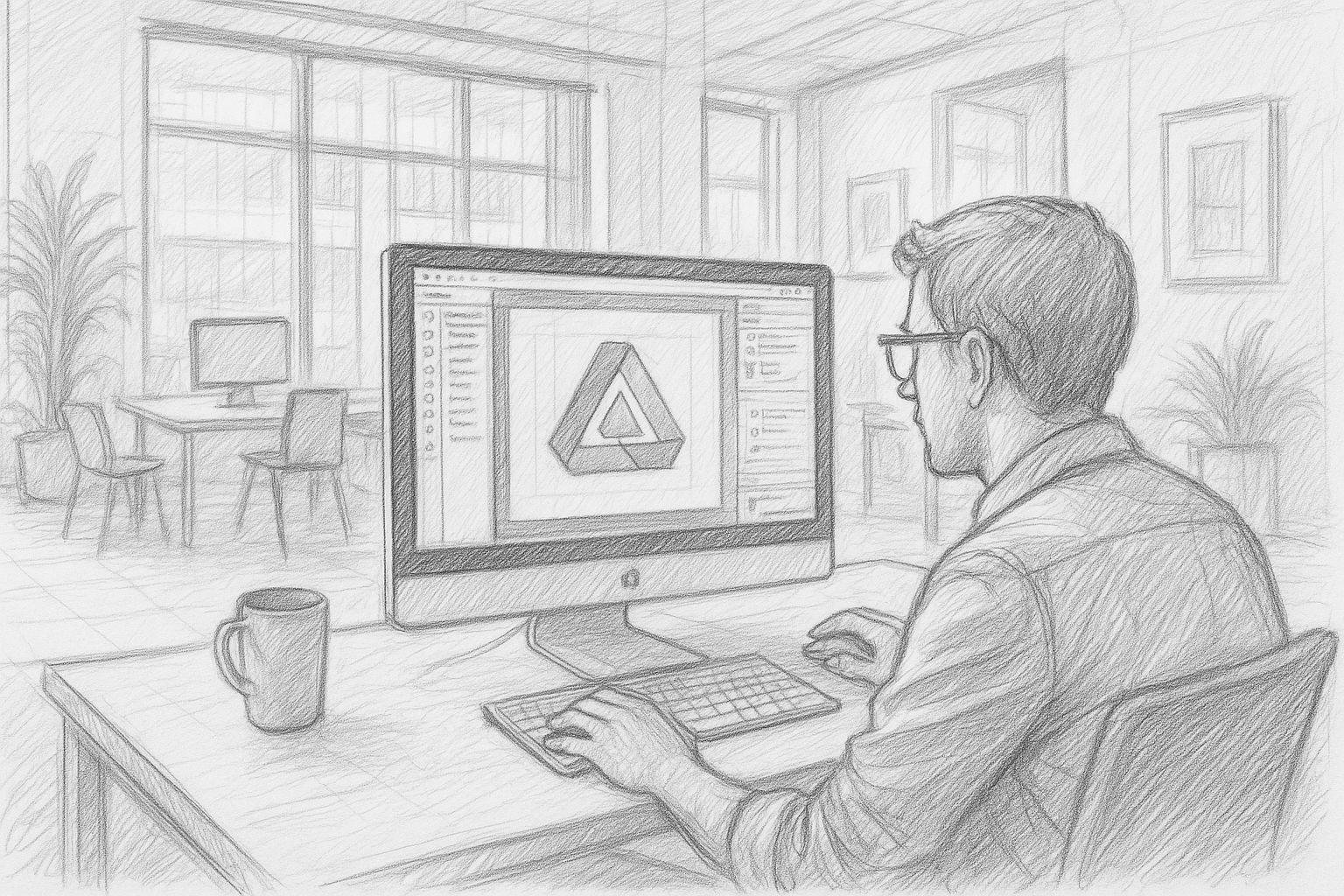
If, like me, you have been working with layout and typesetting programs for decades, you usually notice such changes more clearly than those who have only recently entered this world. I have seen many things come and go over the years: In the early nineties, I worked on the Atari ST with Calamus SL and later, under Windows, with CorelDraw! Later came QuarkXPress, then iCalamus, Adobe InDesign - and finally, a few years ago, Affinity Publisher. Since then, the Affinity suite has accompanied me through almost all my book projects. Over the years, it has been a reliable tool, pleasantly straightforward, clearly structured and free of the ballast that many large software houses have added to themselves over the years.
Tips & instructions
In this category you will find Practical tips, step-by-step instructions and practical guides on various topics from technology, business and everyday life. The articles show in an understandable and comprehensible way how to solve typical problems, use software efficiently or try out new ways of working. Whether it's about Apple devices, FileMaker, ERP software, Health topics or other practical issues - the focus here is on concrete benefits. The instructions are structured in such a way that they can be implemented directly and help quickly in everyday life or in the company.
The EU's digital ID: linking, control and risks in everyday life
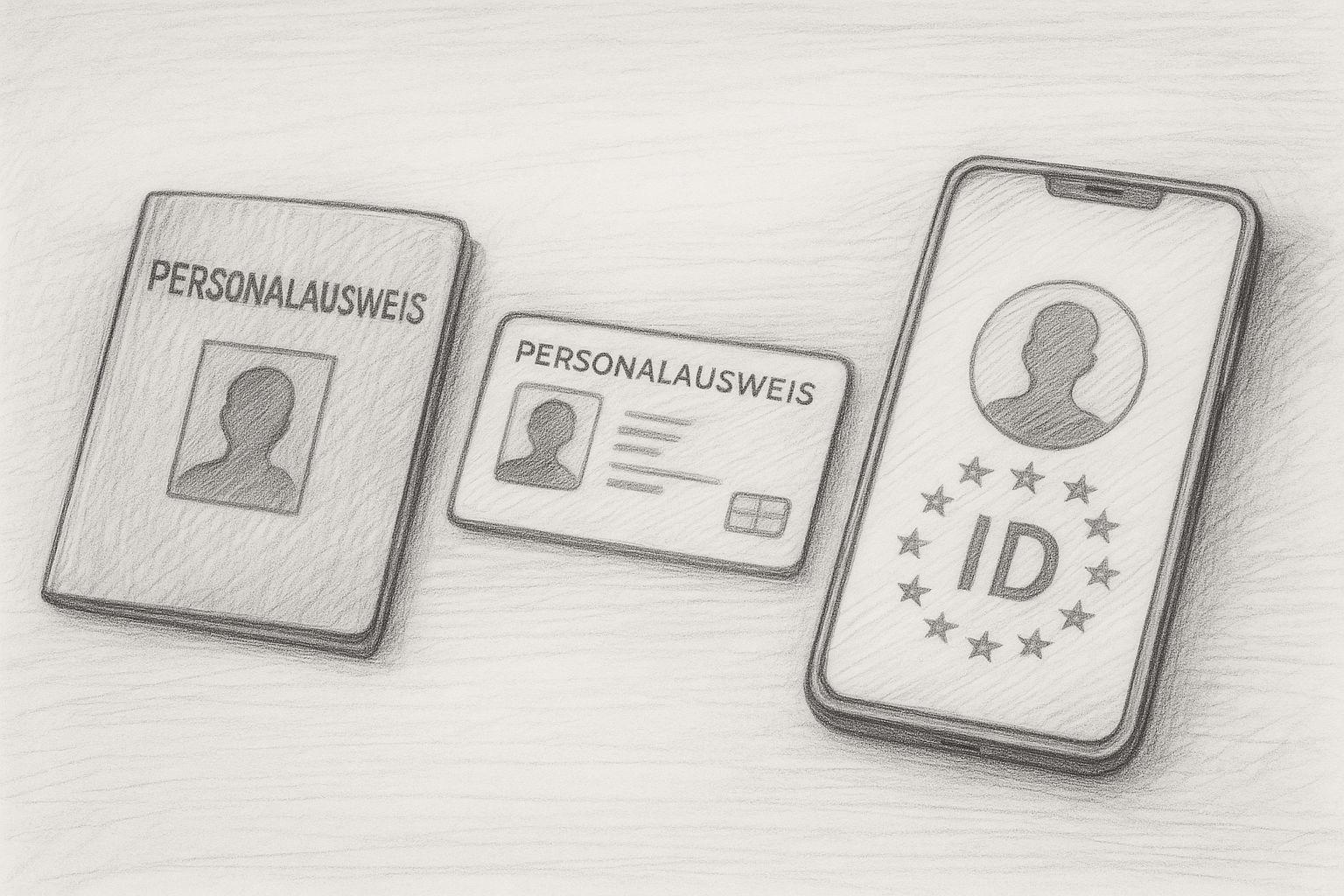
When you hear about „digital ID“, „European identity wallet“ or „EUDI wallet“, it sounds abstract at first - almost like another complicated IT project from Brussels. Many people have never consciously heard of „eIDAS 2.0“, the underlying EU regulations. And yet this project will affect almost every citizen of the European Union in the long term.
In essence, it is about something that we have been carrying around with us on paper or as a plastic card in our everyday lives for decades: official proof of our identity. Until now, we have had various documents - ID card, driver's license, health insurance card, tax ID, account login, insurance number. Each system works separately, each with its own processes, often confusing and sometimes annoying.
The EU is now pursuing the goal of merging these scattered areas of identity into a standardized digital solution.
A fact check on the electronic patient file (EPR): risks, rights and objections

The electronic patient file, or ePA for short, is one of the most ambitious digitization projects in the German healthcare system. It is intended to bundle medical information centrally - from findings and laboratory values to medication plans, vaccinations and hospital reports. The aim is to better connect doctors, therapists, pharmacies and patients, avoid duplicate examinations and improve the quality of treatment.
What sounds modern and efficient on paper raises numerous questions in practice: Who has access? How secure is the data? And above all: do I even want all my health information to be stored and accessible centrally - even if I haven't asked for it?
Career, world view, future: Decisions in the shadow of upheaval

This is not a guide in the traditional sense. You won't find any career recommendations, tables of future industries or tips on the perfect job application here. Instead, it's about something deeper: attitude, orientation and the ability to see clearly - at a time when many things no longer work.
There are times in life when you feel inside that things can't stay the way they were. Not because you are suddenly dissatisfied. But because you can see that the world around you is changing - and not for the better. Many people today feel this quiet pain. A tugging in the background that won't go away. The feeling that what has been sold to us for decades as „security“ has less and less to do with reality.
Stress is not a force of nature - How to reclaim your freedom, step by step

"You have too much stress."
That's what my dentist said to me when I was being treated for my CMD problems. And my spontaneous answer was one that many people would probably give:
„Yes, what am I supposed to do - I have the stress.“
But his next sentence stuck in my head. He just said calmly:
How AI specialists can be trained today - opportunities for companies and trainees

Just a few years ago, artificial intelligence was a topic for research institutes and large corporations. People talked about neural networks, deep learning and speech recognition - but it hardly played a role in everyday life. Today, AI is no longer a topic for the future, but a reality: it writes texts, creates images, analyzes data and controls production processes. Whether in administration, trade or industry - it can now be found everywhere.
Detox without side effects? My experience report with humic acids

There are remedies that you only find out about much later than would actually have been good. That was the case for me with humic acids. In the early 2000s, I still had some amalgam fillings, which I had replaced with more modern fillings. Back in the 1980s, this was quite normal - you went to the dentist, got a silver seal and that was that. Nobody talked about heavy metals, mercury or detoxification. At least not in the dentist's surgery.
What does the tension in Germany mean - and what would the specific consequences be?
In times of increasing international tensions, a term keeps cropping up in political debates that many citizens hardly know how to categorize: the "State of tension". But what does it mean in concrete terms when this case is established in Germany? And how does the case of tension differ from the better-known case of defense, which is usually associated with an actual war? In order to be able to correctly assess the possible consequences, it is worth taking a sober look at the constitutional situation.