TMD and occlusal splints: A personal experience report with a clear overview

CMD occlusal splints

I have been wearing a Schöttl splint myself for three and a half years - a fixed bite splint in the lower jaw that is regularly reground and is deliberately designed to not only relieve the jaw, but also influence the spine. And that's exactly what it does for me. This splint has helped me to calm my static, relieve tension and develop a completely new body awareness.

During this time, I've realized how little clarity there is out there about the different types of splints. Especially in the online groups, I keep seeing how confusingly this term is used - as if every splint does the same thing. That's why I'd like to bring some order here and explain to you in an understandable way what types of splints there are and why the difference is so important.

Read more

Understanding hemorrhoids: Why posture and statics are often the real causes

Hemorrhoids and poor posture

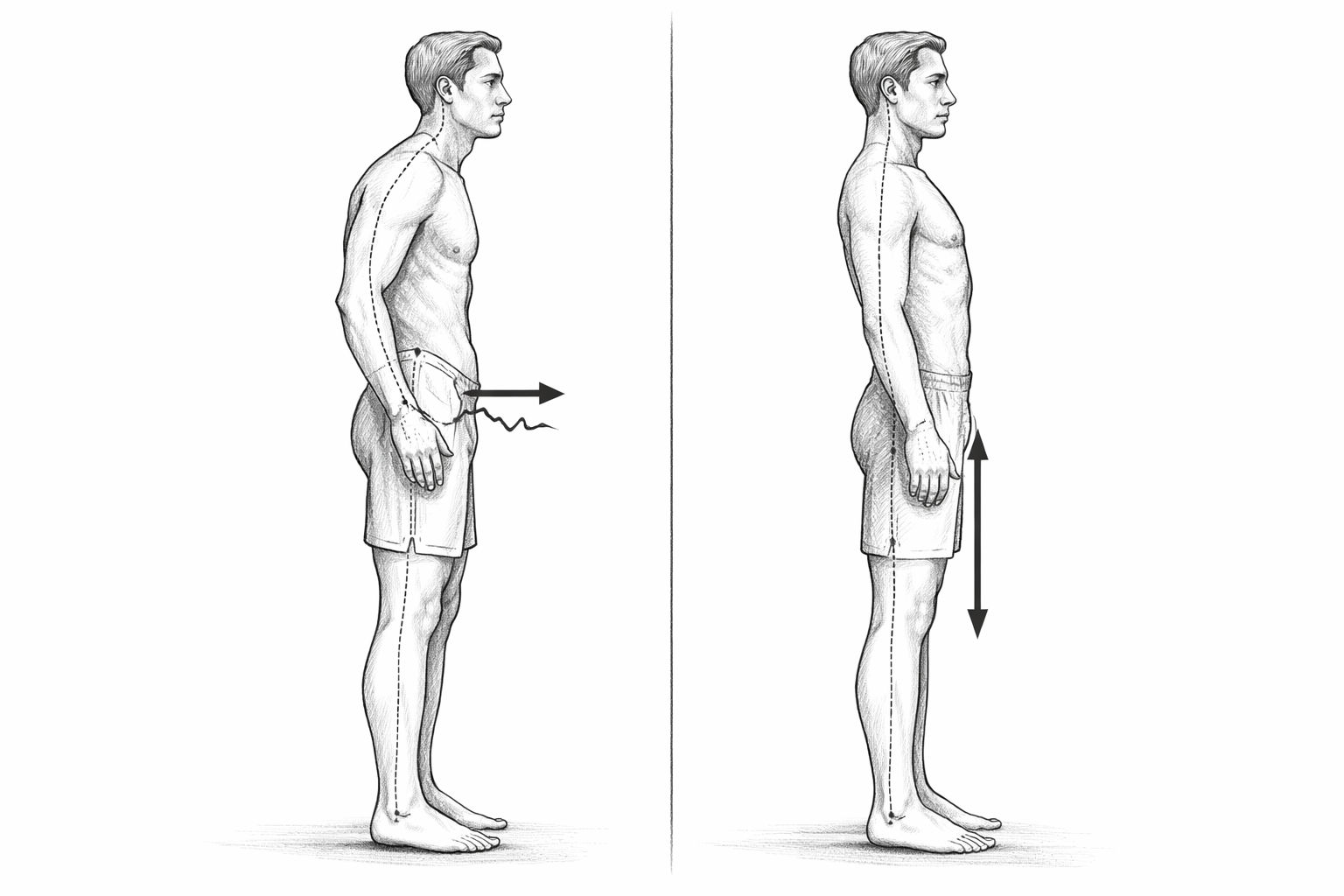
Haemorrhoids are one of the most common physical complaints of all - and yet you almost always get the same explanations for them in doctors' surgeries. Fiber, more exercise, drink enough: the standard tips seem like a firmly programmed pattern that has been passed on unchanged for decades. And sure, these tips are not wrong. But they fall short because they only scratch the surface.

This article shows why it is worth looking at hemorrhoids from a different perspective - beyond the usual advice. It aims to make people aware that the real causes are often not located where the symptoms occur, but in the interaction of the entire body statics. Anyone who understands how posture, breathing and muscular tension interact quickly realizes that the solution sometimes lies not in the next ointment prescription, but in the foundation of the body itself.

Read more

The silent danger of wearables: when convenience becomes surveillance

Wearables, smartwatch, in-ear headphones

Wearables are now part of everyday life. Many people now wear a smartwatch as a matter of course, count their steps, monitor the quality of their sleep or set reminders to take breaks during the day. And I'm happy to admit it: I also have a Apple Watch myself, and I find this technology absolutely fascinating in its own way. It can do things that would have been pure dreams of the future just a few years ago. Nevertheless, I rarely use my Apple Watch.

And just now, after the latest reports and statements from experts, I realize once again that this reticence is not so wrong. After all, many modern headphones and wearables now contain sensors that can measure far more than you might think at first glance. Not all headphones do - but the trend is clear: more and more technology is moving inconspicuously into small devices that we wear close to our bodies.

Read more

Where does SARS-CoV-2 come from? A factual overview of all corona theories

SARS-CoV-2 - Corona

When the first reports of an unusual lung disease emerged in Wuhan, most of us thought it was just a side note. A new pathogen, somewhere in China - you heard something like that from time to time. But within a few weeks, the situation changed dramatically. Borders closed, schools shut down, events were canceled. There was uncertainty, and suddenly this virus affected everyone - directly.

With a little distance, you can sense today that there is still a lot going on beneath the surface. Many people have the feeling that not everything was open, not everything was clear and not everything was fully communicated at the time. Anyone who tries to find objective information about the origin of the virus quickly encounters contradictions, gaps and conflicting accounts. For this very reason, it is worth sorting through the topic calmly and clearly - without haste, without polemics, without pigeonholing.

Read more

A fact check on the electronic patient file (EPR): risks, rights and objections

All the facts about electronic patient records

The electronic patient file, or ePA for short, is one of the most ambitious digitization projects in the German healthcare system. It is intended to bundle medical information centrally - from findings and laboratory values to medication plans, vaccinations and hospital reports. The aim is to better connect doctors, therapists, pharmacies and patients, avoid duplicate examinations and improve the quality of treatment.

What sounds modern and efficient on paper raises numerous questions in practice: Who has access? How secure is the data? And above all: do I even want all my health information to be stored and accessible centrally - even if I haven't asked for it?

Read more

Understanding TMD: Why knowledge is the first step to healing

Understanding CMD is the first step to healing

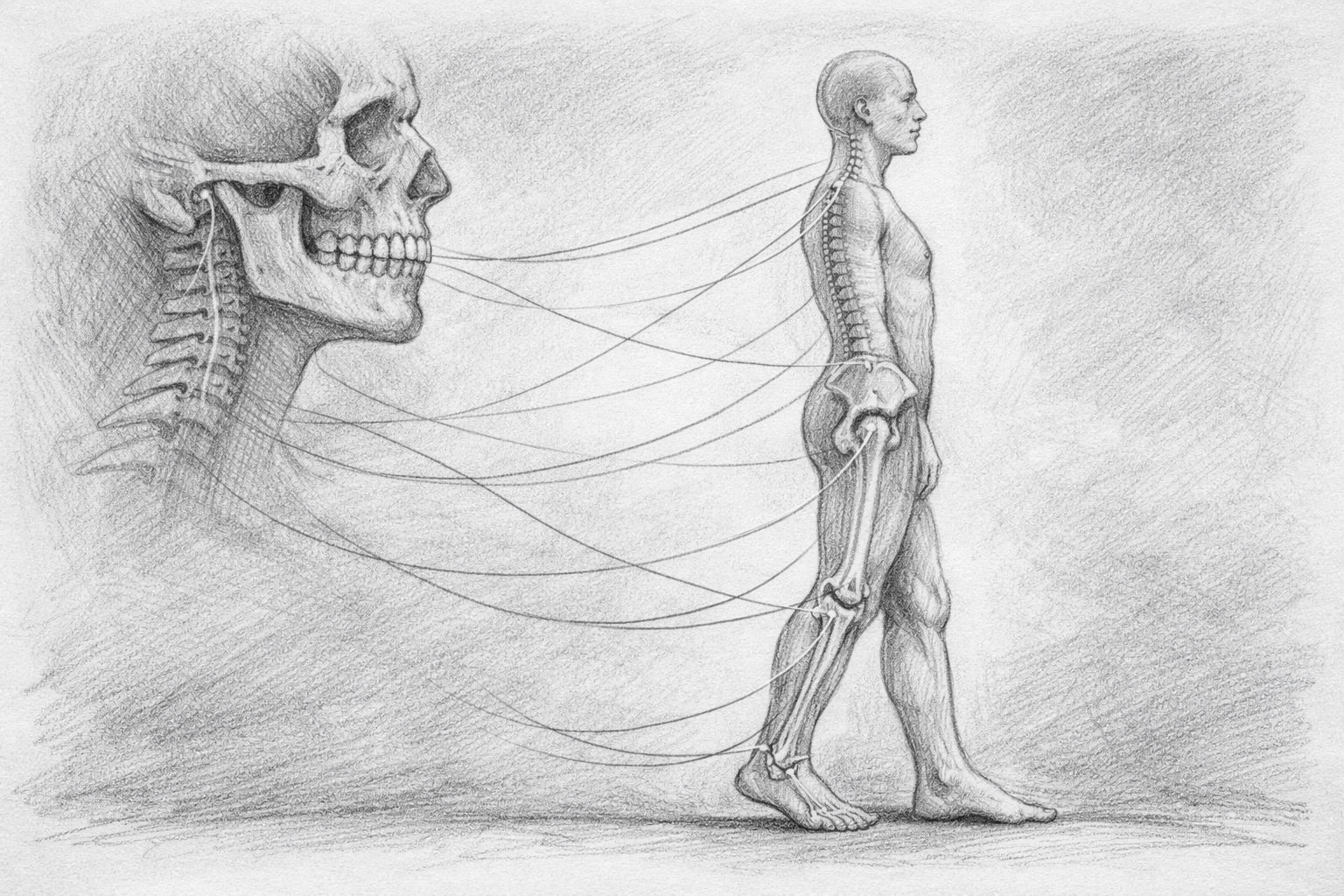
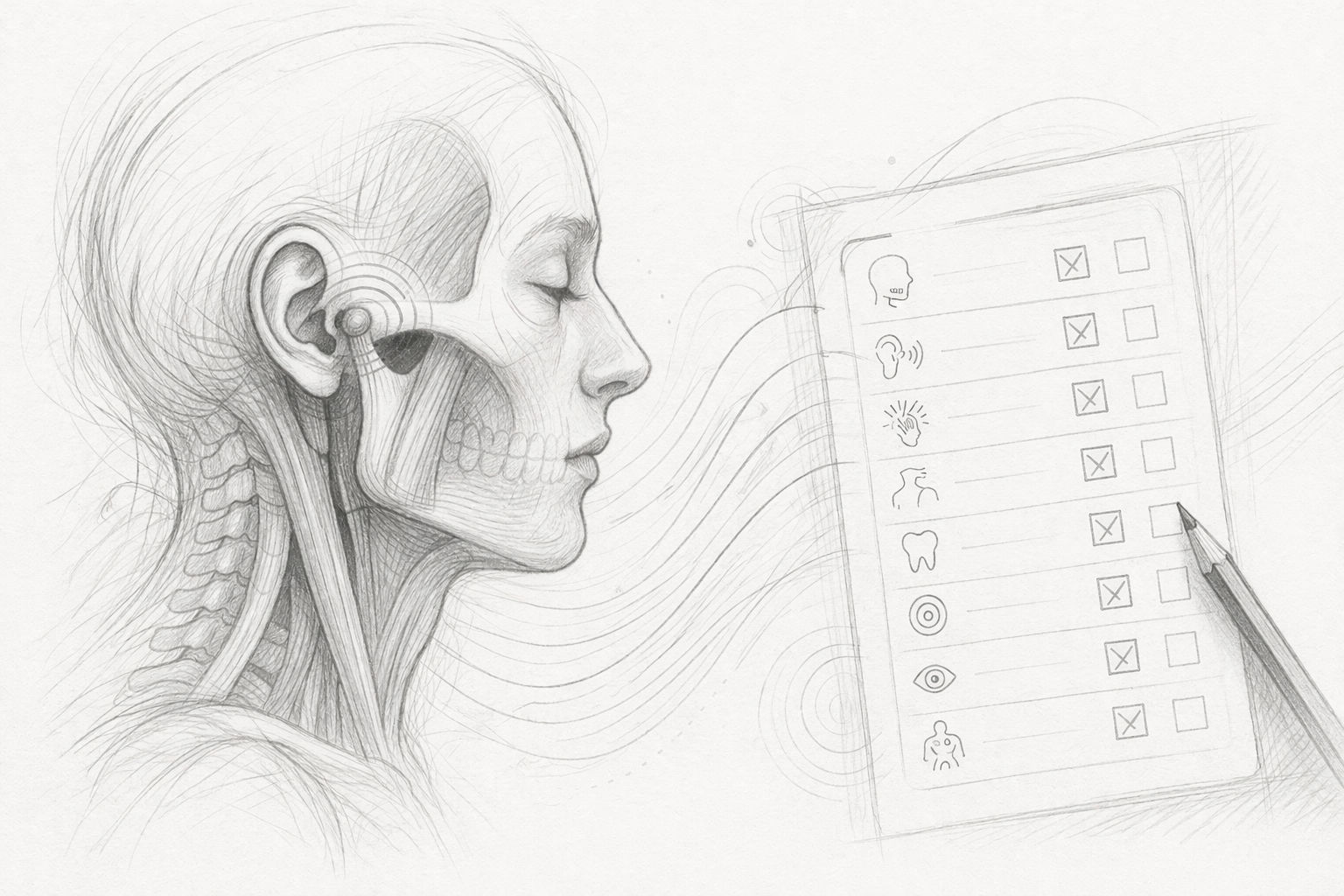
There are complaints that don't behave like normal symptoms. They appear, disappear, shift - and don't fit into any specialist category. This is exactly where the story behind TMD, craniomandibular dysfunction, begins: not an exotic disease, but a functional disorder in the interaction of the temporomandibular joint, chewing muscles, teeth, neck and throat. What sounds so technical acts like a silent director in the background in everyday life: it pulls here, presses there, makes you tired, makes you nervous - and rarely does the finger point directly at the jaw.

Read more

Stress is not a force of nature - How to reclaim your freedom, step by step

Stress is not a force of nature

"You have too much stress."

That's what my dentist said to me when I was being treated for my CMD problems. And my spontaneous answer was one that many people would probably give:

"Yes, what am I supposed to do - I have the stress."

But his next sentence stuck in my head. He just said calmly:

Read more

Detox without side effects? My experience report with humic acids

Humic acids for gentle detoxification

There are remedies that you only find out about much later than would actually have been good. That was the case for me with humic acids. In the early 2000s, I still had some amalgam fillings, which I had replaced with more modern fillings. Back in the 1980s, this was quite normal - you went to the dentist, got a silver seal and that was that. Nobody talked about heavy metals, mercury or detoxification. At least not in the dentist's surgery.

Read more