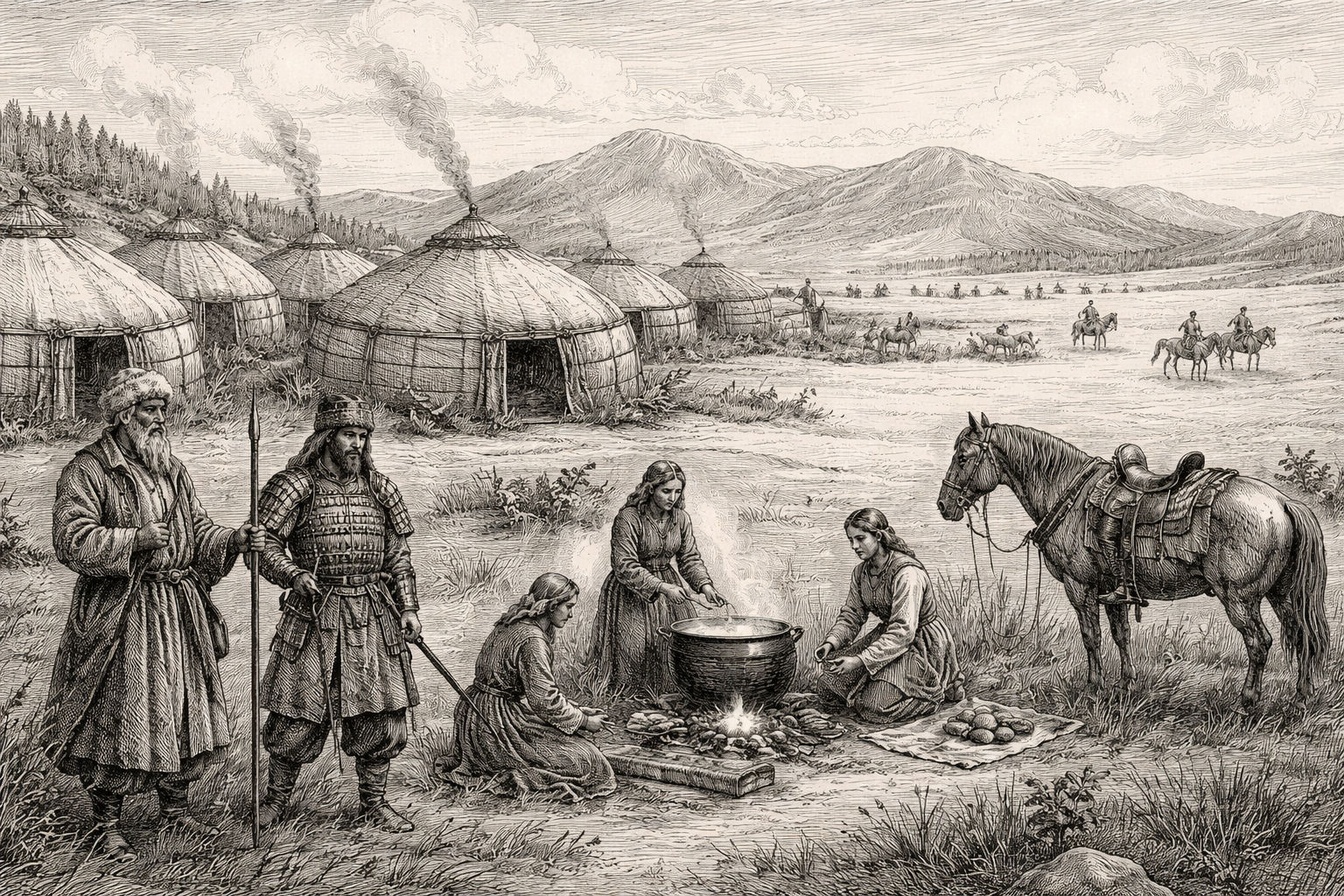
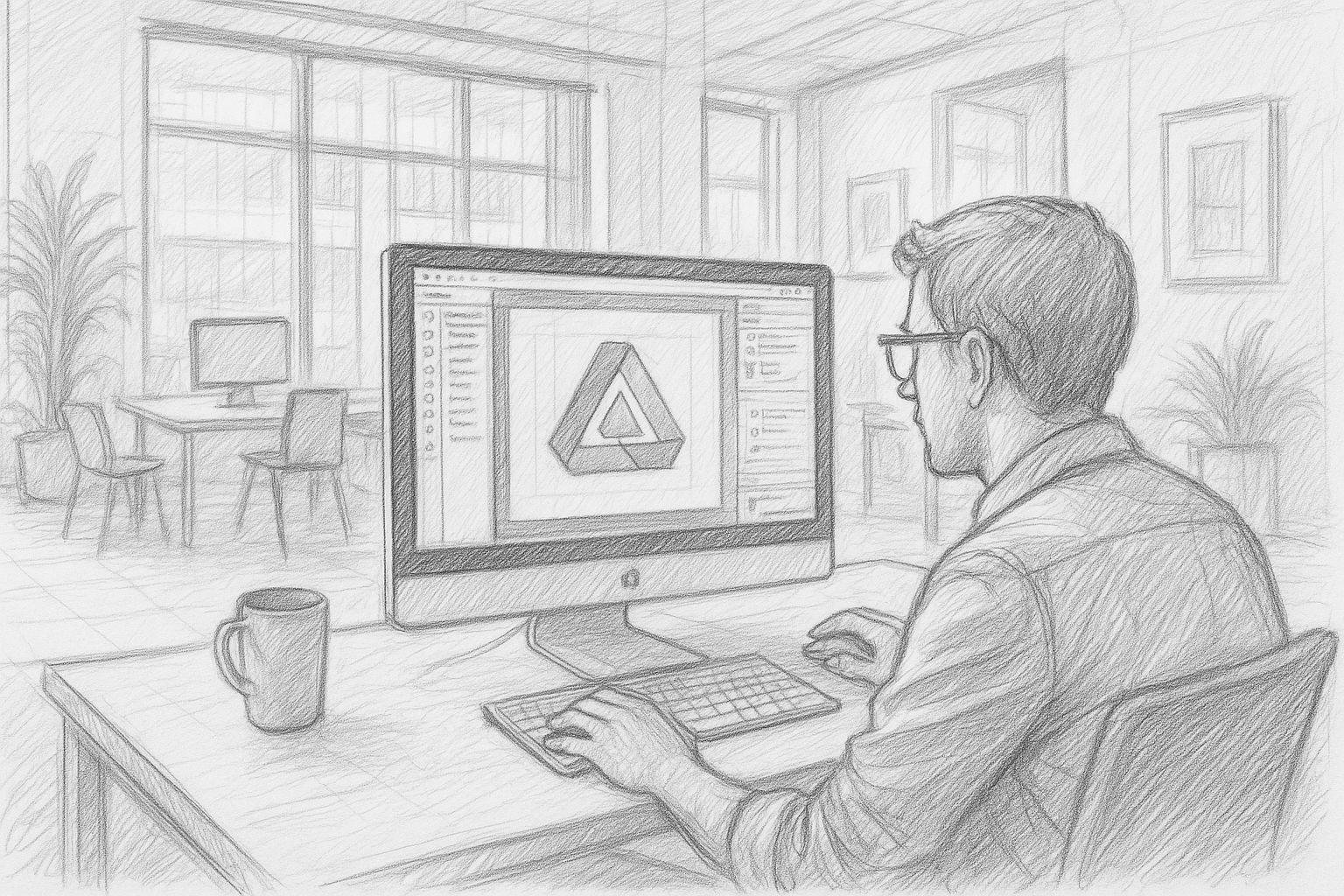
For centuries, property was something very tangible. You could touch it, walk on it or hold it in your hand. A house, a piece of land, a workshop, books on a shelf or tools in a drawer - these were all things that could be clearly assigned. They belonged to someone, were visibly present and generally remained so even when political, economic or social circumstances changed.
This article explains what digital property is, what forms it takes and how digital property can be created, especially in today's AI age.


The change from ownership to access
However, digitalization has gradually changed this understanding. Many values are no longer tangible today. They exist as files, data structures or digital platforms. This creates a new problem: while physical property is understood intuitively, digital property is difficult for many people to categorize. Something is often used, stored or published - without it being clear whether it is real property at all. This is precisely where the central question of this article begins:
What actually belongs to us in the digital space - and what do we only use temporarily?
From physical possession to digital use
In the analog world, ownership was closely linked to control. If you bought a book, you could read, lend or sell it at any time. If you owned a tool, you could use it independently. This form of ownership had one clear characteristic: it was permanent and largely independent of external structures.
Digitization has made many things easier and more convenient. Music no longer has to be collected on CDs, films are available at any time via streaming and documents can be saved or sent worldwide in seconds. However, this convenience has a crucial side effect: ownership has increasingly been replaced by access.
A movie on a streaming platform does not belong to the user. They are merely given the option to use it, which can be changed or terminated at any time. The same applies to a lot of digital content that is stored in cloud services or published on platforms. The data may seem personal and permanent, but in fact it is often subject to conditions that are beyond the user's control.
This development is taking place quietly and mostly unnoticed. Many people experience the convenience of digital services without thinking about whether they are building up long-term value or merely receiving temporary usage options.
The platform economy is changing the concept of ownership
A new economic model has emerged with the rise of large internet platforms. Platforms provide infrastructure, reach and technical possibilities. In return, they collect data, control access and define the rules under which content may be used.
This model initially seems attractive to users. Content is easy to publish, communities are created quickly and reach can grow within a short space of time. However, from an ownership perspective, this creates a new dependency. Content, contacts and data are often located on third-party systems that can change their conditions at any time.
A social media profile is a good example of this development. It can be built up over years, reach a large number of followers and be used commercially. Nevertheless, the profile remains technically and legally part of the platform. If access is blocked or algorithms change, a supposedly stable digital asset can suddenly lose much of its significance.
This shift from ownership to platform dependency is one of the most defining developments of the digital present.
Comfort for control - a silent exchange
Digitalization has created an unspoken trade-off: Users get convenience, speed and reach - but often give up control over their digital assets in return.
- Streaming replaces music archives
- Cloud services replace local data collections
- Social networks replace own communication structures
This swap initially seems harmless because it is associated with practical advantages. In the long term, however, the question arises as to whether stability is also lost as a result. Ownership traditionally means security and independence. Use, on the other hand, remains tied to external systems.
This difference is often underestimated, especially in the digital sector, because digital content appears to be available at all times. But availability is not the same as ownership. Data can be deleted, platforms can close and business models can change. Only when content can be stored, controlled and used independently does digital ownership actually arise.
Why digital ownership is becoming increasingly important
In a knowledge and information society, value is increasingly created from ideas, data and content. While machines and land used to be key assets, today digital works, data collections and knowledge archives are becoming increasingly important.
Digital content has a special characteristic: it can be reproduced, combined and further developed almost indefinitely. Once a text has been written, it can be translated into different languages, published as a book, used in seminars or integrated into new projects. This scalability makes digital property particularly valuable in the long term.
At the same time, the importance of control over digital structures is increasing. Those who can manage content, data or processes independently create a basis for long-term stability. Those who rely exclusively on external platforms, on the other hand, often build up values that only last under certain conditions.
The central question of this article
Digital property is not a purely technical or legal issue. It touches on fundamental questions of self-determination, economic stability and personal freedom in the digital age. This article therefore explores a simple but crucial question:
Which digital assets can people actually own - and which remain merely borrowed usage options?
To answer this question, we will first clarify what digital property actually means, what forms it takes and what role it could play in the future. This shows that digital property encompasses far more than individual content or files. It can include entire knowledge structures, data archives or digital work processes.
The transition from traditional ownership to digital access is already in full swing. Those who understand it can consciously decide which values they want to build up in the long term - and which should merely remain part of a short-term usage system.
How we secure income when AI takes over work
This video series by Dr. Pero Mićić deals with one of the key future questions of our time: How will people earn an income when artificial intelligence and intelligent robots take over a large part of today's work tasks? Mićić describes the imminent transformation of the world of work as historically unprecedented - fast, far-reaching and highly relevant to society. What is particularly critical is that politics and business have hardly addressed this issue seriously to date.

What do you do for a living when AI and robots do the work? | Dr. Pero Mićić
In this section, Mićić develops a master plan on how this transformation can be shaped in a people-friendly way, with the aim of significantly increasing quality of life, freedom and prosperity for broad sections of society.
What digital ownership really means
When you hear the term „digital property“, you probably first think of files, photos, texts or perhaps online accounts. But digital property is much more than the mere existence of digital content. In fact, the term is often misunderstood in everyday life because use and ownership are often confused in the digital space.
Just because you can save, view or publish something doesn't mean it really belongs to you. A lot of digital content only exists for as long as a platform, provider or service allows it. Digital ownership therefore only begins where you not only have access, but also control, rights and long-term usage options.
To really understand digital ownership, it is worth looking at three fundamental levels: legal disposal, technical control and economic usability. Only when these three elements come together does true digital ownership emerge.
Legal disposal - Who really owns your digital content?
The most important building block of digital property is the right to determine the content. When you write a text, create a photo or publish a book, a copyright is automatically created in many cases. This right protects your intellectual work and gives you the opportunity to decide who can and cannot use your content.
However, this right is often unknowingly restricted in everyday digital life. Many platforms demand usage rights to uploaded content. This does not mean that you lose your ownership completely, but you often give up some of your control. Platforms can distribute, change or, in certain cases, even remove content.
Genuine digital property therefore exists above all when you can manage and archive content yourself and use it independently of platforms. As soon as your works exist exclusively on third-party systems, control gradually shifts away from you.
Technical control - Can you back up your content independently?
In addition to the legal aspect, technical control plays a decisive role. Digital content can theoretically be copied and backed up indefinitely. In practice, however, its availability often depends on technical structures that do not belong to you.
If your data is stored exclusively in a cloud service, you have access to it - but not complete control. The provider determines which functions remain in place, which conditions apply and whether data remains available in the long term. Changes to terms and conditions or technical structures can suddenly restrict access to your content.
Technical control therefore primarily means that you can back up and manage your data yourself. This includes the ability to store content locally, transfer it to your own systems and archive it independently of individual platforms. Only this independence creates stability and makes digital content permanent property.
Economic viability - Can your property generate long-term value?
The main difference between digital property and simple files is its economic significance. Digital content can be valuable if it can be reused, further developed or monetized.
For example, a text cannot be published just once. It can later be expanded, integrated into books, translated or used for seminars. A video can become a course, a data set can be the basis for analyses, and a software module can be used or licensed several times.
This reusability makes digital property particularly interesting. While physical goods wear out or have limited availability, digital content can be used almost indefinitely. This creates a new form of wealth that depends less on material costs and more on knowledge, structure and creativity.
Use is not the same as ownership
Many digital offerings give the impression of ownership, although they only provide access. Streaming services are a typical example of this. You can play movies or music at any time, but you don't own them. If a provider removes content or discontinues its service, your access to it also disappears.
The situation is similar with social networks. A profile, followers or published posts often seem like personal property. However, they actually remain part of the platform on which they were created. Changes to algorithms, terms of use or access restrictions can change these values at any time.
Digital ownership therefore only arises when content can exist independently of such structures. The decisive factor is not where content is visible, but where it is controlled and secured.
Reach is not ownership - Why visibility alone is not enough
 Many digital projects initially focus on reach, click figures or followers. These key figures seem impressive, but can be deceptive. Reach is often generated on platforms whose rules can change at any time. The article „Reach is not ownership“ shows in detail why visibility is important, but does not form a stable basis for long-term digital value. He explains why true independence usually only arises when content, data and communication structures are under one's own control - and how reach can be meaningfully transferred into sustainable ownership structures.
Hosting does not automatically mean control
Another common mistake is to equate hosting with ownership. When you store content on a website, a cloud service or an online editor, this initially only means that your data is stored there. You only have control if you can create complete copies, transfer content and archive it independently at any time.
Digital ownership structures are therefore often created by having their own infrastructure. Own domains, own archive systems or self-managed databases increase stability and reduce dependencies. The more you organize and store your content yourself, the stronger your digital ownership becomes.
Why this distinction is crucial in the long term
Digital property often appears invisible. Unlike a house or a plot of land, it cannot be entered or touched. Nevertheless, it can develop enormous value in the long term. Knowledge, data and creative content increasingly form the basis of modern economic systems.
Those who only use digital content remain dependent on external structures. Those who own and control digital content, on the other hand, build up values that can endure in the long term. This distinction will become increasingly important in the future as more and more economic and social activities shift to digital spaces.
Digital ownership is therefore not just a technical or legal issue. It is a strategic decision about which assets you want to build up permanently - and which you only want to use temporarily.
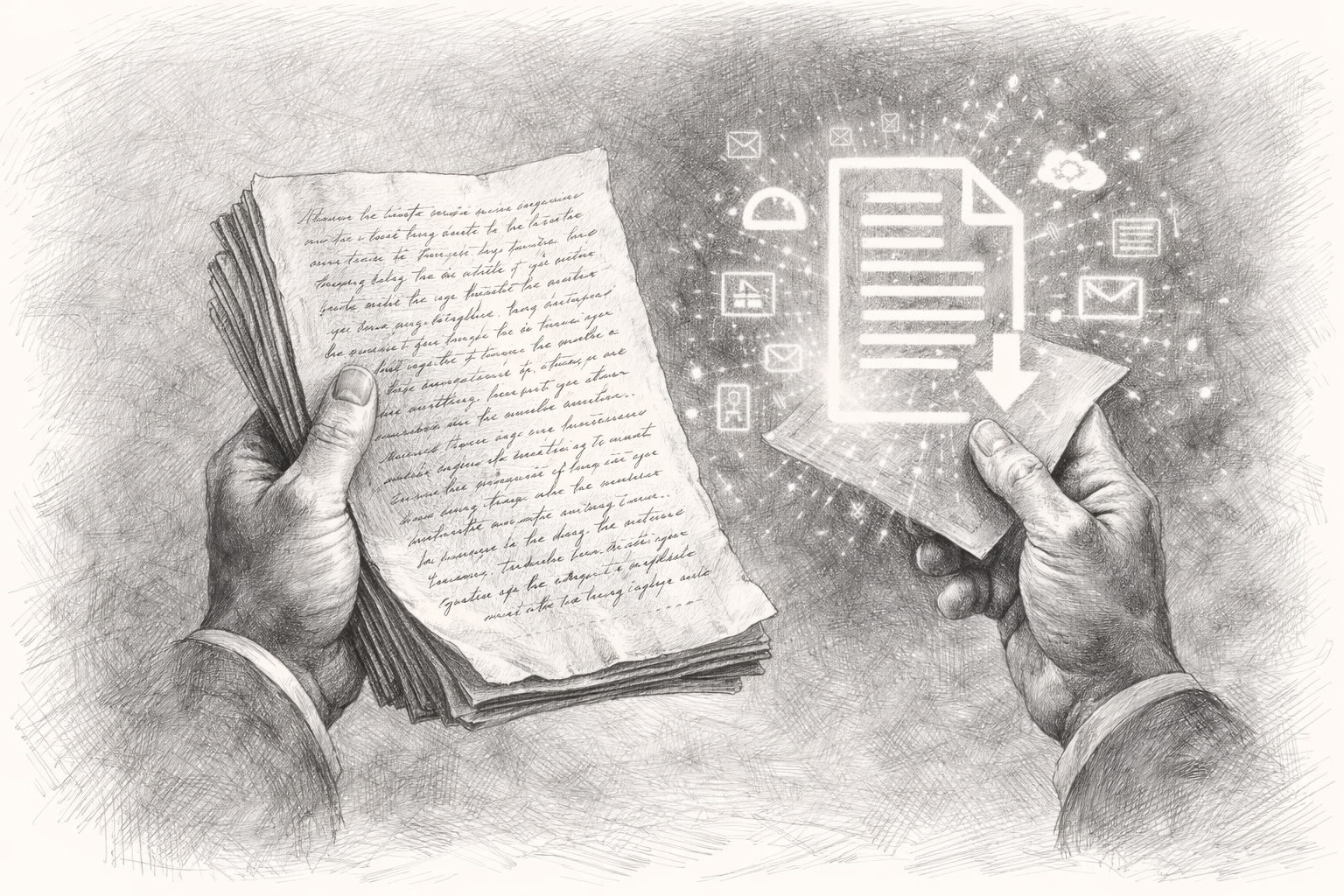
The different types of digital property
When you think of digital property, texts, photos or videos probably come to mind first. These are indeed among the best-known forms of digital assets. But the digital space encompasses far more than individual content. In many cases, sustainable value is not created by individual files, but by structures, systems or data that can be used in the long term.
To really understand digital property, it is therefore worth looking at the different categories. They show that digital assets can consist of several levels - from creative works to technical infrastructures or data collections.
Intellectual property - the basis of digital value creation
The oldest and most important form of digital property is intellectual property. Whenever you create knowledge, ideas or creative content, a value is created that can exist independently of material goods.
These include above all Texts in all forms. Books, articles, guidelines or studies can be used in the long term, expanded or republished. Once written, content can appear in different media, be translated or integrated into other projects. Especially in the digital field, texts are extremely scalable because they can be reproduced without any loss of quality.
Also audiovisual content belong to this category. Videos, podcasts or tutorials can be used for years to come. They can be archived, integrated into course programs or used for new publications. Their value is often only realized through long-term use or combination with other content.
In addition, the visual works intellectual property. Illustrations, photographs, infographics or layout systems not only shape content, but often also brand identities. Particularly recognizable visual styles can become independent assets in the long term because they create trust and recognition.
Intellectual property thus forms the foundation of many digital business models and knowledge structures.
Software and digital structures - The architecture of modern knowledge systems
In addition to creative content, technical works are playing an increasingly important role. Software is one of the most productive forms of digital property because it can automate processes and structure content.
Apps, web tools or plug-ins can take over tasks that would otherwise have to be done manually. This not only creates a functional benefit, but often also economic added value. Software can be used, sold or licensed multiple times and often remains relevant over long periods of time.
Database structures are also particularly valuable. While individual contents can be interchangeable, structured data models often form the backbone of complex systems. ERP solutions, Knowledge databases or archive systems not only store information, but also make it accessible, analyzable and combinable.
Structures have a special characteristic: they enable growth. The more content or data is integrated into a functioning system, the greater its value becomes. This creates digital property that can reinforce itself over time.
Infrastructure and digital properties - The space in which property is created
Digital content needs a place where it can be stored, organized and published. These places can be compared to plots of land on which digital projects are built.
Domains are among the most important elements of this infrastructure. They enable a unique identity on the Internet and create independence from platforms. Having your own domain allows you to publish and develop content under your own control in the long term.
Also Websites, newsletter systems or self-managed servers are digital infrastructure assets. They form the technical basis for communication, archiving and publication. The more this infrastructure is under its own control, the more stable the digital property becomes.
Infrastructure often appears invisible, but is crucial for long-term stability. Without its own technical basis, content often remains tied to third-party platforms and thus loses part of its ownership character.
Data as property - the raw material of the information society
Data collections are a particularly dynamic form of digital property. While individual content conveys knowledge, data often enables deeper analyses and long-term observations.
In-house usage statistics, market analyses or archived data records can become considerably more valuable over time. Data makes it possible to identify developments, analyze trends or make more informed decisions. Long-term data collections in particular can hardly be copied or replaced in the short term because their value arises from the duration of their collection.
In the digital age, data is increasingly becoming a resource in its own right. Companies, research projects and knowledge platforms often base their strategies on extensive data sets. Those who collect their own data and store it in a structured way create a basis for independent analyses and long-term knowledge development.
A dedicated magazine as the foundation of digital property
 A dedicated online magazine can be one of the most stable forms of digital property. It combines content, structure, archiving and branding in a centralized system. The article on the topic „Why having your own magazine is more important than advertising today“ shows how such platforms can be set up and why they are far more than just a website in the long term. A magazine can bundle knowledge, build communities, reuse content and enable new projects. This creates a digital infrastructure that grows continuously and keeps content visible and usable in the long term.
AI assets - a new generation of digital property
With the development of artificial intelligence, another category of digital assets is emerging. AI systems require training data, models and structured work processes in order to be used effectively. These elements can themselves become assets in their own right.
Training databases, specialized data sets or prompt libraries contain knowledge about how AI systems can be used effectively. In addition, finely tuned models or automated workflows can be used and further developed in the long term.
AI assets have a special characteristic: they combine knowledge with automation. As a result, they can not only generate content, but also accelerate or scale processes. In many areas, such systems are already becoming central components of digital production structures.
Why the combination of different forms of ownership is crucial
The individual categories of digital property rarely work in isolation. Their actual value is often only created through their combination. Content can be integrated into software, data can enable new content, and infrastructure connects different projects with each other.
For example, an article can become part of a knowledge archive, which in turn forms the basis for books, courses or software solutions. A database can structure content that is then published automatically. Such connections create digital systems whose value goes far beyond individual files.
Digital property therefore often develops gradually. It starts with individual content, grows through structures and stabilizes through infrastructure and data. Those who consciously combine these levels not only create content, but also long-term digital value.
Forms of digital property at a glance
| Form of digital property | Description | Typical examples | Long-term benefits |
|---|---|---|---|
| Intellectual property | Creative or knowledge-based content that is created through your own efforts. | Books, articles, videos, podcasts, studies | Multiple utilization, knowledge building, branding |
| Software & structures | Technical systems that process content or automate processes. | Apps, databases, plug-ins, automation workflows | Scalability, automation, long-term usability |
| Digital infrastructure | Technical basics for storing, publishing and managing digital content. | Domains, websites, servers, newsletter systems | Independence from platforms, long-term control |
| Data & Archives | Structured data collections or long-term knowledge repositories. | Usage statistics, research data, knowledge archives | Ability to analyze, knowledge building, increasing value over time |
| AI assets | Digital resources for the use of artificial intelligence. | Training data, models, prompt libraries, agent workflows | Automation, increased efficiency, new business models |
Productive digital ownership - assets instead of content
Countless pieces of content are created in the digital space every day. Texts are published, videos uploaded, images created and posts shared. However, only a small proportion of this content develops long-term value. A lot of content is visible in the short term, but quickly disappears again in the stream of information.
The decisive difference lies in whether digital content merely exists - or whether it can be used productively. Productive digital property describes precisely this second category. It includes digital assets that not only exist, but can actively contribute to value creation.
If you want to build digital assets in the long term, it is not enough to produce content. The decisive factor is whether this content is reusable, combinable and scalable. Only then does content become a sustainable asset.
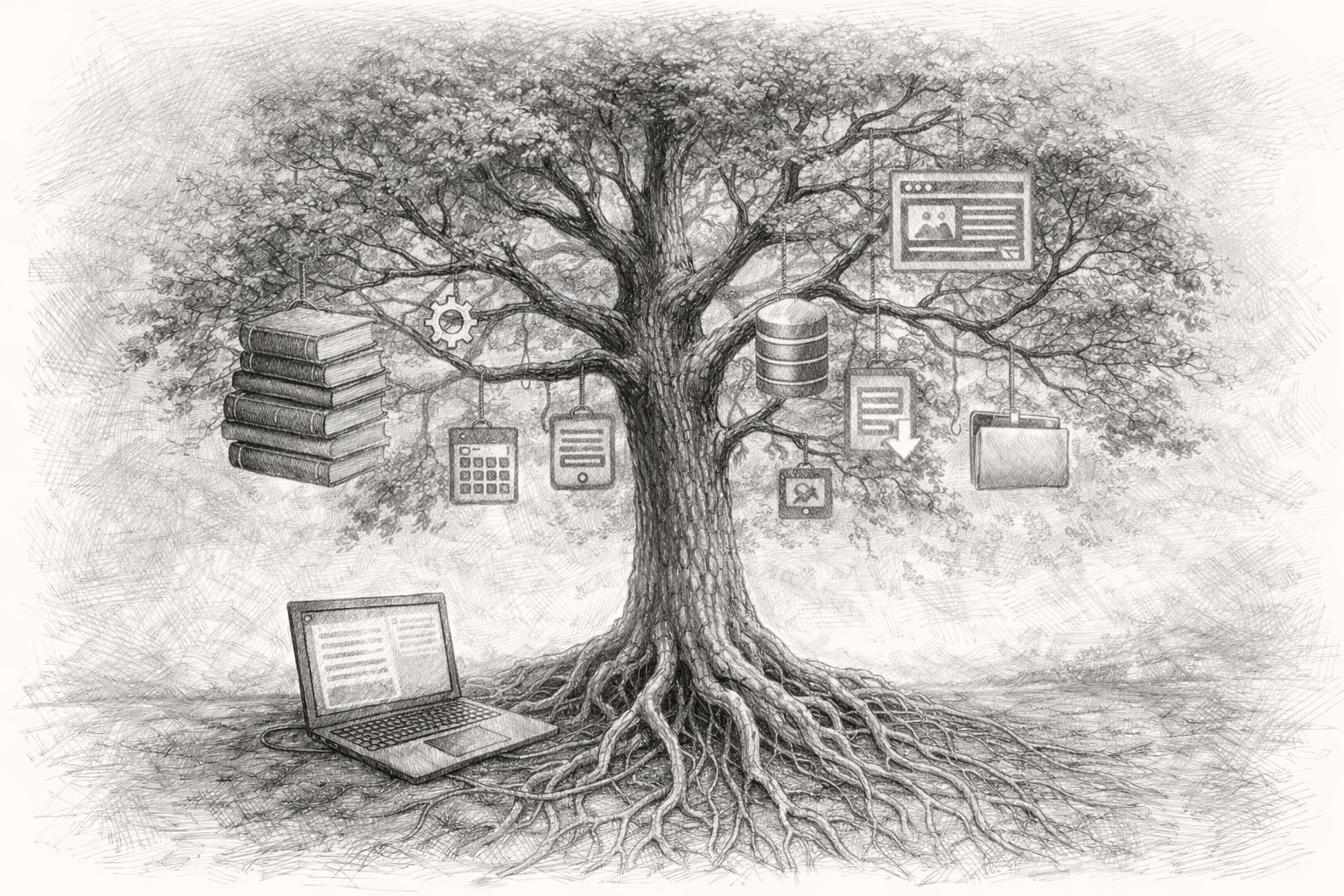
What characterizes productive digital property
Productive digital property has several characteristics that distinguish it from ordinary content. It can be used repeatedly without losing quality. It can be integrated into new projects and often generates benefits over longer periods of time.
For example, a single text can be read once and then forgotten. However, the same text can also become part of a larger knowledge system. It can be expanded, integrated into books or used in seminars. This creates added value that goes far beyond the original publication.
Productive property continues to work in the background, so to speak. It stores knowledge, automates processes or enables new projects. The more frequently a digital asset can be used or further developed, the stronger its asset character becomes.
Static digital property - the starting point
Many digital projects start with static property. This includes individual content such as texts, images or videos that initially exist in isolation. This content can be valuable, but often does not yet have its own growth structure.
A blog article, a podcast or an infographic can convey knowledge and generate attention. However, its value remains limited if it is not reused or integrated into larger systems. Static ownership is therefore often the starting point of digital value creation, but rarely its end goal.
The strength of static content lies in the fact that it captures knowledge or creative ideas. However, their long-term value only arises when they are integrated into new contexts.
Semi-productive property - when content starts to network
A second level of digital property arises when content is collected or organized in a structured way. Archives, knowledge databases or thematic collections belong to this category.
If you organize content systematically, connections are created that open up new possibilities for use. A single article can become part of a series of topics. Several texts can form a knowledge archive. Data collections can make trends visible or enable new content.
Semi-productive property already has the capacity for growth because it not only stores knowledge, but also links it. Archives or databases in particular often increase in value over time because they document developments or enable long-term observations.
Brand identities also belong to this category. Trust, recognition and thematic specialization are not created by individual pieces of content, but by their long-term connection. Brands often work in the background, but can make a decisive contribution to making digital projects stable.
Highly productive digital property - when systems create value
The highest level of digital property is created when content, data and processes are combined into functioning systems. Software, automation and publishing structures are among the most productive digital assets.
Such systems can automatically process, publish or analyze content.
- A publishing workflow can, for example, structure, translate or archive new texts.
- A database can link information and make it usable for various projects.
- AI systems can generate content or speed up work processes.
Highly productive property has a particular advantage: it can continue to work independently of direct work input. While individual content is often created once, systems can generate lasting benefits. This creates a long-term economic value that goes beyond traditional content production.
How long-term value chains are created from individual content
Productive digital property often develops in several stages. A single piece of content can become the starting point for a whole series of new projects.
For example, an article can be expanded and developed into a book. This book can be translated or used in seminars. Content from it can in turn become part of an archive or a knowledge database. These structures can later be used to create software solutions, courses or consulting services.
Such value chains show that digital content rarely remains isolated. The more content is linked together, the greater its long-term benefit. Productive ownership is therefore not created through individual projects, but through their systematic connection.
Why scalability makes digital ownership so valuable
A key advantage of digital assets is their scalability. While physical products can often be produced in limited quantities, digital content can be reproduced almost indefinitely.
Once a system has been developed, it can be used thousands of times without changing its quality. A digital book can be distributed worldwide without additional production costs. A database can be continuously expanded and thus become increasingly valuable.
This scalability fundamentally changes the nature of ownership. Digital values often grow not through material or production capacity, but through knowledge, structure and organization.
Why productive ownership creates long-term stability
Many digital trends emerge quickly and disappear just as quickly. Platforms, formats and technologies can change fundamentally within just a few years. Productive digital property offers a special form of stability in this environment. Those who can manage content, data or systems independently build up values that are not tied to individual trends. Knowledge remains usable, archives are preserved and processes can be adapted to new technologies.
Productive ownership therefore often works quietly and over the long term. It grows gradually, strengthens through combination with other projects and develops its own stability over time. Instead of short-term attention, a foundation is created on which digital projects can be built permanently.


The big mistakes of the digital age
Today, the internet gives the impression of unlimited possibilities. Content can be published worldwide, information can be accessed at any time and digital platforms promise reach, convenience and security. At the same time, this creates a deceptive sense of ownership. Many people believe that they have built up digital assets when in fact they have only been given opportunities to use them.
This confusion is one of the biggest mistakes of the digital age. It is not caused by deception in the traditional sense, but by convenience, habit and a lack of transparency. Digital services have become so self-evident that people hardly question who actually owns content, data or reach structures.
If you want to build digital property for the long term, it is crucial to recognize these misconceptions. They show why many digital projects work successfully in the short term but can remain unstable in the long term.
Misconception 1: Social media reach is digital property
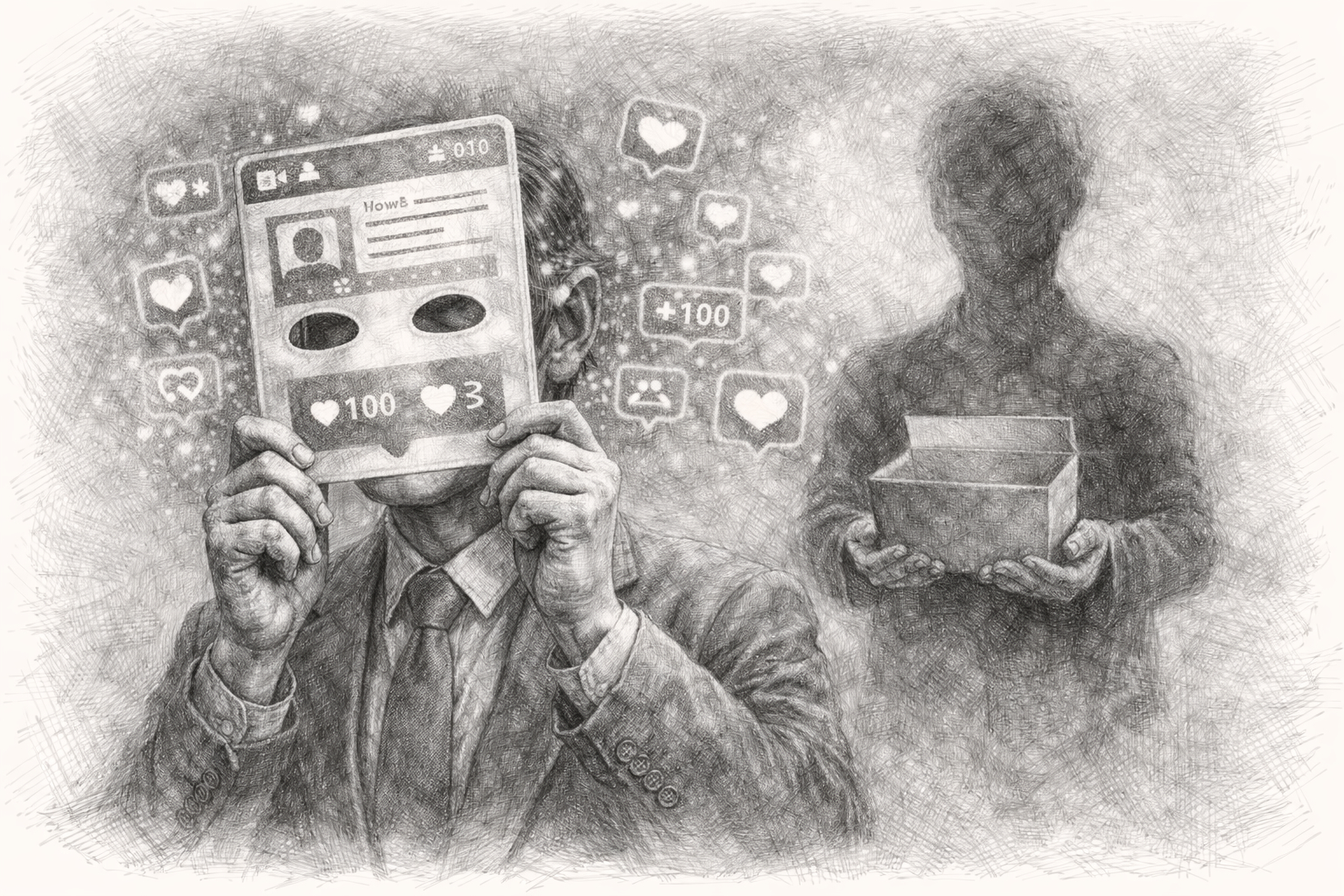
Social networks are among the most visible success systems of the digital age. Profiles can achieve a large reach within a short space of time, communities are created and content spreads quickly. This easily creates the impression that followers, likes or subscribers represent personal assets.
In reality, however, these structures primarily belong to the platforms. Users are only given access to their profiles and content - but not complete control. Platform operators determine what content is visible, how algorithms work and what rules apply.
An account can be blocked, reach can decrease due to algorithm changes, and platforms can change their business models or even disappear. This shows that while social media reach can generate attention, it rarely represents stable ownership.
This does not mean that social networks are worthless. They can be important communication and marketing tools. But they do not replace independent ownership structures such as websites, archives or communication systems.
Misconception 2: Cloud storage means data security
Cloud services have changed the way data is stored and managed. Documents, photos and projects can be conveniently backed up online and accessed from different devices. This convenience often conveys a sense of security because data appears to be available at all times.
In reality, however, cloud services remain external systems that are controlled by providers. Access options can change, terms and conditions can be adjusted and, in the worst case, services can be discontinued or data deleted. Even if such events seem rare, they show that cloud storage does not automatically mean complete control.
Real data security can only be achieved with your own backup strategies. Local copies, independent archive systems or redundant storage significantly increase the stability of digital content. Anyone who stores data exclusively in cloud services has access, but remains dependent on external infrastructures.
Misconception 3: Platform careers are long-term assets
Many digital careers are built on platforms. Influencers, content producers and online entrepreneurs often build their presence within individual systems. Such platforms can enable enormous reach and open up economic opportunities.
However, the mistake arises when this visibility is confused with ownership. Platform careers are often based on rules that users cannot influence. Changes to monetization models, terms of use or technical structures can change business models within a short period of time.
Long-term stability usually only arises when platform reach is transferred into independent structures. In-house content, archives or communication channels can supplement and safeguard platform activities. Those who rely exclusively on platforms often build up values that only exist within a specific system.
Misconception 4: Digital content is automatically retained
Digital content has a permanent effect because it can be stored seemingly indefinitely. In reality, however, large amounts of digital information disappear every day. Websites are shut down, platforms delete content and file formats lose their compatibility.
Many people rely on published content remaining permanently available. However, without targeted archiving, even extensive projects can be lost. Digital content requires maintenance, backup and occasional adaptation to new technical standards.
Ownership in the digital space therefore also means responsibility. If you want to preserve content in the long term, you must actively ensure that it is stored and transferable. Without this maintenance, digital knowledge often only remains visible temporarily.
Misconception 5: High visibility means economic value
Digital platforms often measure success in click numbers, reach or interactions. These key figures are impressive and can generate attention in the short term. However, visibility alone does not guarantee long-term value.
A piece of content can be viewed millions of times and still not generate any lasting benefit. At the same time, content with a smaller reach can develop great significance in the long term if it is archived in a structured way or integrated into larger systems.
Economic value is often created in the digital space through reusability, combination with other content or integration into functioning processes. Visibility can be an important starting point, but is no substitute for stable ownership structures.
Why these misconceptions are so widespread
The misunderstandings described do not arise by chance. Digital platforms are deliberately designed to make use as easy as possible. The focus is on convenience, speed and range. Control, archiving or long-term ownership issues, on the other hand, seem more complicated and are therefore often suppressed.
In addition, digital assets are invisible. While physical ownership is easily recognizable, digital ownership structures remain abstract. As a result, it often only becomes clear at a late stage whether content or data is actually under one's own control.
How you can avoid digital mistakes
The most important step is to distinguish between use and ownership. Platforms, cloud services or reach structures can be valuable tools. However, they should not be confused with permanent ownership.
Digital stability is usually created through a combination: platforms can generate attention, while proprietary systems ensure long-term control. Those who also archive content, store data independently and set up their own communication channels significantly reduce dependencies.
Digital mistakes are often the result of convenience and habit. They can be avoided if digital projects are consciously set up and thought about in the long term.
Building digital property in practice
Digital property is rarely created by chance. Many people publish content, store data or use platforms without thinking about whether this will create long-term value. However, sustainable digital ownership usually develops through conscious decisions, clear structures and consistent organization.
If you want to build digital property, it's not about producing as much content as possible or achieving reach as quickly as possible. The decisive factor is whether your digital projects can survive in the long term, remain independently usable and can be developed further.
The development of digital property can be divided into several steps that build on and reinforce each other.
Step 1: Create your own content - the basis of digital property
Every development of digital property begins with its own content. Knowledge, experience or creative work form the basis on which further structures can be created later.
Your own texts, videos, podcasts or studies are more than just a means of communication. They store knowledge and create identity. It is particularly important to design content in such a way that it remains usable in the long term. Timeless topics, well-structured texts or comprehensive analyses often have significantly more value than short-term trend content.
It is not about perfection, but about continuity. Digital ownership structures are often created by many individual pieces of content that combine over time to form larger knowledge systems.
Step 2: Build your own infrastructure - secure control over content
However, content alone is not enough. In order for it to become permanent property, it needs stable structures in which it can be stored and managed.
Own domains are one of the most important foundations of digital infrastructure. They create a fixed address on the Internet and enable independent publications. Own websites or archives also significantly increase control over content.
In addition, newsletter systems or in-house communication platforms can help to establish contacts independently of social networks. Such structures ensure direct access to readers, customers or interested parties and reduce dependencies on platform algorithms.
The more content is organized in separate systems, the more stable digital property becomes.
Step 3: Structure content - make knowledge usable in the long term
Unstructured content quickly loses its clarity. Even extensive projects can lose value if content is not systematically organized.
Structure is created through topic series, categories or knowledge archives. When content is linked together, connections are created that open up new possibilities for use. Individual articles can become part of larger subject areas, videos can be integrated into course programs, and data collections can form the basis for analyses.
The development of series or thematic dossiers can also help to bundle content. Structure not only means order, but also enables reuse and expansion. The more clearly content is organized, the easier it is to integrate it into new projects.
Step 4: Automate and scale - use digital processes productively
A key advantage of digital ownership structures lies in their ability to be automated. When content, data or processes are linked together, they can function to some extent independently of direct work input.
Automated publishing systems can publish, archive or translate content. AI-supported workflows can structure texts or analyze data. Sales processes can be automated by using content multiple times or transferring it to different formats.
Automation does not mean replacing human work. Rather, it enables existing content to be used more efficiently and frees up time for creative or strategic tasks. The more closely digital processes are interlinked, the greater their long-term benefits will be.
Step 5: Archive content for the long term - ensure stability
Digital content often has a lasting effect, but without archiving it is surprisingly ephemeral. Technical changes, platform closures or format problems can lead to content being lost.
Long-term archiving is therefore a central component of digital property. This includes storing content on multiple systems, regularly backing up important data and adapting to new file formats or technologies.
Versioning can also help to secure content over longer periods of time. If projects are developed further, earlier versions are retained and can be used again later. Archiving not only protects content, but also preserves knowledge and experience.
Current survey on writing books
Why digital ownership structures need time
Building digital property is a long-term process. Individual content or projects rarely develop economic or strategic value immediately. This value is often only created through combination, expansion and continuous maintenance.
Many successful digital projects are based on years of development. Knowledge archives grow step by step, databases are built up over long periods of time and brand identities are created through continuous publication and a clear thematic focus.
Patience is therefore one of the most important factors in building digital property. Short-term attention can be helpful, but is no substitute for long-term stability.
How platforms can be meaningfully integrated into the structure
Platforms do not have to be avoided when building digital property. They can be valuable tools for making content visible or reaching new target groups.
It is crucial to use platforms as a supplement, not as the sole basis. If possible, content should also be stored and structured in separate systems. Reach can be created on platforms, but stability is usually created outside of these systems.
Those who make targeted use of platforms and at the same time build up their own infrastructure combine visibility with control. This combination is one of the most stable digital ownership strategies.
Digital property is not created by individual decisions, but by a consistent combination of several factors. Own content, stable infrastructure, clear structure, automation and long-term archiving reinforce each other.
Those who consciously implement these steps build digital values that can exist independently of short-term trends. Digital ownership structures often develop quietly, grow gradually and only develop their actual value over longer periods of time.
The development of digital property is therefore less of a project and more of an ongoing process. The more consistently this process is pursued, the more stable and valuable digital projects become over time.
Digital property ecosystems - when individual assets work together
Many digital projects start with individual pieces of content, platforms or databases. An article is published, a website is launched or a collection of information is built up. Such projects can already be valuable, but often only develop their full potential when they are linked together.
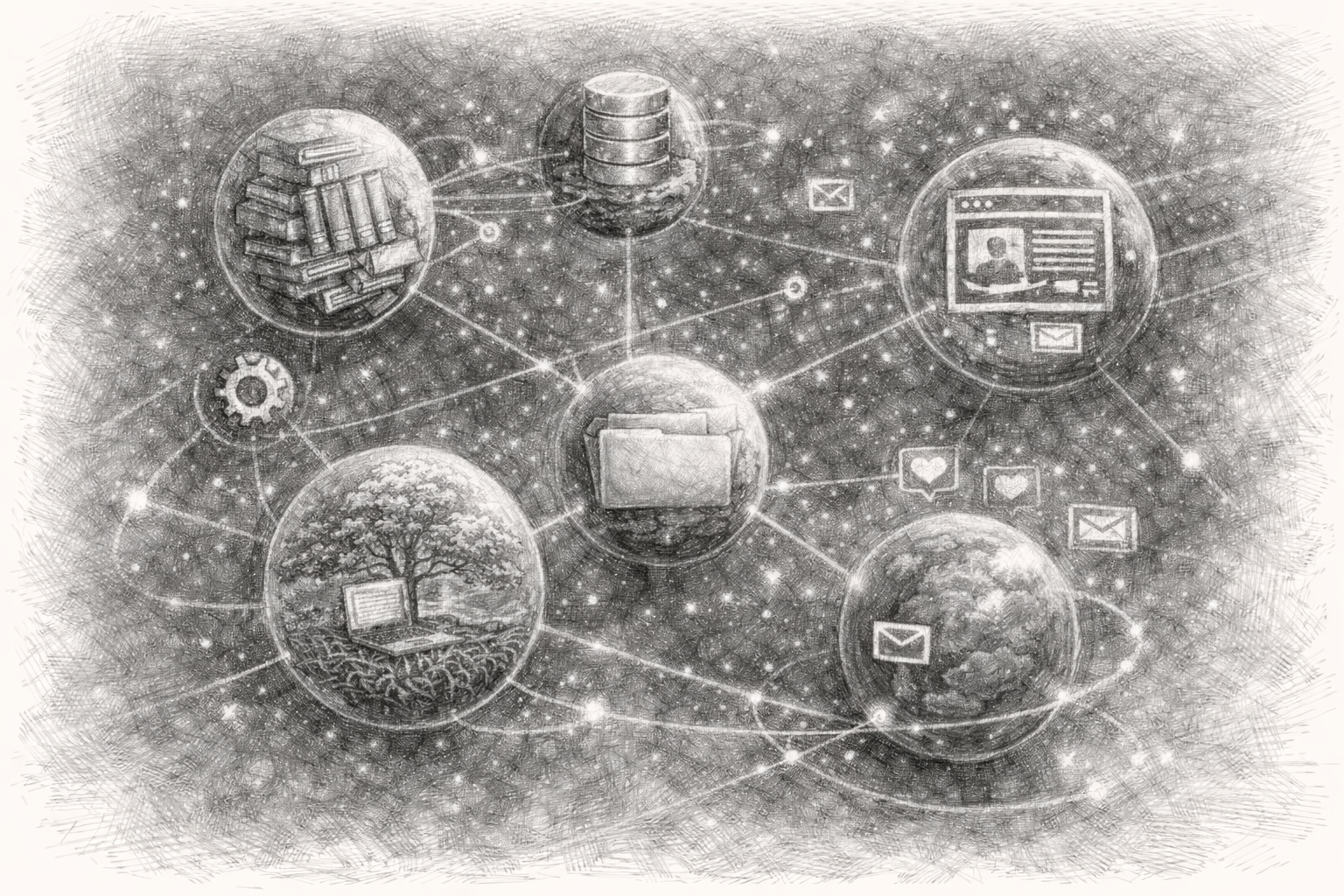
Digital property ecosystems emerge at precisely this point. They combine various digital assets into a network in which content, data, infrastructure and processes work together. Instead of individual projects, an overall system is created that is more stable, more productive and more versatile in the long term.
If you want to build digital property sustainably, this systemic thinking will sooner or later become indispensable. Individual digital assets can generate attention - ecosystems generate stability.
What constitutes a digital property ecosystem
A digital property ecosystem consists of several elements that support each other. It is not just a matter of running several projects in parallel, but of consciously linking them together.
Typical components of such systems are content, technical structures, databases, communication channels and distribution models. Each of these areas can function independently, but gains strength when combined with other elements.
One example of this is the combination of articles, books and knowledge archives. Individual texts convey information. In book form, they are deepened in a structured way. They remain permanently available in archives and can be expanded or reused at a later date. This combination creates a system that grows continuously.
Ecosystems have a special characteristic: their total value is often greater than the sum of their individual parts.
Individual projects versus networked systems
Many digital projects fail not because of quality or creativity, but because of a lack of networking. Content is created, published and then no longer used. This limits their long-term benefit.
A networked system works differently. Content can be transferred into multiple formats, data can enable new content and technical structures can automate publications. This creates a cycle in which digital values reinforce each other.
For example, an article can lead readers to a website. A newsletter can be created there, enabling long-term communication. This communication can in turn generate new content or projects. A growing network of digital values is thus created from individual publications.
How content, data and infrastructure work together
A stable digital property ecosystem usually combines three central areas: Content, data and infrastructure. Content conveys knowledge, ideas or entertainment. It creates awareness and trust. Data complements content by making developments visible or enabling analyses. Infrastructure ensures that content and data can be organized, stored and distributed.
When these areas are linked together, systems are created that function in the long term. Content can be based on data, data can be enhanced by content, and infrastructure connects both elements.
This connection ensures that digital projects do not remain isolated, but can continue to develop.
The role of brands and trust within digital ecosystems
Digital property ecosystems do not only consist of technical or content-related structures. Trust also plays a central role. Brand identities are often created through the long-term connection of topics, content and forms of communication.
When content follows a clear direction over a longer period of time, it becomes recognizable. Readers, customers or interested parties develop trust in certain subject areas or working methods. This trust can itself become an important component of digital property.
Brands are often invisible, but have a major influence on the stability and growth of digital projects. They combine individual content into an overall picture and facilitate long-term relationships with target groups.
Network effects - Why networked systems grow faster
Digital property ecosystems often benefit from network effects. The more elements are connected, the greater their shared benefit.
When content is used in multiple formats, its reach increases. When data is used in different projects, its value increases. When infrastructure supports multiple projects simultaneously, its efficiency increases.
Network effects ensure that digital systems gain stability over time. New projects can build on existing structures instead of starting from scratch. This results in growth that depends not only on individual publications, but on the interaction of many elements.
Why ecosystems make us more independent in the long term
Digital projects that are only based on one platform or format are particularly susceptible to change. Technological developments, market changes or platform rules can quickly destabilize such projects.
Ownership ecosystems reduce these risks because they are based on several pillars. Content can exist in different media, data can be stored independently and communication structures can function across multiple channels.
This diversity creates stability. If one area changes or disappears, other elements can continue to function. Digital ecosystems are therefore more resistant to technical or economic changes.
How digital property ecosystems are created
Digital property ecosystems are rarely created through one-off planning. They usually develop step by step. Individual content is linked together, new projects build on existing structures and technical systems grow with the requirements.
A long-term view is crucial here. Anyone who consciously archives content, collects data in a structured way and links projects together creates the basis for a stable ecosystem. Such systems often arise from many small decisions that work together over years. It is not necessary to set up a complex network immediately. Connecting individual projects can be the first step towards a larger system.
A ready-made magazine system as the basis for your own project
 If you don't want to develop your own digital magazine completely by yourself, a finished system make it much easier to get started. Based on many years of practical experience, a magazine solution has been developed that combines content, multilingualism, structuring and publication in a well thought-out overall system. This system can be individually adapted and used as a foundation for your own knowledge, media or company projects. As a result, digital ownership structures can be established more quickly and stably without having to start from scratch.
Why digital property increasingly needs to be considered systemically
The digital world is becoming increasingly complex. Content, technologies and communication channels are constantly changing. In this environment, systems that can react flexibly to changes are becoming increasingly important.
Digital property ecosystems enable precisely this flexibility. They combine content, data and infrastructure in such a way that new technologies or formats can be integrated without losing existing values.
Systemic thinking therefore not only means organization, but also future-proofing. Those who view digital projects as an interconnected network build structures that can adapt to new developments.
Future outlook - Digital property as the basis for personal freedom
The importance of digital property grows with every technological development. More and more economic, social and cultural processes are shifting to digital spaces. Knowledge is stored digitally, communication takes place online and even creative or professional activities are increasingly taking place in virtual environments.
This development is fundamentally changing the nature of property. While material goods used to form the core of economic stability, digital assets are now becoming increasingly important. Content, data, systems and knowledge archives are developing into new forms of ownership that can exist independently of geographical borders.
For you, this means one thing above all: the opportunity to build long-term value has never been greater in the digital space. At the same time, the responsibility to consciously shape and secure these values is growing.
Digital knowledge archives as a future form of asset
One of the most exciting developments in the coming years is the growing importance of knowledge as property. Content that is created today can grow into extensive knowledge archives in the long term. Such archives document experiences, findings or developments over long periods of time.
Knowledge archives become particularly valuable when they are structured and continuously expanded. They can form the basis for books, research, educational programs or consulting models. With increasing digitalization, knowledge is increasingly becoming an economic resource in its own right.
Anyone who systematically collects, structures and archives content not only builds up collections of information, but also long-term digital assets.
AI databases and automated systems as new economic assets
Artificial intelligence is changing the way digital content is created, analyzed and used. Training data, specialized models and automated work processes are increasingly developing into digital assets in their own right.
Such systems combine knowledge with technology. They can generate content, evaluate data or automate processes. In the future, well-structured data collections or specialized AI systems could become as important as software or technical patents.
This development opens up new possibilities for you. Digital projects can not only store content, but also contain intelligent systems that can be used or further developed in the long term. This creates a new generation of digital property that combines knowledge, technology and automation.
Current survey on the use of local AI systems
Digital identities and communities as social capital
In addition to technical and content structures, social networks are also gaining in importance - especially when they are established independently of individual platforms. Communities, newsletter networks or knowledge communities can create long-term relationships that themselves become valuable digital assets.
Digital identities are increasingly developing into stable trust structures. People not only follow individual content, but also topics, perspectives or working methods. In the long term, this trust can become an important component of digital ownership structures.
When content, knowledge and communication are combined, a form of social capital is created that can stabilize and further develop digital projects.
Life's work in the digital space - ownership across generations
One particularly fascinating aspect of digital property is its long-term impact. Digital content can be preserved, expanded and reused for decades. This makes it possible to document and pass on personal life's work in a structured way.
In the past, many experiences, insights or creative works were lost over time. Digital archives make it possible for the first time to save such content permanently and make it accessible for future generations. Knowledge can grow instead of disappearing.
Digital ownership structures can thus create a new form of cultural or personal continuity. They connect the past, present and future in a way that was difficult to achieve in earlier times.
Why digital property is a form of personal freedom
Digital ownership means more than just economic value. It creates independence. Those who control content, data or systems themselves reduce dependencies on platforms, technologies or short-term trends.
This independence makes it possible to pursue one's own projects in the long term, develop ideas freely and manage knowledge independently. Digital ownership therefore provides a basis for self-determination in the digital age.
Freedom does not come from isolation, but from control over your own structures. Platforms, technologies or networks can still be used - but not as the sole basis, but as a supplement to your own systems.
Why now is the right time to build digital property
The digital world is in a phase of fundamental change. New technologies are emerging, working models are evolving and knowledge structures are growing faster than ever before. During this time, there are particularly many opportunities to build long-term digital value.
Digital property structures often grow slowly, but develop enormous stability over time. If you start creating content, collecting data or setting up systems early on, you create a foundation that can continue to develop for years to come.
Perfection is not the decisive factor. It is more important to start at all and to consciously structure digital projects. Many stable ownership structures arise from small projects that are consistently developed further.
Digital ownership starts with a first step
Digital ownership is not an exclusive concept for companies or technology experts. It often starts with simple decisions. A text that is deliberately archived. A website that is set up for the long term. A collection of data that is systematically maintained.
Any digital content can be the starting point for long-term value. The decisive factor is whether content is stored, structured and further developed. Digital property grows step by step - often quietly, but permanently.
If you start to consciously create content, build up your own structures and secure knowledge for the long term, a digital foundation will emerge over time that can exist independently of trends or platforms.
The digital age thus opens up a new form of ownership that is not tied to places or materials. It enables knowledge, ideas and experiences to be permanently preserved and passed on. Perhaps this is the greatest opportunity of the digital future:
Not just to consume information, but to create your own digital values - values that remain, grow and can be passed on.


Frequently asked questions
- What exactly is digital property?
Digital property includes all digital content, data, systems or structures over which you have legal, technical and economic control. This includes, for example, texts, books, websites, software, databases or knowledge archives. The decisive factor here is that you can manage, secure and reuse these assets independently. Digital property is therefore not only created through the creation of content, but above all through control over its storage, use and further development. - Why is digital ownership becoming increasingly important today?
More and more economic, professional and social activities are shifting to digital spaces. Knowledge, communication and creative work are increasingly taking place online. As a result, assets are also shifting from material goods to digital structures. Those who start building their own digital content, data or systems at an early stage can create long-term value that remains independent of time, place and many external changes. - Is a social media profile digital property?
A social media profile often gives the impression of ownership, but technically and legally belongs to the respective platform. You can publish content and build a reach, but you do not have complete control over visibility, access or usage options. Platforms can change their rules or block accounts. Social media can therefore be an important tool, but is no substitute for independent ownership structures. - Which digital content has particularly long-term value?
Content that is timeless, well-structured and reusable usually has long-term value. This includes comprehensive specialist articles, books, studies, knowledge archives or data collections. Content that can be developed further or become the basis for further projects, such as training courses, software or analysis models, is particularly valuable. - How can I determine whether I own digital property or only have access to it?
A simple orientation is the question of whether your content will continue to exist even if a provider or platform disappears. If you can save content locally, archive it independently and transfer it to your own systems, you have digital ownership. If content exists exclusively within a platform service, it is usually only a matter of usage options. - Are cloud services a secure form of digital property?
Cloud services offer convenience and flexible access options, but do not replace complete control over data. Providers can change their terms and conditions or discontinue services. For long-term security, important content should also be stored locally or backed up on several independent systems. Only this combination creates stable ownership structures. - Can digital property be used commercially?
Yes, digital property can enable a variety of revenue streams. Content can be sold, licensed or integrated into training and consulting services. Software or automated systems can be used permanently or developed further. The economic value often arises from the fact that digital content can be used multiple times or combined with each other. - What distinguishes productive digital property from simple content?
Productive digital property can generate long-term benefits or income. It can be reused, combined or automated. For example, a single text can become a book, seminar or knowledge archive. Content only becomes productive property when it is integrated into larger structures and can be used in the long term. - What role does data play in digital ownership?
In-house data collections are increasingly becoming important assets. Usage statistics, market analyses or long-term observations enable independent analyses and new content. The value of data often comes from its long-term collection and structured organization, which cannot be replaced in the short term. - How important are your own domains and websites for digital property?
Own domains and websites create independent publication and archive structures. They make it possible to store and distribute content permanently under your own control. While platforms can offer reach, own websites often form the stable foundation of digital property. - Can artificial intelligence itself be part of digital property?
Yes, AI systems, training data or automated workflows can represent digital assets in their own right. Particularly specialized data sets or finely tuned models can be used and further developed in the long term. AI combines knowledge with automation and is therefore becoming increasingly important in economic terms. - How is a digital property ecosystem created?
A digital property ecosystem is created when content, data, infrastructure and communication structures are linked together. Articles can become part of books or archives, data can enable new content and technical systems can automate publications. Such networked structures are more stable and often grow in the long term. - Can digital property be created without extensive technical knowledge?
Yes, many digital ownership structures start with simple steps like writing your own content or building a website. Technical systems can be added later. The key is to consciously store, structure and independently manage content. Complex technical solutions often only emerge over time. - How can I secure my digital content in the long term?
Long-term security is achieved through regular backups, storage on multiple systems and the use of stable file formats. Content should be archived as independently of individual platforms as possible. Versioning can also help to keep content usable over longer periods of time. - Why are archives so important for digital property?
Archives preserve content, data and experience for the long term. They enable knowledge to be collected and further developed over many years. Archives increase the value of digital content because they make connections visible and facilitate reuse. Many long-term digital projects are based on well-structured archives. - Can digital property be transferred to others or inherited?
Many forms of digital property can be transferred or inherited, such as domains, software, books or data collections. The prerequisite is that access rights, usage rights and technical access are documented and secured. Digital archives can thus be passed on in the long term. - How long does it take to build digital property?
The development of digital property is usually a long-term process. Individual content can be created quickly, but its value often only develops over years. Digital property structures grow gradually through combination, expansion and continuous maintenance. - Why is it worth starting with digital ownership today?
Digital content often increases in value over time. Those who start building up content, data or systems early on create long-term stability and independence. For the first time, the digital age offers the opportunity to store knowledge and experience permanently and make it accessible worldwide. Any digital value built up early on can later become part of a larger ownership system.