Donald Trump in the US system - origins, power, media and impact

Donald Trump in the USA system

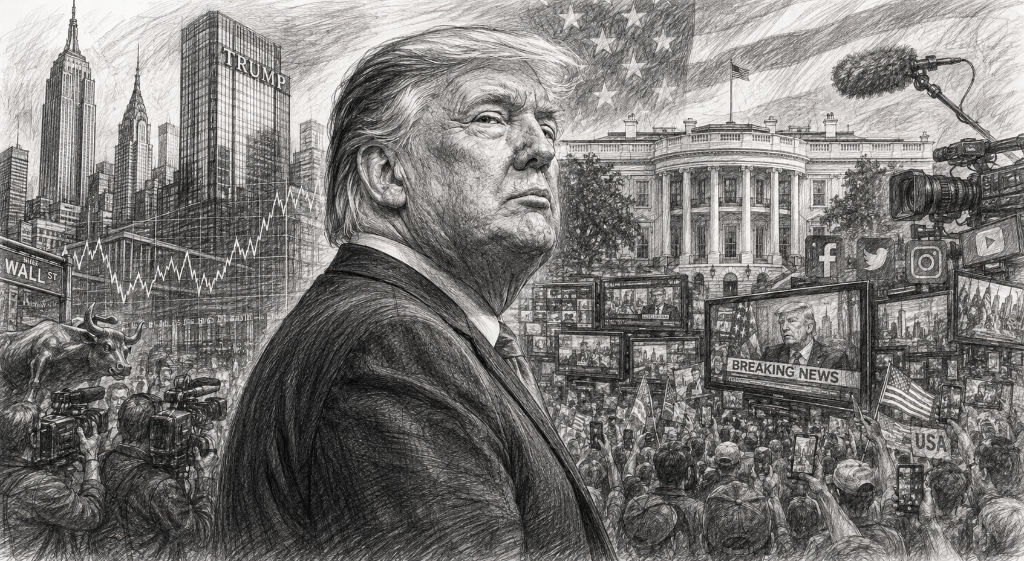
Donald Trump is no ordinary political figure. He is not a classic statesman, not an ideologically trained party soldier, not a product of decades of Washington networks. Trump is one thing above all: a projection screen. For hopes, for fears, for anger, for rejection - and for expectations that go far beyond concrete policies. This is precisely the reason why a portrait of him makes sense. You don't have to like or dislike him, but he definitely makes something visible that was already there.

Trump does not just stand for decisions or programs. He represents a rupture in the political self-image of the Western world. And this rupture cannot be explained by viewing him merely as a „populist“, „provocateur“ or „accident of history“. If you want to understand Trump, you have to see him as both a symptom and an actor.

Read more

How the pandemic taught economists a lesson about inflation, growth and economic recovery

Economists' assumptions during the pandemic

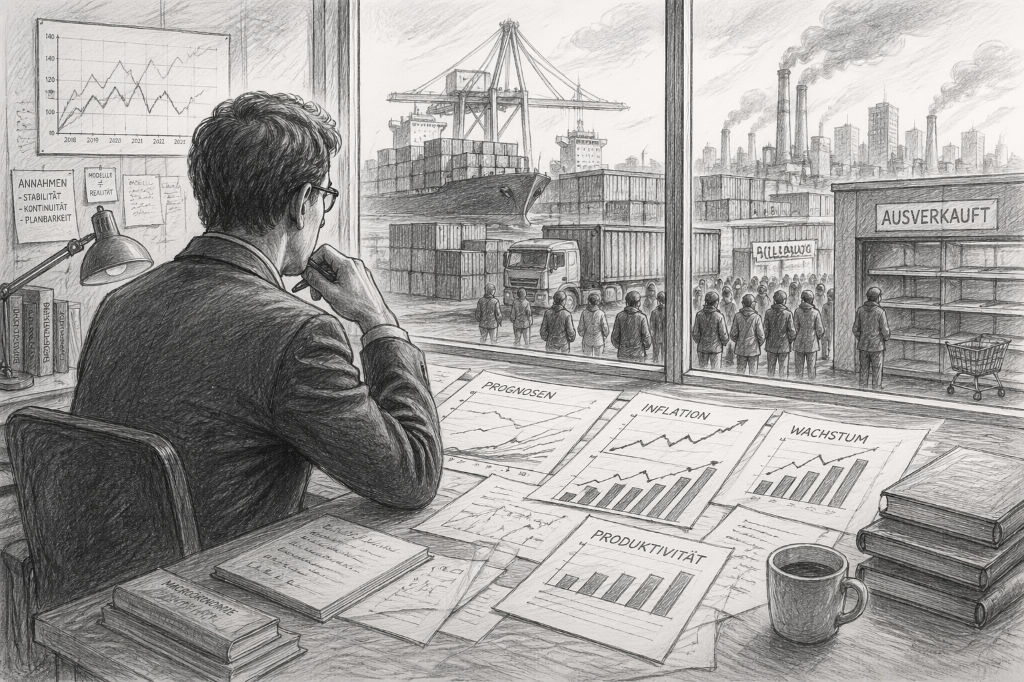
Even during the coronavirus pandemic, many economists were surprisingly unanimous: the great danger was a phase of low inflation, perhaps even deflation. A few years later, the picture is different. Inflation reached historic highs in many countries, supply chains collapsed and economic developments turned out differently than expected.

The pandemic was not just a health crisis - it was also a stress test for economic forecasts. This article shows where experts were wrong, why this was the case and what lessons can be learned for future assessments.

Read more

Fracking, LNG and energy policy: a sober analysis of risks, opportunities and reality

Natural gas fracking and energy policy

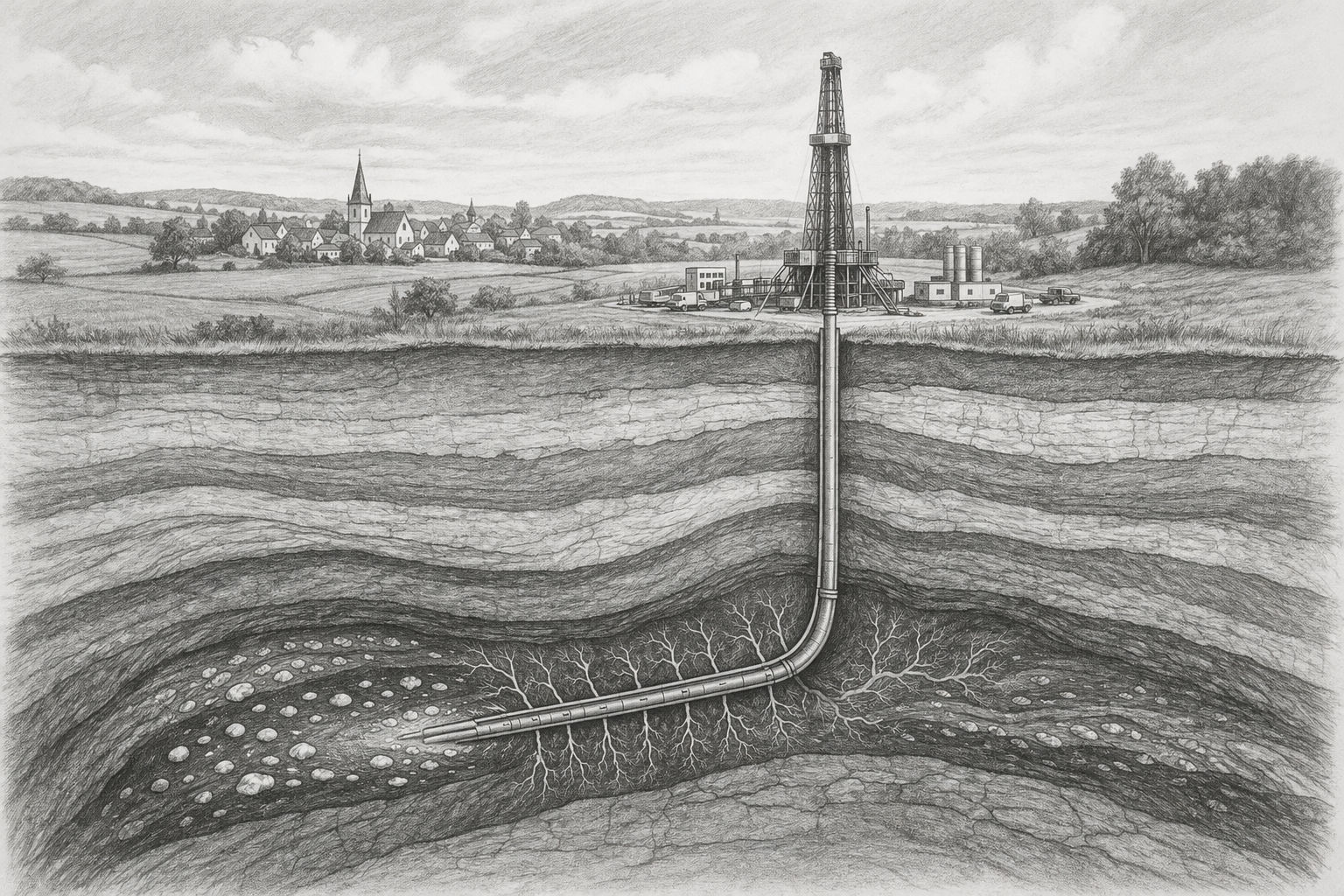
There are political and social discussions that are not linear. They come in waves. Fracking is one such issue. For years, the matter in Germany seemed settled. With the legislative package of 2016 and the resulting regulation from 2017, the framework was clear: commercial fracking in unconventional reservoirs will not take place. The debate calmed down and the issue largely disappeared from the public eye. It was as if a lid had been put on it.

But this impression was deceptive. Because while the debate in Germany was dying down, the world was changing in the background. The energy supply, which had long been considered relatively stable, came under increasing pressure. Prices began to fluctuate, supply chains became more fragile and geopolitical tensions increased. The events from 2022 at the latest made it clear that energy is not a matter of course, but a strategic commodity.

Read more

From the end of compulsory military service to school strikes: the new debate on the Bundeswehr and education

School strikes on compulsory military service and the Bundeswehr at school

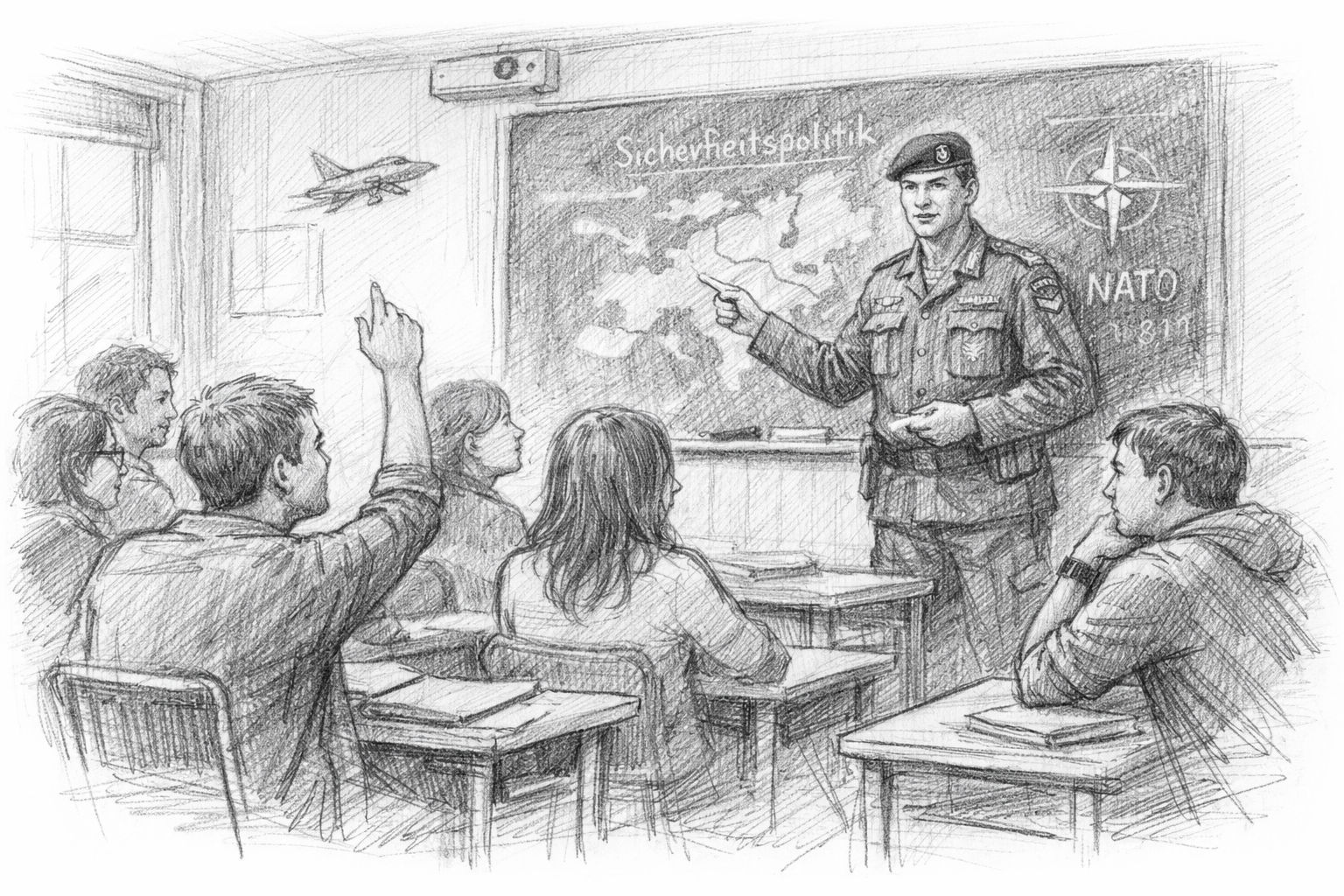
When I myself was conscripted into the Bundeswehr in the 1990s, it was still a fairly normal part of life for many young men in Germany. Anyone who had finished school did either civilian service or military service. It was simply part of life back then - just like training or studying. People talked about it, they knew roughly what to expect, and almost everyone had someone in their circle of acquaintances who was currently doing military service or had recently done so.

I myself also did my military service. There were no major ideological debates about it in my environment. Of course, there was criticism of the military or discussions about deployments abroad - but the Bundeswehr was basically a normal part of the state. It was there, but it didn't play a particularly dominant role in most people's everyday lives. Interestingly, this also applied to school.

Read more

Europe between freedom of expression and regulation: New US info portal raises questions

EU censorship, hate speech and the new US portal

The other day I stumbled across a piece of information that initially interested me rather casually - and then stuck with me. A report said that the US government was planning a new online portal. A portal that would make content accessible that is blocked in certain regions of the world. Countries such as Iran and China were mentioned. But then another term came up: Europe.

Europe.

The idea that American agencies are developing an information portal that is expressly intended for European citizens, because certain content is no longer accessible here, made me wonder. Not outraged or panicked, but wary. When Europe is suddenly mentioned in the same breath as traditional areas of censorship, it is worth taking a closer look.

Read more

Johann Sebastian Bach - order, attitude and the foundation of our music

Johann Sebastian Bach Portrait

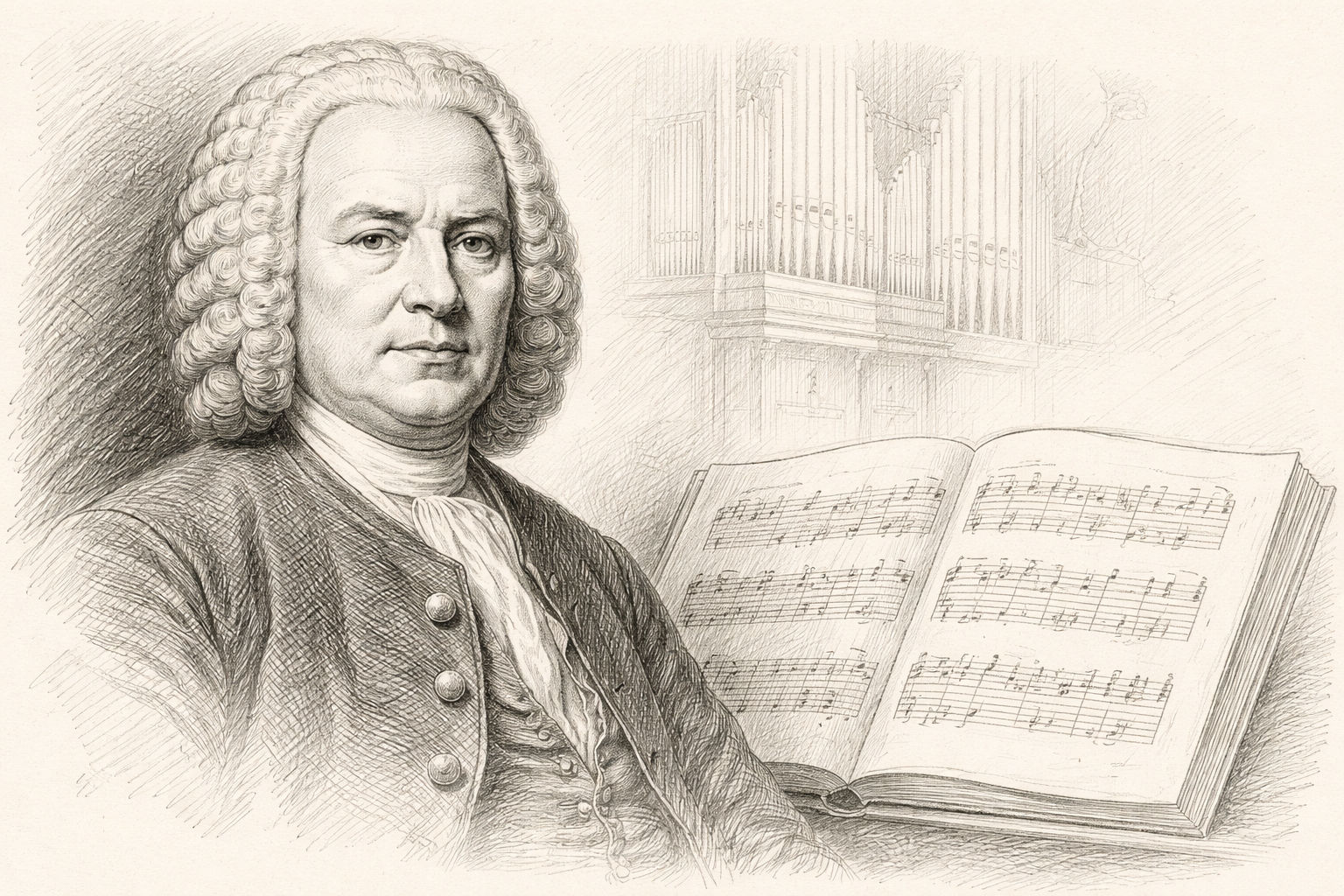
As a child and teenager, I grew up in a family of musicians. Both my parents are music teachers. My mother plays the flute, my father the piano. Music was not a decorative background in our home, but a natural part of everyday life. We practiced, taught, discussed, sometimes even wrestled. Sheet music was laid out on the piano, not in the cupboard.

I played the piano myself, and later also the saxophone. And like so many people who go through classical training, I ended up with Johann Sebastian Bach at some point - more specifically, the first prelude from the „Well-Tempered Clavier“. I can still play it. Perhaps no longer flawlessly, I would have to practise again. But the structure of this piece is still with me today. This calm sequence of broken chords, the clear harmony, the self-evident order - even as a pupil, you can sense that something important is happening here. This portrait is dedicated to my mother on her 70th birthday, who made it possible for me to take piano lessons at that time.

Read more

Cancel Culture in the West: Sport, universities, the military and EU sanctions analyzed

Cancel Culture in the West

When you hear the word „cancel culture“ today, you quickly think of universities, social networks or prominent individuals who come under pressure for making a thoughtless statement. Originally, the phenomenon was actually very much located in the cultural and academic sphere. It was about boycotts, protests and symbolic distancing. But something has shifted in recent years. The dynamic has grown, it has become more serious - and above all: it has become more political.

Today, we are not just observing individual debates about lectures or Twitter posts. We see athletes who are not allowed to compete. Artists whose programs are being cancelled. Professors coming under massive pressure. Military officers whose statements make international waves within hours. States that keep lists. Entry bans. Sanctions that affect not just institutions, but specific individuals.

This is more than a marginal cultural phenomenon. It has become a political mechanism.

Read more

Energy, power and dependency: Europe's path from world export champion to consumer

Europe and energy

If you look around Germany today, you will notice one thing: The energy situation is different than it was twenty years ago. And fundamentally so. Two decades ago, Germany was considered the epitome of industrial stability. Reliable electricity supply, predictable gas prices, robust grid infrastructure. Energy was not an ongoing political issue, but a matter of course. It was there. It worked. It was affordable. It was - and this is crucial - plannable.

Today, however, energy has become a strategic uncertainty factor in Europe, especially in Germany. Prices fluctuate, industry is shifting investments, political debates revolve around subsidies, emergency reserves and dependencies. Energy is no longer just infrastructure - it is a power factor, a bargaining chip and a geopolitical lever.

In this article, we want to calmly trace this development. Not in an alarmist or conspiratorial way, but step by step. What has changed? What decisions have been made? Who benefits? And above all: how did a continent that was sovereign in terms of energy policy end up in a situation in which it hardly has any independent control over its most basic foundation - its energy supply?

Read more