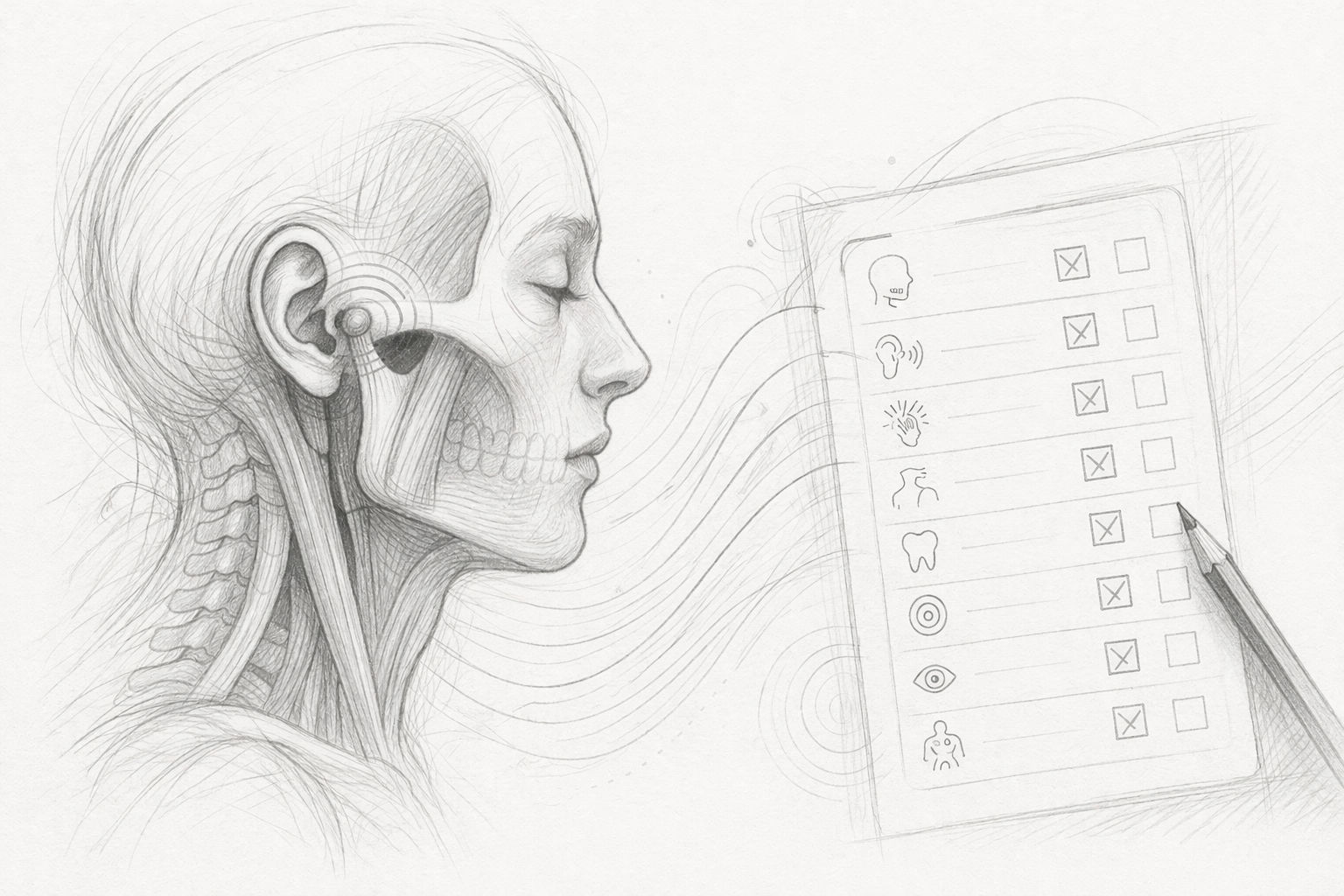
Recognize TMD early and self-test: Why the jaw, neck, head and ears are often connected

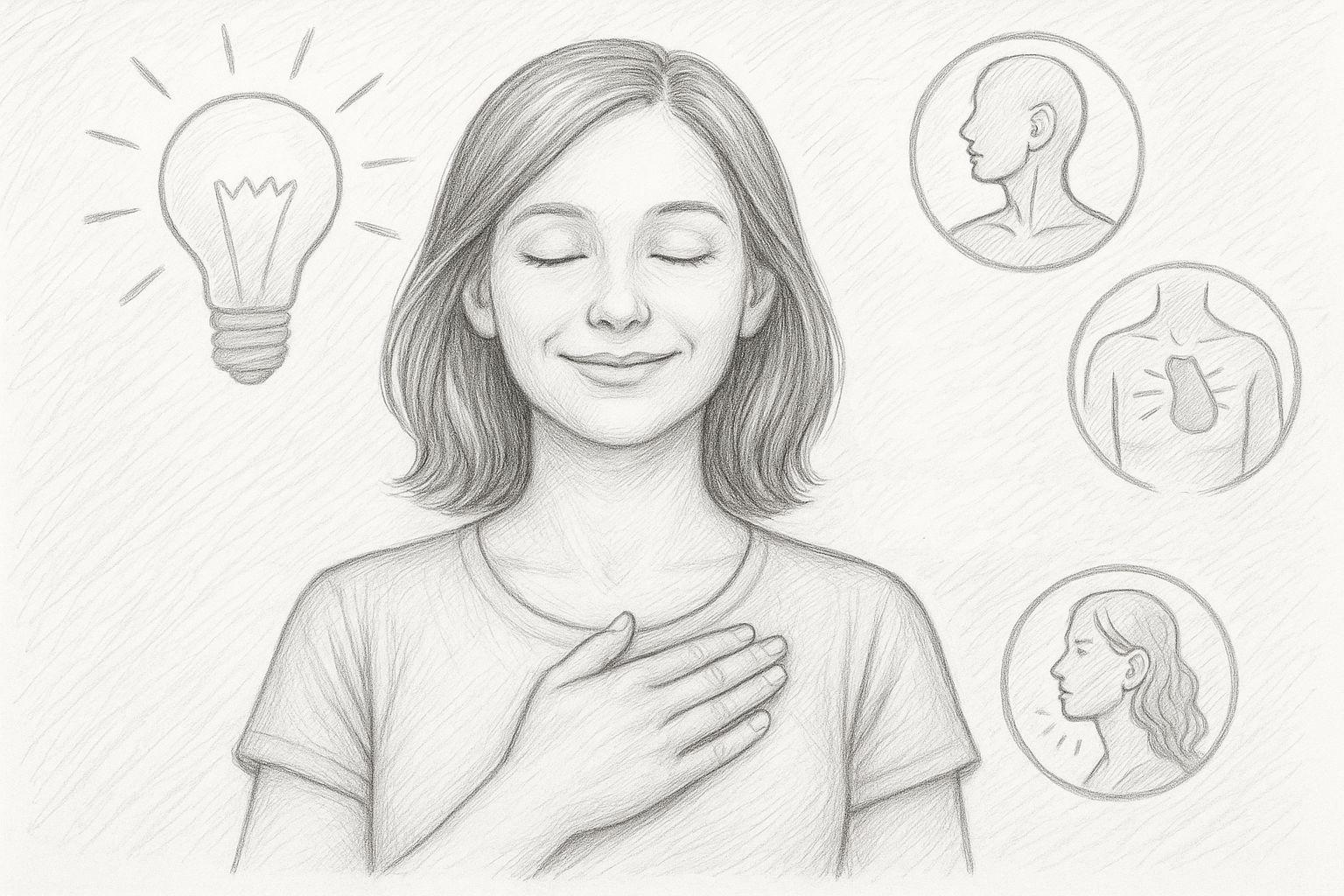
TMD self-test

There are complaints that cannot be classified for a long time. A pulling sensation in the jaw that you initially ignore. A headache that you blame on stress. A slight cracking sound when you open your mouth that eventually becomes a habit. And then suddenly there is neck pain, perhaps a slight feeling of pressure in the ear - all explainable in themselves, but strangely unclear in the overall picture. This is exactly how it starts for many people. You go to the dentist, perhaps later to the orthopaedist or ENT specialist. Everyone looks at their own area, and often nothing clear is found. The complaints remain - sometimes for years.

I have experienced this path myself. And it was only when I was intensively involved with the topic of TMD, particularly when I was setting up a structured self-test, that I realized how many of the typical symptoms I had actually experienced over time. Individual points that seem harmless on their own suddenly form an overall picture. This article is intended to help with exactly that: to make the connections visible. Because the decisive step is often not in the treatment, but in recognizing the pattern.

Read more

Sympathetic nervous system, parasympathetic nervous system and cortisol - how stress controls our body

Cortisol, sympathetic nervous system and stress

Stress is part of life. Without stress, we would probably hardly get out of bed in the morning, avoid challenges and simply not get many things done. For thousands of years, the human body has been designed to be able to react quickly in certain situations: Recognize danger, mobilize energy, act. In such moments, the organism runs at full speed - heart rate, breathing, alertness and muscle tension increase. This state can even be life-saving.

However, stress becomes problematic when it no longer ends. Many people today live in a state that no longer feels like acute stress, but rather like a permanently elevated baseline level. Deadlines, conflicts, a flood of information, constant availability - the body often reacts as if it is constantly in a potentially dangerous situation. However, while our ancestors were able to calm down again after a short period of tension, this phase of real relaxation is often missing today.

Read more

TMD and new dental crowns: How a minimal misalignment affects the body

CMD and new dental crown

It started unspectacularly. No accident, no loud bang, no dramatic moment. An old crown on a lower molar simply crumbled. These things happen at some point. Materials age, stresses add up over the years. I didn't give it much thought at first. It wasn't an emergency, more of a technical problem - something you repair and then tick off.

The appointment with the dentist was appropriately routine. Examination, quick look, factual explanation. The old crown had to come off, underneath it was cleaned, prepared and built up. Nothing out of the ordinary. No long discussions, no complicated decisions. Unfortunately, it soon became apparent that the problem would become bigger and last longer than initially expected.

Read more

Understanding hernias: Why posture and statics are often more crucial than expected

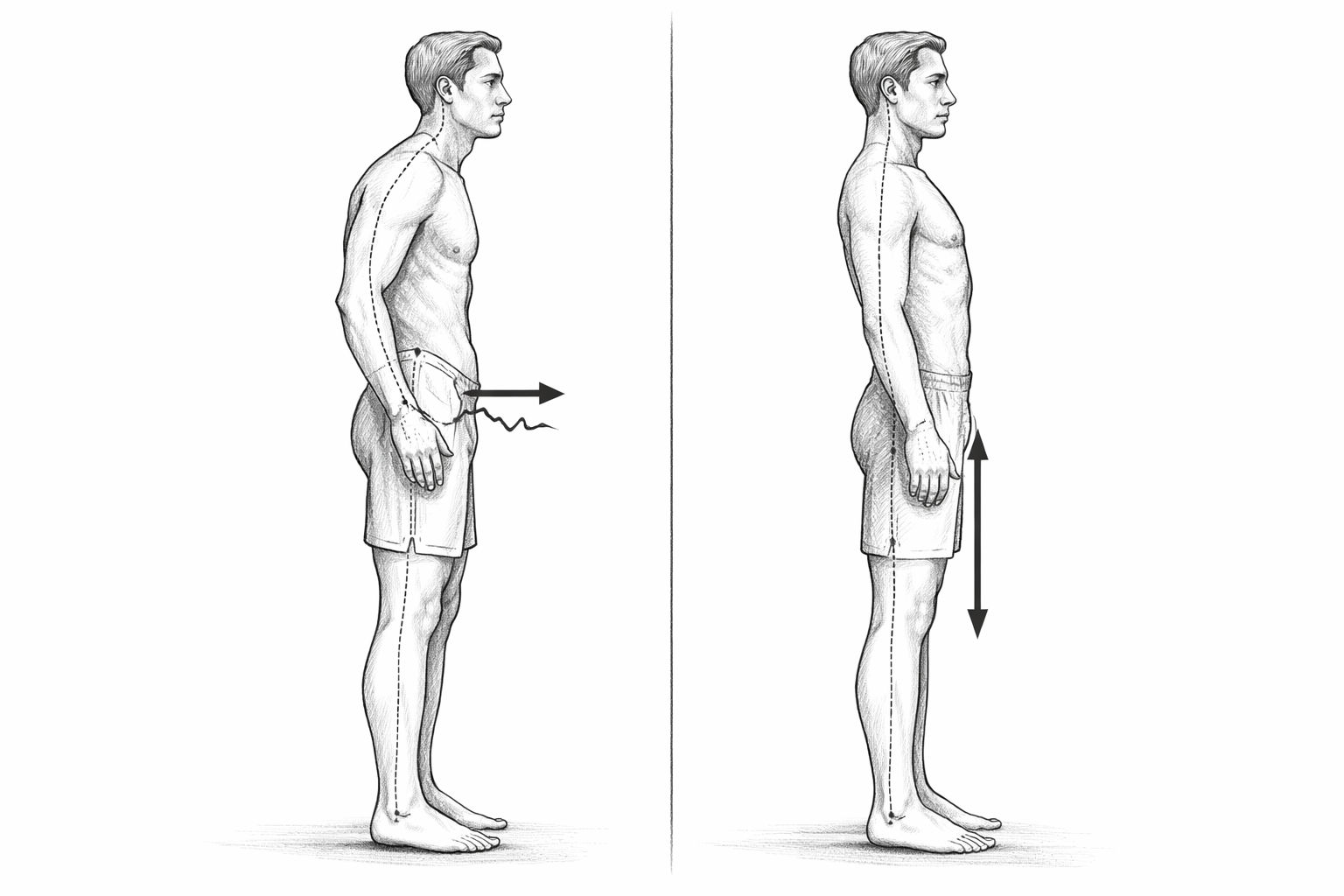
Hernia, posture and tension

I've been dealing with hernias since 2020. Looking back, it didn't start with a dramatic accident, but rather with a moment when the body suddenly sent a clear signal: Something is different. A hernia can announce itself in a surprisingly unspectacular way - until you can no longer ignore it. For me, it came relatively suddenly.

The first operation followed a few months later, but the journey was not „finished“. This is precisely why it is worthwhile to first understand the topic properly - as it is medically intended, and at the same time with a keen eye on the things that often fall by the wayside.

Read more

Multiple chemical sensitivity rethought - nervous system, TMD and functional causes

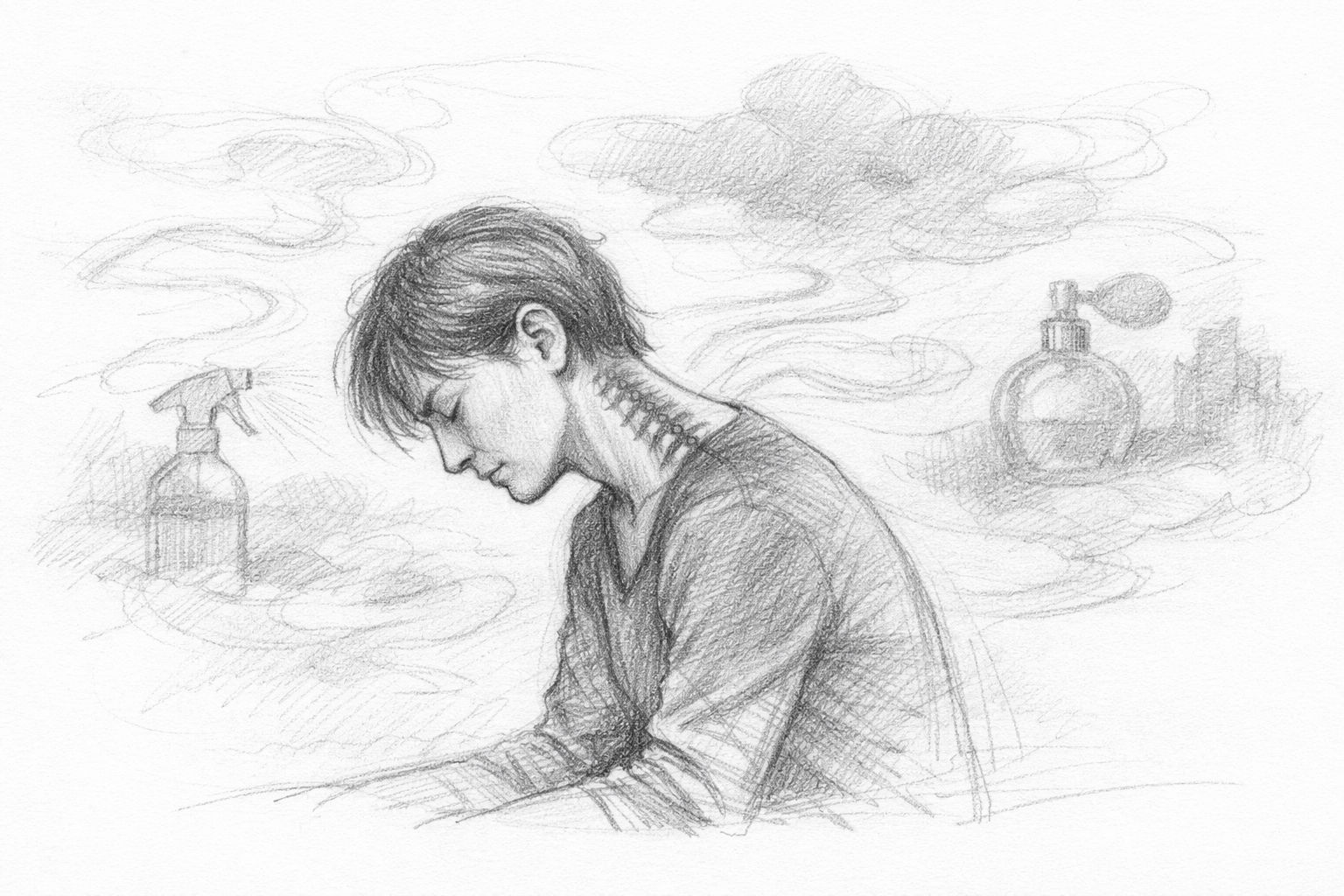
MCS rethought: connection with CMD and poor posture

I am writing this article not as a doctor, not as an environmental health professional and not as an „expert“ in the traditional sense, but from direct experience. I have been dealing with chemical sensitivities myself for about five to six years - sometimes stronger, sometimes weaker, but clearly noticeable over longer periods of time.

Looking back, the whole thing started for me at a time that coincided with a dental procedure: after I had a tooth extracted, I gradually experienced reactions that I had never experienced before. Even then, I suspected that this was possibly not „just“ an environmental problem, but could also be related to the body itself, to stress regulation, perhaps even to the teeth, jaw or the entire system behind it.

Read more

TMD and occlusal splints: A personal experience report with a clear overview

CMD occlusal splints

I have been wearing a Schöttl splint myself for three and a half years - a fixed bite splint in the lower jaw that is regularly reground and is deliberately designed to not only relieve the jaw, but also influence the spine. And that's exactly what it does for me. This splint has helped me to calm my static, relieve tension and develop a completely new body awareness.

During this time, I've realized how little clarity there is out there about the different types of splints. Especially in the online groups, I keep seeing how confusingly this term is used - as if every splint does the same thing. That's why I'd like to bring some order here and explain to you in an understandable way what types of splints there are and why the difference is so important.

Read more

Understanding hemorrhoids: Why posture and statics are often the real causes

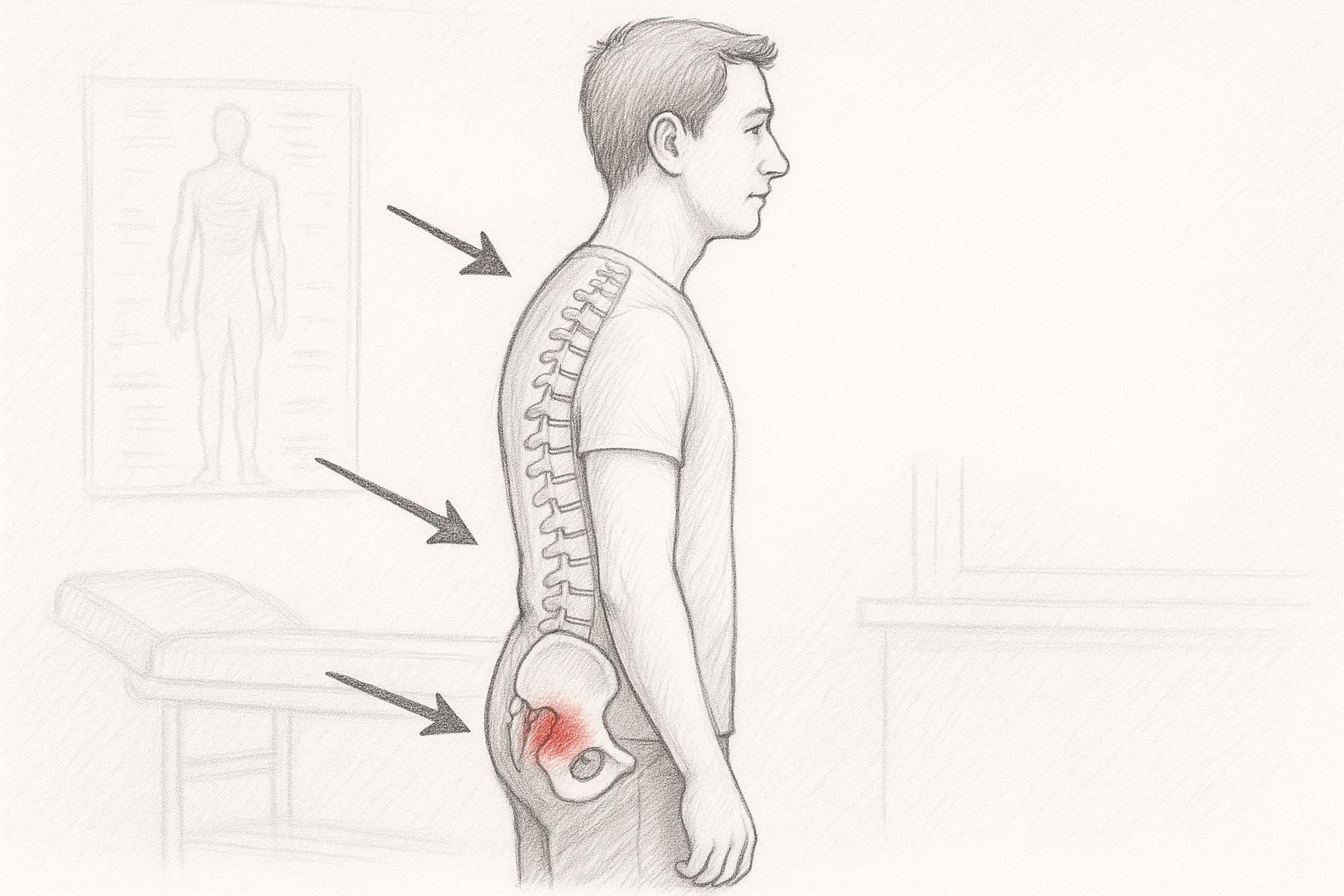
Hemorrhoids and poor posture

Haemorrhoids are one of the most common physical complaints of all - and yet you almost always get the same explanations for them in doctors' surgeries. Fiber, more exercise, drink enough: the standard tips seem like a firmly programmed pattern that has been passed on unchanged for decades. And sure, these tips are not wrong. But they fall short because they only scratch the surface.

This article shows why it is worth looking at hemorrhoids from a different perspective - beyond the usual advice. It aims to make people aware that the real causes are often not located where the symptoms occur, but in the interaction of the entire body statics. Anyone who understands how posture, breathing and muscular tension interact quickly realizes that the solution sometimes lies not in the next ointment prescription, but in the foundation of the body itself.

Read more

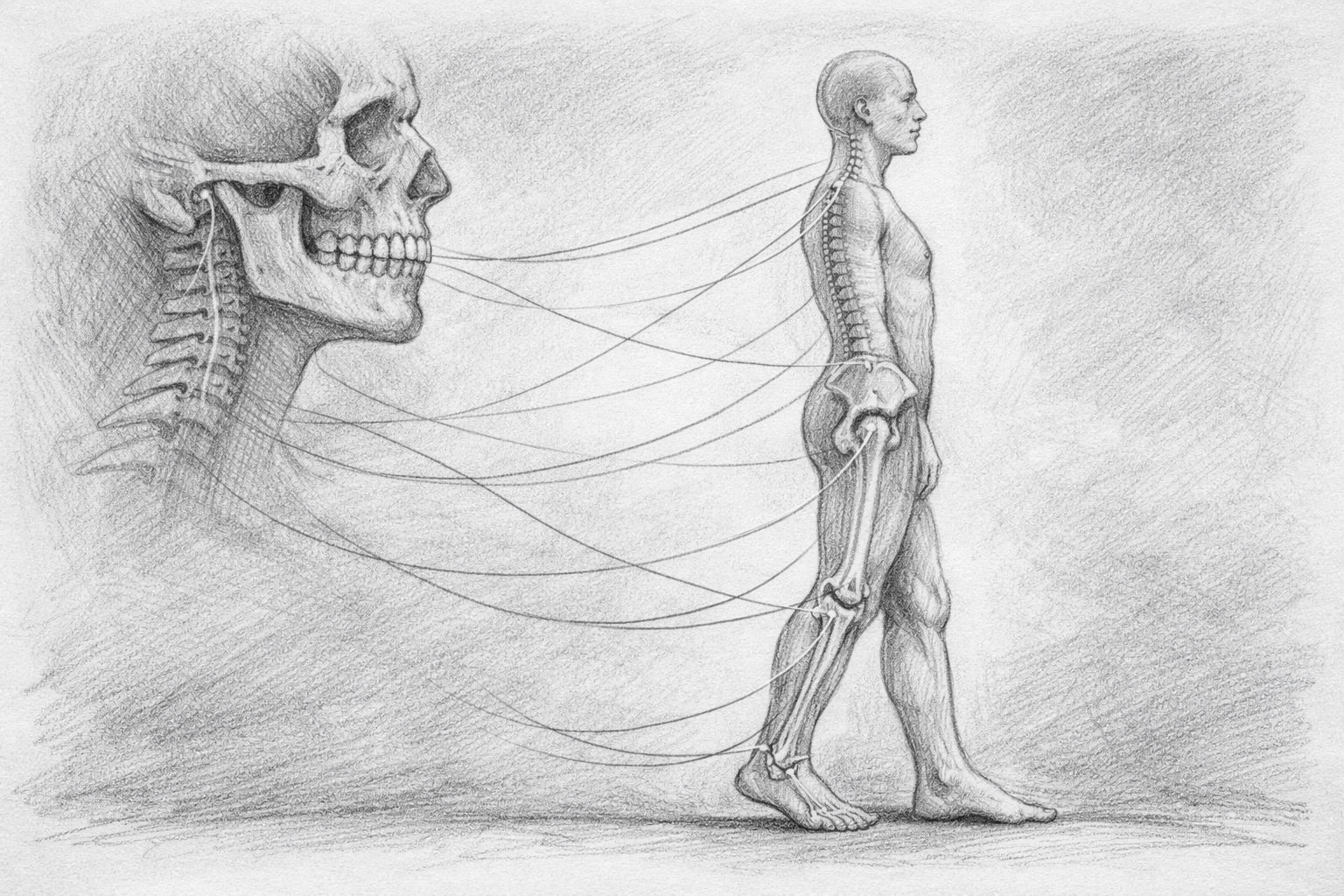
Understanding TMD: Why knowledge is the first step to healing

Understanding CMD is the first step to healing

There are complaints that don't behave like normal symptoms. They appear, disappear, shift - and don't fit into any specialist category. This is exactly where the story behind TMD, craniomandibular dysfunction, begins: not an exotic disease, but a functional disorder in the interaction of the temporomandibular joint, chewing muscles, teeth, neck and throat. What sounds so technical acts like a silent director in the background in everyday life: it pulls here, presses there, makes you tired, makes you nervous - and rarely does the finger point directly at the jaw.

Read more