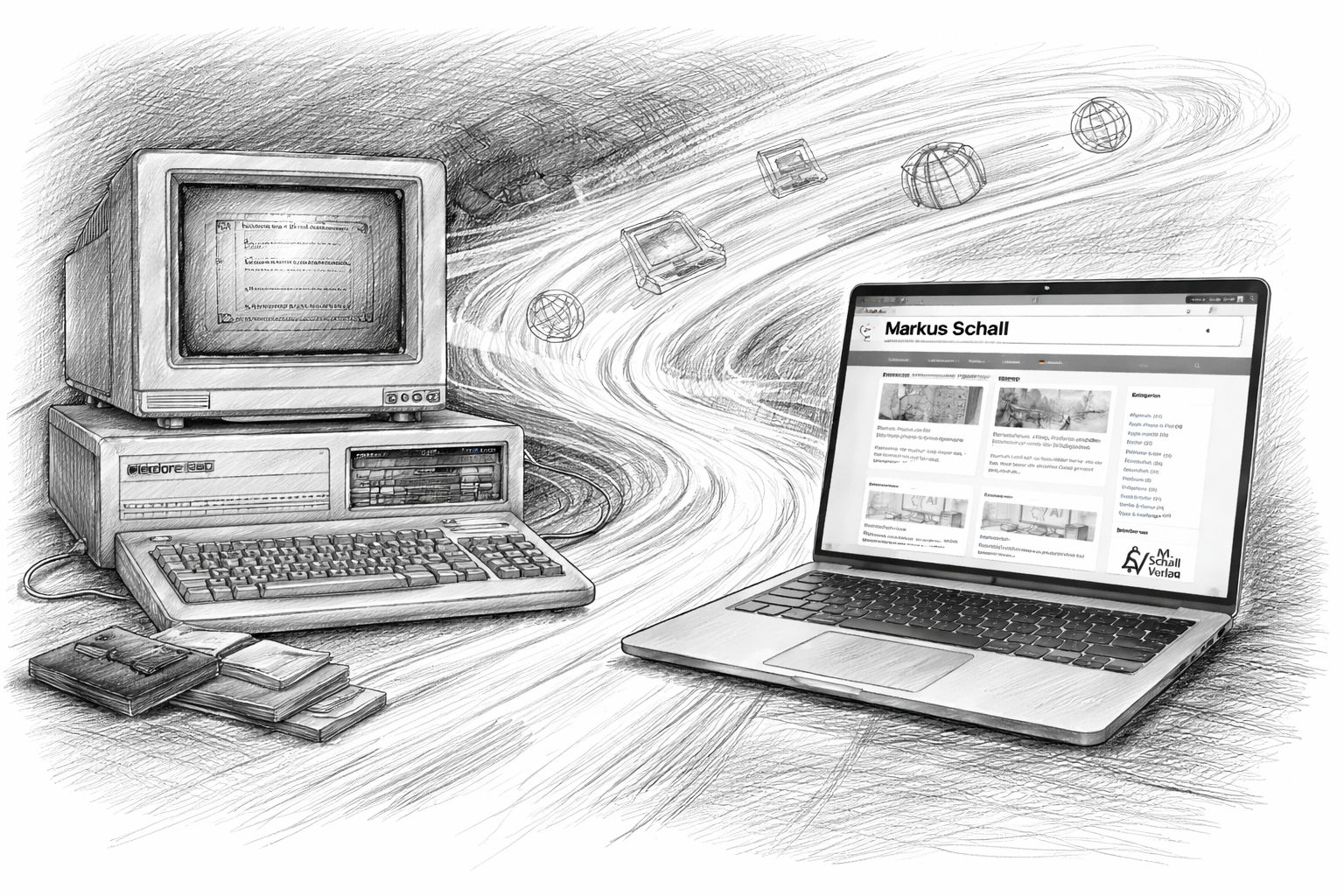
From Commodore C16 to WordPress: A journey through the early years of the internet

From modem to Internet and magazine

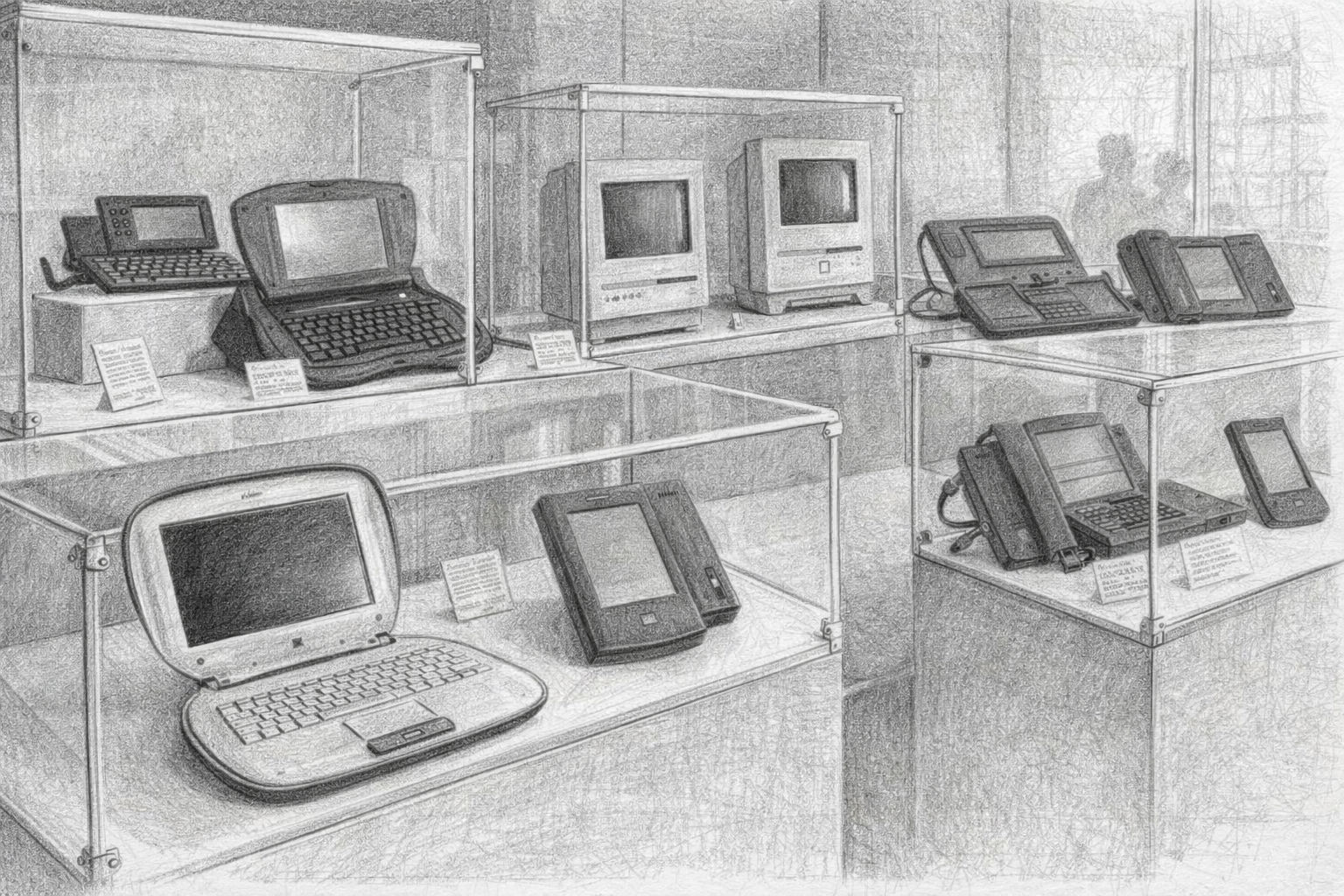
When you pick up a smartphone today, it contains more computing power than entire computer rooms used to. In the 1980s, things were completely different. Computers were rare, expensive and, for many people, a mysterious machine. Back then, if you had your own home computer, you belonged to a small group of tinkerers, inventors and curious people. The exciting thing was that you didn't just consume computers. You had to understand them. Many programs were not available to buy ready-made. Instead, computer magazines contained pages of listings with BASIC code that you had to type out line by line. Only then could you see whether the program worked at all.

That sounds tedious today, but it had one big advantage. You automatically learned how computers work. If you made a mistake, you immediately got an error message - and had to find out for yourself where the error was. In this way, many young computer fans developed a very natural approach to technology and programming.

It was at this time that I began my own journey into the world of computers.

Read more

When I was on the phone with a robot - how AI is conquering the phone and how to recognize it

Phone call with an AI robot

There are moments in everyday life that seem completely banal at first. You're sitting at your desk, working on an article, thinking about a new topic - and suddenly the phone rings. A number you don't recognize. In my case, it was an area code from the Ruhr region: 0233 something. As a self-employed person, you occasionally get calls like that. It's usually about advertising, services or advice that you don't actually need.

So I initially answered the call as normal. A friendly female voice answered on the other end. She introduced herself as an employee who works with Facebook and Instagram. Unsurprisingly, it was about advertising. About ads. About reach. Visibility for companies.

Read more

Learning to think dialogically with AI: Why good questions are more important than good models

Learning to think dialogically with AI

The term „AI as a sparring partner“ now appears frequently. It usually means that an AI helps with writing, generates ideas or completes tasks faster. A first basic article on this has already been published in the magazine. This article now aims to show in reality how AI can be used as an effective thinking partner. In practice, it is clear that AI only becomes really interesting when it is not treated as a tool, but as a counterpart. Not in the human sense, but as something that answers, contradicts, leads on - or even mercilessly reveals where your own thinking is flawed.

This is exactly where the real benefit begins. Not where the AI „delivers“, but where it reacts. Where it does not simply process, but makes thought processes visible. This is more inconvenient than a classic tool - but also more sustainable.

Read more

How animals perceive time - and what this means for the future of AI

Animals, AI and time perception

A cat is lying on the carpet. It does not move. It may blink briefly, turn an ear, sigh inwardly at the impositions of existence - and nothing else happens. The human looks at it and thinks: „Typical. Lazy cattle“. But what if the exact opposite is true? What if the cat is not too slow - but we are? This article was written after I watched a video by Gerd Ganteför on this topic and found it so interesting that I would like to present it here.

Humans have been observing animals for centuries and always come to the same wrong conclusions. We interpret their behavior with our speed, our perception, our inner clock. And this clock is, soberly considered, more of a cozy wall calendar than a high-speed processor. Perhaps the cat only seems so disinterested because its environment feels about as dynamic to it as a queue of officials on a Friday afternoon.

Read more

When the Mac listens: What Apple's integrated AI with Gemini and Siri will mean for users in the future

Apple, Siri and Gemini

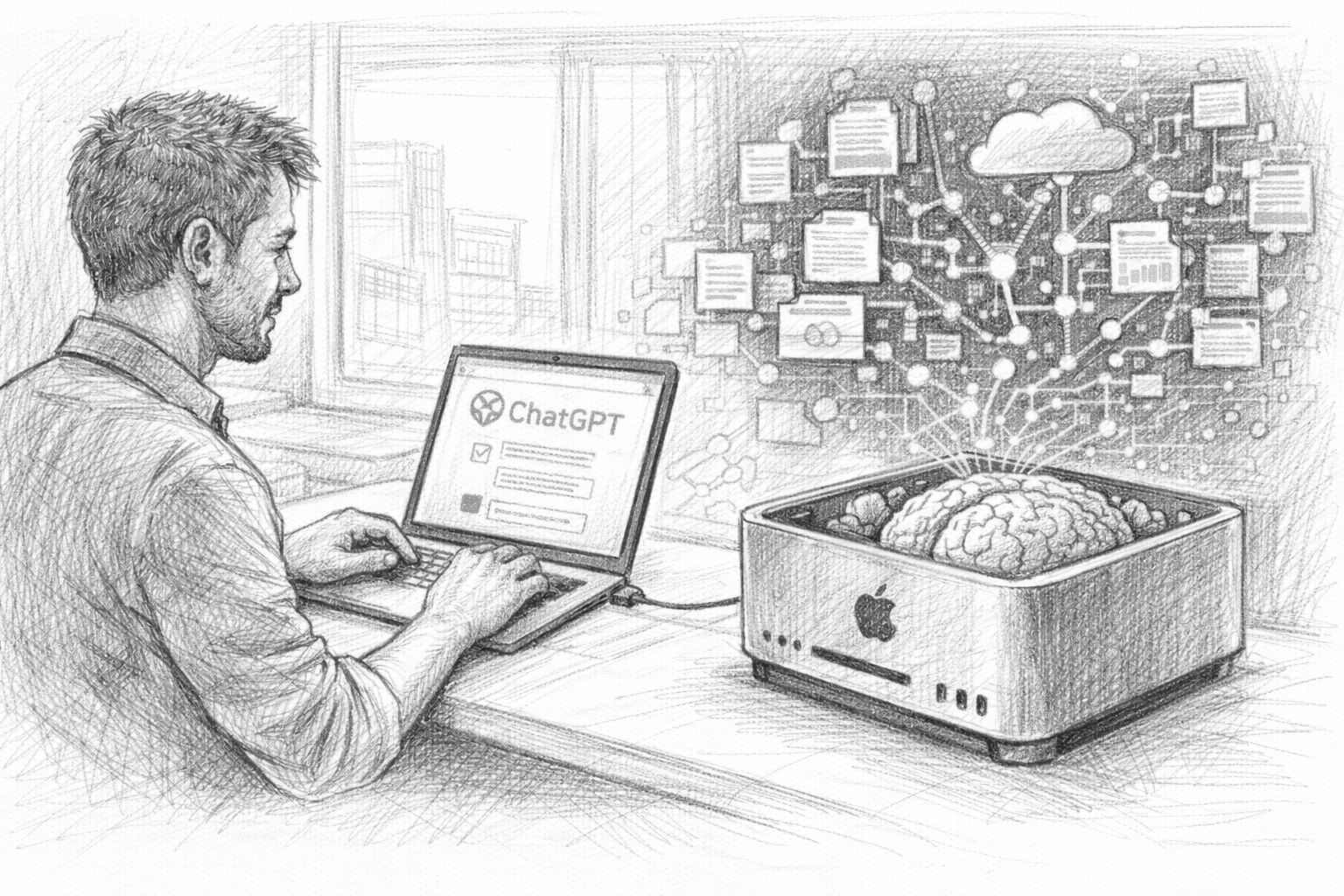
When you open a Mac today, you expect reliability. Programs start, files are in their place, processes are well practiced. Many have built up a way of working over years - some over decades - that works. You know where to click. You know your tools. And this is precisely where the quiet comfort lies. But for some time now, a change has been brewing in the background that is bigger than new colors, new icons or additional menu items. For the first time, a form of artificial intelligence is moving in not just as a single application, but closer to the heart of the operating system itself. Where daily routines are created.

That sounds abstract at first. Perhaps even a little futuristic. But basically it's about something very down-to-earth: the computer should better understand what is meant. Not just what is clicked on. Many people have so far experienced AI outside of their actual work. In chat windows, on websites, as an experiment or a gimmick. You try something out, perhaps be amazed, close the window again - and return to your normal everyday life.

Read more

Digital ownership explained - How sustainable online assets are created

What is digital property

For centuries, property was something very tangible. You could touch it, walk on it or hold it in your hand. A house, a piece of land, a workshop, books on a shelf or tools in a drawer - these were all things that could be clearly assigned. They belonged to someone, were visibly present and generally remained so even when political, economic or social circumstances changed.

This article explains what digital property is, what forms it takes and how digital property can be created, especially in today's AI age.

Read more

Artificial intelligence and energy: what the AI boom really costs

AI, energy and sustainability

At first glance, artificial intelligence seems almost weightless. You type in a question and an answer appears seconds later. No noise, no smoke, no visible movement. Everything seems to happen „in the cloud“. This is precisely the error in thinking. AI is not abstract magic, but the result of very concrete, physical processes. Behind every answer are data centers, power lines, cooling systems, chips and entire infrastructures. The more AI enters our everyday lives, the more visible this reality becomes. And this is where the question of sustainability begins.

Anyone who talks about AI without talking about energy, resources and infrastructure is only describing the surface. This article goes deeper. Not with alarmism, but with a sober look at what AI actually needs to function - today and in the future.

Read more

Artificial intelligence without the hype: why fewer AI tools often mean better work

Artificial intelligence without the hype

Anyone who deals with the topic of artificial intelligence today almost inevitably encounters a strange feeling: constant restlessness. No sooner have you got used to one tool than the next ten appear. One video follows the next on YouTube: „This AI tool changes everything“, „You absolutely have to use this now“, „Those who miss out are left behind“. And every time, the same message resonates subliminally: You're too late. The others are further ahead. You have to catch up.

This doesn't just affect IT people. Self-employed people, creative professionals, entrepreneurs and ordinary employees are also feeling the pressure. Many don't even know exactly what these tools actually do - but they have the feeling that they could be missing out on something. And that's exactly what creates stress.

Read more