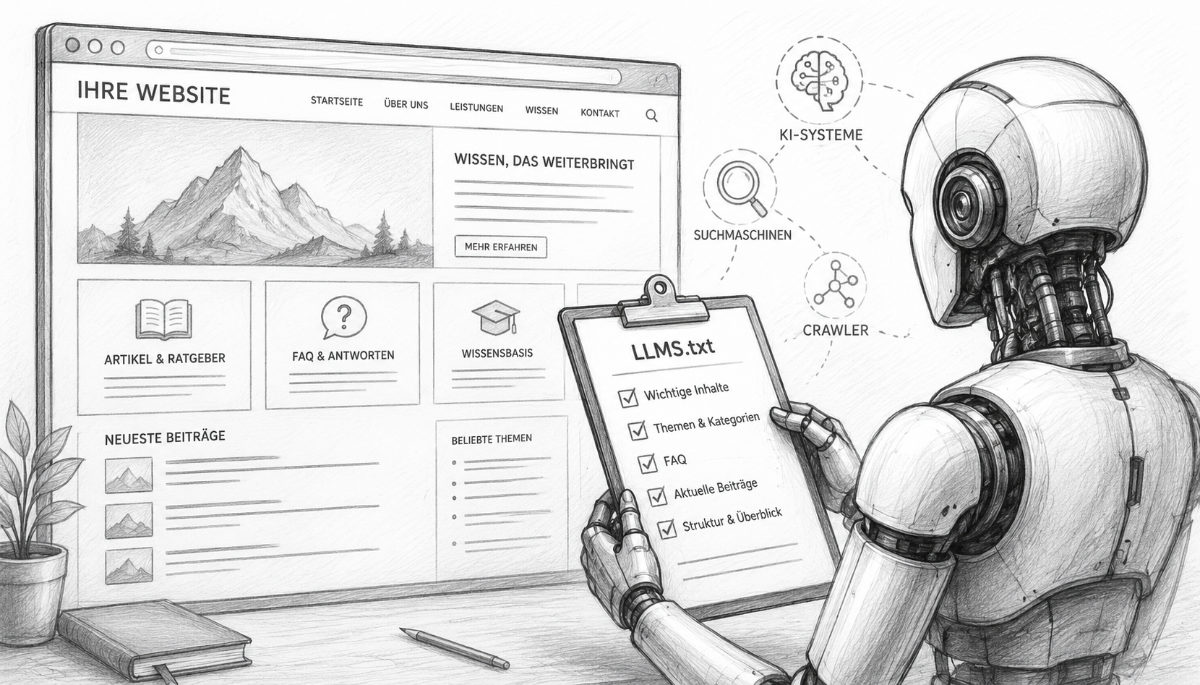
From content to substance: how digital systems are created that cannot be copied

System instead of individual content

When you move around in the digital space today, you very quickly get a certain impression: if you are visible, you are successful. If you have reach, you have influence. And if you produce a lot of content, you automatically build up something. This equation seems plausible at first glance - but it is deceptive. Because visibility is not ownership. Reach is not ownership. And content is by no means a foundation.

A post can be read thousands of times and yet practically disappear after a few days. A social media post can go viral - and at the same time have no lasting effect. Even well-placed content in search engines is not automatically stable. They depend on algorithms, platform rules and developments that you have no control over.

Read more

Guided in everyday life - How modern sales tricks control our behavior

Sales tricks in the supermarket and online

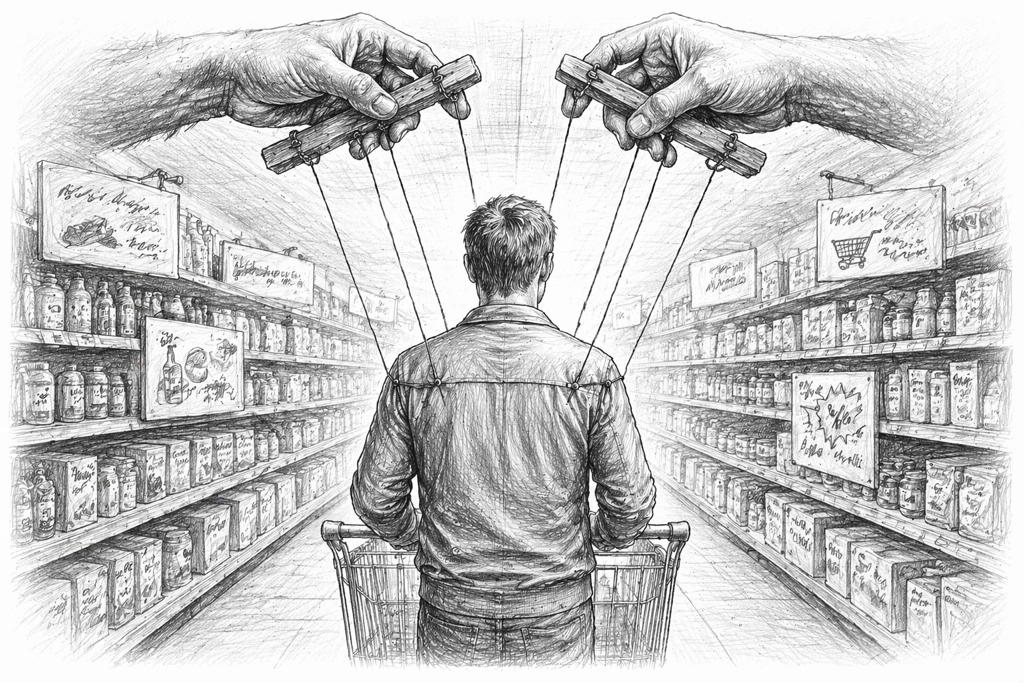
It's often the little things that make you wonder. No big events, no loud break - rather a quiet moment when you stop and ask yourself: wasn't it different before? I recently had such a moment in the supermarket. A store I've known for many years. One of those places where you don't have to think. You know where things are. Milk at the back on the right, bread at the front on the left, the usual routes in between. It's a quiet form of reliability that you hardly notice in everyday life - as long as it's there.

But this time something was different. I was searching. Not for long, but longer than usual. The milk was no longer where it always was. A few steps further, then back again. Finally I found it - but the thought remained. Why? At first it seems banal. A shelf is rearranged, a product is moved. That happens. But when such moments accumulate, the whole thing loses its random character. It creates an impression that is difficult to grasp, but is nevertheless tangible: something is being changed here - not for me, but with me.

Read more

Recognize TMD early and self-test: Why the jaw, neck, head and ears are often connected

TMD self-test

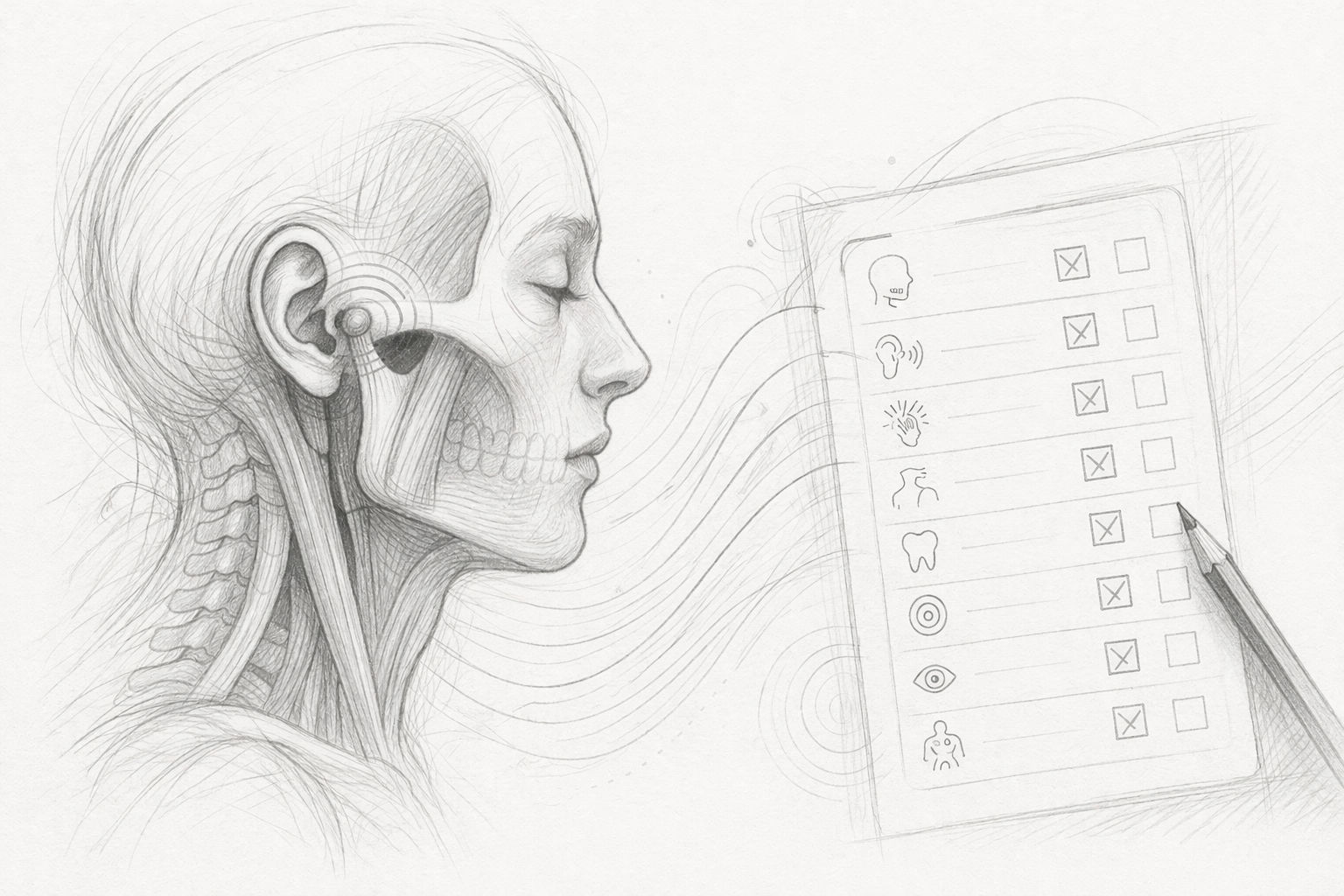
There are complaints that cannot be classified for a long time. A pulling sensation in the jaw that you initially ignore. A headache that you blame on stress. A slight cracking sound when you open your mouth that eventually becomes a habit. And then suddenly there is neck pain, perhaps a slight feeling of pressure in the ear - all explainable in themselves, but strangely unclear in the overall picture. This is exactly how it starts for many people. You go to the dentist, perhaps later to the orthopaedist or ENT specialist. Everyone looks at their own area, and often nothing clear is found. The complaints remain - sometimes for years.

I have experienced this path myself. And it was only when I was intensively involved with the topic of TMD, particularly when I was setting up a structured self-test, that I realized how many of the typical symptoms I had actually experienced over time. Individual points that seem harmless on their own suddenly form an overall picture. This article is intended to help with exactly that: to make the connections visible. Because the decisive step is often not in the treatment, but in recognizing the pattern.

Read more

Sympathetic nervous system, parasympathetic nervous system and cortisol - how stress controls our body

Cortisol, sympathetic nervous system and stress

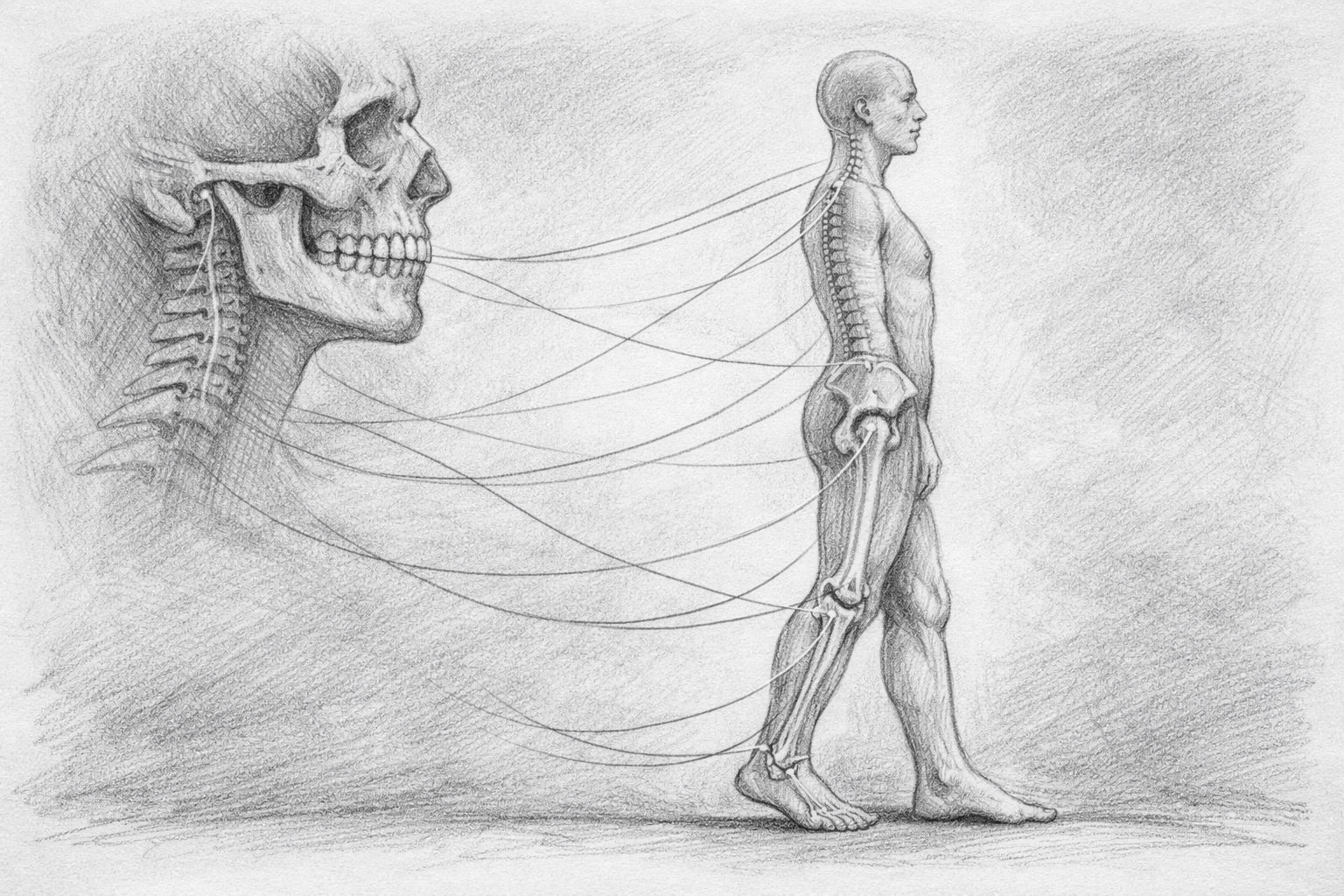
Stress is part of life. Without stress, we would probably hardly get out of bed in the morning, avoid challenges and simply not get many things done. For thousands of years, the human body has been designed to be able to react quickly in certain situations: Recognize danger, mobilize energy, act. In such moments, the organism runs at full speed - heart rate, breathing, alertness and muscle tension increase. This state can even be life-saving.

However, stress becomes problematic when it no longer ends. Many people today live in a state that no longer feels like acute stress, but rather like a permanently elevated baseline level. Deadlines, conflicts, a flood of information, constant availability - the body often reacts as if it is constantly in a potentially dangerous situation. However, while our ancestors were able to calm down again after a short period of tension, this phase of real relaxation is often missing today.

Read more

TMD and new dental crowns: How a minimal misalignment affects the body

CMD and new dental crown

It started unspectacularly. No accident, no loud bang, no dramatic moment. An old crown on a lower molar simply crumbled. These things happen at some point. Materials age, stresses add up over the years. I didn't give it much thought at first. It wasn't an emergency, more of a technical problem - something you repair and then tick off.

The appointment with the dentist was appropriately routine. Examination, quick look, factual explanation. The old crown had to come off, underneath it was cleaned, prepared and built up. Nothing out of the ordinary. No long discussions, no complicated decisions. Unfortunately, it soon became apparent that the problem would become bigger and last longer than initially expected.

Read more

Learning to think dialogically with AI: Why good questions are more important than good models

Learning to think dialogically with AI

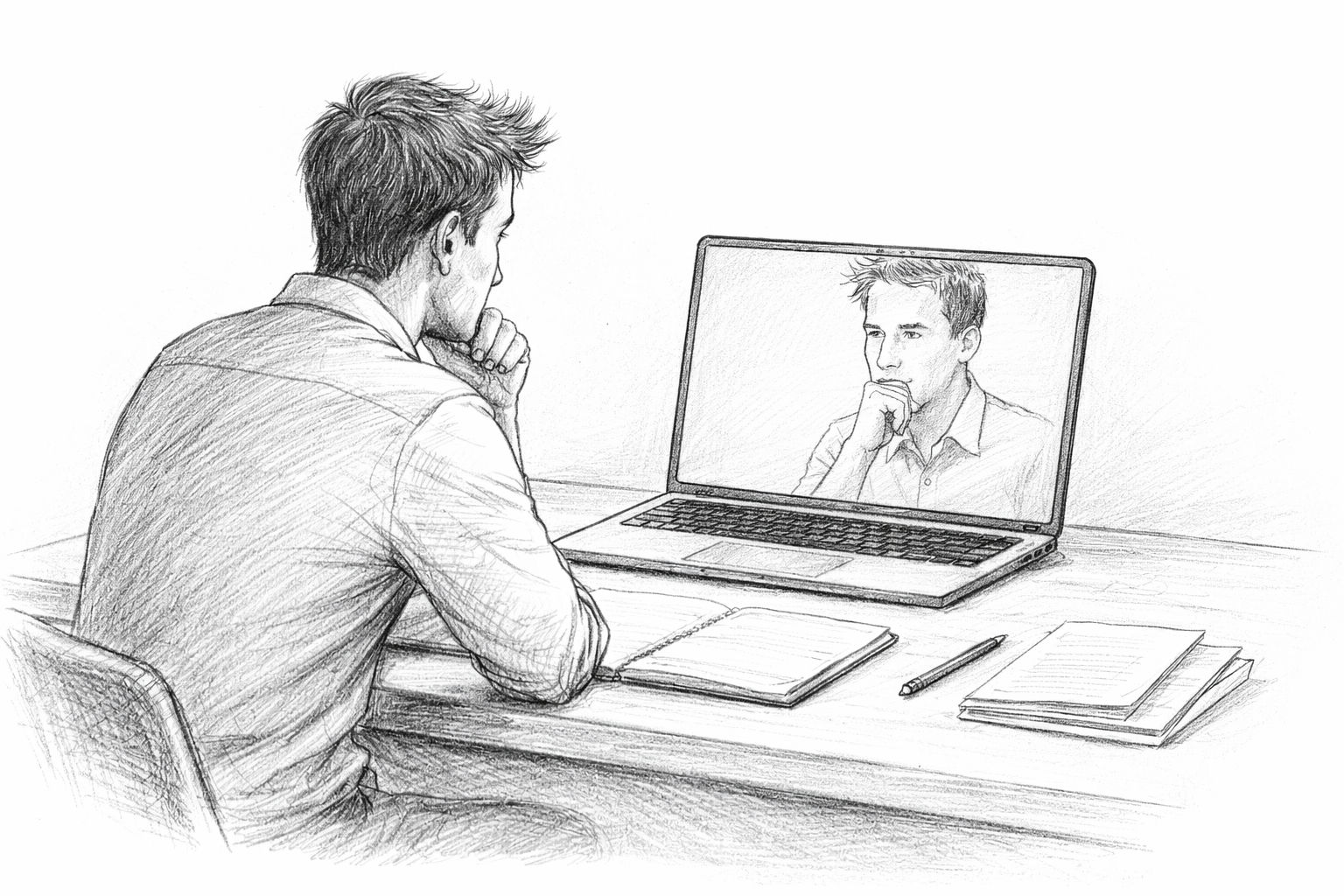
The term „AI as a sparring partner“ now appears frequently. It usually means that an AI helps with writing, generates ideas or completes tasks faster. A first basic article on this has already been published in the magazine. This article now aims to show in reality how AI can be used as an effective thinking partner. In practice, it is clear that AI only becomes really interesting when it is not treated as a tool, but as a counterpart. Not in the human sense, but as something that answers, contradicts, leads on - or even mercilessly reveals where your own thinking is flawed.

This is exactly where the real benefit begins. Not where the AI „delivers“, but where it reacts. Where it does not simply process, but makes thought processes visible. This is more inconvenient than a classic tool - but also more sustainable.

Read more

Declining gas storage in Germany: technology, limits and political consequences

Gas storage in Germany

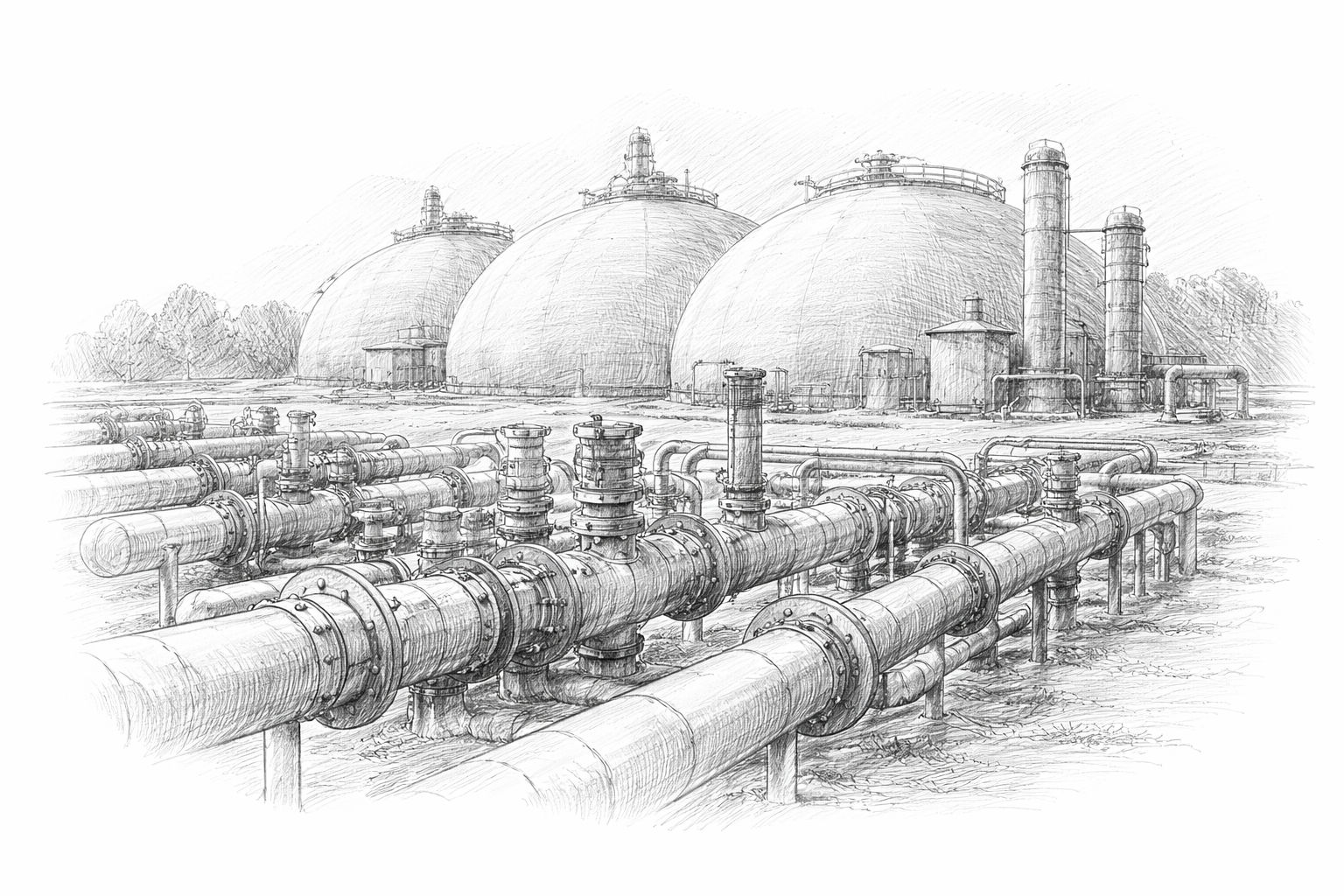
When the news reports about „40 percent filling level of the gas storage facilities“ When we talk about percentages, it sounds abstract at first. Percentages seem technical, far removed from everyday life. And yet there is something very concrete behind it: the question of how stable our energy supply really is - not in theory, but in everyday practice.

Gas is not only used for industrial plants or power stations in Germany. It heats homes, supplies hot water, drives district heating networks and is still the central backbone of the energy supply in many regions. Unlike electricity, however, gas cannot be produced at will „at the push of a button“. It has to be extracted, transported - and above all stored.

This is where the gas storage facilities come into play. They are like the country's store cupboard. As long as it is well filled, hardly anyone gives it a second thought. If it becomes visibly empty, questions arise: Will it last? For how long? And what happens if things continue to go downhill?

Read more

Why distance is not a retreat - and how a freeze-out creates orientation

Freezeout - distance in crises

When you are in the middle of a crisis, everything seems urgent. You have the feeling that you have to act immediately, speak immediately, decide immediately. And there is often a second feeling on top of that: If you don't keep at it now, everything will slip away. That's understandable. It's also human. But this is exactly where the mistake often begins.

Because closeness is not automatically clarity. Proximity can also mean that you are too close to see what is really happening. Just like you can't recognize a painting if your nose is stuck to the canvas. You then only see individual brushstrokes - and think they are the whole painting.

A freeze-out, properly understood, is nothing more than a step back. Not to run away, but to be able to see again.

Read more