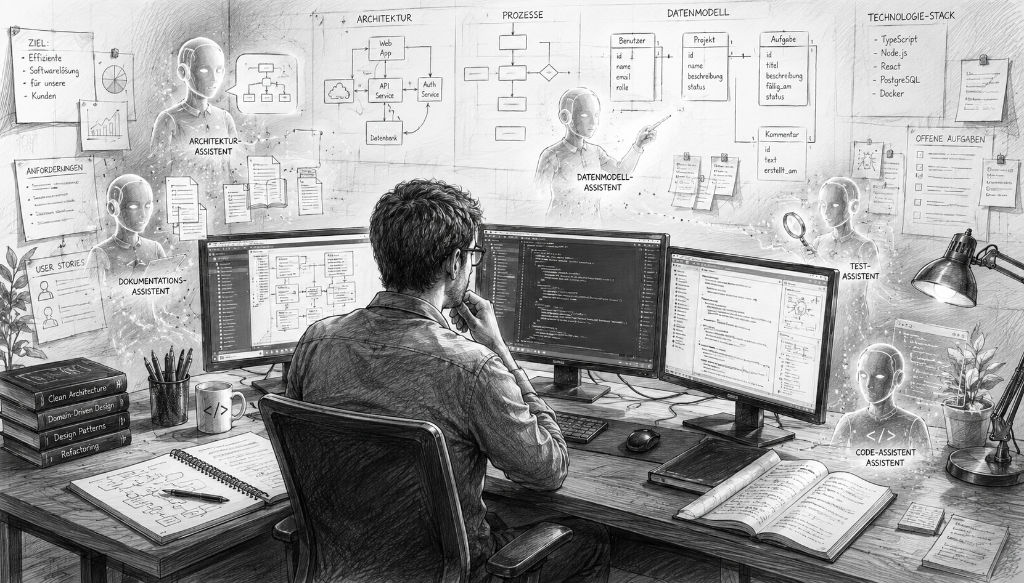
From content to substance: how digital systems are created that cannot be copied

System instead of individual content

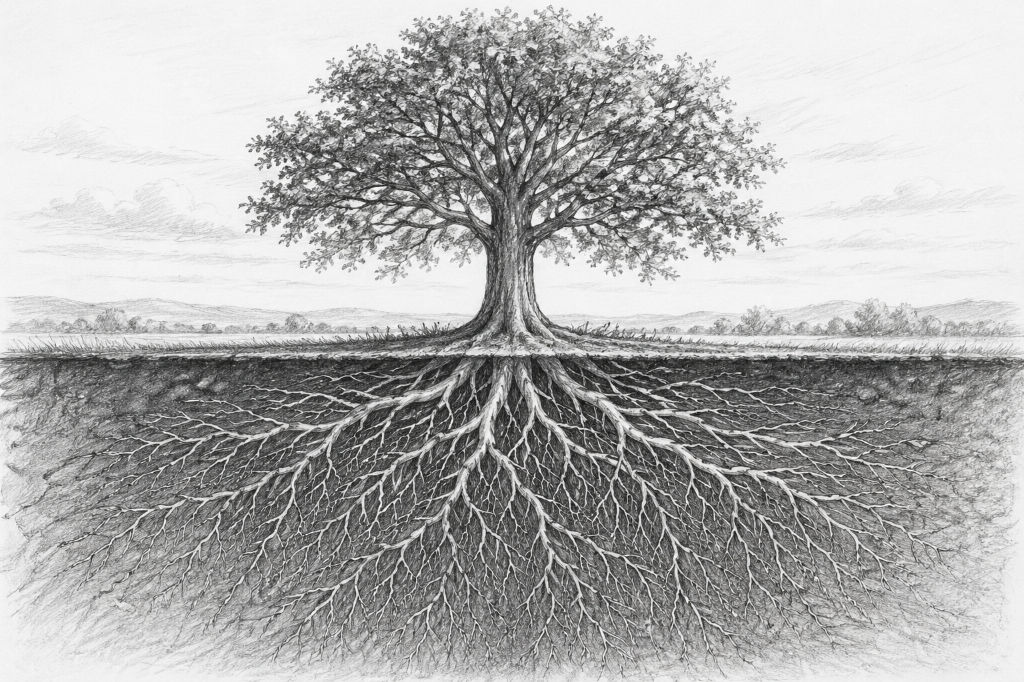
When you move around in the digital space today, you very quickly get a certain impression: if you are visible, you are successful. If you have reach, you have influence. And if you produce a lot of content, you automatically build up something. This equation seems plausible at first glance - but it is deceptive. Because visibility is not ownership. Reach is not ownership. And content is by no means a foundation.

A post can be read thousands of times and yet practically disappear after a few days. A social media post can go viral - and at the same time have no lasting effect. Even well-placed content in search engines is not automatically stable. They depend on algorithms, platform rules and developments that you have no control over.

Read more

From ChatGPT data export to your own knowledge AI: step-by-step with Ollama and Qdrant

The path to your own AI memory

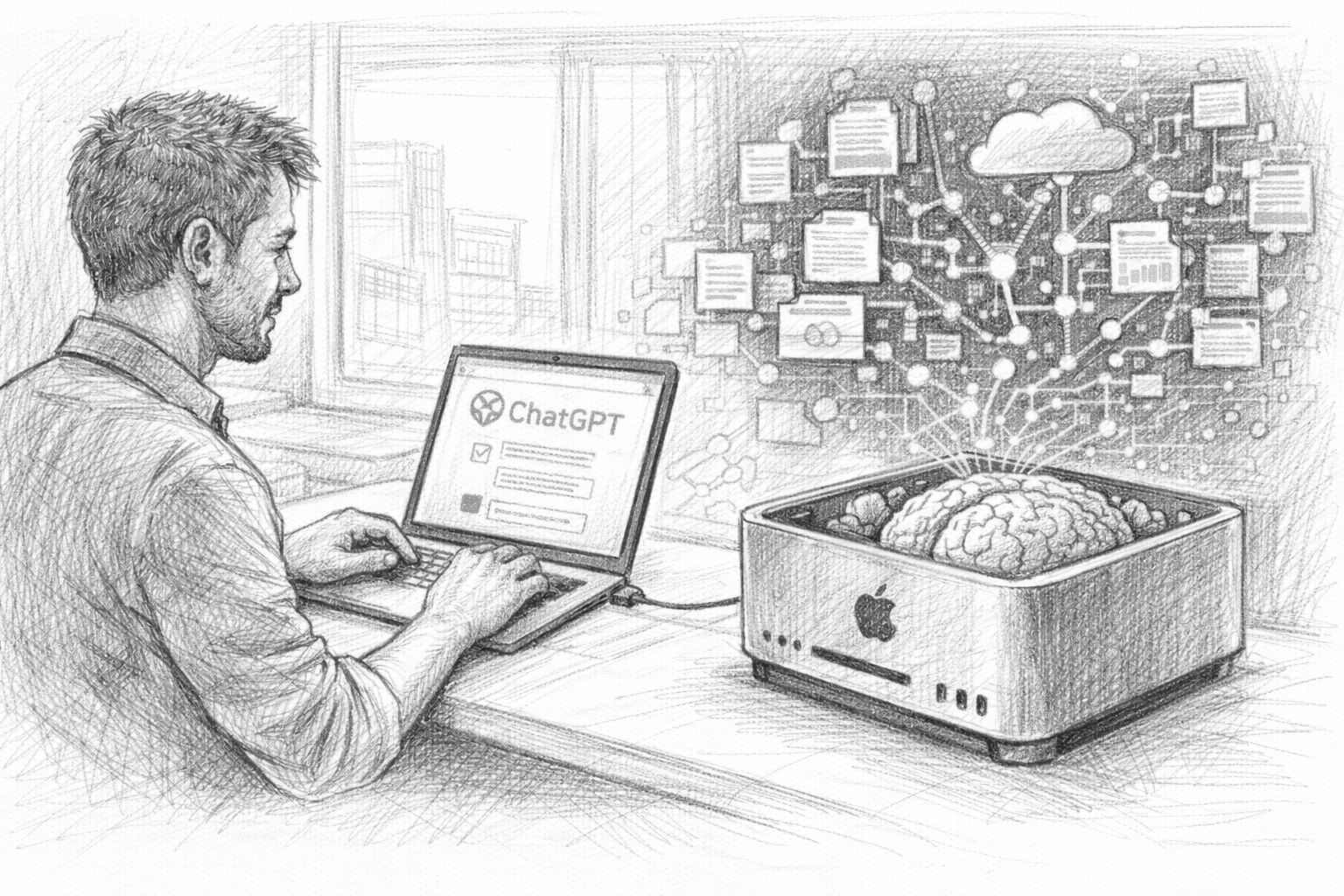
In the first part of this article series, we saw that the ChatGPT data export is much more than just a technical function. Your exported data contains a collection of thoughts, ideas, analyses and conversations that have accumulated over a long period of time. But as long as this data is only stored as an archive on your hard disk, it remains just that: an archive. The crucial step is to make this information usable again. This is exactly where the development of a personal knowledge AI begins.

The idea is actually surprisingly simple: an AI should not only work with general knowledge, but also be able to access your own data. It should search through previous conversations, find suitable content and incorporate this into new answers. This turns an ordinary AI into a kind of digital memory. This is the second part of the article series, which now looks at the practical aspects.

Read more

ChatGPT data export explained: How your AI chats become a personal knowledge system

ChatGPT data export

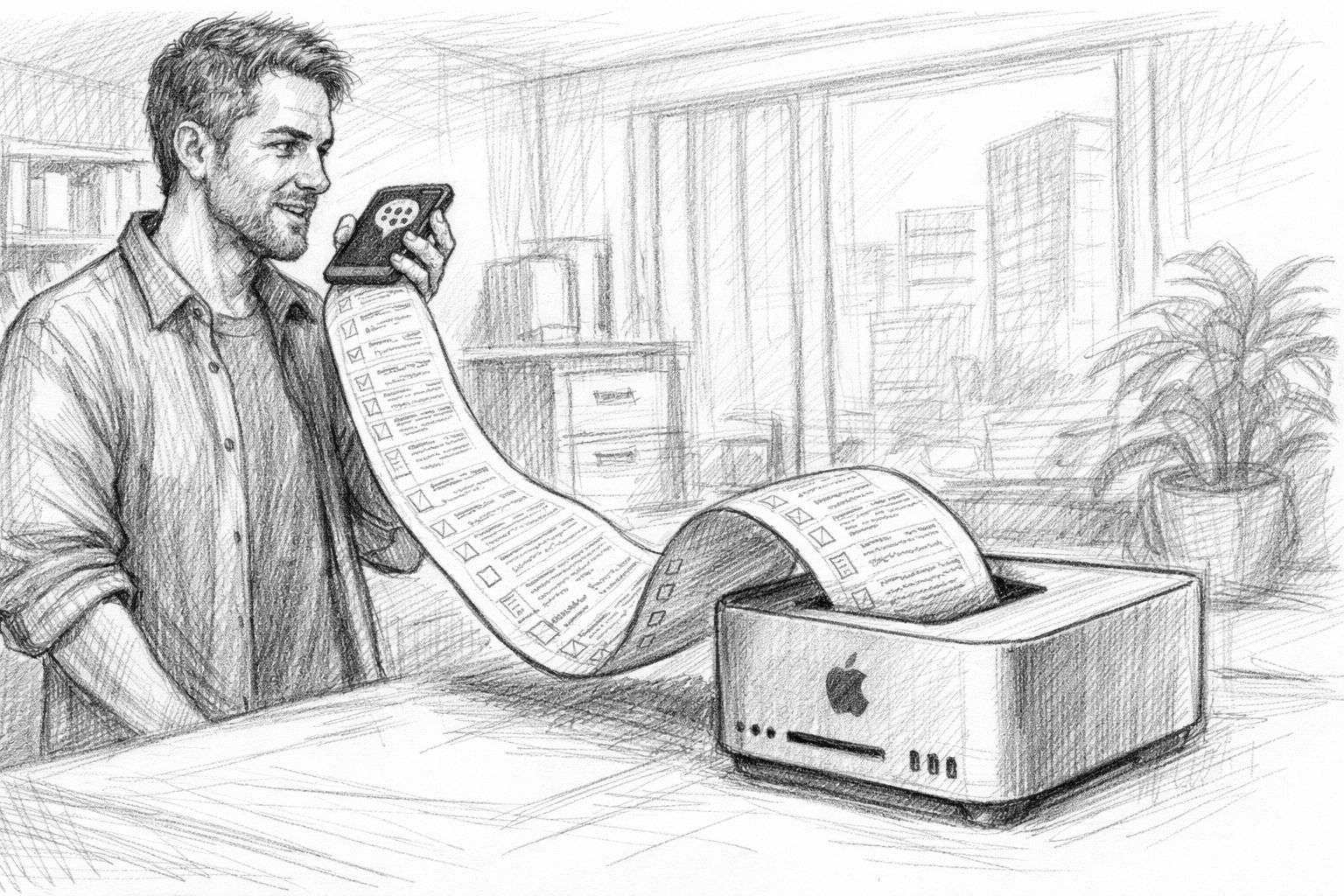
If you regularly work with an AI, then you probably know this: one thought leads to the next. You ask a question, get an answer, reformulate, develop an idea further. A short question suddenly turns into a longer dialog. Sometimes it even leads to entire projects.

But most of these conversations disappear again. They lie somewhere in the chat list, slide down and are forgotten over time. This is precisely one of the great features of modern AI systems: While previous conversations with colleagues, friends or advisors only existed in our memories, AI dialogs are completely preserved.

This means something crucial: With every conversation, a digital archive of your thinking is created. This is the first part of a small series of articles that will allow you to export your chat history from ChatGPT and use it effectively as a personal treasure trove of knowledge with your local AI system.

Read more

From Commodore C16 to WordPress: A journey through the early years of the internet

From modem to Internet and magazine

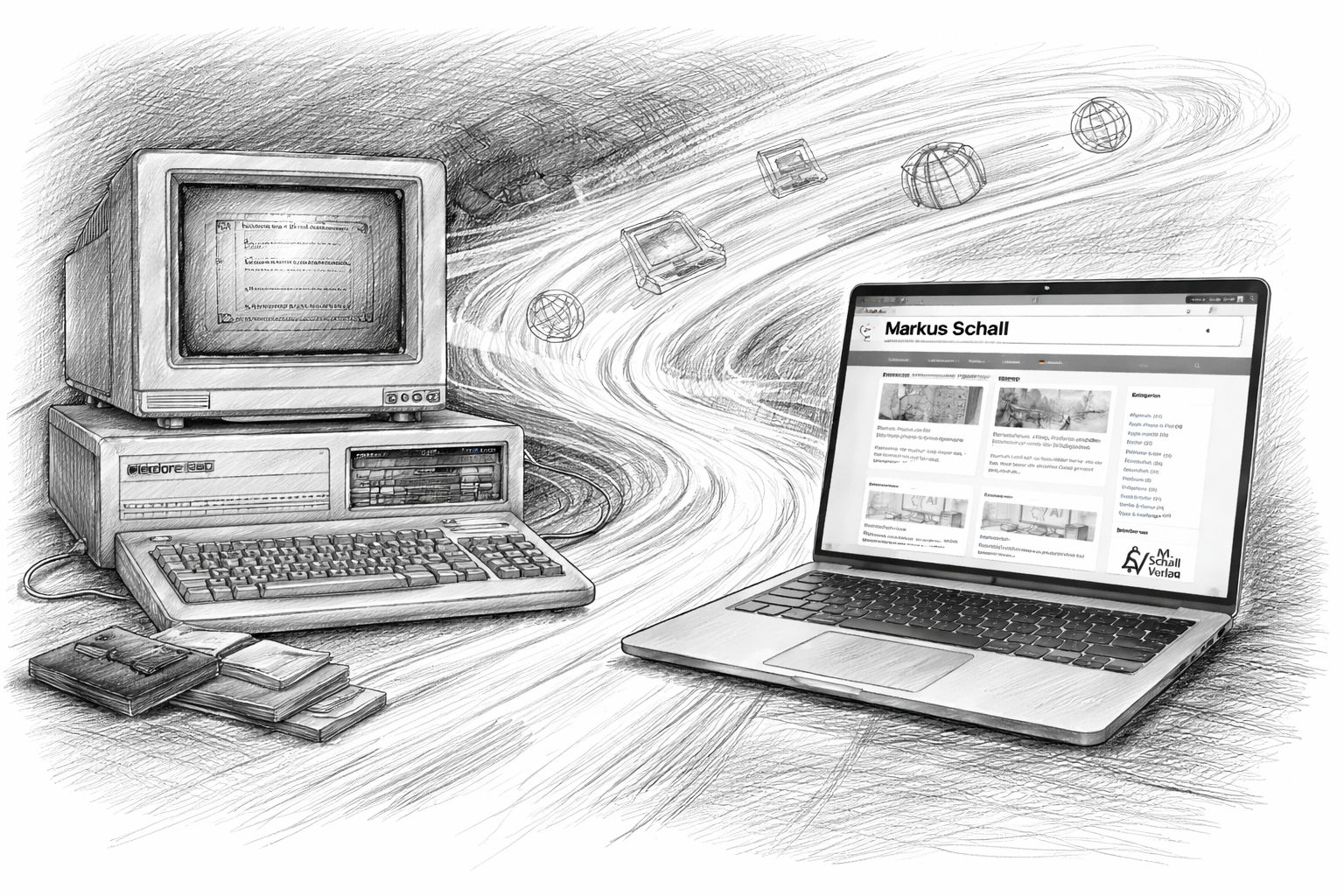
When you pick up a smartphone today, it contains more computing power than entire computer rooms used to. In the 1980s, things were completely different. Computers were rare, expensive and, for many people, a mysterious machine. Back then, if you had your own home computer, you belonged to a small group of tinkerers, inventors and curious people. The exciting thing was that you didn't just consume computers. You had to understand them. Many programs were not available to buy ready-made. Instead, computer magazines contained pages of listings with BASIC code that you had to type out line by line. Only then could you see whether the program worked at all.

That sounds tedious today, but it had one big advantage. You automatically learned how computers work. If you made a mistake, you immediately got an error message - and had to find out for yourself where the error was. In this way, many young computer fans developed a very natural approach to technology and programming.

It was at this time that I began my own journey into the world of computers.

Read more

Digital ownership explained - How sustainable online assets are created

What is digital property

For centuries, property was something very tangible. You could touch it, walk on it or hold it in your hand. A house, a piece of land, a workshop, books on a shelf or tools in a drawer - these were all things that could be clearly assigned. They belonged to someone, were visibly present and generally remained so even when political, economic or social circumstances changed.

This article explains what digital property is, what forms it takes and how digital property can be created, especially in today's AI age.

Read more

Why having your own magazine is more important for companies today than advertising

Magazine as property

When you talk to entrepreneurs about visibility these days, it's almost always about reach. People talk about findability on Google, social media, paid ads on Google or other platforms, click numbers, followers and interactions. Visibility is considered a prerequisite for commercial success, and in many industries this is true.

What is rarely discussed is a quiet but decisive shift: most companies are visible today - but on spaces that do not belong to them. This development has not been dramatic. It was convenient, gradual and seemingly logical. That is precisely why it is hardly questioned.

Read more

Understanding digital money: Bitcoin, stablecoins and CBDCs explained simply

CBDCs, cryptocurrencies and stablecoins

There were times when money was simply „there“ in everyday life. You earned it, withdrew it, paid with it, transferred bills - done. And that was one of the quiet qualities of the old system: it was so reliable that you hardly noticed it.

Many technical things work best when they remain invisible. Cash is a good example of this: it is tangible, easy to understand and allows for an exchange without a system immediately running in the background that logs or evaluates everything. This was normal for decades. You didn't have to be an expert to participate in business life. That will change in the future.

Read more

Reach is not ownership - Why visibility is no longer enough today

Reach vs. ownership

A good ten years ago, I happened to watch a lecture on the transition from the information society to the knowledge society. At the time, much of it still sounded theoretical, almost academic. It was about concepts such as data sovereignty, ownership of information and the question of who will actually determine what is accessible in the future - and what is not. Today, with a little distance, this lecture seems surprisingly precise. After all, much of what was described as a development back then has now become reality. More and more data has migrated to the cloud. More and more information is no longer stored on in-house systems, but in external infrastructures. And increasingly, it is no longer the user but a provider, a platform or a set of rules that decides what is possible.

To understand this development, it is worth taking a step back. The information society in which many of us grew up was not a normal state. It was a historical exception.

Read more