Software Development with Codex, ChatGPT, and AI: A Practical Guide for Developers

Software Development with AI

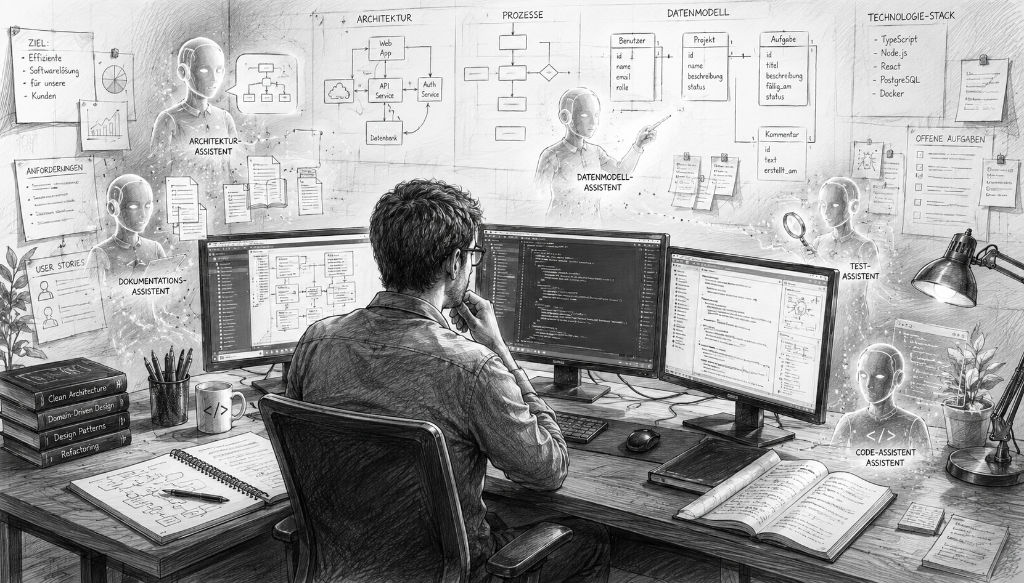
If you had asked me a few years ago what software development would look like in ten years, I would probably have talked about new programming languages, better frameworks, or more powerful development environments. Today, my answer would be completely different. The biggest change isn’t happening with the tools, but in the way we as developers think and work.

As I write these lines, I am working on a new software system myself. For the past few weeks, I have been making extensive use of modern AI tools such as Codex and other language models. At first, I was curious; now, I’m mostly impressed. Not because the AI suddenly does everything on its own, but because it handles certain tasks surprisingly well, thereby enabling new ways of working.

Read more

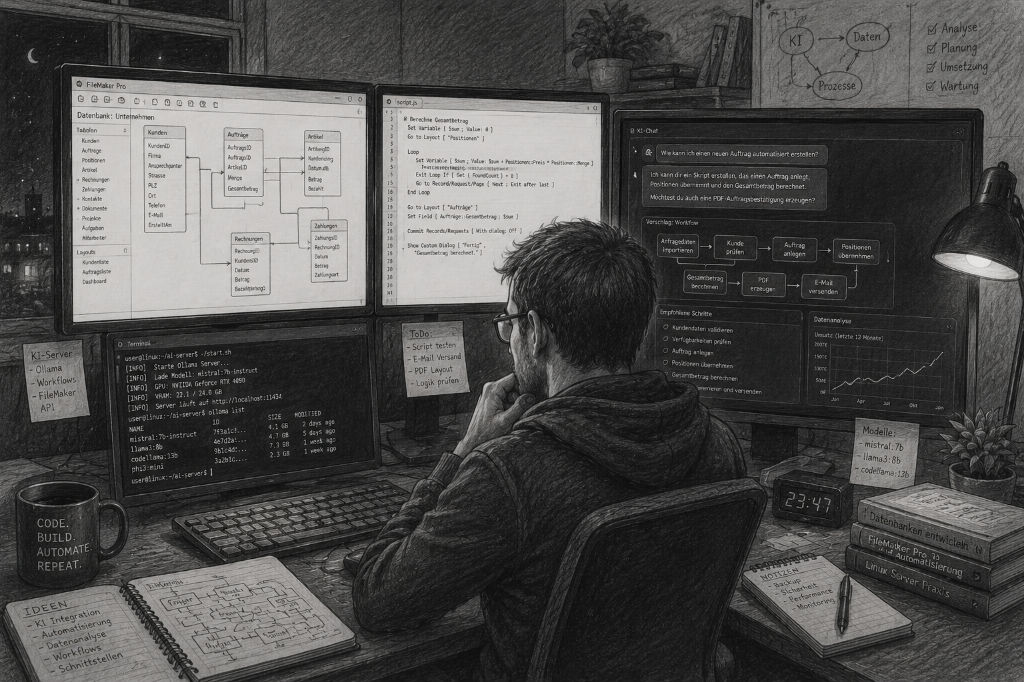
How artificial intelligence is changing software development and FileMaker

AI evolution in the development of FileMaker databases

Anyone currently scrolling through news portals, social networks or business platforms will quickly get the impression that artificial intelligence is changing the entire working world practically overnight. New tools, new language models and new promises appear almost daily. Texts are written automatically, images are generated, videos are created and software is sometimes prepared by voice input.

For many companies, this creates a strange mixture of curiosity and pressure. Because, of course, nobody wants to miss the boat. At the same time, many entrepreneurs, freelancers and developers do not yet know exactly which of these technologies will really remain relevant in the long term. This is probably the real peculiarity of the current AI phase: almost everyone senses that something is changing - but hardly anyone can really reliably assess at the moment how quickly and in which direction.

Read more

Apple in transition: Early devices, personal experiences and an exhibition at the OCM

Apple Macintosh Classic and Color Classic

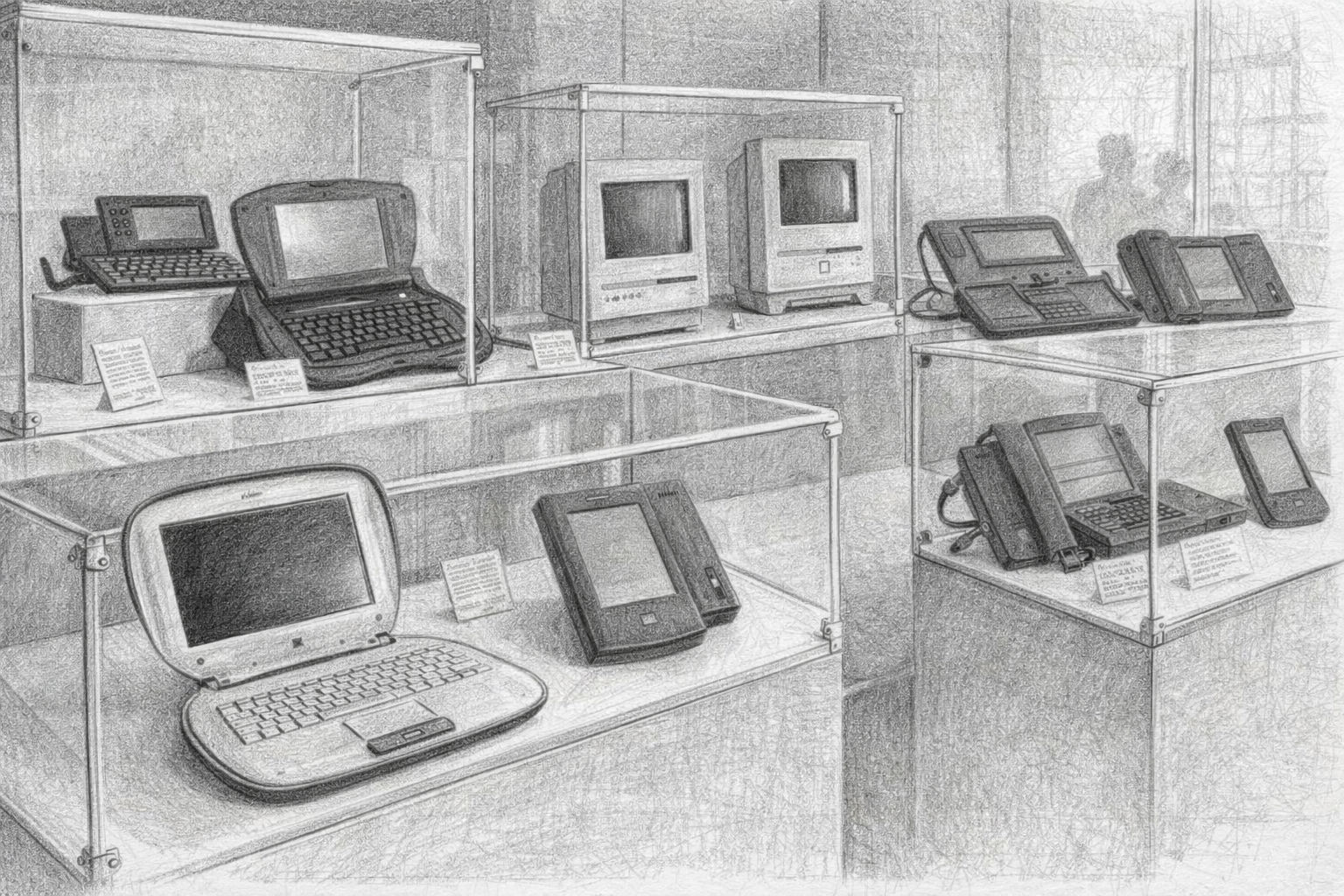
If you are interested in computer history, a visit to the Oldenburg Computer Museum is particularly worthwhile. The museum is one of those places that doesn't have to be loud to make an impression and will be hosting a special exhibition from April under the motto „50 years of the Apple computer“. For many years, technology has not only been exhibited there, but kept alive. Devices are not behind glass, but often ready for use on tables - just as they were actually used in the past.

That's what makes the difference. You don't just see old computers, you get a feeling for what it was like to work, play and think with these machines. From early home computers to classic office computers and special one-offs, everything is represented - carefully collected, maintained and, above all, clearly arranged.

Read more

Apple MLX vs. NVIDIA: How local AI inference works on the Mac

Local AI on Silicon with Apple Mac

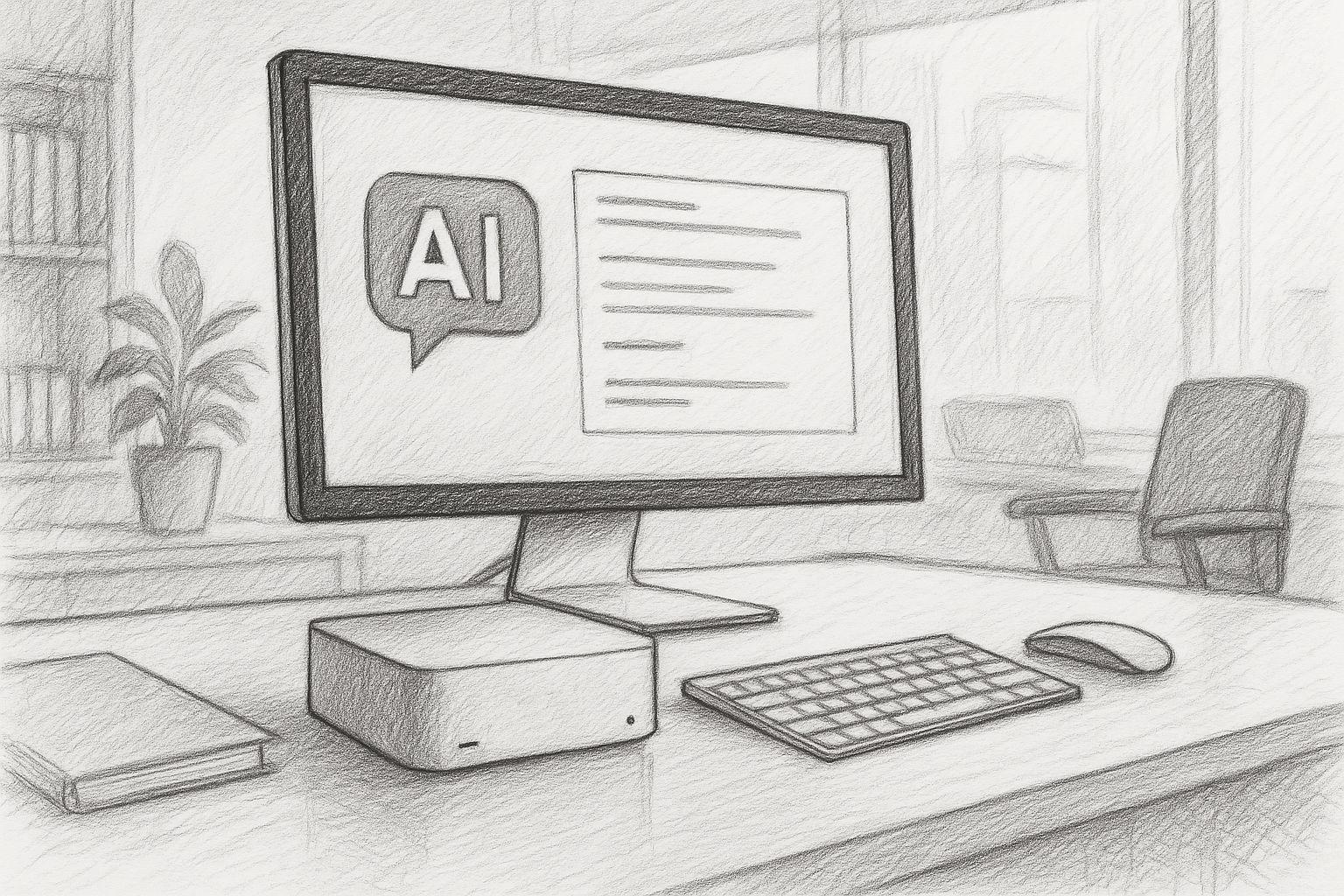
Anyone working with artificial intelligence today often first thinks of ChatGPT or similar online services. You type in a question, wait a few seconds - and receive an answer as if a very well-read, patient conversation partner were sitting at the other end of the line. But what is easily forgotten: Every input, every sentence, every word travels via the Internet to external servers. That's where the real work is done - on huge computers that you never get to see yourself.

In principle, a local language model works in exactly the same way - but without the Internet. The model is stored as a file on the user's own computer, is loaded into the working memory at startup and answers questions directly on the device. The technology behind it is the same: a neural network that understands language, generates texts and recognizes patterns. The only difference is that the entire calculation remains in-house. You could say: ChatGPT without the cloud.

Read more

LoRA training: How FileMaker 2025 simplifies the fine-tuning of large language models

LoRA Fine tuning - FileMaker 2025

The world of artificial intelligence is on the move. New models, new methods and, above all, new possibilities are emerging on an almost weekly basis - and yet one thing remains constant: not every technical innovation automatically leads to a better everyday life. Many things remain experimental, complex or simply too costly for productive use. This is particularly evident in the so-called fine-tuning of large language models - a method of specializing generative AI to its own content, terms and tonalities.

I have accompanied this process intensively over the last few months - first in the classic form, with Python, terminal, error messages and nerve-wracking setup loops. And then: with FileMaker 2025. A step that surprised me - because it wasn't loud, but clear. And because it showed that there is another way.

Read more

Electronic invoices for SMEs: XRechnung, ZUGFeRD and ERP at a glance

Overview of the obligation to issue electronic invoices

Germany did not invent the e-invoice overnight - it is the result of years of standardization work (EN 16931), federal and state regulations (B2G) and now, via the Growth Opportunities Act, the gradual expansion into everyday B2B life. Since January 1, 2025, a new legal situation has applied: an „electronic invoice“ is only an e-invoice if it is structured and machine-readable - pure PDF attachments by email are no longer an e-invoice according to the definition. This sounds technical, but has operational consequences from invoice receipt to accounting and archiving.

Read more

gFM-Business and the future of ERP: local intelligence instead of cloud dependency

gFM-Business and AI + knowledge graph

For over a decade, the gFM-Business software has stood for something special in the German ERP market: it is not based on a cumbersome, difficult-to-maintain system, but on the lightweight, customizable and visually modelled FileMaker platform. This has many advantages: gFM-Business can be individually expanded, runs on Windows, macOS and iOS, and can be customized by both developers and ambitious power users.

With the advent of artificial intelligence (AI) - especially through so-called language models such as ChatGPT - new opportunities are now emerging that go far beyond traditional automation. gFM-Business is actively preparing for this future: with the aim of not only managing data, but also unlocking knowledge.

Read more

FileMaker Conference 2025: AI, community and an unexpected incident

FileMaker Conference 2025: Fire alarm with fire department

The FileMaker Conference 2025 in Hamburg is over - and it was a special milestone in many respects. Not only because this year's conference focused on many topics related to artificial intelligence, performance and modern workflows - but also because the personal exchange and the „family atmosphere“ of the FileMaker community once again came into its own. For me personally, it was an intensive, inspiring and all-round enriching time - right from the very first evening.

Read more