Fracking, LNG and energy policy: a sober analysis of risks, opportunities and reality

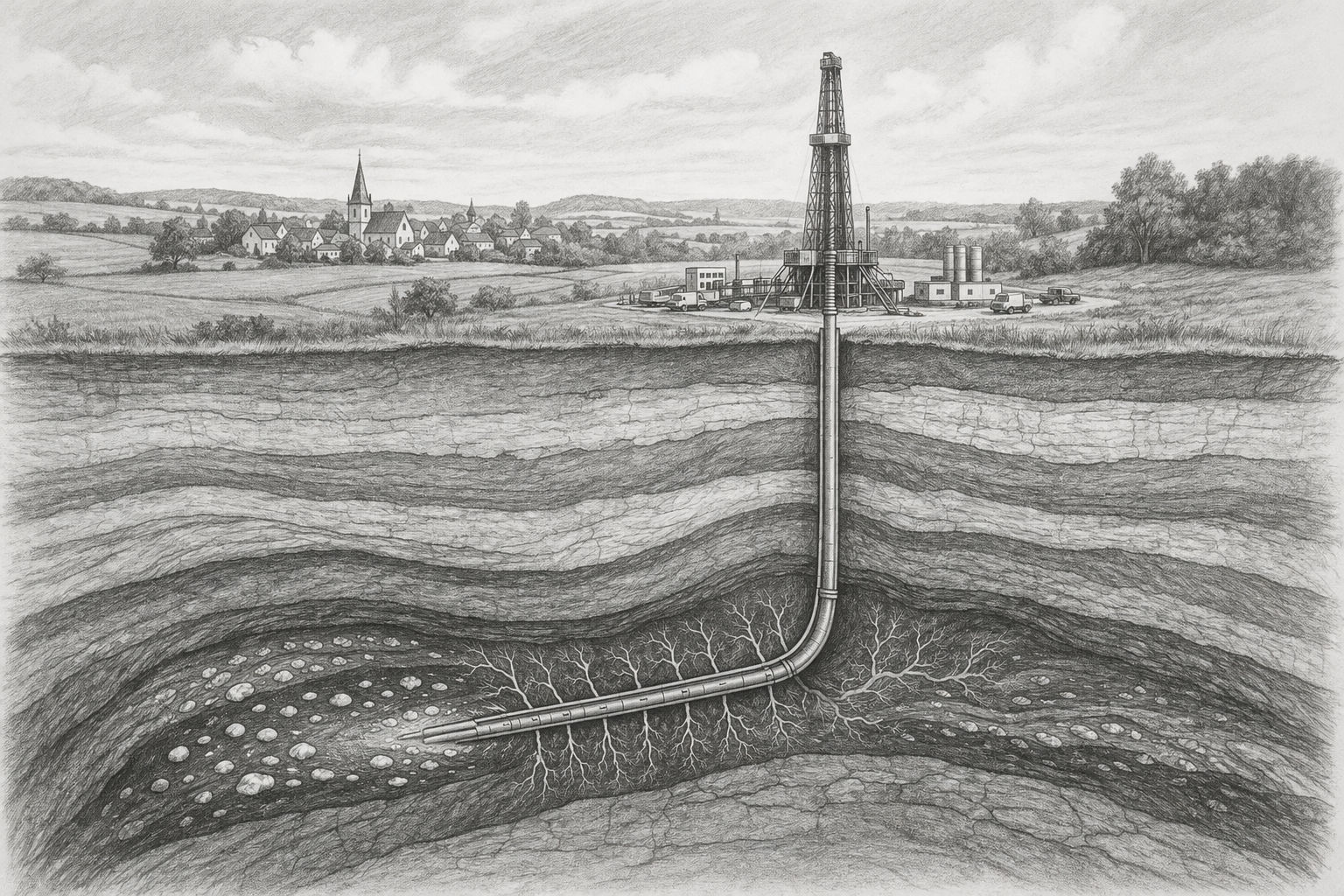
Natural gas fracking and energy policy

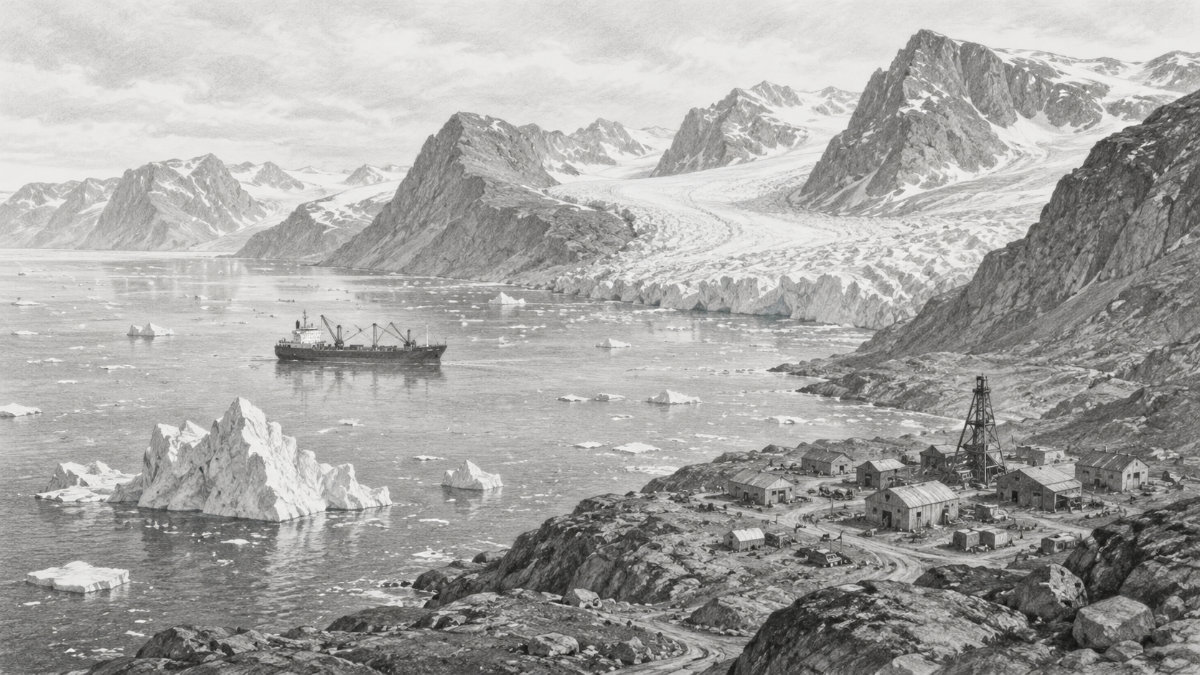
There are political and social discussions that are not linear. They come in waves. Fracking is one such issue. For years, the matter in Germany seemed settled. With the legislative package of 2016 and the resulting regulation from 2017, the framework was clear: commercial fracking in unconventional reservoirs will not take place. The debate calmed down and the issue largely disappeared from the public eye. It was as if a lid had been put on it.

But this impression was deceptive. Because while the debate in Germany was dying down, the world was changing in the background. The energy supply, which had long been considered relatively stable, came under increasing pressure. Prices began to fluctuate, supply chains became more fragile and geopolitical tensions increased. The events from 2022 at the latest made it clear that energy is not a matter of course, but a strategic commodity.

Read more

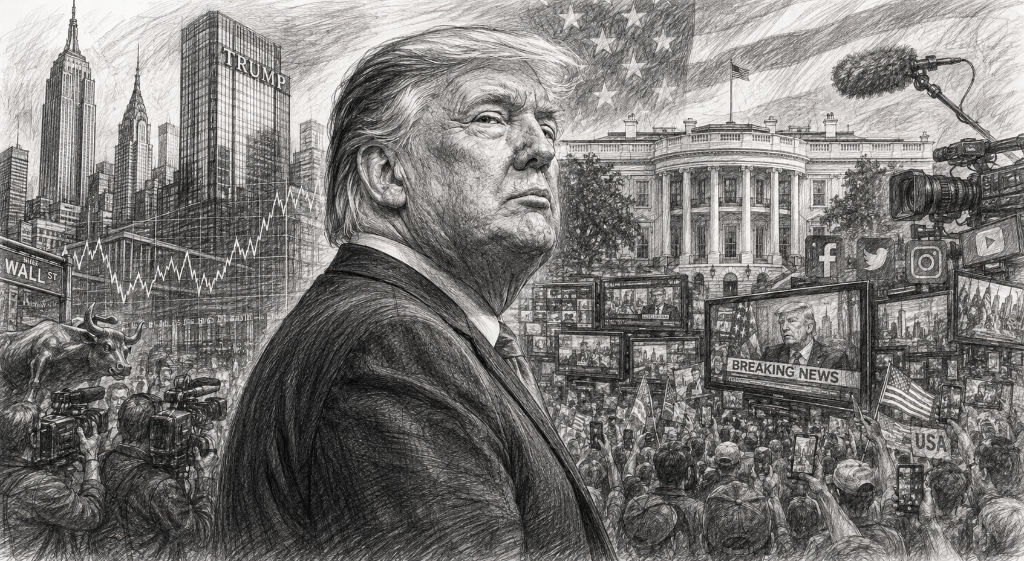
Who actually is J. D. Vance? A portrait of his origins, career, contradictions and future

Who is J. D. Vance?

International reporting on the United States is usually dominated by the big, loud figures. Names that polarize, that provoke, that generate headlines. For many European observers, politics in the USA is therefore often an interplay of escalation, conflict and clearly recognizable opposites. And then suddenly a name appears that doesn't fit into this picture at all: J. D. Vance.

Not a classic loudspeaker. Not a man of grand gestures. Not a politician who immediately attracts attention with pithy words. And yet he is suddenly there - in interviews, in analyses, in political debates. Not as a marginal figure, but as someone who obviously plays a role that is bigger than it appears at first glance. For many readers in Germany or Europe, this is precisely where the real question begins: who is this man anyway - and why has he suddenly become so important?

Read more

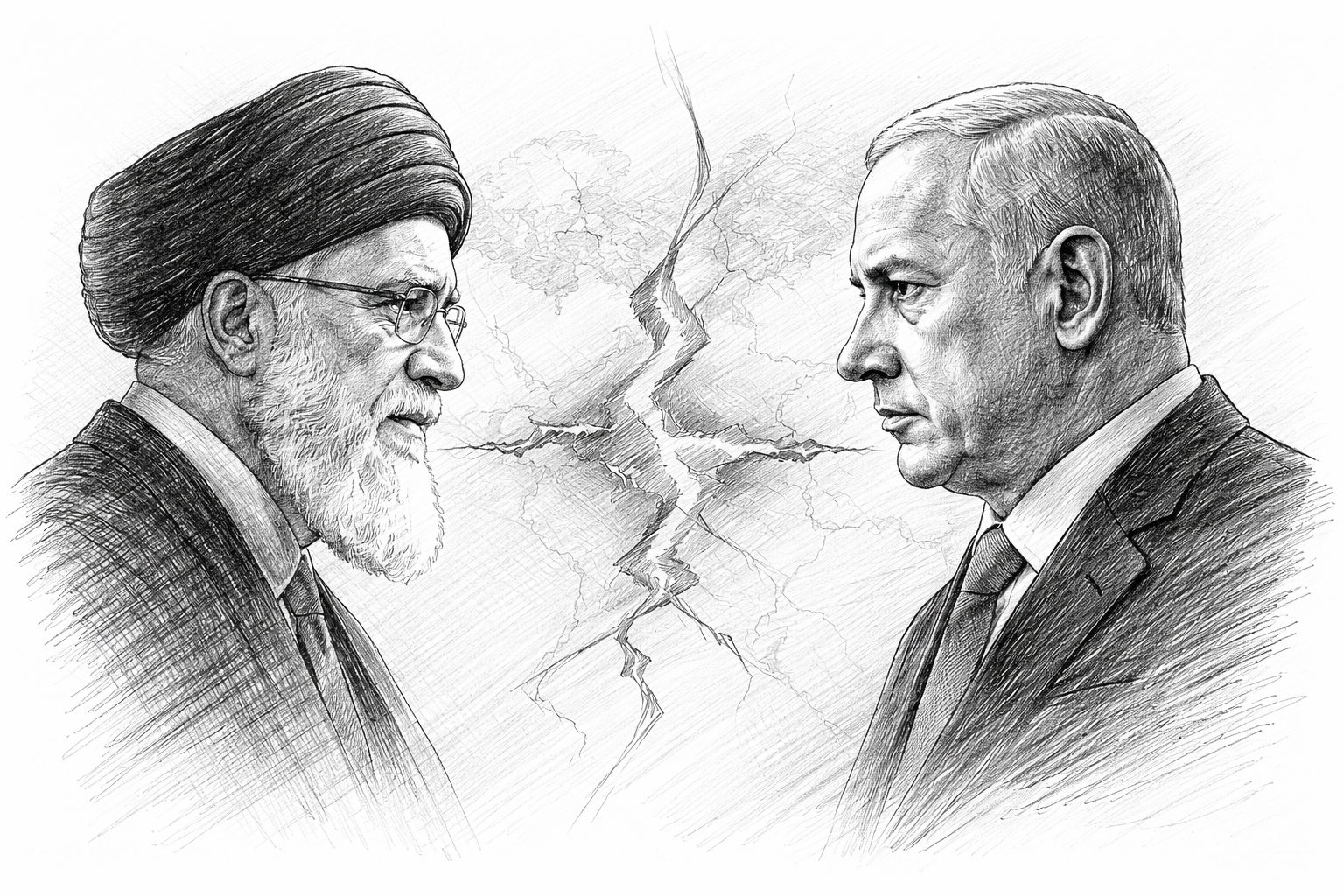
The Iran-Israel conflict: Why this escalation is the West's strategic nightmare

Israel-Iran - Strategic nightmare

There are moments in the story when you sense that something is shifting. Not abruptly, not with a single decision, but like a line that slowly but inexorably runs through the dust of old certainties. The past few days have been such moments. I wondered for a long time whether I should really write this editorial - after all, I have already dealt with Iran in detail once before and made it clear that you can only understand this country and its power structures if you look at the decades-old lines. But it is precisely these lines that have now become visible again, more clearly than ever.

What makes me sit up and take notice is not just the hard facts: the nightly strikes, the overloading of Israeli missile defenses, the rhetoric of political leaders, the increasing shift of power in the background. It is the underlying pattern - the sense that here is a conflict entering a phase that will be a nightmare for any strategist. And that is precisely why I am writing this article: because many see the surface, but hardly anyone understands what is brewing underneath.

Read more

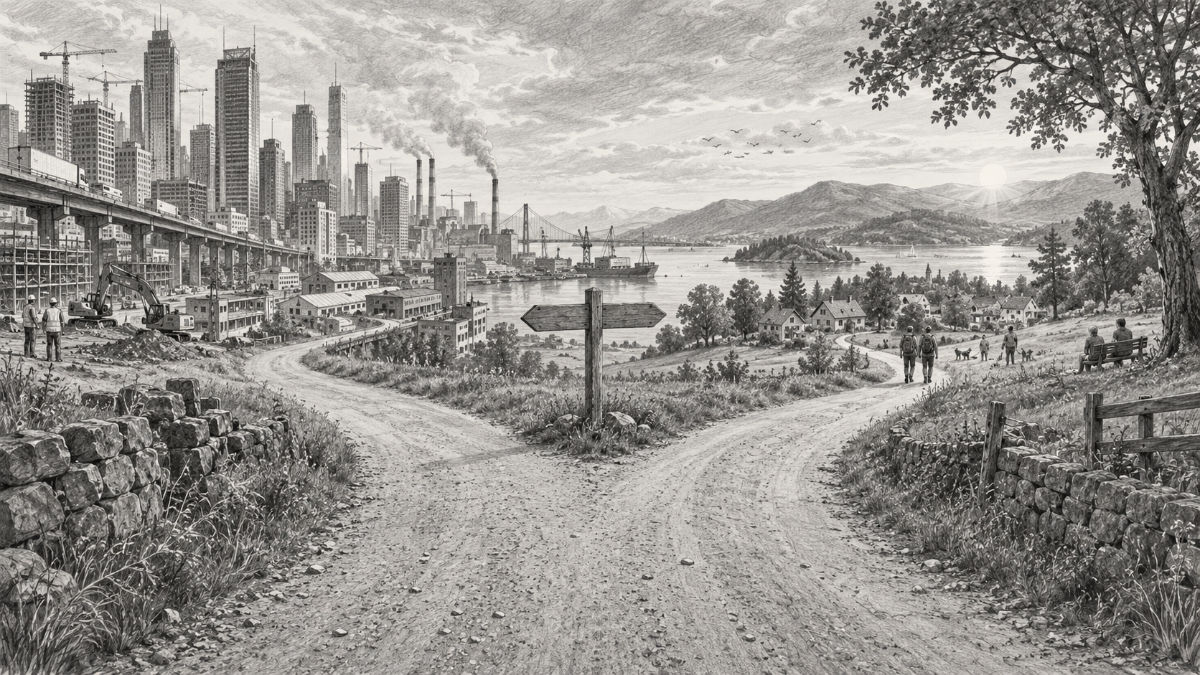
Energy, power and dependency: Europe's path from world export champion to consumer

Europe and energy

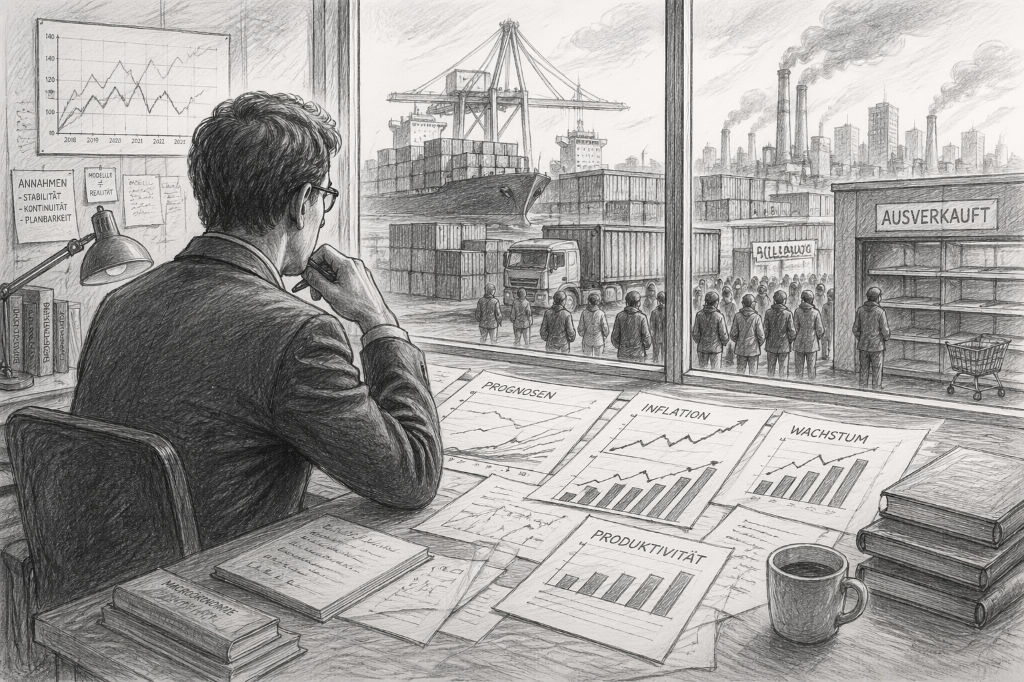
If you look around Germany today, you will notice one thing: The energy situation is different than it was twenty years ago. And fundamentally so. Two decades ago, Germany was considered the epitome of industrial stability. Reliable electricity supply, predictable gas prices, robust grid infrastructure. Energy was not an ongoing political issue, but a matter of course. It was there. It worked. It was affordable. It was - and this is crucial - plannable.

Today, however, energy has become a strategic uncertainty factor in Europe, especially in Germany. Prices fluctuate, industry is shifting investments, political debates revolve around subsidies, emergency reserves and dependencies. Energy is no longer just infrastructure - it is a power factor, a bargaining chip and a geopolitical lever.

In this article, we want to calmly trace this development. Not in an alarmist or conspiratorial way, but step by step. What has changed? What decisions have been made? Who benefits? And above all: how did a continent that was sovereign in terms of energy policy end up in a situation in which it barely has any independent control over its most basic foundation - its energy supply?

Read more

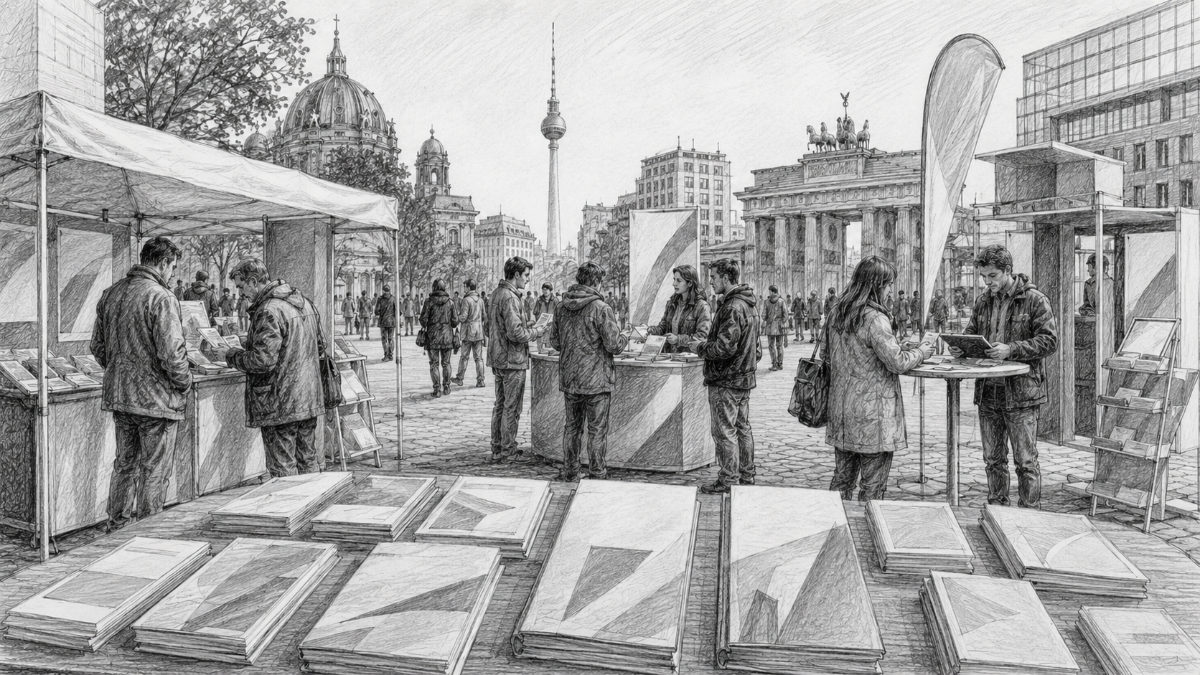
Russia, NATO and the fear of war: what can be proven - and what can't

NATO, Russia and the fear of war

This article is not the result of a current impulse, indignation or partisanship. Rather, it is the result of a long period of observation - and a growing sense of unease. I have been studying Russia not just since the war in Ukraine. My interest goes back further. I had already studied Russian as a foreign language at school, and at that time I studied the language, history and mentality in a very relaxed way. This early interest led me to follow developments there over the years without constantly changing my perspective.

This is precisely why I am shocked today by how crude, how simplistic and how self-assured many images about Russia and its alleged goals are placed in the public sphere - often without sources, without context, sometimes even without any internal logic. It becomes particularly irritating when such narratives not only appear in talk shows or commentary columns, but are also adopted almost without reflection by journalists, politicians or other official voices. At some point, the question inevitably arises:

Is that actually true?

Read more

Climate protection with tunnel vision - electromobility, lobbying and the suppressed costs

Electromobility without ideology

This article is not an indictment of electromobility. Nor is it an attempt to denigrate a technological development that works perfectly well for many people in their everyday lives. I am writing this text because it has become increasingly clear to me in recent years that there is a gap between the political narrative, public perception and physical reality that is hardly ever talked about. And I'm not writing it from the perspective of an outsider. I have been driving a plug-in hybrid myself for years. I know electric driving from my own experience, not from brochures or talk shows. I know how pleasant it is to glide silently through the city, how direct the power delivery is and how relaxed it feels. Anyone who has ever driven an electric car regularly quickly understands why this type of drive is emotionally compelling. There's nothing to belittle about it.

This is precisely why I believe it is necessary to take a step back and ask soberly: What do these vehicles actually achieve - and at what cost, systemically speaking?

Read more

Artificial intelligence and energy: what the AI boom really costs

AI, energy and sustainability

At first glance, artificial intelligence seems almost weightless. You type in a question and an answer appears seconds later. No noise, no smoke, no visible movement. Everything seems to happen „in the cloud“. This is precisely the error in thinking. AI is not abstract magic, but the result of very concrete, physical processes. Behind every answer are data centers, power lines, cooling systems, chips and entire infrastructures. The more AI enters our everyday lives, the more visible this reality becomes. And this is where the question of sustainability begins.

Anyone who talks about AI without talking about energy, resources and infrastructure is only describing the surface. This article goes deeper. Not with alarmism, but with a sober look at what AI actually needs to function - today and in the future.

Read more

Declining gas storage in Germany: technology, limits and political consequences

Gas storage in Germany

When the news reports about „40 percent filling level of the gas storage facilities“ When we talk about percentages, it sounds abstract at first. Percentages seem technical, far removed from everyday life. And yet there is something very concrete behind it: the question of how stable our energy supply really is - not in theory, but in everyday practice.

Gas is not only used for industrial plants or power stations in Germany. It heats homes, supplies hot water, drives district heating networks and is still the central backbone of the energy supply in many regions. Unlike electricity, however, gas cannot be produced at will „at the push of a button“. It has to be extracted, transported - and above all stored.

This is where the gas storage facilities come into play. They are like the country's store cupboard. As long as it is well filled, hardly anyone gives it a second thought. If it becomes visibly empty, questions arise: Will it last? For how long? And what happens if things continue to go downhill?

Read more