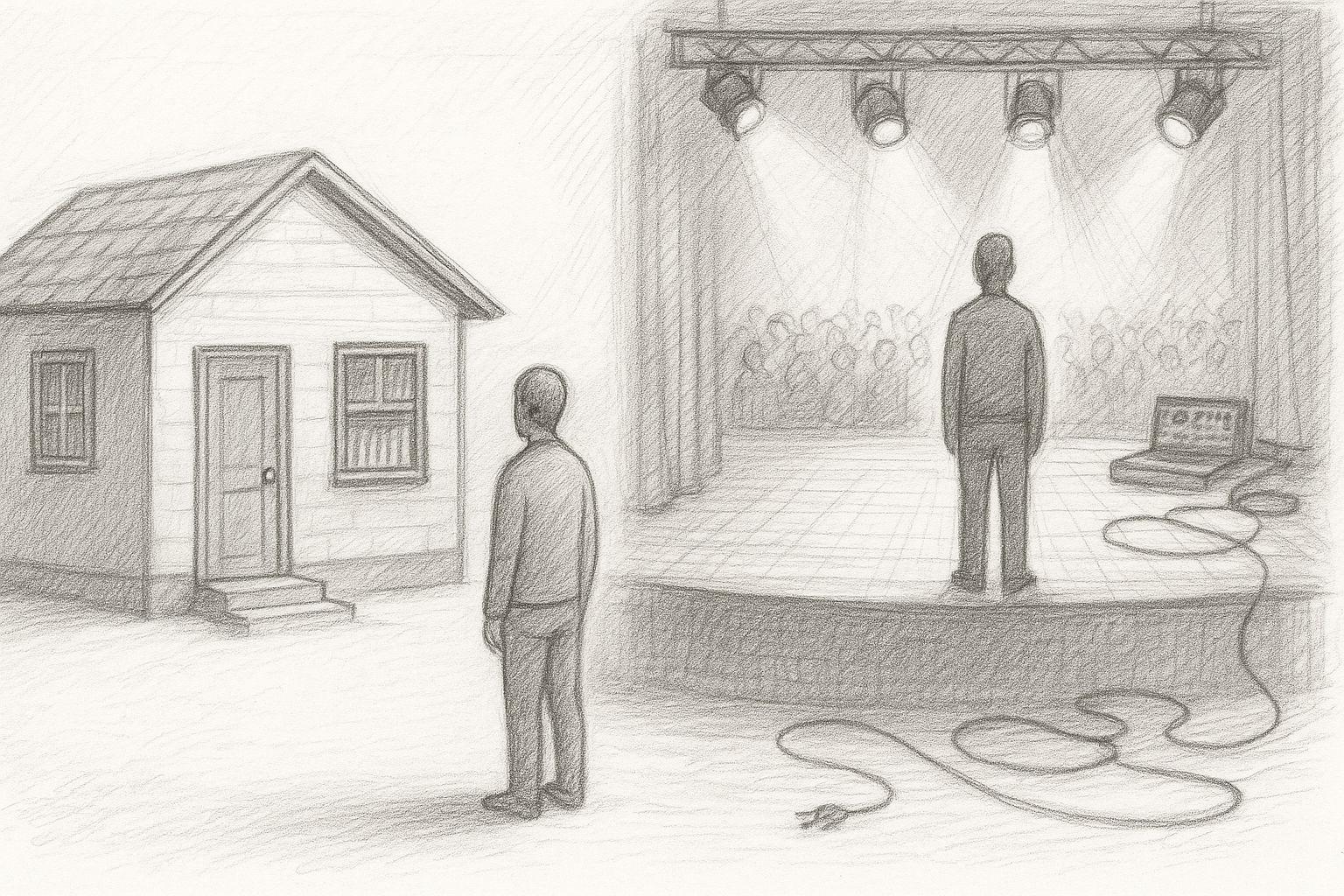
For centuries, property was something very tangible. You could touch it, walk on it or hold it in your hand. A house, a piece of land, a workshop, books on a shelf or tools in a drawer - these were all things that could be clearly assigned. They belonged to someone, were visibly present and generally remained so even when political, economic or social circumstances changed.
This article explains what digital property is, what forms it takes and how digital property can be created, especially in today's AI age.