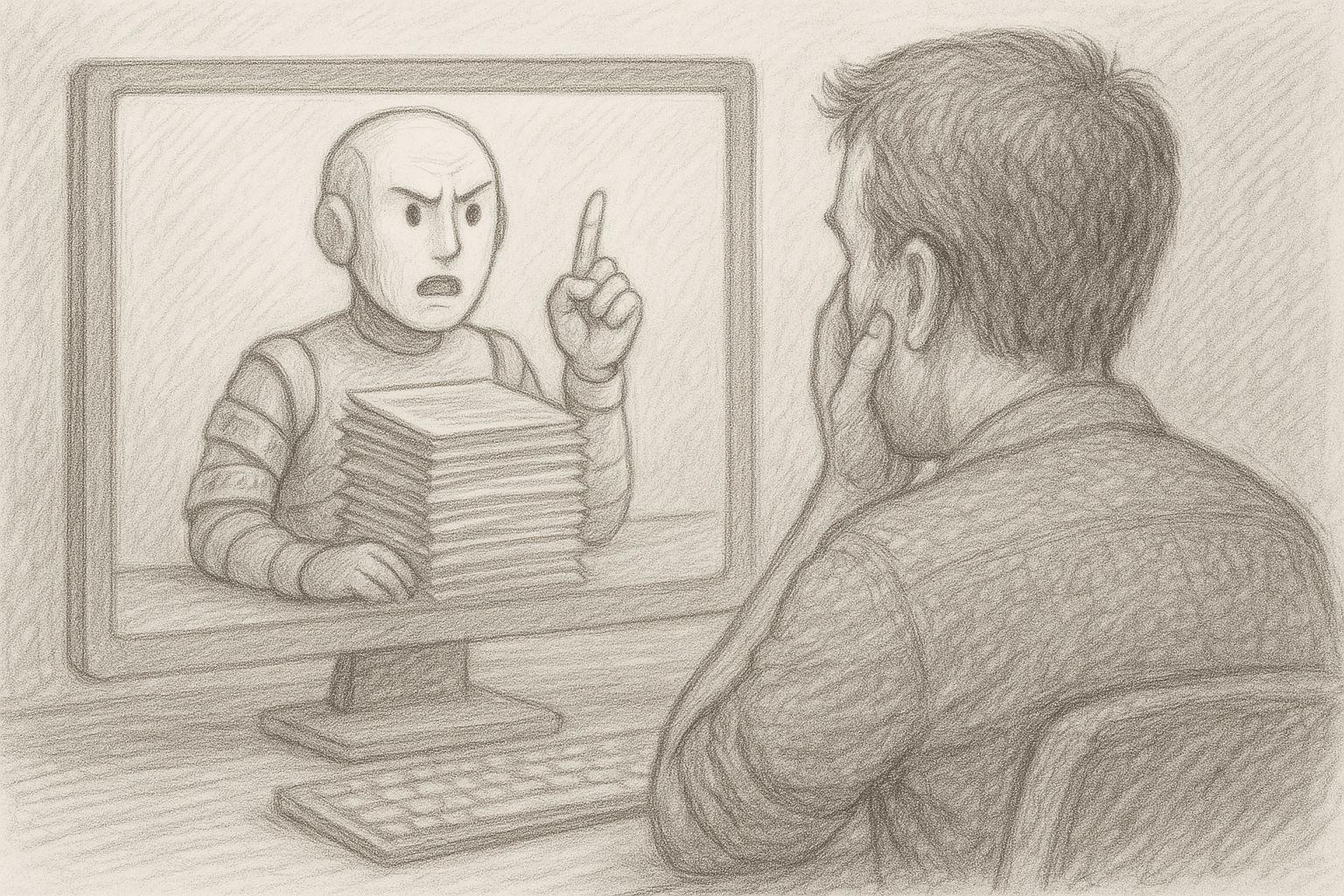
I've always thought it was a mistake for people to hand over their data - be it in the cloud, via apps or with any "free" services. For me, data sovereignty has never been a buzzword, but a question of self-respect. Anyone who uses technology without considering the consequences is entering into a dependency that often only becomes noticeable years later - but then has an even deeper impact.
Digital property
Digital ownership describes the ability to own, control and secure content, data and digital structures in the long term - independently of platforms, algorithms or third-party infrastructures. This includes own websites, domains, texts, images, databases, archives and the sovereignty over where this data is located, who can access it and how it is used. In contrast to mere reach on platforms, digital ownership creates substance, consistency and genuine sovereignty.
Digital ownership is therefore not a nostalgic concept, but a strategic response to the knowledge society. It enables the long-term development of knowledge, protects against dependencies and creates the basis for using reach as a tool in a targeted manner - without being dependent on it.
gFM-Business and the future of ERP: local intelligence instead of cloud dependency
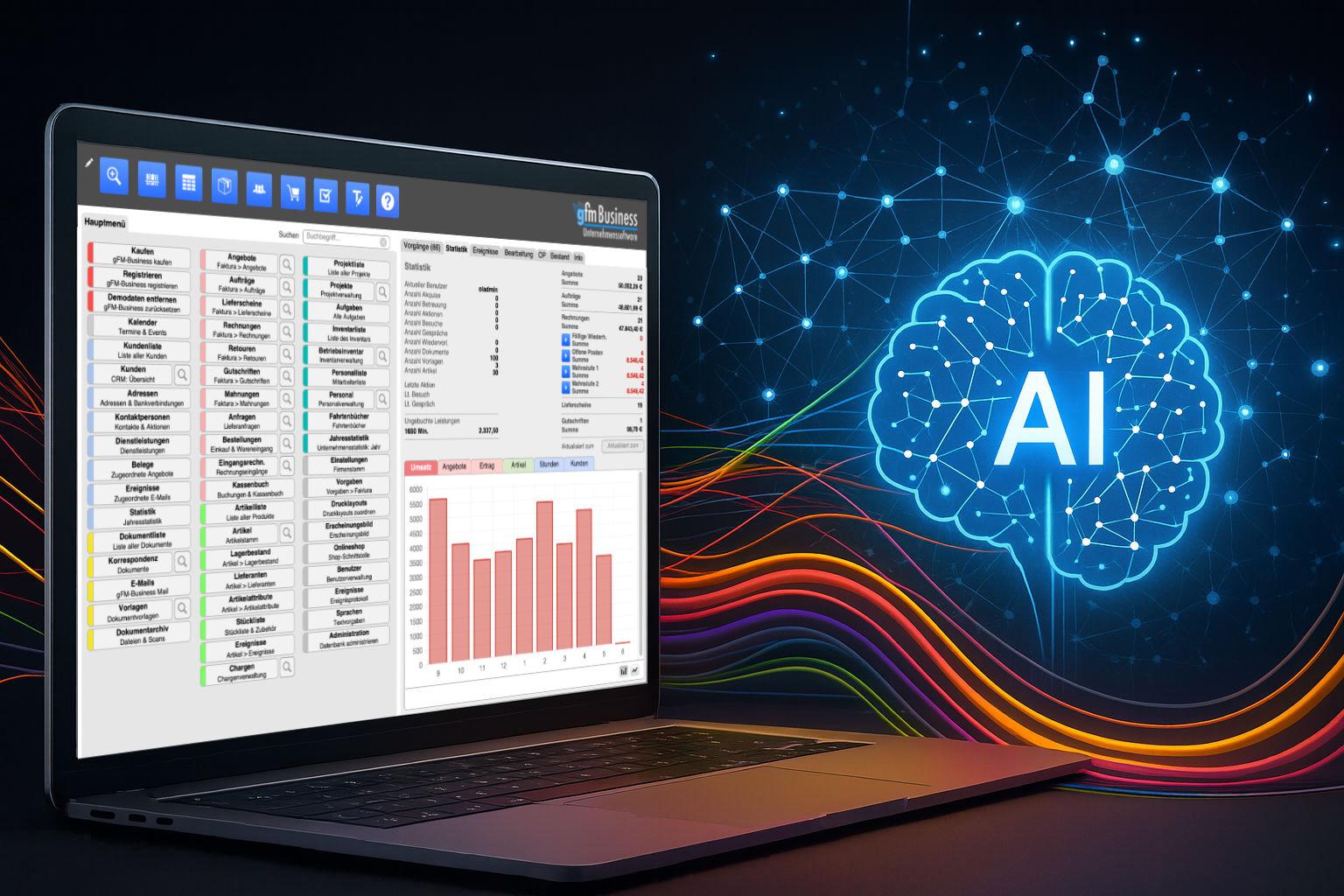
For over a decade, the gFM-Business software has stood for something special in the German ERP market: it is not based on a cumbersome, difficult-to-maintain system, but on the lightweight, customizable and visually modelled FileMaker platform. This has many advantages: gFM-Business can be individually expanded, runs on Windows, macOS and iOS, and can be customized by both developers and ambitious power users.
With the advent of artificial intelligence (AI) - especially through so-called language models such as ChatGPT - new opportunities are now emerging that go far beyond traditional automation. gFM-Business is actively preparing for this future: with the aim of not only managing data, but also unlocking knowledge.
How I wrote five books in two languages in four months
...and why this is not a miracle, but the result of a clear strategy
For a long time, writing books was seen as something tedious - a lonely project that drags on for months or even years. But what if you let go of this image? What if you rethink writing - with a clear focus, well thought-out processes and targeted use of AI?
In my new book "Writing books 2.0 - a practical guide for authors in the age of AI" I describe exactly this path. A path that has enabled me to write five books in just four months, publish them in two languages - and not accept any loss of quality compared to traditional publishing.