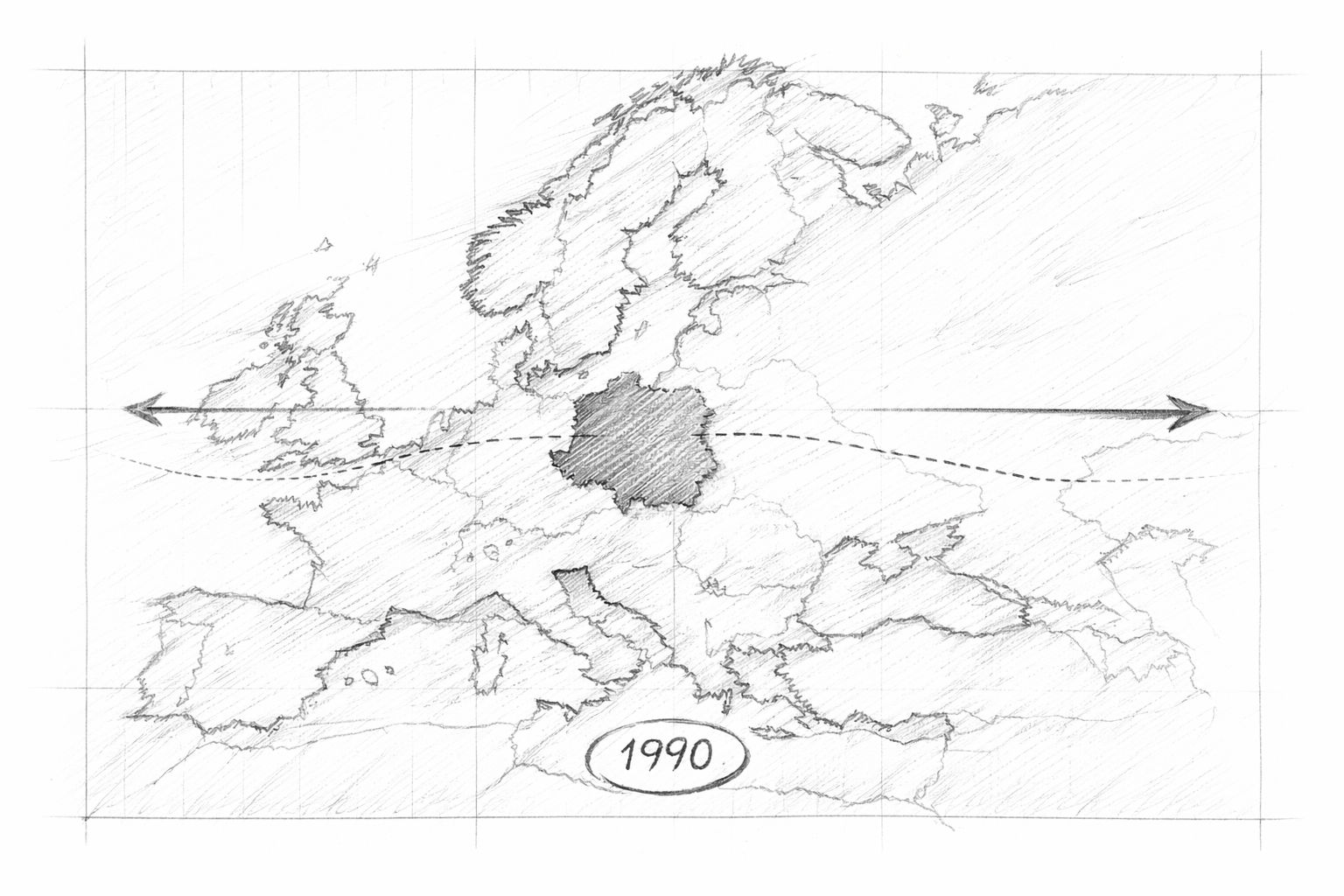
The Two Plus Four Treaty, NATO and the Bundeswehr: What still applies today?

When security policy, the Bundeswehr and international obligations are discussed today, it is usually in the mode of the present: numbers, threat situations, alliance capabilities. Rarely, however, is it asked on what legal foundation all this actually stands. Yet there is a treaty that forms precisely this foundation - and yet is barely anchored in the public consciousness: the Two Plus Four Treaty.

Many people know it by name. Few know what exactly was regulated in it. Even fewer are concerned with the question of what significance these agreements still have today - more than three decades after German reunification, in a world that has changed fundamentally in political, military and social terms.
Read more

What is BRICS - and what is not: history, economy and geopolitical classification

BRICS countries

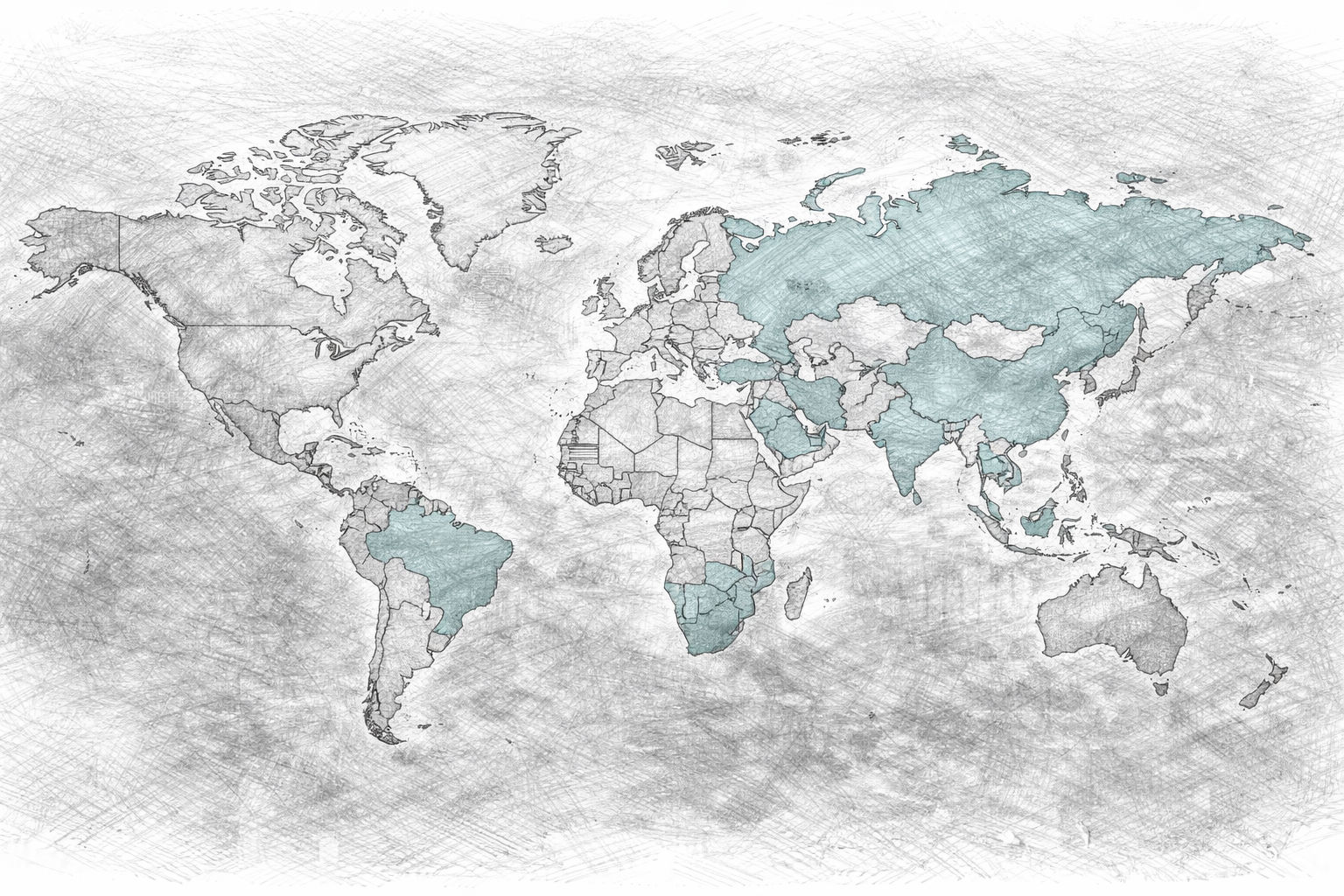
If you take a sober look at the figures, you will rub your eyes: today's BRICS countries account for almost half of the world's population. Billions of people live in these countries, work there, produce, consume, build infrastructure and shape their future. In terms of population, economic output (especially in terms of purchasing power) and raw materials, they are by no means a marginal phenomenon in global politics. And yet the BRICS countries usually only play a minor role in the daily reporting of Western media - often reduced to individual events, conflicts or buzzwords.

This is precisely where this article comes in. Not to celebrate or defend BRICS, but to understand what is behind this acronym, how it came about and why it plays a role today that cannot simply be ignored.

Read more

What our grandfathers told us about the war - and why these voices are missing today

War memories of the grandfathers

There is a lot of talk about war. In the news, talk shows, commentaries, social media. Hardly any other topic is so present - and at the same time so strangely abstract. Figures, maps, frontlines, expert assessments. We know where something is happening, who is involved and what is at stake. What is almost completely missing are the voices of those who have experienced war rather than declared it.

Perhaps it is because these voices are slowly falling silent. But perhaps it is also because we have forgotten how to listen to them.

Read more

What was Syria like before the war? Who rules today? What does this mean for refugees in Germany?

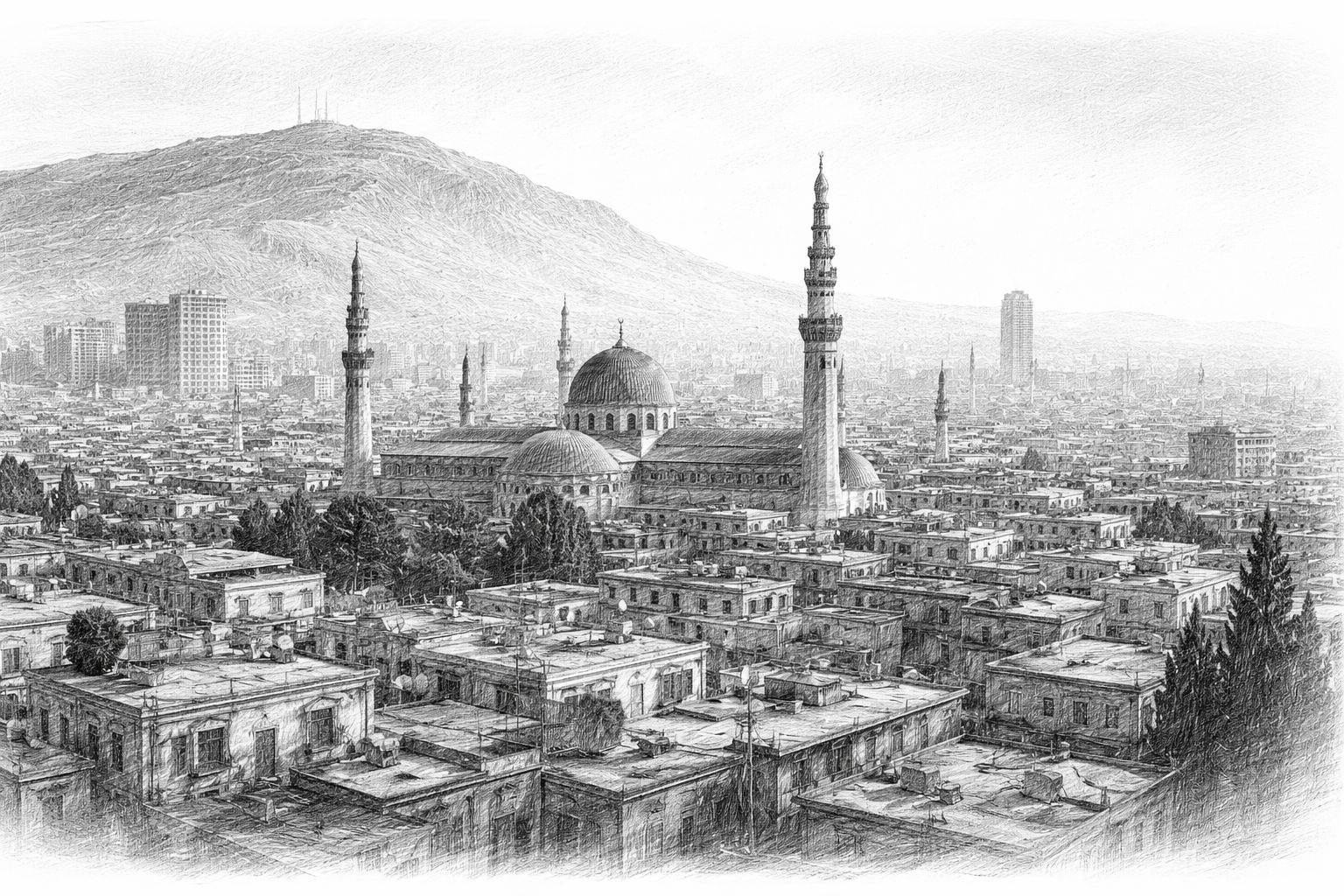
Syria and Damascus

For me, Syria is not an abstract news country, not just a crisis concept in the headlines. I have been following this country - from a distance, but continuously - for around twenty years. Not out of political activism, but out of genuine interest. For me, Syria has always been an example of how the world is more complicated than simple good-and-evil narratives. A country in the Middle East that was secularly organized, relatively stable and socially much more modern than many would have expected.

An additional point that aroused my interest early on was the person of Bashar al-Assad himself. A man who had studied in Switzerland, trained as an ophthalmologist, knew the realities of life in the West - and then stood at the head of a Middle Eastern state. That didn't fit the usual mold. It was all the more irritating for me to observe how quickly public perception narrowed, how a complex state became a pure symbol of violence, flight and moral simplification within just a few years. The shock for me was not so much that Syria ended up in a war - history knows many such ruptures - but how little room there was left for differentiation afterwards. This article is therefore also an attempt to bring order back to a topic that is often only presented as chaos in the media.

Read more

Artificial intelligence and energy: what the AI boom really costs

AI, energy and sustainability

At first glance, artificial intelligence seems almost weightless. You type in a question and an answer appears seconds later. No noise, no smoke, no visible movement. Everything seems to happen „in the cloud“. This is precisely the error in thinking. AI is not abstract magic, but the result of very concrete, physical processes. Behind every answer are data centers, power lines, cooling systems, chips and entire infrastructures. The more AI enters our everyday lives, the more visible this reality becomes. And this is where the question of sustainability begins.

Anyone who talks about AI without talking about energy, resources and infrastructure is only describing the surface. This article goes deeper. Not with alarmism, but with a sober look at what AI actually needs to function - today and in the future.

Read more

Is killing undignified? A sober question about murder, terror and war

Is killing undignified?

We live in troubled times. War, terror, violence - all of this is very present again. In the news, in political debates, in conversations on the sidelines. Decisions about war and peace are being made, often quickly, often with great determination. Arguments are being put forward, weighed up, justified. And yet I am left with a feeling of unease.

Not because I believe that everything is easy or because I dream of a conflict-free world. But because I notice how rarely a very specific question is asked. A question that is neither legal nor military. A question that doesn't ask about guilt or justice, but about something more fundamental. This question is: What does it do to a person when they kill another person?

This article is an attempt to pose this question calmly and soberly - without accusation, without moral pathos and without instrumentalizing current events.

Read more

Understanding Iran: Everyday life, protests and interests beyond the headlines

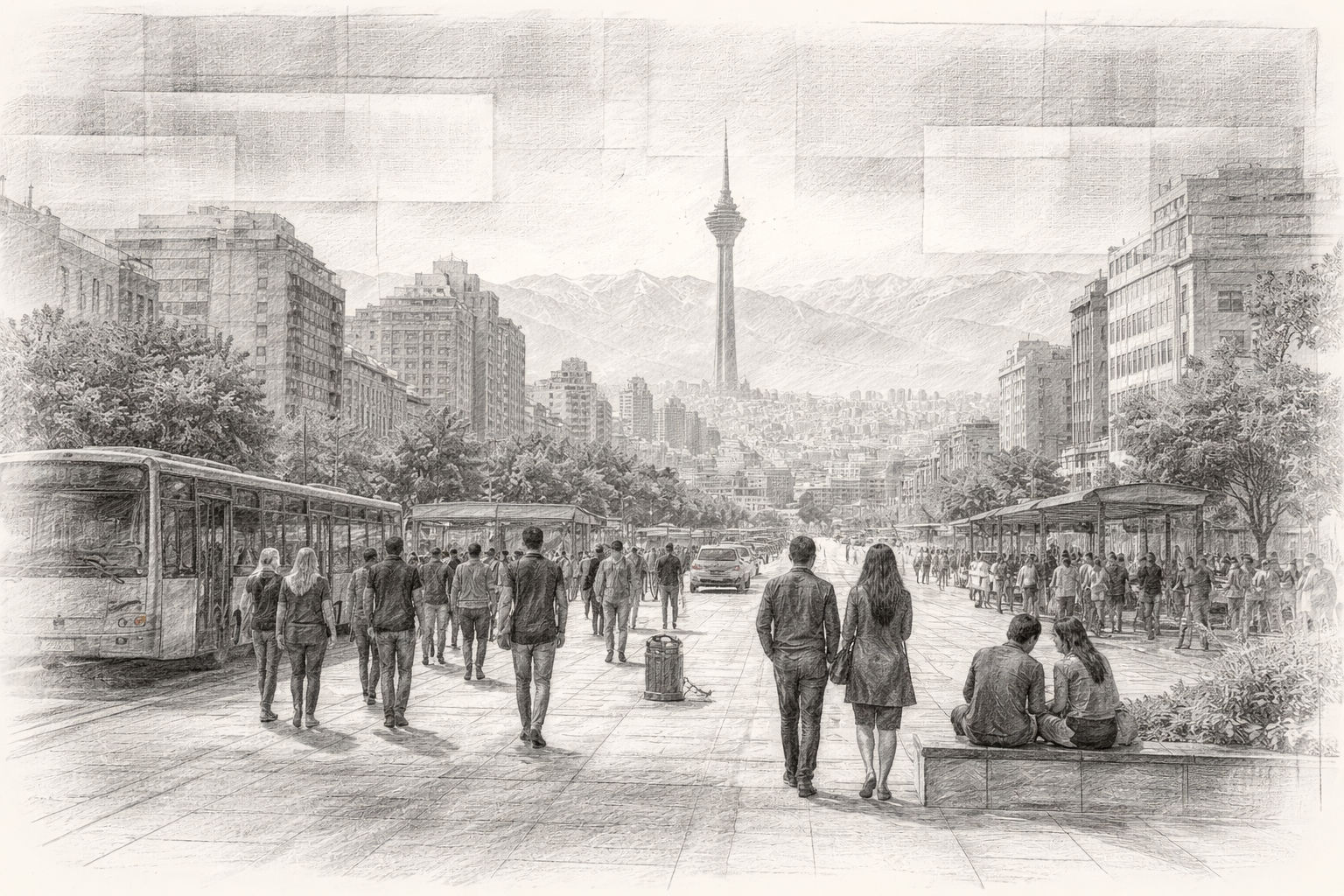
Understanding Iran

Hardly any other country conjures up such fixed images as Iran. Even before a single detail is mentioned, the associations are already there: mullahs, oppression, protests, religious fanaticism, a state in permanent conflict with its own population. These images are so familiar that they are hardly questioned. They seem self-evident, almost like common knowledge.

And therein lies the problem. Because this „knowledge“ rarely comes from personal experience. It comes from headlines, from commentaries, from stories that have been repeated for years. Iran is one of those countries about which many people have very clear opinions - even though they have never been there, don't speak the language, don't know everyday life. The picture is complete, cohesive, seemingly free of contradictions. And that is precisely why it is so convincing. But what happens when a picture becomes too smooth?

Read more

Nord Stream demolition: sabotage, power politics and the uncomfortable unanswered questions

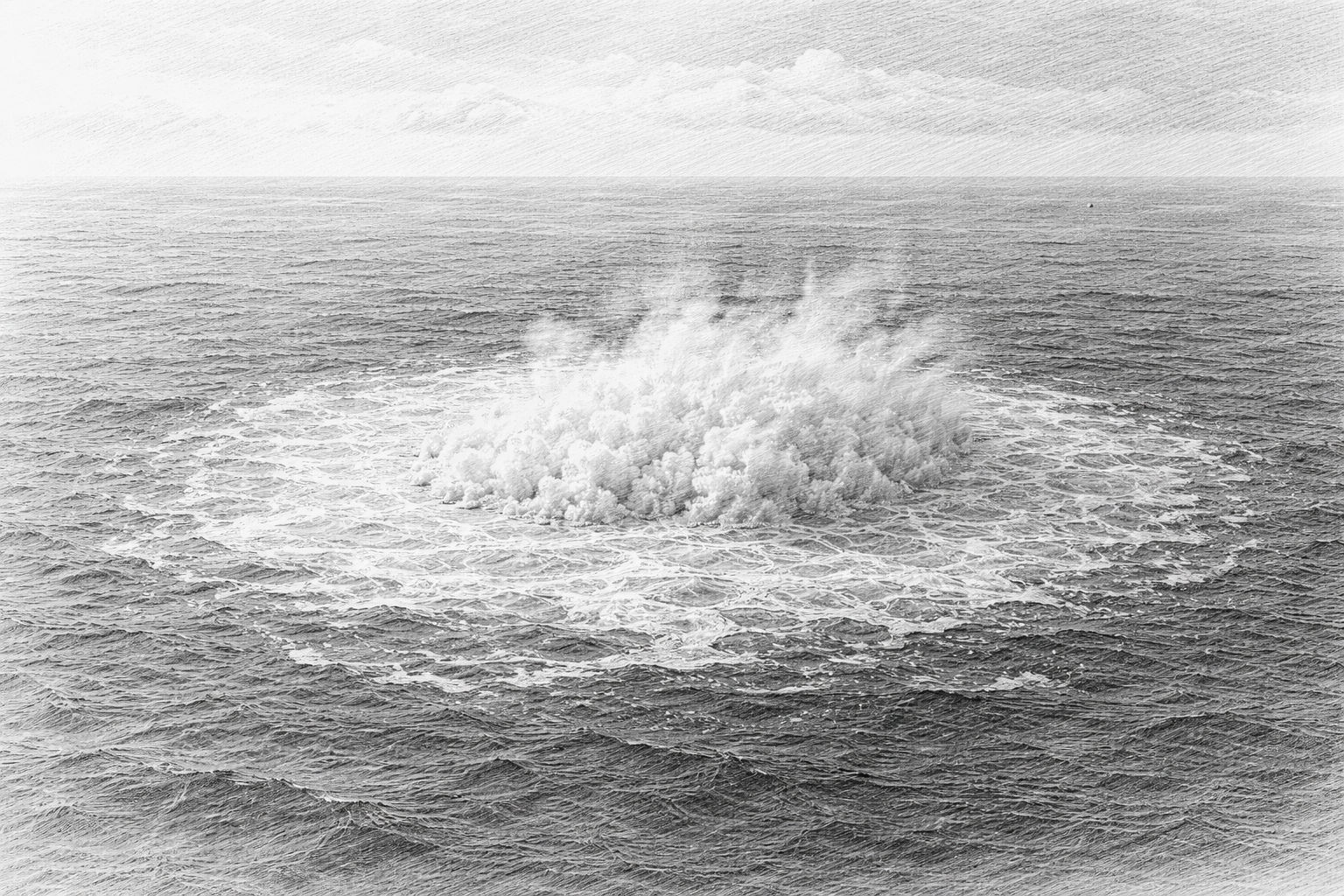
Nord Stream blasting

When people talk about energy, many think first of electricity - of light, of sockets, of power stations. In reality, however, Europe's everyday life depends on a quieter foundation: heat and process energy. Over the decades, natural gas has become a kind of invisible backbone. Not because it is particularly „beautiful“, but because it is practical: it is easy to transport, relatively flexible to use and can be reliably supplied in large quantities. For private households, this means heating and hot water. For industry, it means one thing above all: predictable production.

Particularly in industries such as chemicals, glass, steel, paper, ceramics or fertilizers, energy is not simply a cost factor that is „optimized“. Energy is an integral part of the process. If it fails or becomes unreliable, it is not just one machine that comes to a standstill - often an entire plant, sometimes an entire supply chain. This is the point at which „energy policy“ ceases to be an abstract controversial issue and begins to have a very concrete impact on jobs, prices, availability and stability. Anyone who has understood this also understands why Nord Stream was far more than just an infrastructure project on the seabed for Europe.

Read more