Ulrike Guérot: A European between idea, university and public discourse

Ulrike Guérot and Europe

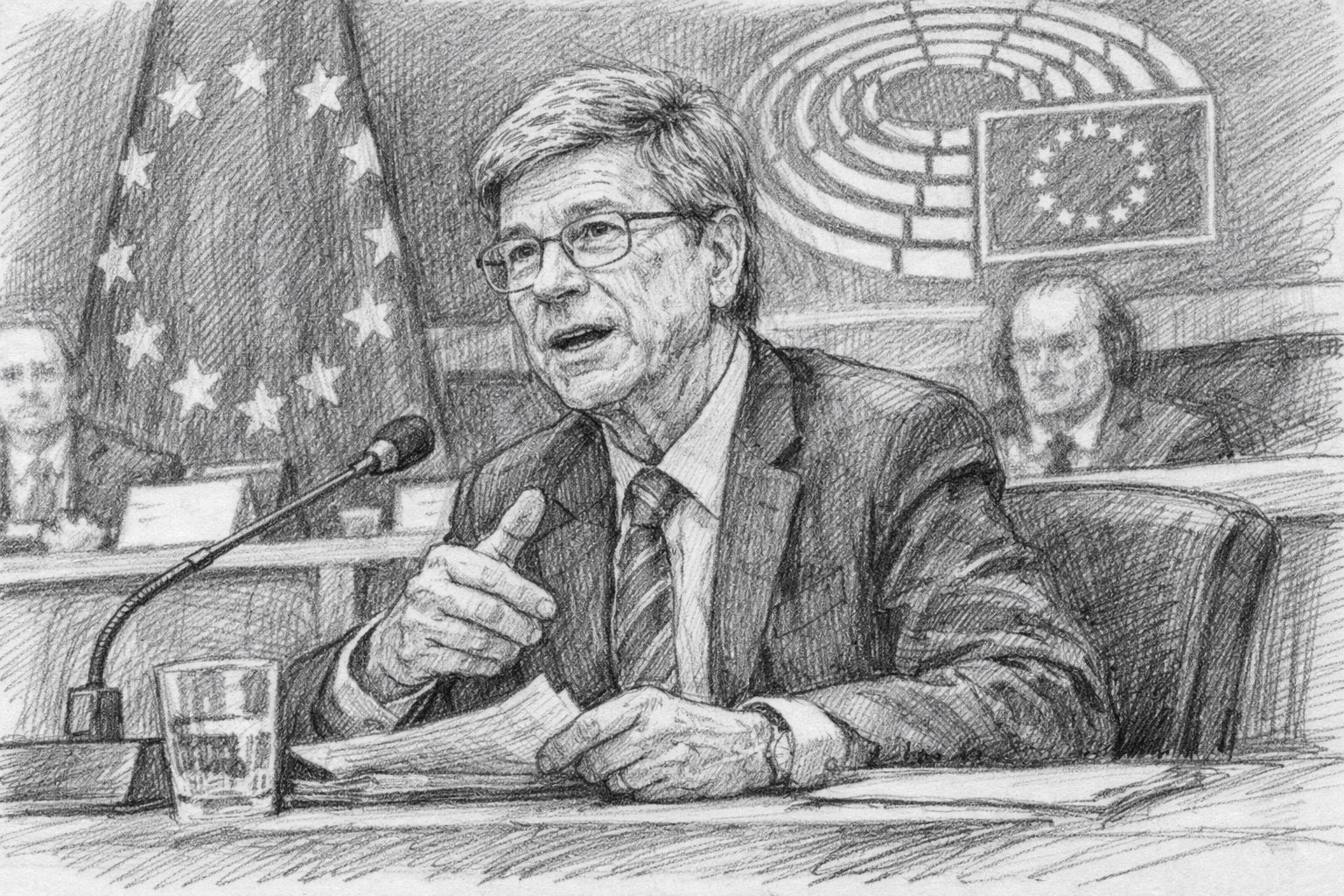
There are people whose thoughts you like to follow not because you agree with them on everything, but because they make an effort to penetrate things. For me, Ulrike Guérot is one of these voices. I have been watching her lectures for a few years now - not regularly, not ritualized, but when I come across a topic that I feel is worth listening to more closely. What strikes me is that her arguments are calm, structured and largely non-ideological.

This does not make her lectures spectacular in the media sense, but they are sustainable. You can listen to her for a long time without getting the feeling that she is trying to sell a ready-made world view. Especially at a time when political debates are often morally charged or emotionally truncated, this way of speaking seems almost old-fashioned. In the best sense of the word.

Read more

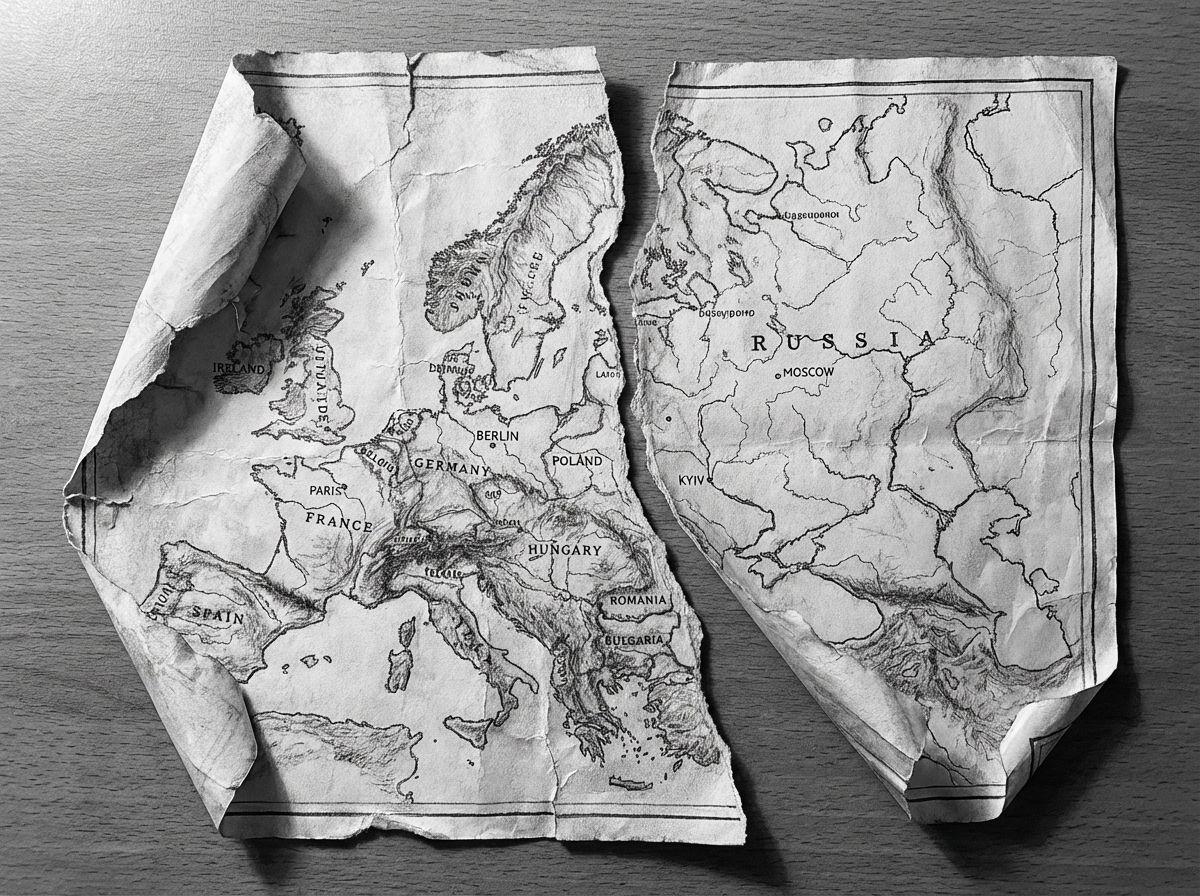
Game theory explains 25 years of geopolitics: How Europe lost its strategic role

Game theory explains 25 years of geopolitics

For many, game theory sounds like dry mathematics, like formulas, like something that only plays a role in lectures or business games. In reality, however, it is an ancient thinking tool that existed long before its academic formalization. Diplomats used it, commanders used it, captains of industry used it - long before it was even called that. In the end, it is nothing more than a sober question:

„When several players have to make decisions in an uncertain situation - what options do they have and what are the consequences?“

This kind of thinking has become surprisingly rare today. Instead of analyzing alternatives, much is narrowed down to moral narratives or spontaneous interpretations. Yet in geopolitical issues in particular, a clear analysis of the possibilities would be the foundation of any mature policy. It is precisely this old craft that I would like to take up again in this article.

Read more

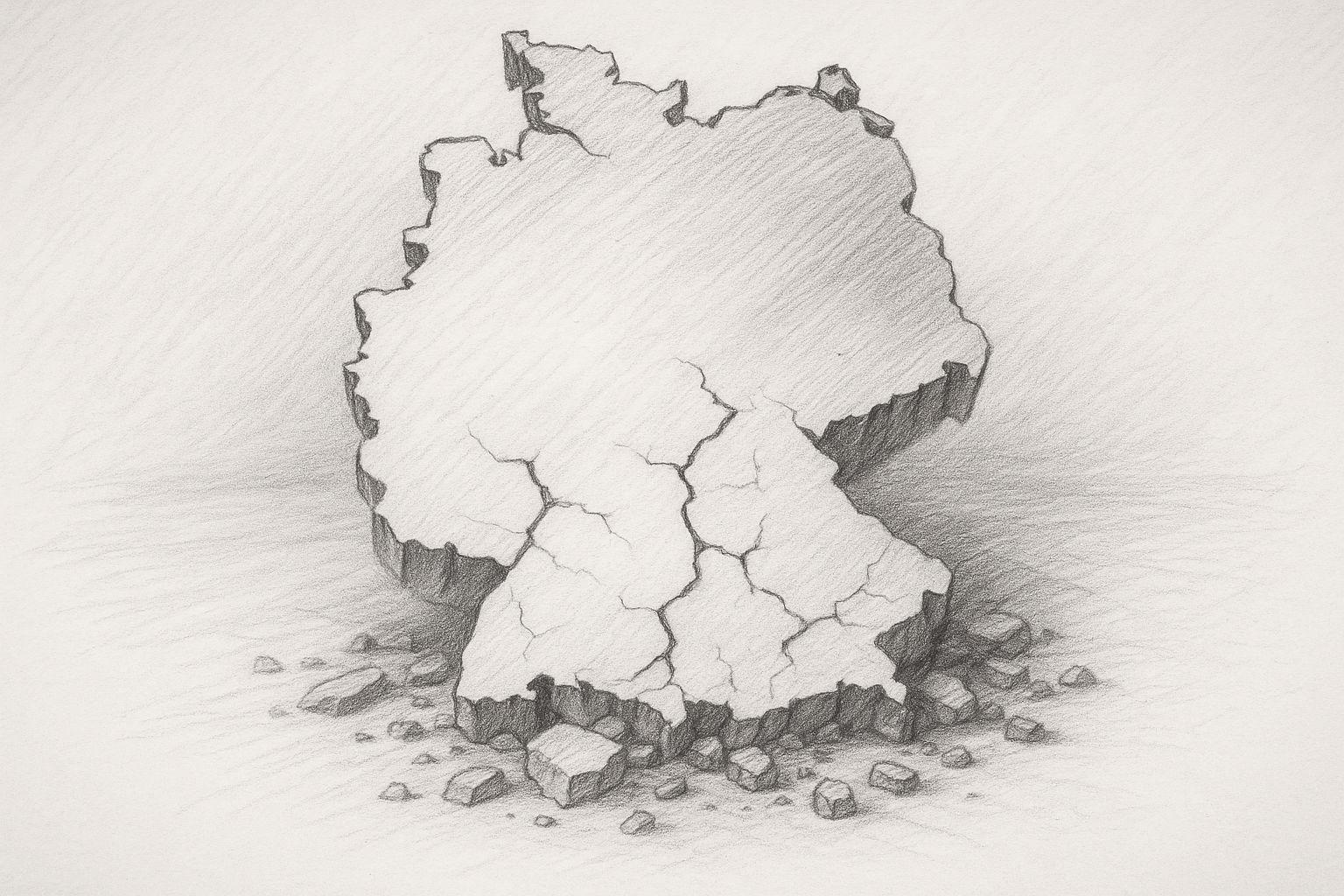
State of the German economy in 2025: Five years of crisis, figures, trends and outlook

State of the German economy in 2025

If you look at the German economy today, it is almost impossible to separate the last five years. It was a chain of events that overlapped, reinforced and in some cases blocked each other. The starting point was 2020 - the year in which the pandemic brought public life, supply chains and entire industries to a standstill in one fell swoop. Many companies had to close, production was interrupted and government aid was provided to prevent the economy from collapsing completely in the short term.

However, what seemed like a temporary exceptional situation at the time developed into something bigger: The consequences of the decisions made at the time still affect the everyday lives of entrepreneurs, the self-employed and employees today. Anyone who thought back then that after a few months everything would be „as it used to be“ can now see that many things have changed permanently.

Read more

The EU's 28th regime: The silent restructuring of the European Economic Area?

28th EU regime

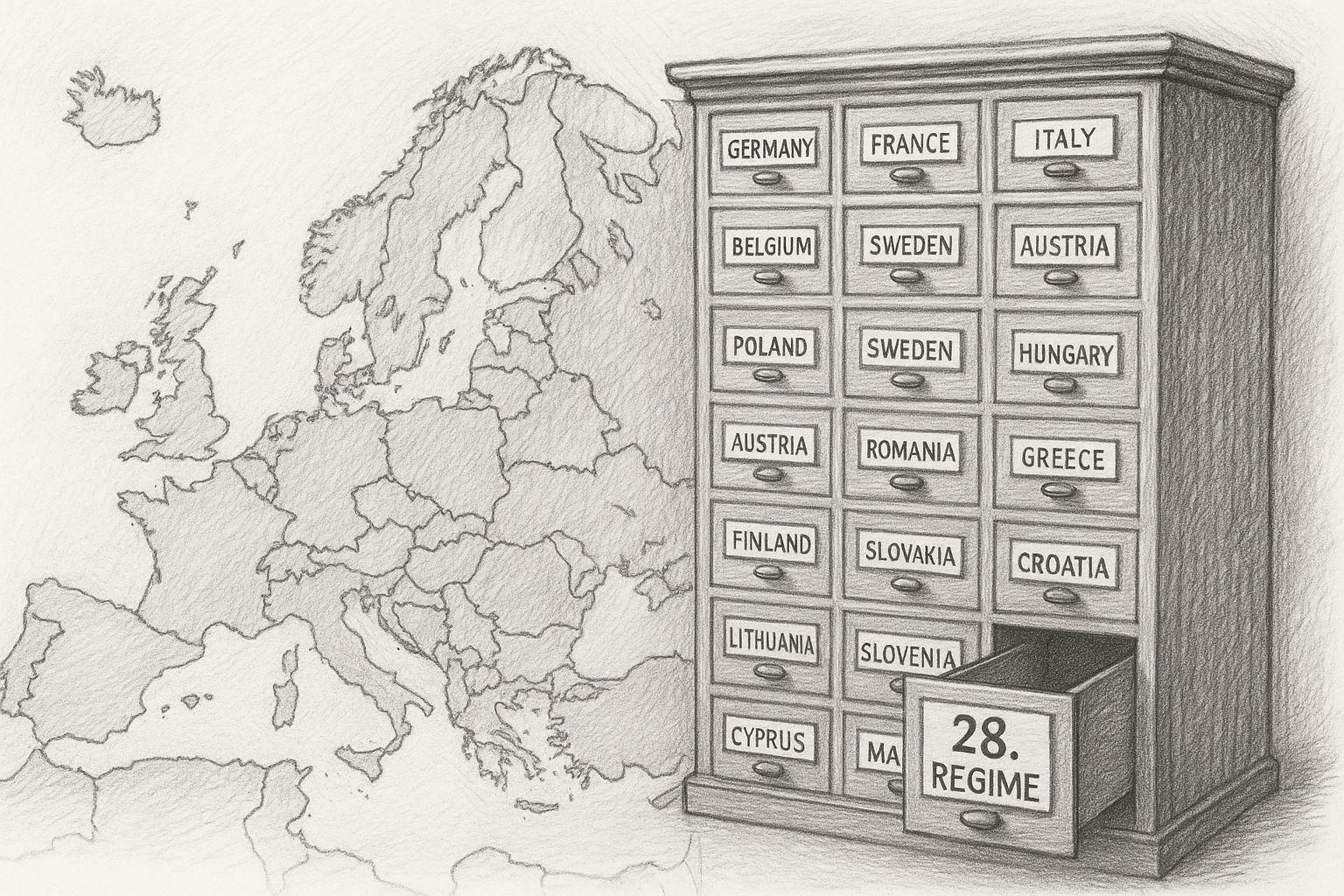
At the moment, half of Europe is talking about the so-called „28th regime“. Many are wondering what this is actually supposed to be. A new state? A secret EU project? Or just another attempt to modernize the single market? In fact, it is a concept that sounds grand, but in essence describes an additional form of company that is supposed to be optional and purely voluntary. The name „28th regime“ comes from the fact that there would be another set of rules in addition to the 27 national legal systems - like an additional tool in an already full toolbox.

The idea behind it did not come about overnight. Start-ups, investors and some SMEs have been complaining for years that the EU consists of 27 very different economic areas. Depending on which country you start up in, you have to follow different rules: different founding formalities, different liability rules, different requirements for employee participation or raising capital. This is an obstacle for international tech companies and often a deterrent for founders. This is precisely where the EU institutions want to start.

Read more

What does the voltage drop in Germany mean - and what would the specific consequences be?

Tension case-Germany-2025

In times of increasing international tensions, a term keeps cropping up in political debates that many citizens hardly know how to categorize: the "State of tension". But what does it mean in concrete terms when this case is established in Germany? And how does the case of tension differ from the better-known case of defense, which is usually associated with an actual war? In order to be able to correctly assess the possible consequences, it is worth taking a sober look at the constitutional situation.

Read more

Fitness for war, conscription & refusal: what to do in an emergency

Conscription: refuse military service

At a time of increasing geopolitical tensions, many people in Germany are wondering what could happen to them in the event of a reintroduction of compulsory military service or a military escalation. Even though general conscription has been suspended in Germany since 2011, the constitutionally guaranteed right to refuse military service with a weapon for reasons of conscience still applies. This article provides a factual overview of the legal basis, the possible target groups, the procedure and the points to be observed, without replacing legal advice in individual cases.

Read more