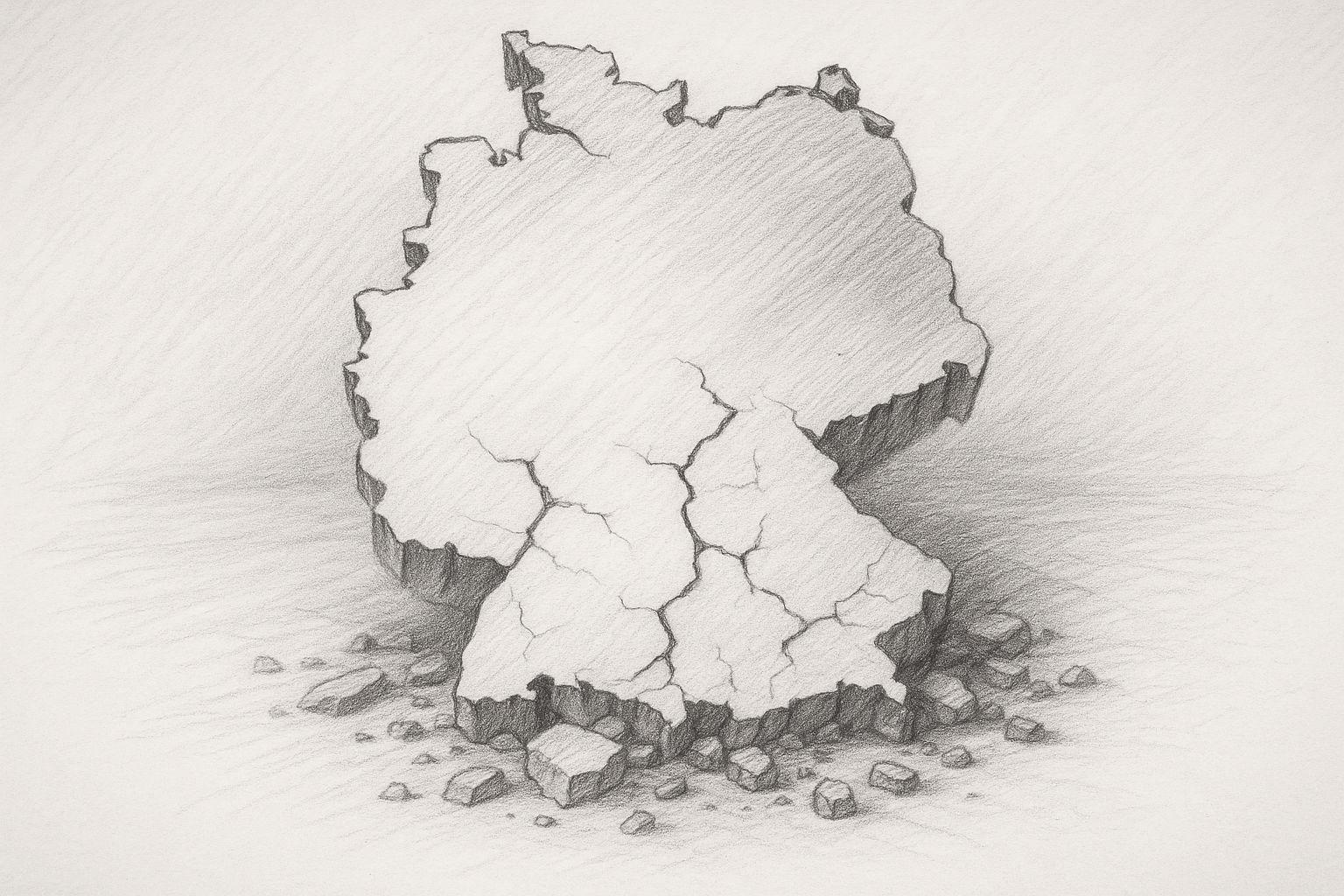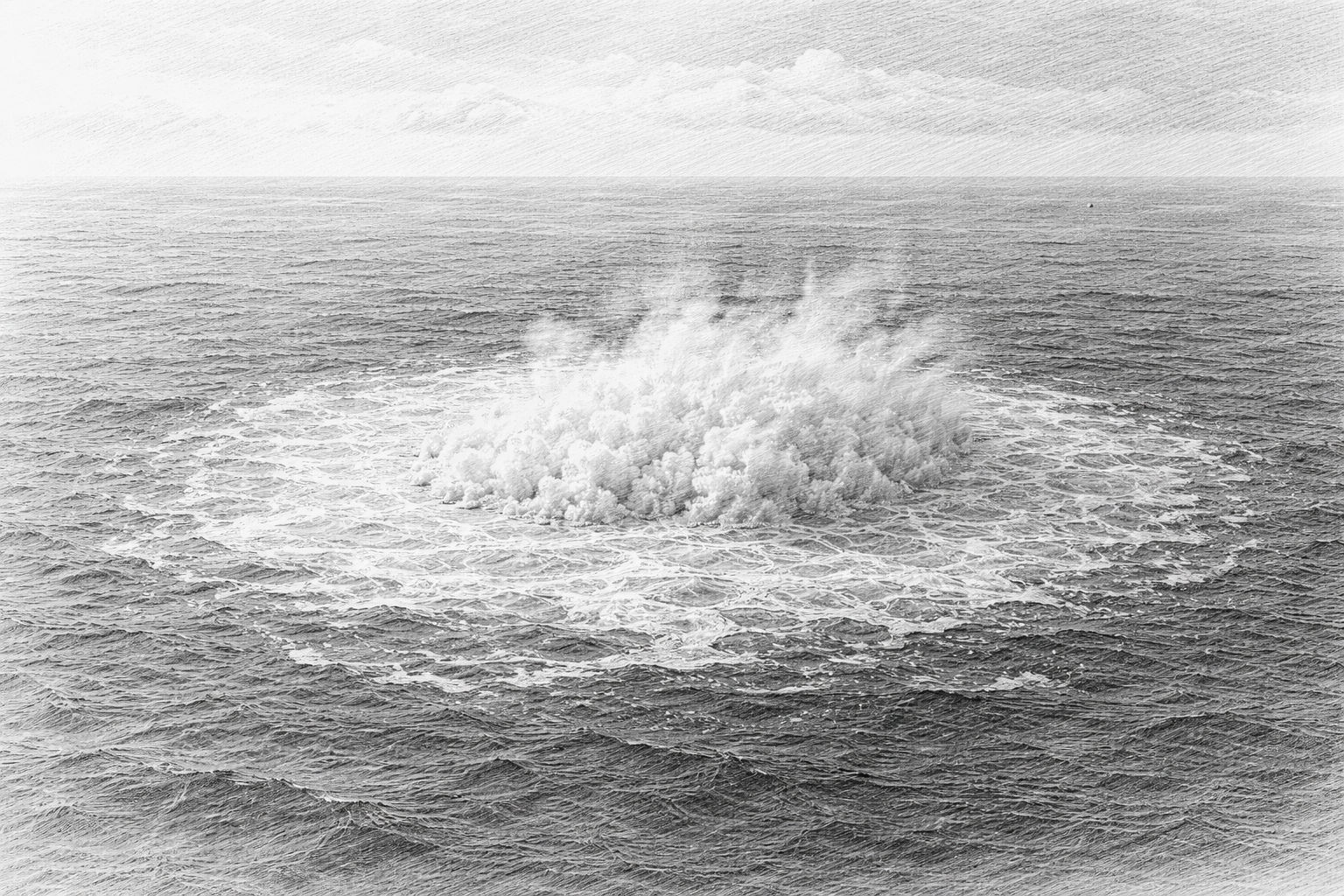
Nord Stream demolition: sabotage, power politics and the uncomfortable unanswered questions

Nord Stream blasting

When people talk about energy, many think first of electricity - of light, of sockets, of power stations. In reality, however, Europe's everyday life depends on a quieter foundation: heat and process energy. Over the decades, natural gas has become a kind of invisible backbone. Not because it is particularly „beautiful“, but because it is practical: it is easy to transport, relatively flexible to use and can be reliably supplied in large quantities. For private households, this means heating and hot water. For industry, it means one thing above all: predictable production.

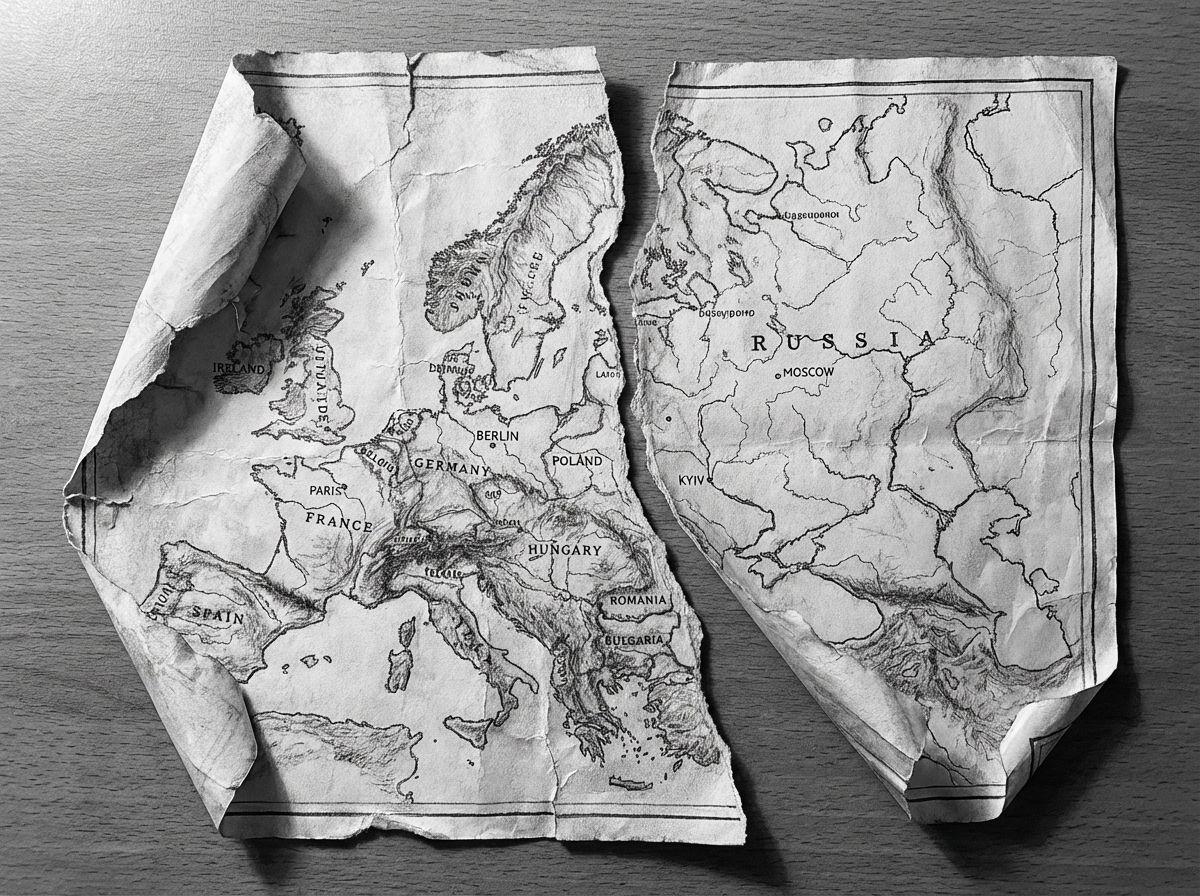
Particularly in industries such as chemicals, glass, steel, paper, ceramics or fertilizers, energy is not simply a cost factor that is „optimized“. Energy is an integral part of the process. If it fails or becomes unreliable, it is not just one machine that comes to a standstill - often an entire plant, sometimes an entire supply chain. This is the point at which „energy policy“ ceases to be an abstract controversial issue and begins to have a very concrete impact on jobs, prices, availability and stability. Anyone who has understood this also understands why Nord Stream was far more than just an infrastructure project on the seabed for Europe.
Read more

Electric car, hybrid and e-scooter: a realistic view beyond ideology

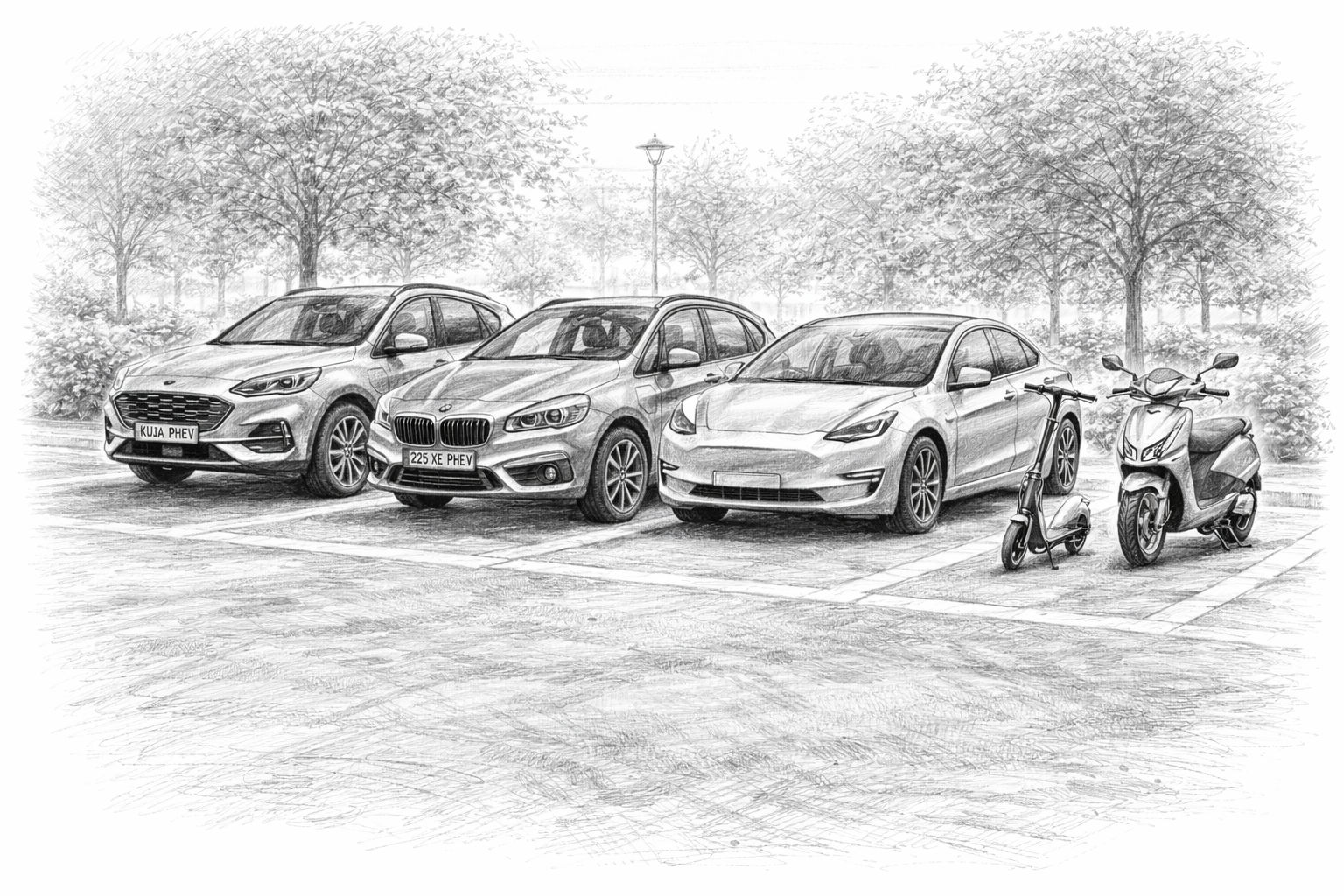
Electromobility - e-scooter/scooter, hybrid, electric car

For many people, electromobility is an abstract topic, characterized by political debates, subsidy programs and marketing promises. In practice, however, a completely different picture emerges as soon as you drive an electric vehicle yourself. Today, personal experience often goes further than any theoretical discussion - from e-scooters and electric scooters to hybrid vehicles.

This perspective is important because electromobility rarely starts where it is publicly discussed. It doesn't start with the electric car, but much earlier - with small, lightweight vehicles, short distances and very pragmatic everyday issues.

Read more

Propaganda: history, methods, modern forms and how to recognize them

What is propaganda?

For many - and I felt the same way myself for a long time - propaganda was something you learned about in history lessons. A topic that seemed to be firmly established: in the Third Reich, perhaps even in the GDR, i.e. in clearly defined, authoritarian systems. We were taught that propaganda existed there because these systems needed it - and that it didn't really play a role in an open, democratic society like the Federal Republic of Germany.

This view was comfortable. And it was plausible for a long time. Because propaganda was almost always shown as something obvious: as a slogan, as a poster, as martial imagery. Something that you recognize as soon as you see it - and from which you can distance yourself internally. Today, this certainty seems fragile. Not because people have suddenly changed, but because the form of influence has changed. And that is precisely why it is worth clarifying calmly and without agitation what propaganda actually is - and what it is not.

Read more

Understanding high energy prices in Germany: Gas, electricity and gasoline explained simply

Energy prices in Germany

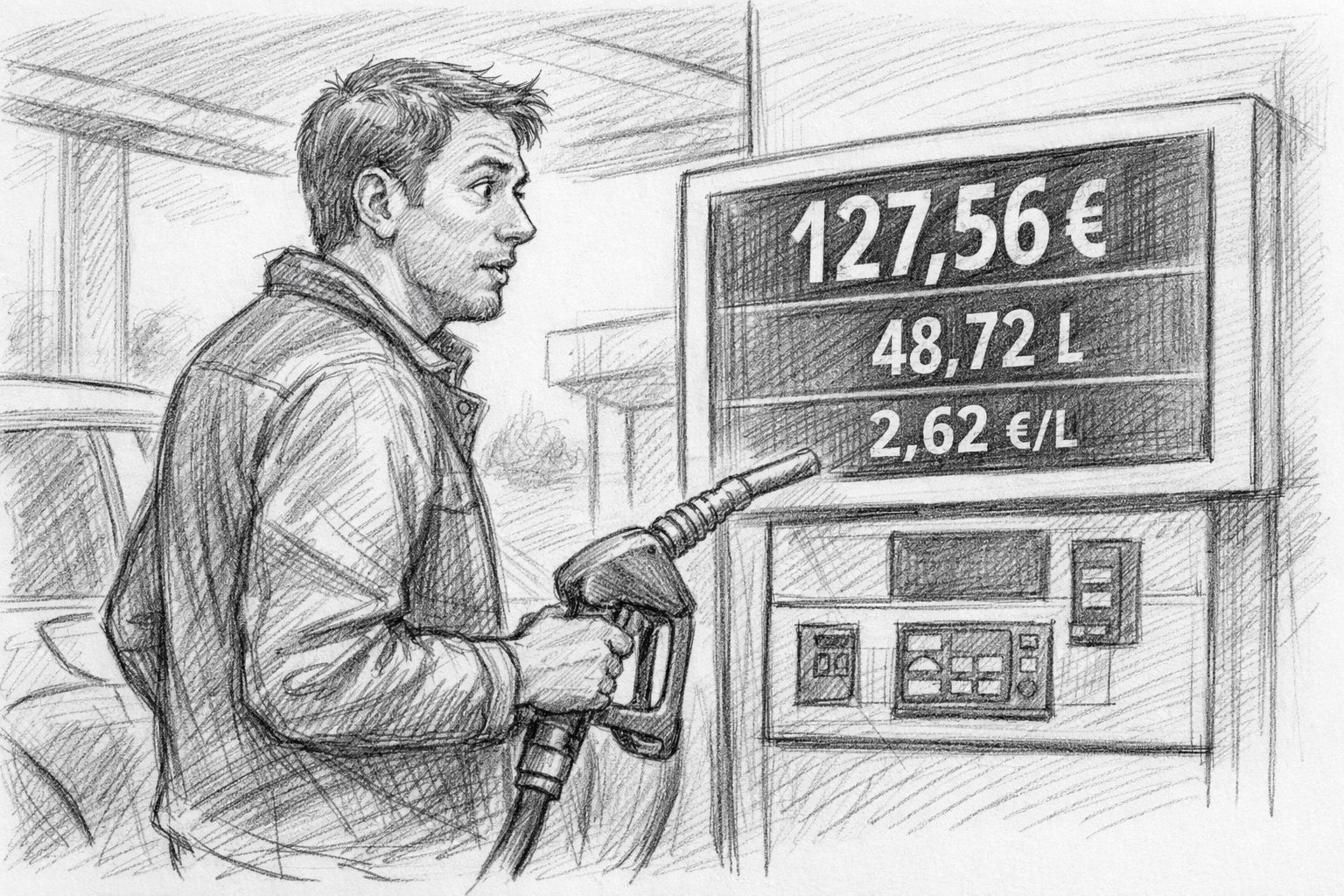
I am comparatively unaffected by high energy prices in my everyday life. I mainly work with Apple computers that have been optimized for efficiency for years and move around the city almost exclusively electrically. Soberly speaking, that doesn't cost the earth. And yet I can't shake off one thought: all around us, companies are coming under pressure, production facilities are closing or relocating. The same phrase keeps cropping up in conversations, reports and side notes:

Energy prices are too high.

If you take a closer look, a strange contradiction emerges. For many private individuals, energy has become noticeably more expensive, but is still manageable. For companies, on the other hand, it seems to be increasingly threatening their existence. This inevitably raises the question: What is the actual reason for this? And why is it so difficult to get a clear, understandable answer?

Read more

Jeffrey Sachs warns Germany: Why Europe's security needs to be rethought

Jeffrey Sachs writes open letter to Chancellor Merz

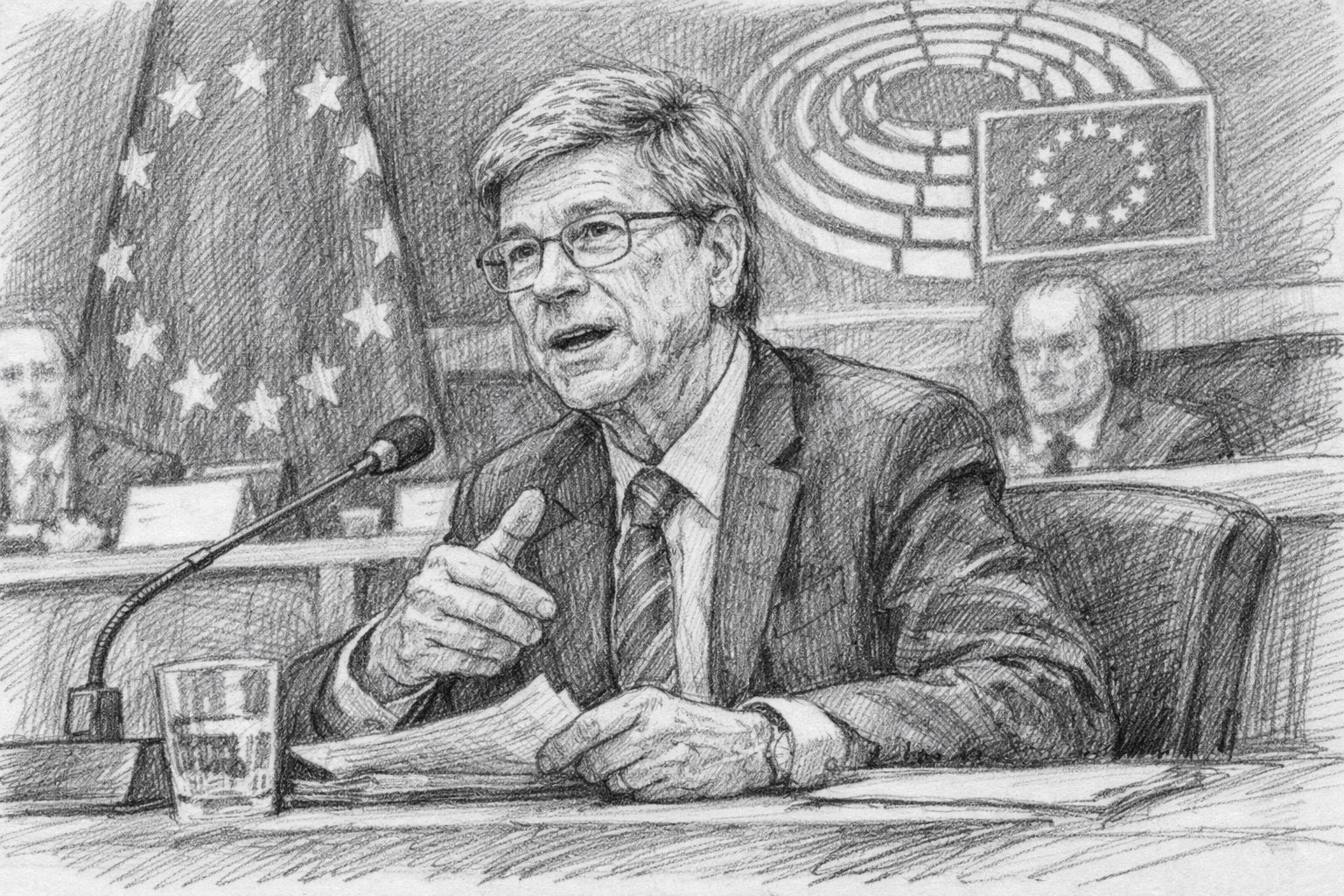
In his open letter to German Chancellor Friedrich Merz, published in the Berliner Zeitung on December 17, 2025, the well-known economist and professor Jeffrey D. Sachs speaks out with a clarity that has become rare in the current European debate. Sachs speaks not as an activist, not as a partisan and not as a commentator from a distance, but as an economist and political advisor who has worked for decades at the central interfaces of international crises, security architectures and economic upheavals. The open letter contains an unusually sharp quote:

„Learn history, Mr. Chancellor.“

Read more

Game theory explains 25 years of geopolitics: How Europe lost its strategic role

Game theory explains 25 years of geopolitics

For many, game theory sounds like dry mathematics, like formulas, like something that only plays a role in lectures or business games. In reality, however, it is an ancient thinking tool that existed long before its academic formalization. Diplomats used it, commanders used it, captains of industry used it - long before it was even called that. In the end, it is nothing more than a sober question:

„When several players have to make decisions in an uncertain situation - what options do they have and what are the consequences?“

This kind of thinking has become surprisingly rare today. Instead of analyzing alternatives, much is narrowed down to moral narratives or spontaneous interpretations. Yet in geopolitical issues in particular, a clear analysis of the possibilities would be the foundation of any mature policy. It is precisely this old craft that I would like to take up again in this article.

Read more

Permanent crisis as a normal state: How narratives distort our perception

Permanent crisis, narratives

It's strange how certain developments creep up quietly and only reveal their full impact in retrospect. When I think about how I perceive the news today, I realize that my approach to it changed fundamentally more than twenty years ago. Since the turn of the millennium, I have hardly watched any traditional television news. It was never a conscious decision against something - more a gradual growing out of it. At some point, I simply realized that the daily bombardment of alternating doomsday scenarios was neither improving my life nor making my vision clearer.

Read more

State of the German economy in 2025: Five years of crisis, figures, trends and outlook

State of the German economy in 2025

If you look at the German economy today, it is almost impossible to separate the last five years. It was a chain of events that overlapped, reinforced and in some cases blocked each other. The starting point was 2020 - the year in which the pandemic brought public life, supply chains and entire industries to a standstill in one fell swoop. Many companies had to close, production was interrupted and government aid was provided to prevent the economy from collapsing completely in the short term.

However, what seemed like a temporary exceptional situation at the time developed into something bigger: The consequences of the decisions made at the time still affect the everyday lives of entrepreneurs, the self-employed and employees today. Anyone who thought back then that after a few months everything would be „as it used to be“ can now see that many things have changed permanently.

Read more