Why distance is not a retreat - and how a freeze-out creates orientation

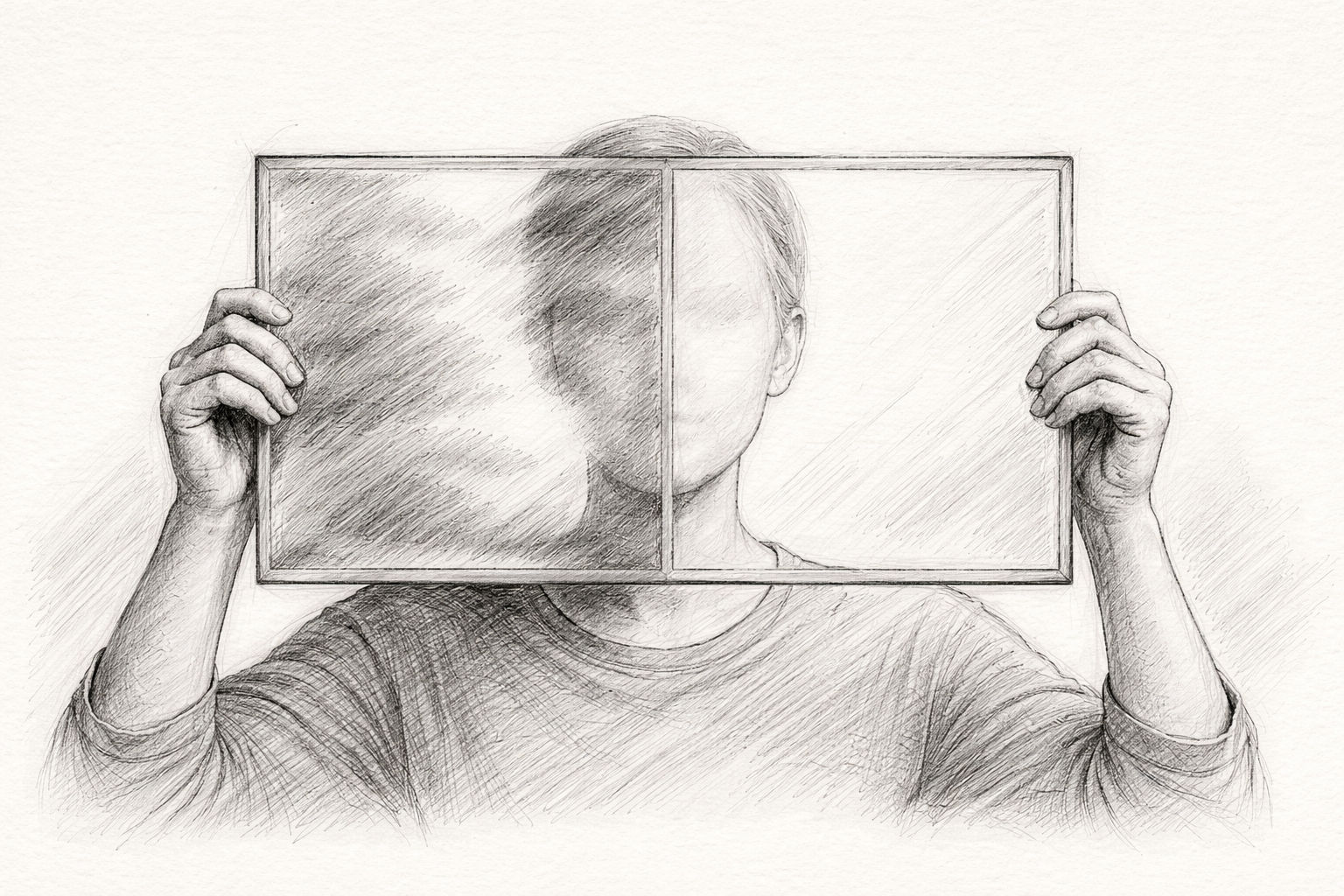
Freezeout - distance in crises

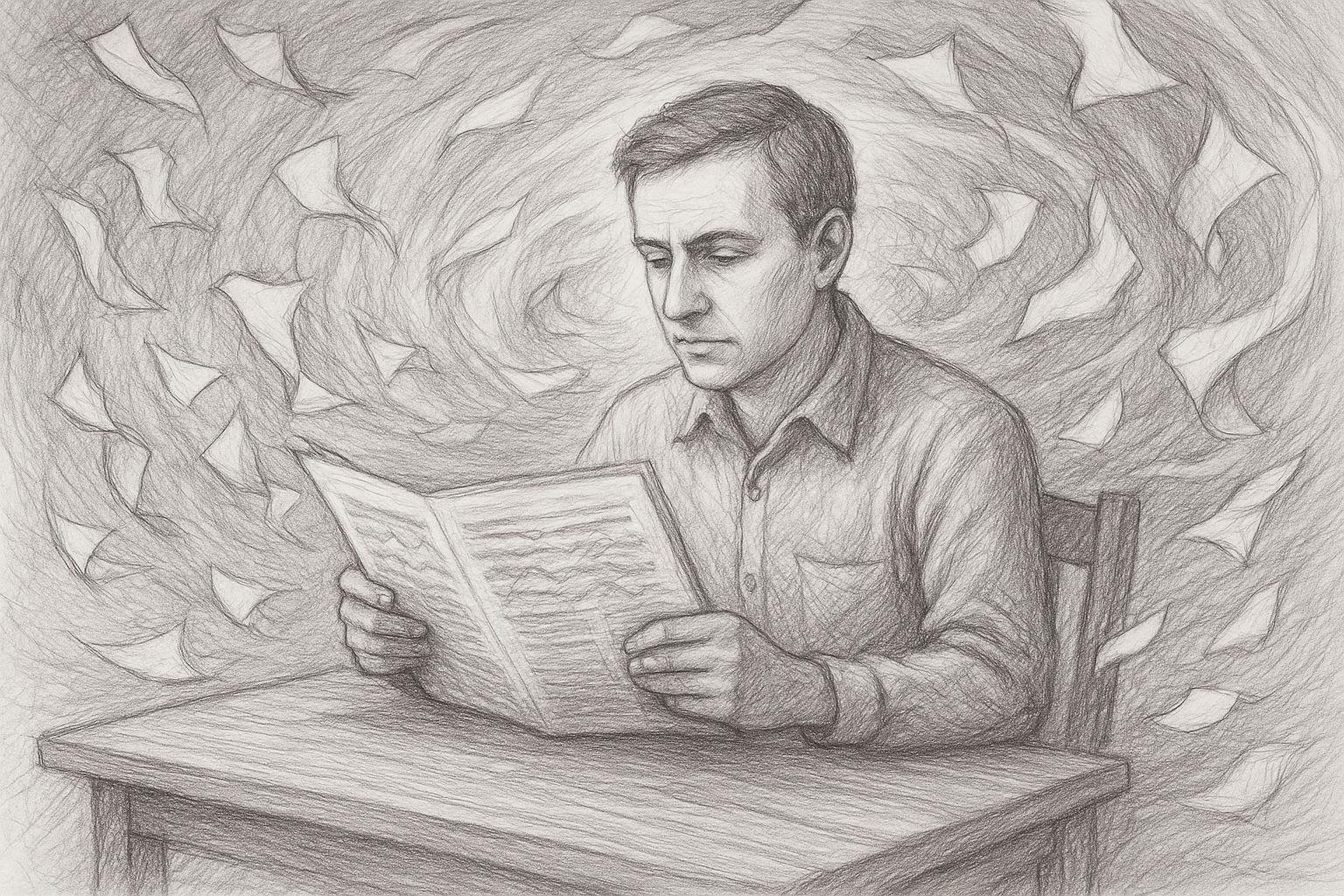
When you are in the middle of a crisis, everything seems urgent. You have the feeling that you have to act immediately, speak immediately, decide immediately. And there is often a second feeling on top of that: If you don't keep at it now, everything will slip away. That's understandable. It's also human. But this is exactly where the mistake often begins.

Because closeness is not automatically clarity. Proximity can also mean that you are too close to see what is really happening. Just like you can't recognize a painting if your nose is stuck to the canvas. You then only see individual brushstrokes - and think they are the whole painting.

A freeze-out, properly understood, is nothing more than a step back. Not to run away, but to be able to see again.
Read more

Propaganda: history, methods, modern forms and how to recognize them

What is propaganda?

For many - and I felt the same way myself for a long time - propaganda was something you learned about in history lessons. A topic that seemed to be firmly established: in the Third Reich, perhaps even in the GDR, i.e. in clearly defined, authoritarian systems. We were taught that propaganda existed there because these systems needed it - and that it didn't really play a role in an open, democratic society like the Federal Republic of Germany.

This view was comfortable. And it was plausible for a long time. Because propaganda was almost always shown as something obvious: as a slogan, as a poster, as martial imagery. Something that you recognize as soon as you see it - and from which you can distance yourself internally. Today, this certainty seems fragile. Not because people have suddenly changed, but because the form of influence has changed. And that is precisely why it is worth clarifying calmly and without agitation what propaganda actually is - and what it is not.

Read more

Vicco von Bülow alias Loriot - order, form and the quiet resistance of humor

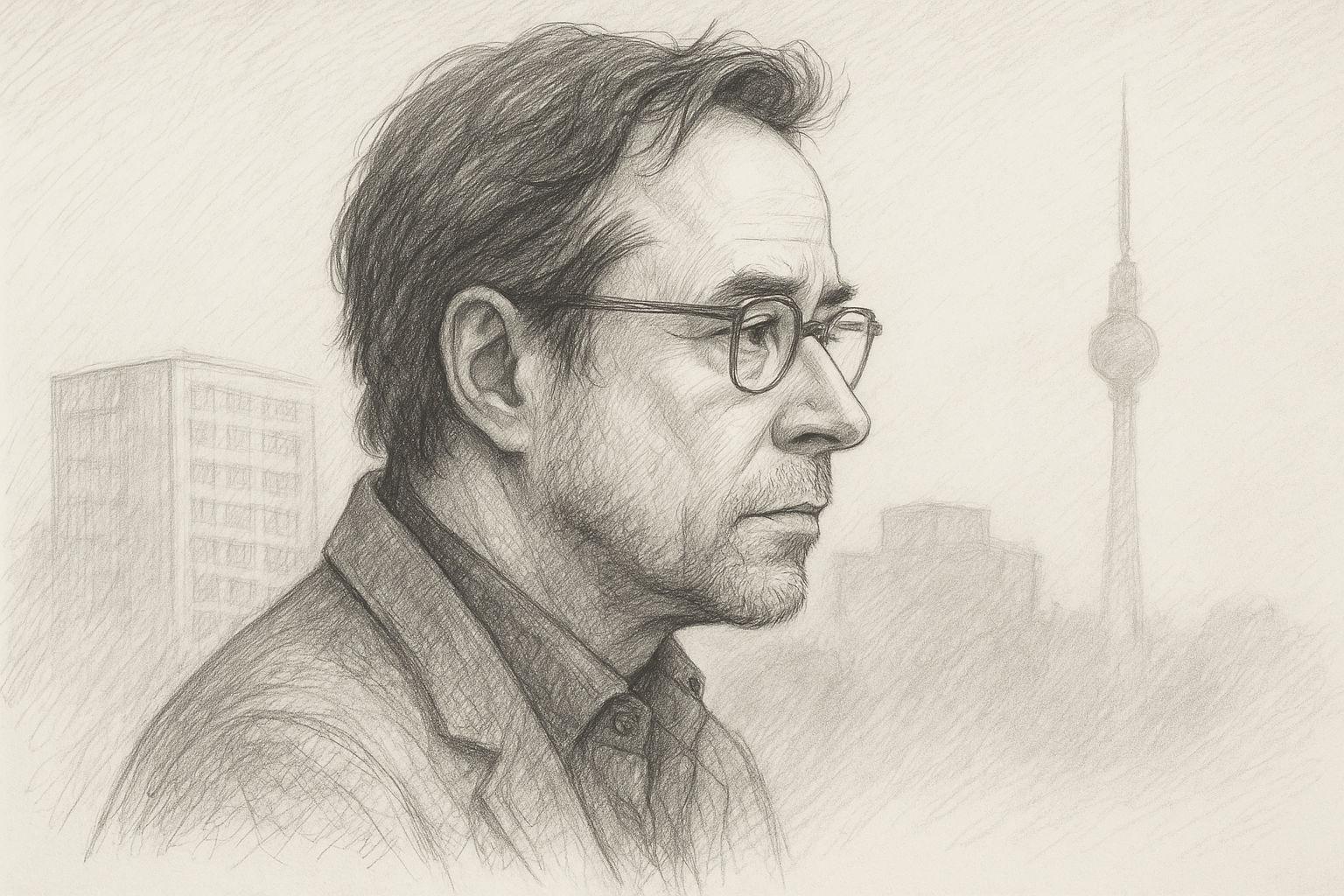
There are artists who put their opinions on paper like a stamp: visible, unmistakable, sometimes even a little cheap. And then there is Vicco von Bülow - Loriot - who embodies the opposite: Poise without bluster. He could be very clear when he wanted to be. But he didn't do it with a pointing finger, but with a precision that first leads to laughter and then - almost imperceptibly - delivers the seriousness. This is particularly evident in later interviews: he does not speak in slogans, but in nuances. There is often more plain language between the lines than can be found in many a loud speech.

And perhaps this is where the real portrait begins: not with the famous sketches, not with the quotes that everyone knows, but with the question of how a person becomes so that they can look at the world with both kindness and relentless precision.

Read more

Corporate insolvency: A personal experience with a guide for times of crisis

Guide to corporate insolvency

Looking back, it all started for me in 2007 with a business model that was surprisingly stable. I was selling refurbished Apple hardware and had a direct contact with Apple. More specifically, someone who was in charge of the refurbished department at the time. It wasn't an anonymous relationship, but a working relationship with clear agreements. The goods were in demand, the prices were realistic and the margins were solid - measured against what was to come later.

This model had a decisive advantage: it was flexible. The goods were cheaper to buy, the target group was price-sensitive but appreciative, and expectations were clear. Nobody expected high gloss, but function. This is often the healthiest phase for an entrepreneur: manageable costs, clear processes, few illusions.

Read more

Permanent crisis as a normal state: How narratives distort our perception

Permanent crisis, narratives

It's strange how certain developments creep up quietly and only reveal their full impact in retrospect. When I think about how I perceive the news today, I realize that my approach to it changed fundamentally more than twenty years ago. Since the turn of the millennium, I have hardly watched any traditional television news. It was never a conscious decision against something - more a gradual growing out of it. At some point, I simply realized that the daily bombardment of alternating doomsday scenarios was neither improving my life nor making my vision clearer.

Read more

Jan-Josef Liefers: A portrait of attitude, origins and artistic freedom

Jan-Josef Liefers

When you see Jan-Josef Liefers today as the eccentric Professor Boerne in „Tatort“, it's easy to forget how long it took to get there. I myself have always enjoyed seeing him in this role: as a mixture of subtlety, narcissism, humor and astonishing clarity. But this mixture doesn't come out of nowhere. It is the result of a life that began in a completely different Germany - in the GDR, in a country with narrow borders and clear guidelines.

To understand why Liefers takes such a consistent stance today, you have to go back to his childhood, to his parents' theater world and to a time when criticism of the system was anything but without consequences.

Read more

„The Magic Wall“: Two children's books that strengthen the courage of young readers

Children's books by Jana Kollmann

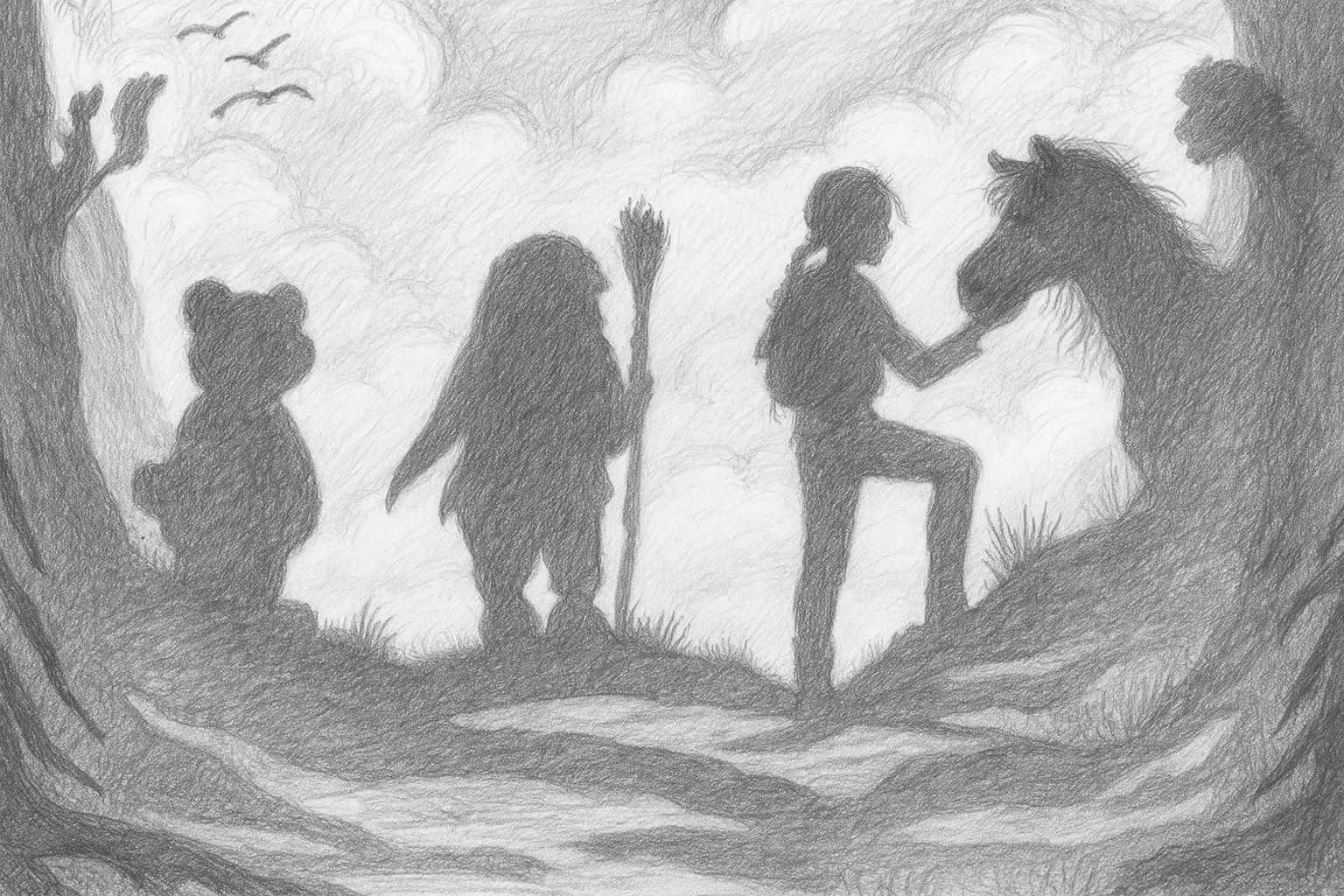
At a time when many children's books seem fast-paced and are often designed for short-lived effects, it is worth taking a look at works that have been written with real attention to detail. Books that take the time to build a world that not only entertains young readers, but also conveys courage, imagination and inner strength.

This is exactly the kind of book Jana Kollmann writes - an author whose roots, life path and artistic influence are recognizable in every line.

Read more

Career, world view, future: Decisions in the shadow of upheaval

Decisions in the shadow of upheaval

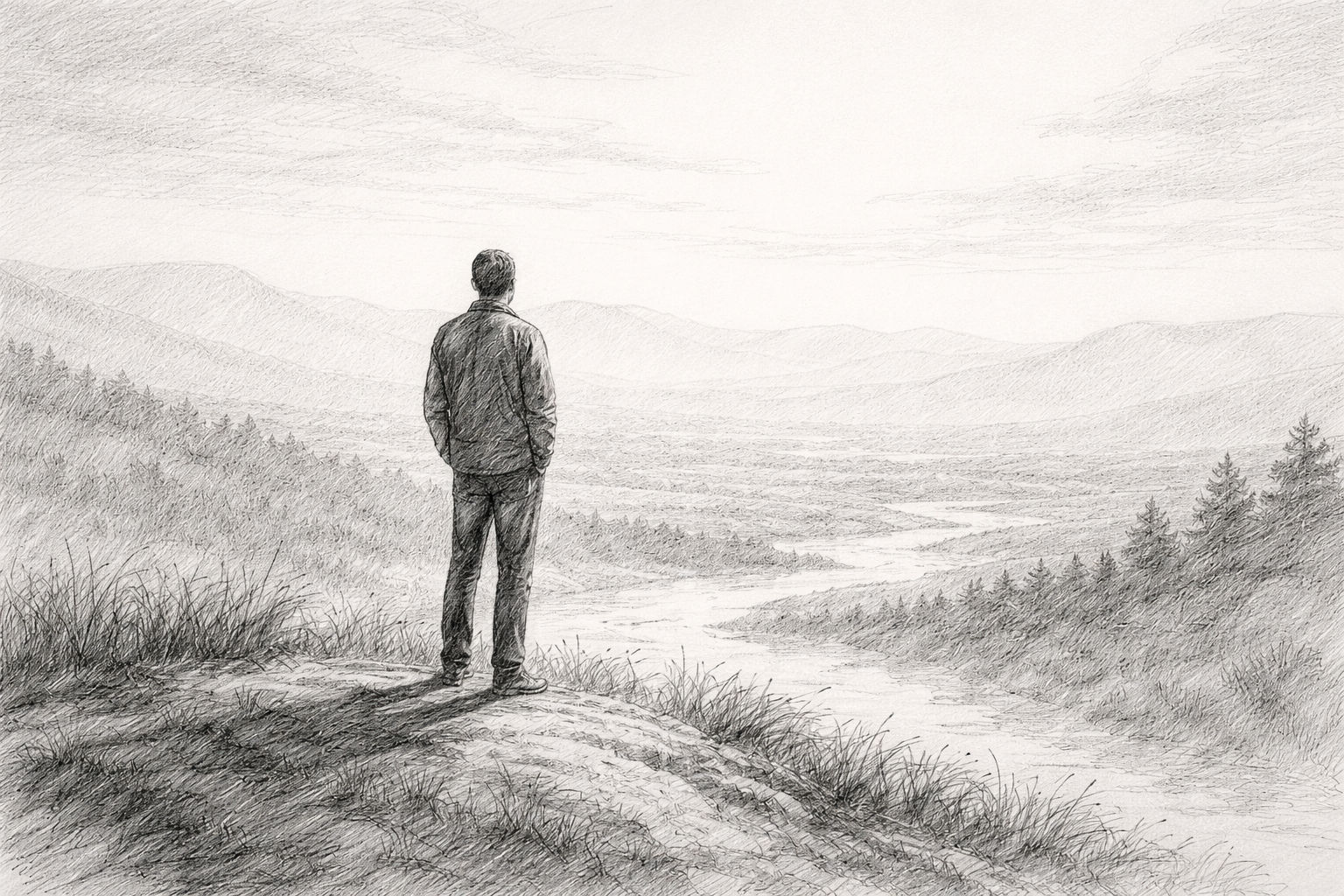
This is not a guide in the traditional sense. You won't find any career recommendations, tables of future industries or tips on the perfect job application here. Instead, it's about something deeper: attitude, orientation and the ability to see clearly - at a time when many things are no longer sustainable.

There are times in life when you feel inside that things can't stay the way they were. Not because you are suddenly dissatisfied. But because you can see that the world around you is changing - and not for the better. Many people today feel this quiet pain. A tugging in the background that won't go away. The feeling that what has been sold to us for decades as "security" has less and less to do with reality.

Read more