
Hardly any other part of the body is as complex and at the same time as underestimated as the jaw. It is not only responsible for enabling us to chew, speak and swallow - it is also part of a finely tuned system of muscles, tendons, joints and nerves that affects the spine and even the feet. If this system is out of sync, it can have far-reaching consequences - for the entire musculoskeletal system, for the nerve pathways and ultimately for a person's well-being. In the medical world, this is referred to as a Temporomandibular Disorder (TMD).


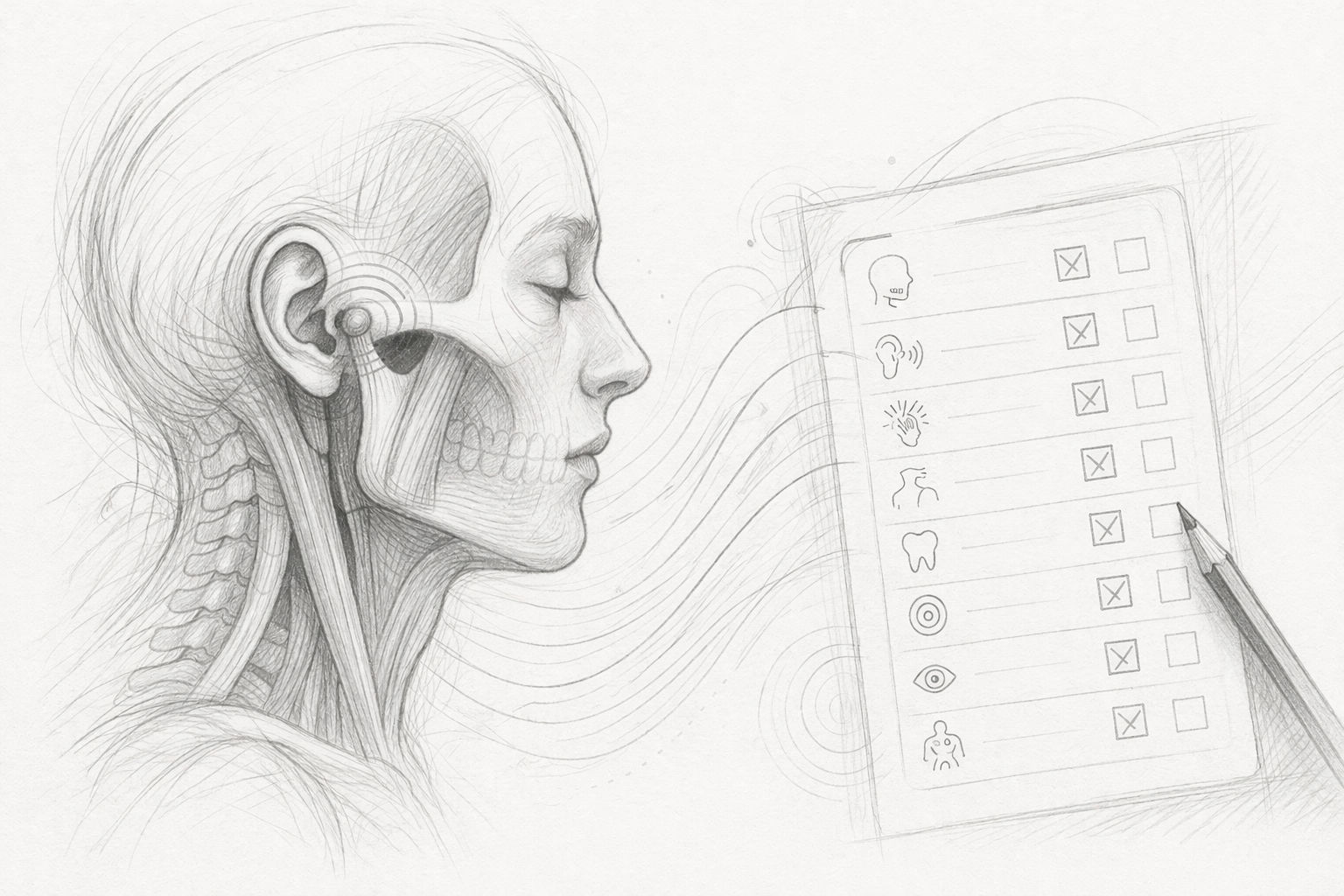
What at first glance appears to be a marginal dental diagnosis turns out, on closer inspection, to be a multi-layered complaint that affects millions of people - often without them even knowing it. Chronic headaches, tension in the neck, tinnitus, dizziness or even back problems: All of these can be caused by a dysfunctional interplay between the temporomandibular joint and muscles. In my book "TMD - The forgotten problem of modern medicine" I describe my entire history with craniomandibular dysfunction.
This first part highlights the close links between dental health, posture and TMD, explains typical symptoms and shows why an early diagnosis and individually adapted therapy - such as a bite splint - can not only protect teeth, but often also lead to a significant improvement in quality of life.
What is TMD anyway?
CMD stands for craniomandibular dysfunction - a functional disorder in the interaction of
- Jaw joints,
- Masticatory muscles and
- teeth (occlusion, i.e. the bite).
In plain language: When teeth, muscles and joints no longer interact harmoniously, an unhealthy level of tension develops - with sometimes massive effects on the entire body. CMD is not a disease in the narrower sense, but a disorder that can have a variety of causes and even more symptoms.
Teeth as a trigger for TMD
Tooth alignment plays a key role in CMD. Even the smallest changes - for example after
- Tooth loss,
- faulty filling or
- Poorly fitted crown
can lead to an imbalance in the bite. What happens then:
- The lower jaw has to „move out of the way“ - the chewing muscles tense up.
- The masticatory muscles pull on the neck, shoulders and spine via muscle chains.
- The temporomandibular joints are overloaded - cracking, rubbing or pain occur.
- The nervous system is irritated - to the point of tinnitus, migraines or visual disturbances.
Typical tooth-related causes of TMD:
- Tooth loss without replacement
- Root canal treated or displaced teeth
- Incomplete refurbishments
- Amalgam or plastic fillings of the wrong height
- Incorrect crowns or bridges
- Bruxism (teeth grinding), often caused by stress
TMD as a trigger for dental problems
Just as dental problems can trigger TMD, the reverse is also true: TMD can damage the teeth in the long term if they are constantly under an incorrect load. This means that
- Abrasion of the tooth substance (especially with grinding)
- Cracks in the tooth enamel (with chronic tension)
- Tooth loosening or even tooth loss (with permanent incorrect loading)
- Periodontal problems, as the surrounding tissue is no longer loaded evenly
- Overloading of dental nerves, which in turn can lead to root canal treatment or extractions
It is not uncommon for a vicious circle to begin: a badly stressed tooth becomes sensitive → it is spared → other teeth are overloaded → TMD worsens → new problems arise.
The invisible consequences: Posture, sleep, psyche
TMD is rarely limited to the oral cavity. Many sufferers notice symptoms whose cause they do not even suspect:
- Neck and shoulder tension - Muscular chains lead the faulty tension from the jaw to the back.
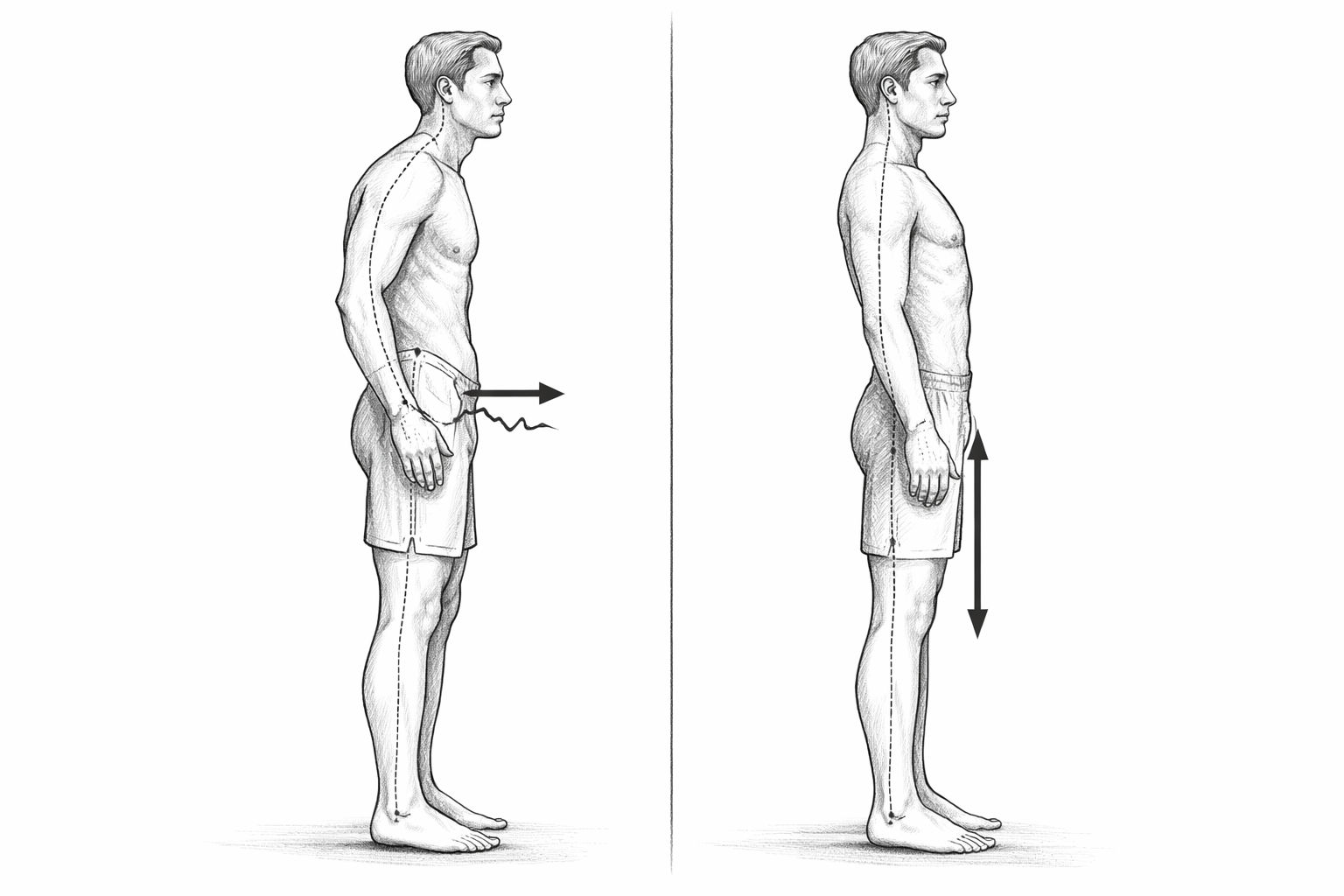
- Spinal problems & pelvic obliquity - The body tries to compensate for an incorrect bite position with compensatory postures - this literally goes „into the back“.
- Sleep problems and exhaustion - Clenching your teeth at night or poor posture due to TMD lead to disturbed sleep.
- Tinnitus and dizziness - Due to the proximity of the temporomandibular joint to the inner ear, TMD can also cause irritation here.
- Mental stress - Constant pain, exhaustion and helplessness often lead to psychological overload - and often to misdiagnoses (e.g. fibromyalgia, depression).
Why TMD is so rarely recognized
CMD is a classic „blind spot“ in medical care. Many doctors, dentists and therapists only look at „their“ specialty - the holistic view is missing. Typical misdiagnoses:
- Tension headache
- Burnout
- Herniated disc
- Dizziness without cause
- Irritable stomach
- Psychosomatics
CMD patients often go a long way from doctor to doctor before anyone recognizes the connection - if at all.
What you can do for your dental health with TMD
The key lies in early diagnosis and holistic therapy, e.g:
- TMD occlusal splintrelieves the jaw joint, ensures better muscle balance
- Dental restorationDetect and adjust defective or excessively high fillings in particular
- Dental cleaning & careLong-term preservation of the tooth substance, especially with TMD
- Physiotherapy & Osteopathyto release tension and correct posture patterns
- Stress managementbecause psychological stress is a CMD driver - even for crunchers
Due to the variety of symptoms, it is important to have good body awareness and to know where the symptoms are coming from, especially in the case of CMD. On this topic I have a separate article written.
Dentistry of the future - How far along is research really?
For decades, losing a tooth was an irreversible event. Once you had lost a tooth, you could only replace it with dentures, bridges or implants - artificial, expensive and not without risks. But this is precisely where a medical revolution is taking place, one that questions nothing less than the basic principles of dentistry: Could lost teeth simply grow back in the future?
What sounded like science fiction for a long time is now being seriously investigated in research laboratories around the world. Novel therapeutic approaches based on Stem cells, Growth factors and more targeted Gene signal control promise nothing less than the biological regeneration of teeth - either by activating the body's own processes or by inserting cultivated tooth germs.
In this second part, we take a look beyond the boundaries of conventional dentistry: What approaches are there? Which of them are already in clinical trials? And how realistic is it that we will be able to do without dental implants in the near future? The focus here is on the current state of research - factual, well-founded and with a critical look at the actual feasibility. The connection to CMD therapy also becomes clear: because those who can do without artificial dentures in the long term also have a better chance of maintaining the complex balance in the masticatory system.
1 USAG-1 antibodies: The greatest sources of hope to date
Concept: For evolutionary reasons, humans may still have a rudimentary „third dentition“ (row of teeth). The Protein USAG-1 blocks the development of these teeth. If the blockade is removed using neutralizing antibodies, a complete tooth can grow back - at least in animal experiments.
Experimental successes: In mice and ferrets, the USAG-1 antibody to the formation of supernumerary or even fused teeth - real tooth growth.
First clinical step: In Japan, the first Phase I studies with children (2-6 years) who have become edentulous due to genetic disorders. Aim: to check safety and stimulate natural tooth development.
Forecast: If everything runs smoothly: Market maturity by around 2030 - a revolution for edentulism, especially in cases of congenital tooth loss.
2. dental pulp stem cells (DPSCs & SHED): progress in regeneration
- Knowledge base: DPSCs (dental pulp stem cells) from dental pulp or milk teeth can be obtained easily and non-invasively. They have high division rates and can develop into bone cells, nerve cells or cells of the periodontium.
- Clinical application: In a randomized, controlled Study 2025 the injection of allogeneic DPSCs in periodontitis patients showed safe regeneration of gum and bone structures - with good tolerability and without serious side effects.
- Pulp regeneration: Latest approaches combine DPSCs with special biomaterials such as nucleus pulposus microspheres to create a regenerative microclimate for the dental nerve (pulp). Initial animal models show promising results.
3. enamel formation and tooth build-up from the laboratory
- Artificial tooth enamelResearchers at the University of Washington have developed organoids that produce enamel-forming proteins - a first step towards possible repair gels for tooth damage.
- Lab-grown human teethScientists in the UK have grown human teeth in the laboratory that can be physically integrated into the jaw - an ideal replacement for implants and fillings.
Between functional therapy and the future of medicine
Dealing with CMD and general dental health leads to a realization that is as simple as it is profound: our jaw is not an isolated system, but part of a subtle, holistic interplay of body and mind. If this balance is disturbed, symptoms can arise that go far beyond the oral cavity - and are often misinterpreted or not even recognized for years.
At the same time, a look at medical research shows how dynamically the field of dentistry is developing. Approaches that seemed unthinkable just a few decades ago - such as the regrowth of real teeth - are not just a vision today, but are already within reach in some countries. Anyone who suffers from CMD today or needs dentures can therefore look to the future with a certain amount of confidence.
 But as exciting as all these developments are: In the end, the most important insight remains timeless - that prevention, mindfulness and early treatment are often the best medicine. After all, if you take the strain off your temporomandibular joints, pay attention to your posture and deal with possible warning signs in good time, you create the best conditions for a life with healthy teeth - and also with more balance throughout your body.
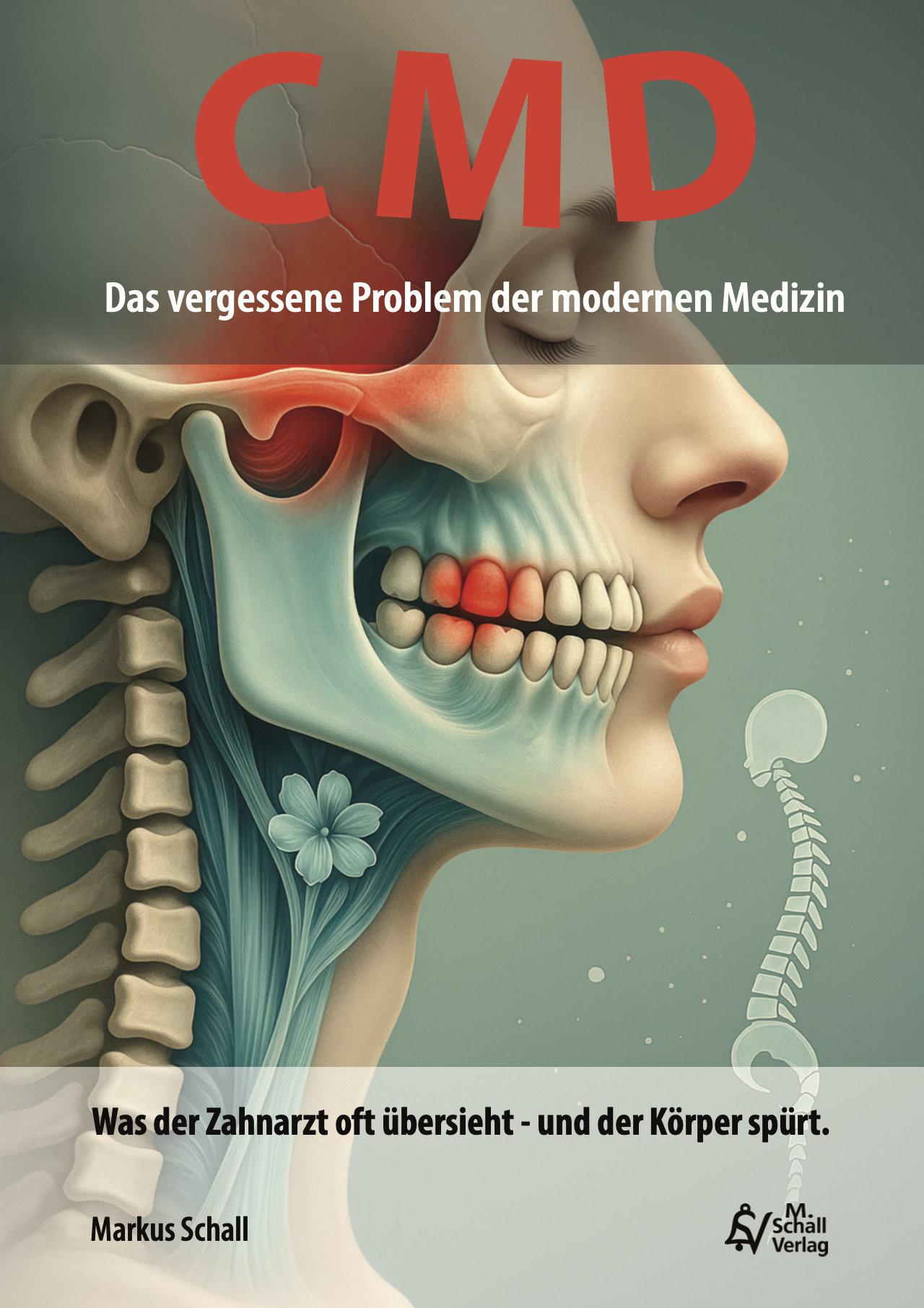
Many more experiences with the recognition, diagnosis and treatment of TMD are described in my book „CMD - The forgotten problem of modern medicine“ which can be purchased in bookshops in German and English.




Frequently asked questions
1 What exactly is TMD?
CMD (craniomandibular dysfunction) refers to a malfunction in the interaction between the jaw, muscles and joints. It can cause a variety of complaints - from jaw clicking to back pain or headaches.
2 What role does dental health play in TMD?
A central one! Misalignments, worn teeth or incorrect bite patterns can permanently irritate the jaw muscles and promote or exacerbate TMD.
3. Can TMD cause tooth damage?
Yes, many TMD patients clench or grind their teeth unconsciously (bruxism), which can lead to chipping, cracks or even tooth loss.
4. Does a bite splint really help against TMD?
In most cases, yes. A customized, hard splint can relieve the jaw position, soothe the muscles and reduce consequential damage.
5 What other complaints can TMD cause?
In addition to jaw and facial pain, tinnitus, dizziness, shoulder tension, migraines, neck problems - the symptoms often extend far beyond the mouth.
6 Can TMD be cured permanently?
This depends on the individual case. Many sufferers experience a significant improvement with the right splint therapy and accompanying physiotherapy - in some cases even complete freedom from symptoms.
7 Is it really possible to regrow natural teeth?
Research projects such as the USAG-1 antibody procedure show that this is theoretically possible. Initial clinical studies are underway - particularly in genetically edentulous children.
8. when could such methods be available for adults?
If all goes well, regenerative dental therapies could come onto the market from around 2030 - initially for special cases, and later possibly for wider use.
9 What is the difference between stem cell therapy and tooth growth?
Tooth growth (e.g. via USAG-1) is aimed at the complete regeneration of entire teeth. Stem cell therapies, on the other hand, help to regenerate the periodontium, gums or pulp - in other words, they are more of a repair than a replacement.
10. are such therapies associated with risks?
The risk is currently low - at least in early studies with DPSCs there were no serious side effects. However, long-term effects and individual suitability still need to be researched.
11. could the classic implant soon become superfluous?
In the long term, yes. If teeth can actually grow back biologically or be cultivated in the laboratory, implants could be replaced by natural alternatives - but not before 2040.
12. can I prepare myself today for future therapies?
By keeping teeth and jaws in good condition, you create the best conditions: e.g. through CMD therapy, splint protection and careful dental care. If you want to preserve milk teeth or wisdom teeth for stem cell extraction, you should seek serious advice - many offers are currently still being marketed.
Photo (c) mauriciodonascimento@pixabay
