Why distance is not a retreat - and how a freeze-out creates orientation

Freezeout - distance in crises

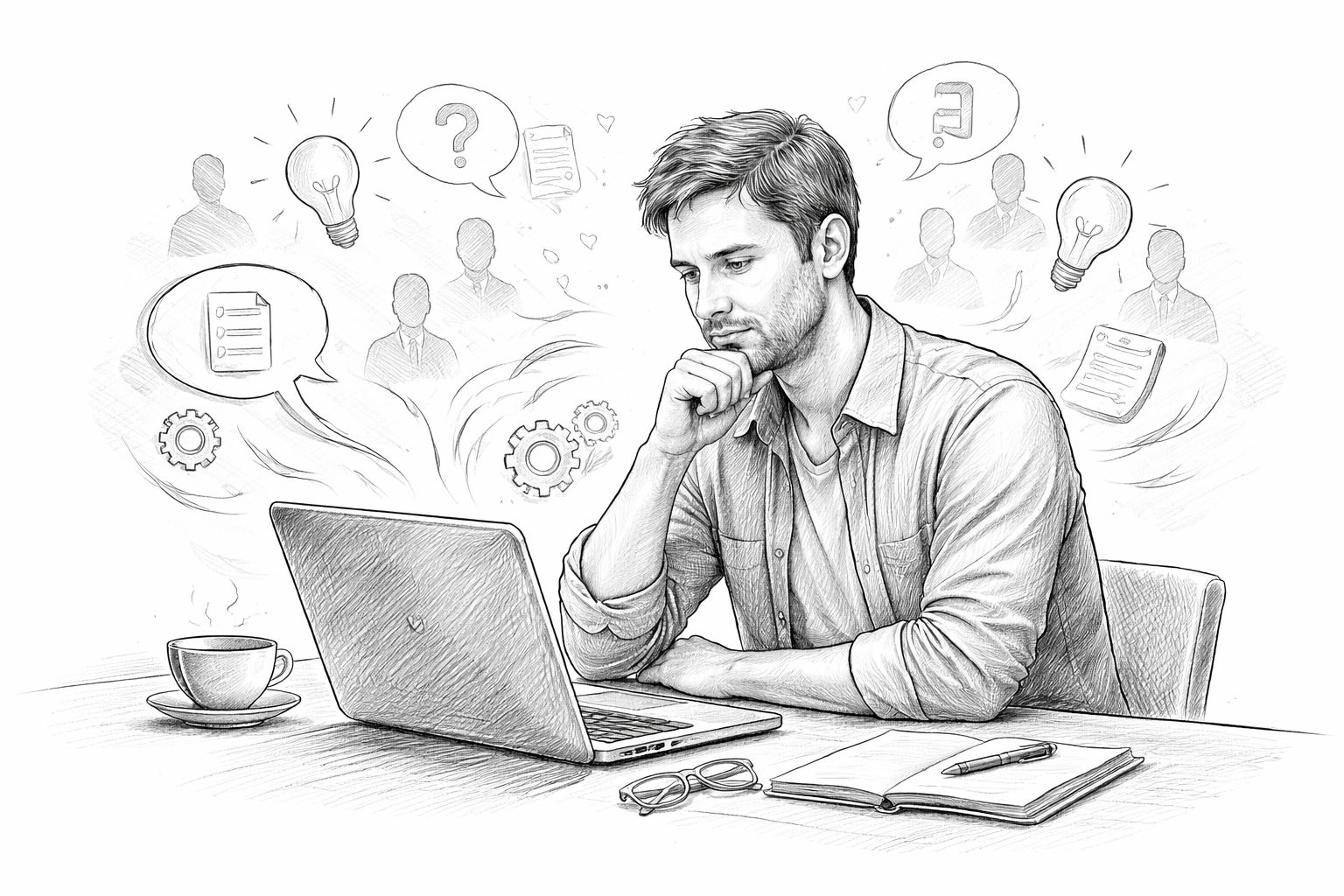
When you are in the middle of a crisis, everything seems urgent. You have the feeling that you have to act immediately, speak immediately, decide immediately. And there is often a second feeling on top of that: If you don't keep at it now, everything will slip away. That's understandable. It's also human. But this is exactly where the mistake often begins.

Because closeness is not automatically clarity. Proximity can also mean that you are too close to see what is really happening. Just like you can't recognize a painting if your nose is stuck to the canvas. You then only see individual brushstrokes - and think they are the whole painting.

A freeze-out, properly understood, is nothing more than a step back. Not to run away, but to be able to see again.

Read more

Using AI as a sparring partner: How thinking in dialog becomes more productive

AI as a savings partner

I've been using artificial intelligence for almost exactly two years now. In the beginning, it was sober and technical: entering text, typing prompts, reading answers, correcting, retyping. The way many people did it - carefully, in a controlled manner, with a certain distance. It worked, no question. But there was still something mechanical about it. You asked questions, got answers, ticked them off.

I realized relatively early on that I was missing something: flow. Thinking is not a form. Good thoughts don't come from a corset of neatly formulated input, but from talking, trying things out, thinking aloud. So I started to use the AI app on my cell phone more often - and at some point I simply started speaking instead of typing. That was the real turning point.

Read more

Corporate insolvency: A personal experience with a guide for times of crisis

Guide to corporate insolvency

Looking back, it all started for me in 2007 with a business model that was surprisingly stable. I was selling refurbished Apple hardware and had a direct contact with Apple. More specifically, someone who was in charge of the refurbished department at the time. It wasn't an anonymous relationship, but a working relationship with clear agreements. The goods were in demand, the prices were realistic and the margins were solid - measured against what was to come later.

This model had a decisive advantage: it was flexible. The goods were cheaper to buy, the target group was price-sensitive but appreciative, and expectations were clear. Nobody expected high gloss, but function. This is often the healthiest phase for an entrepreneur: manageable costs, clear processes, few illusions.

Read more

Permanent crisis as a normal state: How narratives distort our perception

Permanent crisis, narratives

It's strange how certain developments creep up quietly and only reveal their full impact in retrospect. When I think about how I perceive the news today, I realize that my approach to it changed fundamentally more than twenty years ago. Since the turn of the millennium, I have hardly watched any traditional television news. It was never a conscious decision against something - more a gradual growing out of it. At some point, I simply realized that the daily bombardment of alternating doomsday scenarios was neither improving my life nor making my vision clearer.

Read more

The Affinity graphics suite becomes free: What professional users need to know now

Affinity graphics suite free of charge

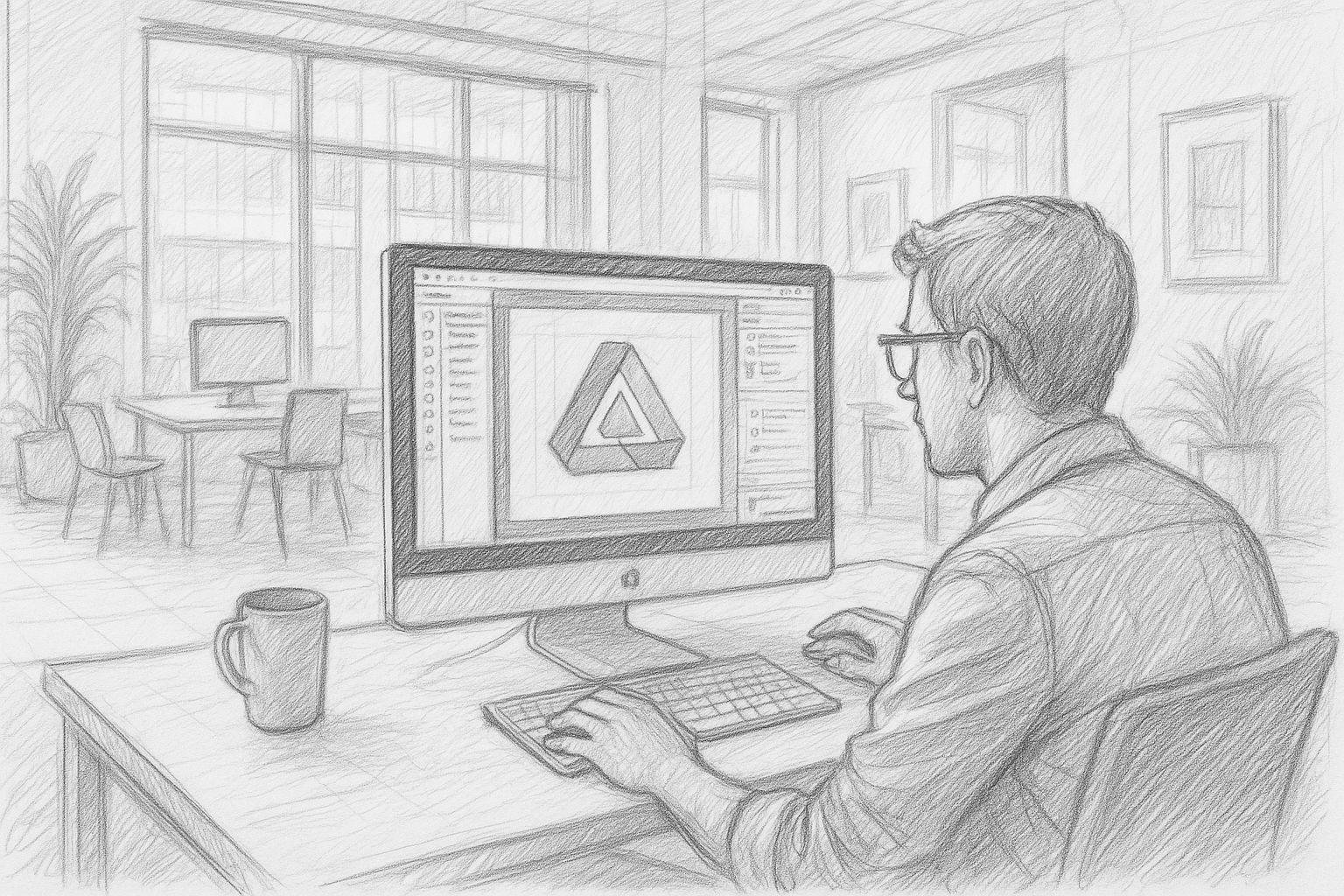
If, like me, you have been working with layout and typesetting programs for decades, you usually notice such changes more clearly than those who have only recently entered this world. I have seen many things come and go over the years: In the early nineties, I worked on the Atari ST with Calamus SL and later, under Windows, with CorelDraw! Later came QuarkXPress, then iCalamus, Adobe InDesign - and finally, a few years ago, Affinity Publisher. Since then, the Affinity suite has accompanied me through almost all my book projects. Over the years, it has been a reliable tool, pleasantly straightforward, clearly structured and free of the ballast that many large software houses have added to themselves over the years.

Read more

„The Magic Wall“: Two children's books that strengthen the courage of young readers

Children's books by Jana Kollmann

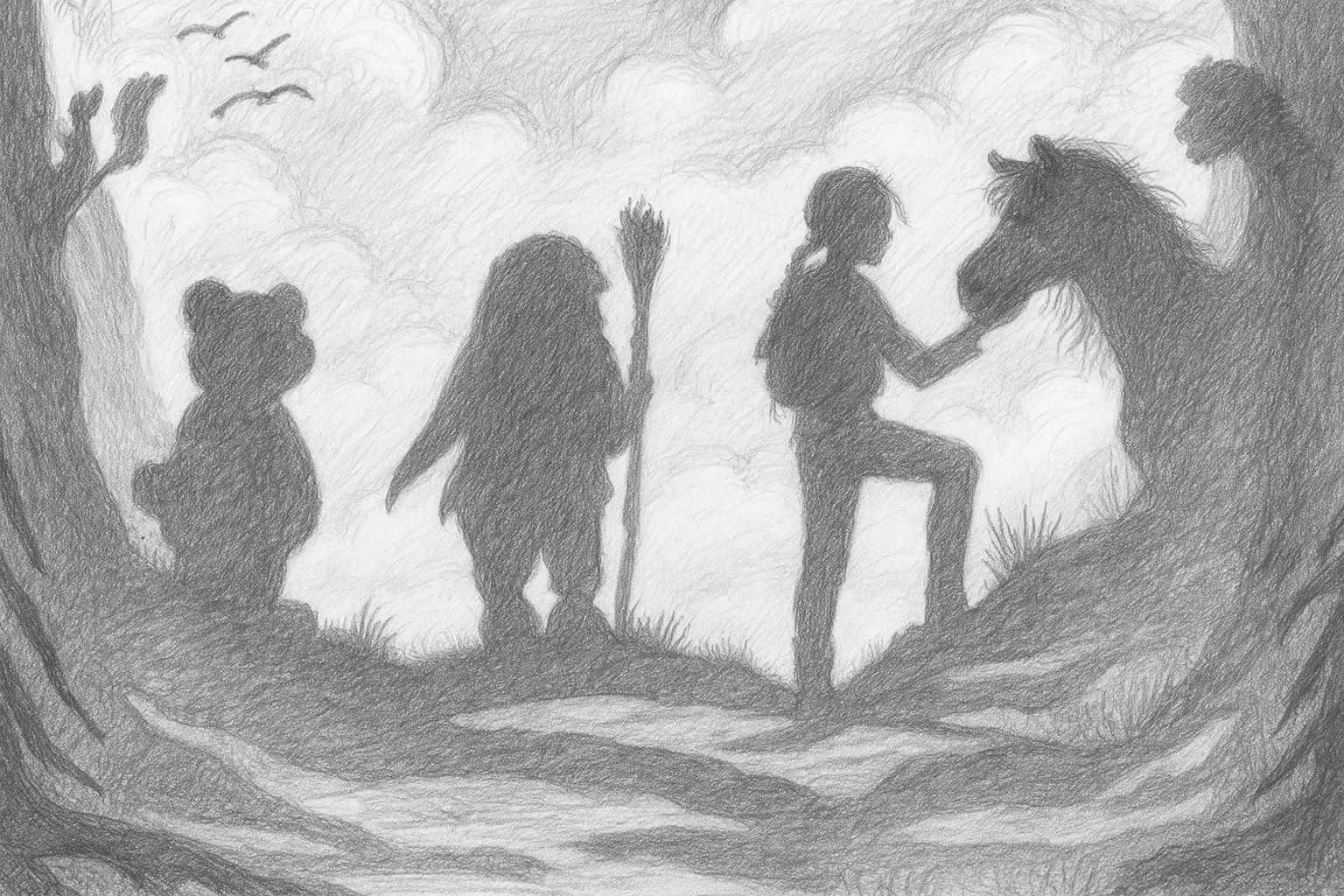
At a time when many children's books seem fast-paced and are often designed for short-lived effects, it is worth taking a look at works that have been written with real attention to detail. Books that take the time to build a world that not only entertains young readers, but also conveys courage, imagination and inner strength.

This is exactly the kind of book Jana Kollmann writes - an author whose roots, life path and artistic influence are recognizable in every line.

Read more

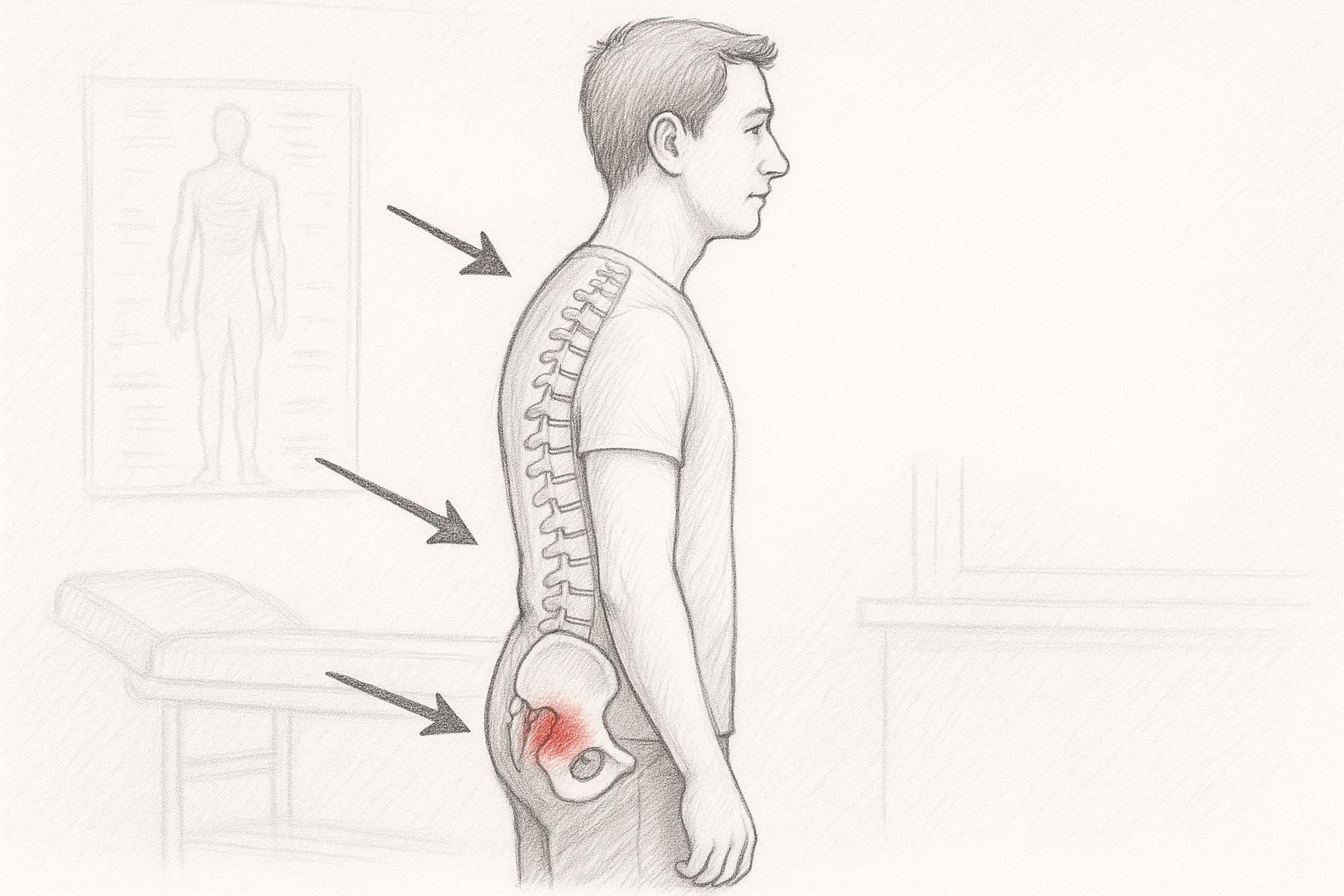
Understanding hemorrhoids: Why posture and statics are often the real causes

Hemorrhoids and poor posture

Haemorrhoids are one of the most common physical complaints of all - and yet you almost always get the same explanations for them in doctors' surgeries. Fiber, more exercise, drink enough: the standard tips seem like a firmly programmed pattern that has been passed on unchanged for decades. And sure, these tips are not wrong. But they fall short because they only scratch the surface.

This article shows why it is worth looking at hemorrhoids from a different perspective - beyond the usual advice. It aims to make people aware that the real causes are often not located where the symptoms occur, but in the interaction of the entire body statics. Anyone who understands how posture, breathing and muscular tension interact quickly realizes that the solution sometimes lies not in the next ointment prescription, but in the foundation of the body itself.

Read more

Dieter Bohlen in plain language: Why Germany is failing because of its own bureaucracy

Dieter Bohlen in conversation with Dominik Kettner

This article highlights a recent, remarkably candid conversation between Dieter Bohlen - the longtime music producer, entrepreneur and one of the most recognizable faces of German pop culture - and Dominik Kettner, a precious metals expert, YouTuber and financial entrepreneur who has been studying wealth protection and economic trends for years.

At first glance, the meeting of the two seems unusual: here the entertainer with decades of international experience, there the financial analyst who primarily addresses security-conscious savers and entrepreneurs. But it is precisely this mixture that makes the interview so exciting. Bohlen speaks freely, without a PR filter, while Kettner drills down and makes complex developments tangible. Together, they create a space in which undesirable political developments, economic risks and personal experiences are interwoven - clearly, directly and without excuses.

Read more