
I am writing this article not as a doctor, not as an environmental health professional and not as an „expert“ in the traditional sense, but from direct experience. I have been dealing with chemical sensitivities myself for about five to six years - sometimes stronger, sometimes weaker, but clearly noticeable over longer periods of time.
Looking back, the whole thing started for me at a time that coincided with a dental procedure: after I had a tooth extracted, I gradually experienced reactions that I had never experienced before. Even then, I suspected that this was possibly not „just“ an environmental problem, but could also be related to the body itself, to stress regulation, perhaps even to the teeth, jaw or the entire system behind it.
At the time, however, I didn't know that I had CMD (craniomandibular dysfunction). This diagnosis only came at the beginning of 2022 and, looking back, this is the point that particularly interests me today: The chemical sensitivities were not an isolated individual phenomenon in my case, but rather they emerged as part of a larger symptom complex - in varying intensity, often like a kind of „background music“ to other complaints. For this very reason, I would like to offer a perspective in this article that is often neglected: that MCS and MCS-like symptoms may have much more to do with the nervous system, with permanent stress and with functional connections in the body than is usually heard in the public debate.



Latest news on multiple chemical sensitivity
19.05.2026Multiple Chemical Sensitivity (MCS) remains a barely visible but massive restriction in everyday life for many sufferers. A current Contribution from kobinet-nachrichten describes how people with MCS often react to even the smallest amounts of fragrances, cleaning agents, building materials or other chemicals and are increasingly excluded from society as a result. Many sufferers avoid public spaces, events or even doctors' surgeries because even minor exposure can trigger severe symptoms. One particular criticism is that MCS is often not taken seriously enough by society or the medical profession. At the same time, there is a lack of understanding, research and suitable protective measures in many places. The discussion shows how closely environmental factors, health and social participation are now linked. The question of how modern living environments with more and more chemicals affect sensitive people is also coming more into focus.
A recent tvBerlin video with Dr. Petra Wiechel, MD, also sheds more light on the topic of multiple chemical sensitivity. It explains how different the symptoms can be - from exhaustion and breathing problems to skin reactions and neurological complaints.

Multiple chemical sensitivity - What's behind it? | Dr. med. Petra Wiechel | Visite | QS24
At the same time, it is clear that MCS is still the subject of controversial debate and the causes have not yet been conclusively clarified scientifically. Of particular interest is the question of whether environmental pollution, genetic factors and permanent chemical stimuli could interact. The article also shows how much the everyday lives of many of those affected have changed and how difficult social participation has become in some cases under modern environmental conditions.
MCS in simple words: What it's all about
MCS stands for Multiple chemical sensitivity - a term that sounds very technical at first, but describes something that those affected experience in an extremely concrete way: The body reacts to certain chemical substances or odors, often even in very small quantities. These can be evaporations from paints, cleaning agents, perfumes, solvents, plasticizers, cigarette smoke or even everyday products. Some even report reactions to „new furniture“, fresh printing ink or certain plastics. The spectrum is broad - and that is precisely what makes the subject so difficult.
Typically, there is not just one reaction. Some get headaches, others dizziness, palpitations, nausea, drowsiness, concentration problems or a kind of inner restlessness. Some feel „poisoned“, others feel „flooded“ or „electrified“. And still others experience above all the feeling that their body can no longer filter properly, that it reacts to things that other people hardly notice.
What is important here is that it is not a matter of „imagination“, but a real experience - even if the medical classification is difficult. The real crux of the matter is that MCS is not a clearly defined clinical picture like a broken bone or a clearly measurable infection. Rather, it is a constellation of symptoms that can look very different in different people.
I have explained what this can look like in practice in the article „MCS - When life forces you to move for the third time“ described. I had to leave my house for several weeks due to roadworks right next to my property, because the sudden exposure to fine dust and chemical residues made it impossible for me to live in my house.
Why MCS so often falls between all stools
MCS is one of those topics where the healthcare system - and often the environment - struggles. This is not necessarily due to ill will, but to the structure: medicine traditionally likes to work with clear causes, clear measurements, clear responsibilities. MCS does not fit in well with this. Those who have to deal with it often end up with different specialties, different interpretations - and in the end often no really satisfactory overall view.
In environmental medicine, the focus is naturally on substances and pollution: Which chemicals, which triggers, which sources? This is important, without question. But it often doesn't explain why some people have extreme reactions and others don't - even with similar exposure. On the other hand, psychosomatic medicine, partly out of tradition, partly out of helplessness, tends to blame the whole thing on stress, anxiety or somatoform disorders. Stress certainly also plays a role - but if it is filed away too quickly in this way, the affected person simply feels wiped away. And that is not only unpleasant from a human point of view, but often also too short-sighted from a professional point of view.
The result: those affected often feel alone, misunderstood and forced to build a kind of „explanation model“ for themselves. Some withdraw, avoid contact, avoid places, develop complicated protective strategies. And the longer this goes on, the more life narrows down. In severe cases, MCS actually becomes existential - not because the substance is „objectively fatal“, but because at some point the entire system is permanently on alert.
The core problem: MCS is rarely just a single symptom
One point that strikes me from my own experience and from many reports: MCS often does not stand alone. There are often accompanying symptoms that at first glance have nothing to do with each other - and that is precisely why they are rarely thought of together. There may be tinnitus, teeth clenching, neck and back pain, sleep problems, inner restlessness, exhaustion, concentration problems or a feeling that the body „won't shut down“.
If you experience something like this, it is obvious to look for the cause where the irritation comes from: the smell, the cleaning agent, the perfume, the air. This is logical - and it would also be negligent to ignore triggers. But the more exciting question is actually: Why does the system react so strongly? Why does a stimulus that others can easily cope with immediately turn into stress, symptoms and overload for some people?
And this is where an idea comes into play that sounds old-fashioned but is often the key in practice: if many symptoms occur at the same time, you should check whether there is a common control level. In the case of MCS, this level could be the nervous system - at least for some of those affected. Not as a „psycho-thesis“, but as a biological control organ: it evaluates stimuli, it regulates alarms, it influences muscles, sleep, digestion, heart rate, tension and recovery. And if this system is overloaded or dysregulated over a long period of time, things that used to be harmless can suddenly become problematic.
Why I look at MCS differently today than I did in the beginning
When I first noticed my own chemical sensitivities, my first thought was of course: „What is this substance? What has changed? What can I suddenly no longer tolerate?“ Only with time - and at the latest with the CMD diagnosis at the beginning of 2022 - did I realize that the picture could also be turned around: Perhaps not only is the environment „too much“, but the system is already so tense internally, so overstimulated or so dysregulated that the filter function is no longer working properly. Then the odor is no longer processed as neutral, but as a danger. The body no longer reacts proportionally, but reflexively.
It is precisely this perspective that I would like to carefully build up in this article: not as a final truth, but as a plausible way of thinking. MCS is a serious issue and sufferers have enough struggles as it is. What they don't need is another pigeonhole or another „It's all just ...“. What they need is an attitude that can do both: Taking stimuli seriously - and at the same time understanding that the nervous system is possibly the stage on which the drama is played out in the first place.
In the next chapter, we look at why the usual explanatory models often don't go far enough - and why the question „What is the trigger?“ alone is often not the decisive factor. We then delve deeper into the role of the nervous system: how stimulus processing works, why constant stress and alertness can make the body more sensitive - and why CMD as a functional factor fits precisely into this pattern in many people.
The aim is not to promise a quick solution. The goal is to offer a map. Because sometimes the first real progress is not the perfect therapy, but the end of confusion.
Current survey on CMD symptoms
Why classic explanatory models are often not enough
Environmental medicine undoubtedly makes an important contribution to MCS. It draws attention to real stress, to substances, to exposures, to limit values - and thus to something that has long been underestimated or trivialized. Many of those affected experience recognition for the first time when someone says: yes, these substances can cause problems. This is an important step, especially for people who have previously only experienced rejection or a shrug of the shoulders.
At the same time, this approach often reaches its limits in practice. Because even if a substance is identified as a trigger, a central question remains unanswered: Why does the body react so massively? Why are the smallest quantities sufficient to trigger symptoms, while other people - sometimes in the same environment - hardly react or do not react at all? Environmental medicine often describes the stimulus, but not sufficiently the processing of the stimulus. This is precisely where a gap arises that is highly relevant for those affected.
What's more, absolute avoidance is hardly possible in everyday life. Anyone who tries to eliminate any potential chemical exposure quickly realizes how cramped life becomes as a result. The environment is not sterile and cannot be completely controlled. If the explanatory concept focuses exclusively on avoidance, the only thing that often remains in the end is withdrawal - which in turn increases stress and tension. A classic vicious circle.
Psychologization: When explanations become a dead end
On the other hand, there is the psychological or psychosomatic classification. Here, too, there is a kernel of truth: stress, constant tension, excessive demands and emotional strain have a massive impact on the body. No one who seriously studies physiology disputes this. It becomes problematic when this realization becomes a blanket „this is psychological“ - without further differentiation.
Many MCS sufferers report exactly this: that their symptoms are quickly dismissed as anxiety reactions, hypersensitivity or a somatoform disorder. This may be well-intentioned in individual cases, but often has the effect of devaluing them. This is because it does not answer the actual question, but shifts it. It does not explain why the body specifically reacts with dizziness, light-headedness, palpitations or pain. And it does not explain why these reactions are often reproducibly linked to certain stimuli.
The result is often a deep loss of trust - not only in doctors, but also in one's own body. Anyone who constantly hears that „nothing is actually wrong“, even though subjectively a lot is happening, easily becomes torn. This does not calm the nervous system, but rather makes it even more sensitive. The same applies here: an overly simplistic explanatory model exacerbates the problem instead of solving it.
The central question that often remains unanswered
There is a gap between environmental medicine and psychologization. And it is precisely in this gap that many sufferers find themselves. The crucial question is not: is MCS physical or psychological? This distinction is outdated anyway. The more important question is: Why is the stimulus system so highly regulated? Why does the body seem to run at a permanent alarm level?
If you take this question seriously, the focus automatically shifts. Away from the individual substance, away from the question of guilt, towards the control mechanisms in the body. Because regardless of whether the trigger is chemical, mechanical, emotional or social - it is always processed via the nervous system. And it is precisely this nervous system that seems to be under constant tension in many MCS sufferers.
This illustrates an old medical principle that is almost forgotten today: if many different symptoms occur at the same time, one should not only look for many causes, but also for a common control level. And this level often lies deeper than the individual symptom.

MCS environmental illness: A courageous woman's report | QS24
The nervous system as the control center of stimulus processing
An often misunderstood point is that stimuli do not have an effect through their physical existence alone. An odor, a sound or a chemical substance is initially just a signal. Whether this signal is classified as harmless, disturbing or dangerous is decided by the nervous system. This assessment happens largely unconsciously and extremely quickly. It is the result of experience, habituation, stress levels and physical condition.
If this system is well regulated, it can differentiate: This is new, but not dangerous. Or: This is unpleasant, but not threatening. However, if the regulation is disturbed, this assessment is reversed. Then a neutral stimulus becomes a stressor. Not because the substance has become objectively more dangerous, but because the system can no longer classify it correctly.
This is precisely the key to understanding MCS. The overreaction is real - but it initially says more about the state of the nervous system than about the substance itself. This does not make the phenomenon harmless, but more explainable.
Permanent stress and vegetative dysregulation
The nervous system consists not only of conscious perception, but above all of the vegetative part - the part that controls heartbeat, breathing, muscle tension, digestion and regeneration. Put simply, this system has two main modes:
Activation and recovery.
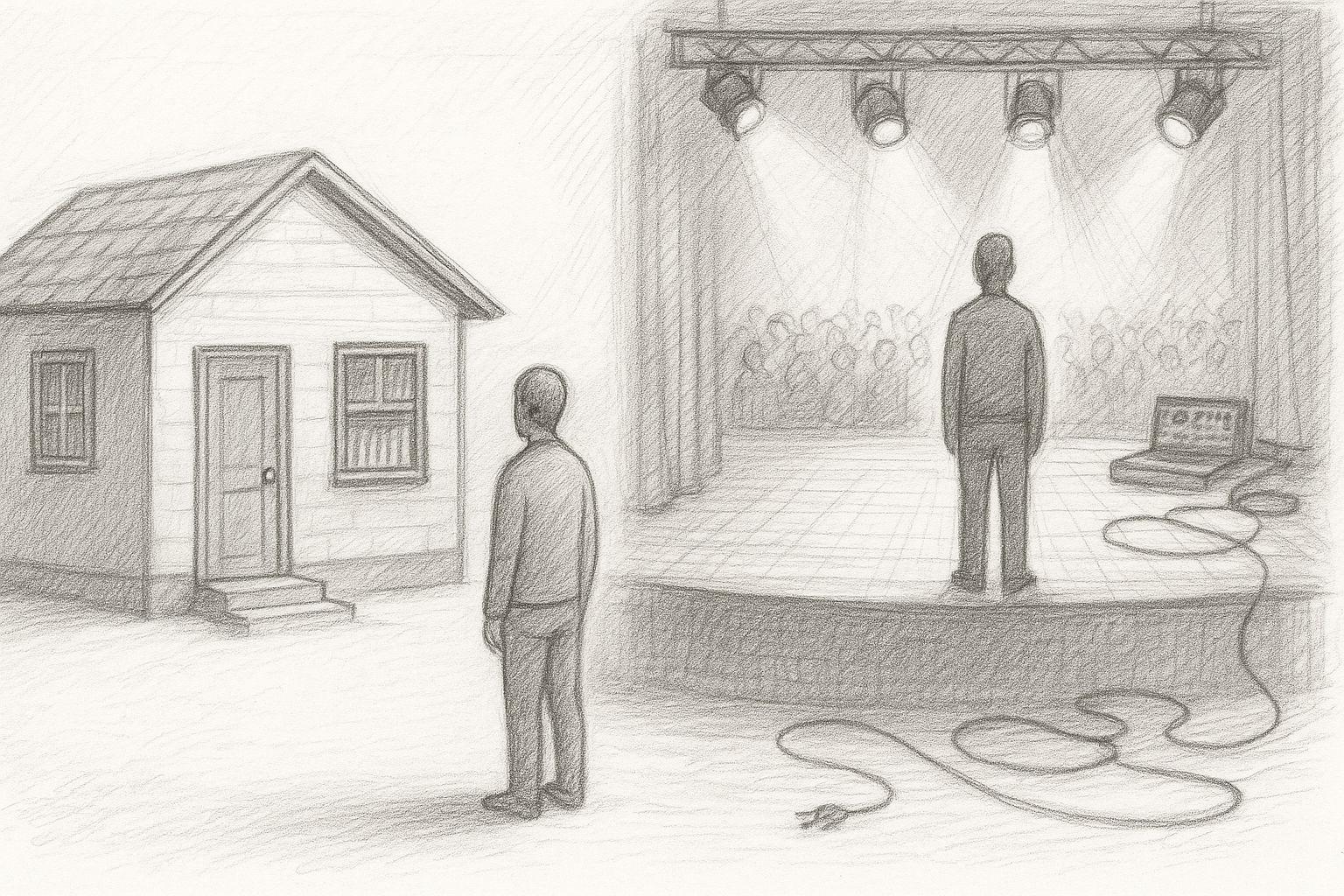
It becomes problematic when activation is permanently dominant. Many people with MCS show exactly this pattern: inner restlessness, sleep disorders, muscle tension, rapid exhaustion, low resilience. The body hardly ever gets any real rest. Even when sitting or lying down, a subliminal alertness remains. In such a state, the system inevitably reacts more sensitively to additional stimuli - regardless of whether these are chemical, acoustic or emotional.
You can imagine it like an amplifier that has been turned up too high. What used to be a quiet signal suddenly becomes loud. Not because the signal has become louder, but because the amplification is set too high. And the longer this state lasts, the more the nervous system „learns“ to react quickly and violently.
Hypersensitivity as a protective mechanism, not a defect
An important change of perspective is to view hypersensitivity not as a defect, but as a protective reaction. The body tries to avoid damage. If it has learned that certain stimuli are associated with stress, pain or excessive demands, it reacts early. This makes sense from an evolutionary point of view - but becomes problematic if this protective reaction becomes chronic and takes on a life of its own.
Seen in this light, MCS is not a sign of weakness, but of a system that has had to compensate too much for too long. At some point, the only thing left to do is hit the emergency brake. This view takes those affected seriously without forcing them into a victim role. It explains why symptoms are real without giving them a mystical charge.
Why the nervous system could be the common denominator
If you look at MCS from this perspective, you can understand why so many different symptoms can occur at the same time. The nervous system is the common interface. It connects sensory perception, muscle tension, hormone regulation and emotional processing. If this interface is disturbed, this does not manifest itself in a single place, but in many.
This also explains why purely substance-related or purely psychological approaches are often not enough. They only address one part of the system at a time. If you want to understand the whole, you have to be prepared to think about functional relationships - even those that at first glance have nothing to do with chemistry.
And this is precisely where an area comes into play that is surprisingly often overlooked: the jaw, the head and neck muscles and their close connection to the nervous system. The next chapter therefore deals with CMD - not as a peripheral issue, but as a possible central amplifier in an already overloaded system.

CMD: An often overlooked but central component
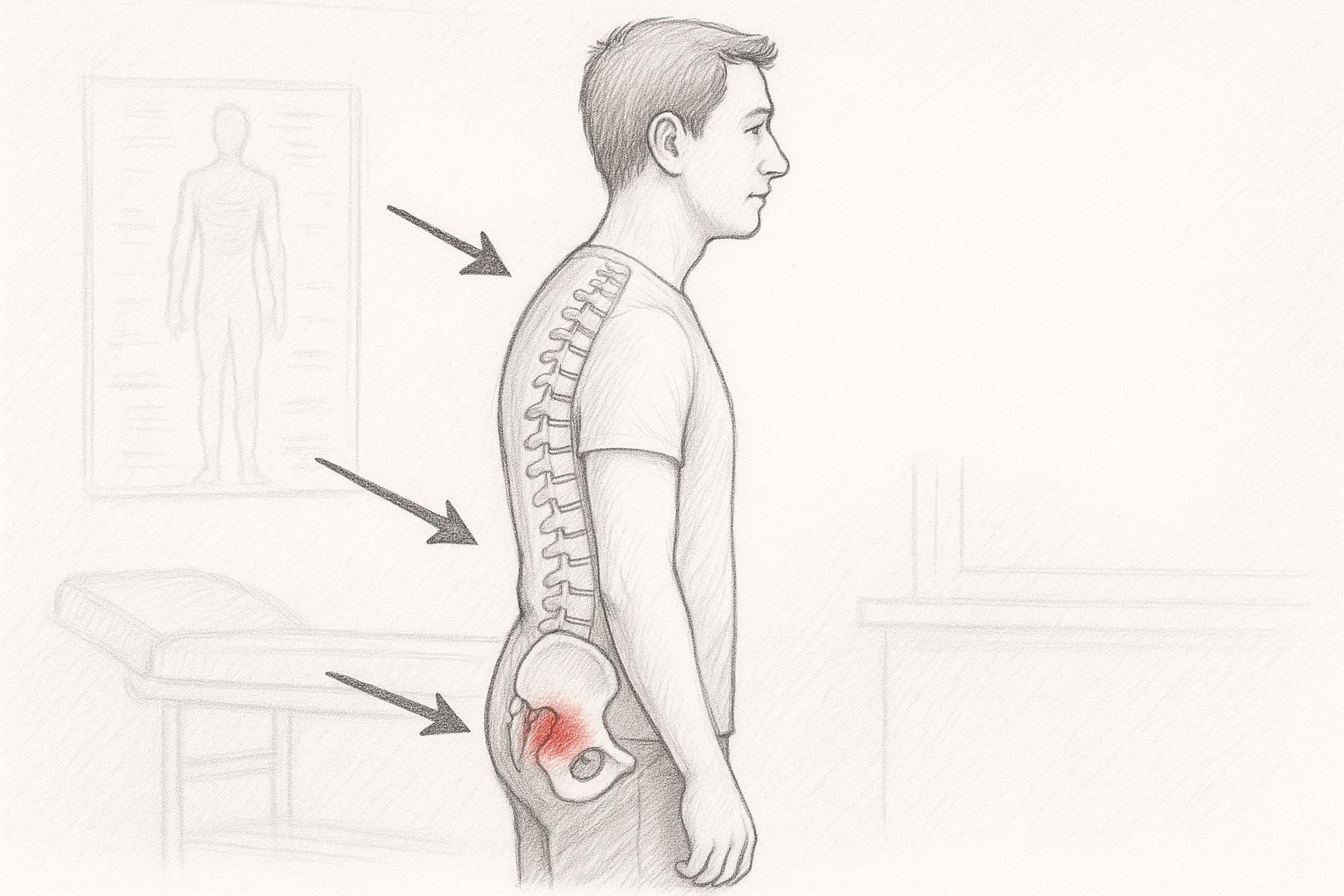
CMD stands for craniomandibular dysfunction and describes a functional disorder in the interaction of the temporomandibular joints, teeth, chewing muscles, skull and adjacent muscle and nervous systems. The key word here is functional. In most cases, CMD is not clearly visible „structural damage“, but rather a dysregulation of movement, tension and stress. This is precisely what makes it so difficult to grasp - and at the same time so effective.
Many people have CMD without realizing it. Not because they have no symptoms, but because these symptoms are rarely clearly attributed to the jaw. Anyone who goes to the doctor with headaches, neck pain or tinnitus does not automatically think of the jaw. And neither do many practitioners. As a result, CMD often remains in the background for years, while other complaints increasingly take on a life of their own.
The jaw as a permanent stress factor in the system
The jaw is one of the most stressed systems in the body. It works constantly - when eating, speaking, swallowing and often unconsciously when clenching or grinding. At the same time, it is closely linked to the stress system. Many people react to stress with increased jaw tension, often without realizing it. This pattern often intensifies at night.
If this tension becomes chronic, a permanent state of irritation develops. Muscles are permanently activated, joints are loaded asymmetrically and signals are sent to the central nervous system via nerve connections. This means that CMD is not just a localized problem in the jaw, but a continuous input into an already sensitive nervous system. For people with MCS, this can make the difference between relative stability and constant overstimulation.
Typical accompanying symptoms - and why they are often not thought of together
CMD rarely manifests itself clearly. Instead, it manifests itself through a variety of accompanying symptoms, which can appear banal when viewed in isolation, but are significant when combined. These include
- Tinnitus or ringing in the ears without a clear ENT cause
- Pressure or foreign sensations in the ear
- Teeth grinding or clenching, often unnoticed
- Neck and shoulder pain
- Headaches, especially tension headaches
- Back pain or one-sided incorrect posture
Many of these symptoms are also found in MCS sufferers. They are often treated separately or dismissed as „side effects“. What is lost in the process is a view of the connecting element. CMD acts like an amplifier: it increases the basic tension in the system and thus lowers the stimulus threshold. In such a state, the body inevitably reacts more sensitively - even to chemical stimuli.
Proximity to the nervous system: anatomy with consequences
A key point is the anatomical proximity of the jaw to important nerve structures. The trigeminal nerve, one of the largest cranial nerves, is directly involved in the sensory and motor control of the jaw. It plays a decisive role in the perception of pain, pressure and tension in the facial and head area. Permanent irritation or incorrect strain in this area can have a lasting effect on the nervous system.
This does not mean that CMD automatically causes neurological disorders. But it does mean that it keeps the nervous system permanently „busy“. For a system that is already under stress, this is an additional stress factor. This permanent input can play a decisive role, particularly in the case of MCS, where the processing of stimuli is already sensitive.
Why CMD is rarely the cause, but often the background
CMD is rarely the sole trigger for complex symptoms such as MCS. But it often works in the background - silently, constantly and for years. This is precisely why it is underestimated. It doesn't make you spectacularly ill, but gradually makes you more sensitive. And it changes the way the body processes stimuli without this being immediately noticeable.
In combination with stress, strain, emotional tension or actual environmental stimuli, CMD can cause the system to tilt. The crucial point is not whether CMD explains everything, but whether it provides a part of the explanation that was previously missing. For many sufferers, this is exactly the case.
Oral cavity as an underestimated factor in MCS and systemic stress
 One aspect that is often overlooked in the context of multiple chemical sensitivity is the condition of the oral cavity itself. Teeth, gums and, in particular, existing deposits or inflammatory processes can be a permanent source of irritation that puts additional strain on the nervous system. For sensitive people in particular, the combination of bacterial metabolic products, possible material intolerances and mechanical stimuli can play a role that goes far beyond what is classically understood as „dental care“. At the same time, there is an area of tension here: while regular tooth cleaning can help to reduce such stress, the question arises as to how intensively and with what methods this is carried out - particularly in the case of sensitive people. I have taken a differentiated look at this topic in a separate Articles on professional tooth cleaning which focuses precisely on the trade-off between benefit, overtreatment and individual tolerability.
CMD as a link between the body and hypersensitivity to stimuli
If MCS is not considered in isolation, but in combination, CMD becomes a plausible link. It combines mechanical stress with nervous stimulus processing. It explains why symptoms are physically real without being fixated on toxic threshold values. And it explains why traditional approaches often come to nothing if this functional factor is not taken into account.
CMD is not a fashionable term or a new discovery. It is a well-known phenomenon that has simply been marginalized in recent decades. This is precisely why it is worth bringing it back into focus in complex complaints such as MCS - not as the sole cause, but as an essential part of a larger, often overlooked context.
| Area / Focus | Typical symptoms (examples) | How could this be related to MCS? | Notes / self-check (suitable for everyday use) | Sensible diagnostics / clarification | Possible next steps (without promises of salvation) | Suitable specialists |
|---|---|---|---|---|---|---|
| Nervous system / stimulus processing (autonomic nervous system, stress regulation) | Hypersensitivity to stimuli (odors, noise, light), inner restlessness, sleep disorders, exhaustion, palpitations/heart palpitations, drowsiness, concentration problems, „feeling of alarm“ | If the system is permanently „upregulated“, it can evaluate stimuli as a danger more quickly. Normal environmental stimuli then seem subjectively „too strong“, even though they are objectively unchanged. | Do symptoms often come in phases? Is there a basic level of tension? Do symptoms also occur without a clear trigger (e.g. after stressful days)? Are reactions sometimes delayed? | Medical history with a focus on stress/regeneration, sleep, autonomic symptoms; HRV measurement (as a trend indicator) if necessary, exclusion of organic causes depending on the symptoms. | Structured self-observation (symptom and context protocol), careful stress control, sleep/regeneration routine, if necessary nervous system-oriented physiotherapy/relaxation (without dogma). | General practitioner (coordination), neurology (for red flags), psychosomatics (if good and respectful), physiotherapy with a focus on regulation/breathing, pain therapy if necessary |
| CMD / TMD (temporomandibular joint, chewing muscles, bite position) | Teeth grinding/clenching, jaw clicking, jaw pain, facial pain, tension headache, tinnitus/ear pressure, neck and shoulder pain, restricted jaw opening | Long-term jaw tension can „pull“ the nervous system along. A lower stimulus threshold can contribute to environmental stimuli (smells etc.) triggering stress reactions more quickly. | Jaw tired/tense in the morning? Dentist says „abrasion“? Frequent clenching due to stress? Tinnitus + neck tension? Complaints on one side? Jaw feels „not centered“? | CMD/TMD diagnostics (functional analysis), palpation of masticatory muscles, jaw mobility, bite/occlusion check; bite splint if necessary; further clarification depending on the findings. | CMD-specific therapy (splint + targeted physio), stress/bruxism management, jaw/neck relief; monitor progress instead of „all at once“. | CMD specialist (dentist with functional diagnostics), specialized physiotherapy, possibly orthodontics (depending on the case), ENT for tinnitus differential diagnostics |
| Poor posture / body statics (cervical spine, shoulder girdle, spinal column) | Neck/back pain, shoulder pull-up, tension between shoulder blades, headaches, dizziness (functional), jaw/face tension, restricted breathing (chest) | Chronic muscular tension can keep the autonomic nervous system active. In addition, posture and jaw function can influence each other (tension chains). | Do you sit a lot? „Forward“ posture? One-sided strain? Improvement through movement/stretching? Neck tension together with sensitivity to irritation? Frequent shallow breathing? | Functional posture analysis, mobility check cervical spine/spine, muscle chains; orthopaedic clarification if there are warning signs; if necessary, imaging only if there is concrete suspicion. | Targeted physio/training (cervical spine/spine, shoulder blade control), ergonomic adjustments, slow build-up instead of overloading; focus on suitability for everyday use. | Orthopaedics (if required), physiotherapy, possibly osteopathy (if reputable), sports therapy/training therapy |
| ENT / ear symptoms (tinnitus, ear pressure) | Tinnitus, ear pressure, noise sensitivity, altered hearing perception, dizziness (depending on the cause) | Ear symptoms can be independent, but often occur together with CMD and neck tension. In the case of MCS, they can be part of a general hypersensitivity to stimuli. | Does tinnitus fluctuate with stress? Does it get worse with jaw clenching? Jaw movement changes noise? Neck tension parallel? Improvement on vacation/when resting? | ENT clarification (hearing test, differential diagnostics), exclusion of acute causes if necessary; if functional causes (CMD/spine) are suspected, also check. | Combined view: HNO + CMD + HWS. Do not fixate on „one“ cause. Therapy depending on the findings (e.g. splint/physio, stress regulation). | ENT doctor, If necessary, audiology; additionally CMD specialist/physiotherapy if there are indications of functional involvement |
| Environmental medicine / Exposure (Trigger, environment) | Reactions to odors/chemicals, mucous membrane irritation, headache, nausea, drowsiness, „brain fog“, skin reactions (depending on the person) | Exposures can be triggers. For many sufferers, however, the decisive factor is why the stimulus threshold is so low (regulatory system). | Are there clear triggers (perfume, solvent, smoke)? Reactions immediate or delayed? Are there „cumulative effects“ after several exposures? | Check medical history, exposure analysis, work/home environment if necessary; exclude other causes. Beware of expensive, speculative „test batteries“ without clear significance. | Reduce triggers without slipping into total avoidance. At the same time, check regulatory factors (nervous system/CMD/posture) in order to influence the stimulus threshold in the long term. | Environmental physician (reputable, evidence-based), occupational physician (for occupational exposure), possibly allergology/immunology depending on symptoms |
| Self-observation / pattern recognition (reflection, time delay) | „Unclear“ triggers, changing intensity, delayed symptoms, feeling of loss of control, brooding („What was it this time?“) | Time delays make classification more difficult. Structured reflection can help to recognize and relieve cumulative effects (stress + stimulus + lack of sleep). | Short protocol: sleep, stress, special stimuli, physical tension (jaw/neck), symptoms + time. Patterns often emerge after 2-4 weeks. | No „diagnostics“, but a valuable addition for medical consultations. Optional: structured reflection with an AI (e.g. for sorting observations). | Derive patterns, set priorities, reduce unnecessary panic. Goal: Understanding instead of obsessive control. Take results into diagnostic discussions in a targeted manner. | General practitioner/coordinator, Psychosomatics (if appropriate), physiotherapy; no „specialist obligation“ - it's about a clean approach |
| Warning signs (when to seek medical advice immediately) | Sudden neurological deficits, severe chest pain, shortness of breath, acute hearing loss, severe swelling/allergic reactions, unexplained weight loss, fever | MCS can exist in parallel with other illnesses. Warning signs should not be „interpreted away“. | In case of acute or new severe symptoms: do not wait, do not discuss, but seek medical advice. | Medical clarification according to guidelines depending on symptoms (emergency/emergency service/doctor). | First establish safety, then look at functional relationships. | Emergency medicine, General practitioner, specialist depending on findings |
Why CMD diagnostics can be useful for MCS sufferers
A CMD diagnosis is not a miracle cure and certainly not a blanket explanation for all forms of MCS. That would be dubious. That is precisely why it is interesting. It does not promise a „cure“, but provides verifiable findings: misalignments, muscular tensions, asymmetries, overloads. Things that can be seen, measured, felt and observed over time.
For many MCS sufferers, this is a crucial difference. Instead of remaining vague or being caught between environmental and psychological theories, CMD diagnostics opens up a functional approach. It does not primarily ask why someone reacts sensitively, but where in the system there is permanent tension, malfunction or overload. This is down-to-earth, practical and free of ideological charge.
The functional gaze: Stimulus processing instead of stimulus avoidance
A key advantage of the CMD perspective is that it shifts the focus from the individual stimulus to stimulus processing. This does not mean ignoring triggers. But it does mean broadening the view: If the jaw is permanently under tension, if muscle chains in the neck and shoulder area are permanently activated, if the autonomic nervous system is constantly „pulled along“ as a result, then the body inevitably reacts more sensitively.
In such a state, an odor that was previously barely noticed can suddenly be perceived as massively disturbing or threatening. Not because the substance has become objectively more dangerous, but because the system is already working at its limit. In this sense, CMD is not an isolated dental or jaw problem, but part of an overall functional burden. This is precisely what makes it relevant for MCS sufferers.
When a CMD assessment is particularly useful
A CMD diagnosis is particularly useful if MCS does not stand alone, but is accompanied by other typical symptoms. These include, among others:
- Tinnitus or ear pressure
- Teeth grinding or clenching, often also at night
- Neck and shoulder pain
- Recurrent headaches
- Back pain without a clear orthopaedic cause
- the feeling of „never being really loose“
These symptoms are often treated individually or simply accepted. However, when viewed as a whole, they form a pattern that strongly indicates permanent dysregulation. A CMD diagnosis can help to make connections visible that were previously only perceived in a diffuse way.
Why clarity is often more important than the perfect therapy
Many sufferers spend years searching for the cause or the right treatment. They often overlook how relieving a better understanding of their own body can be. Knowing that there are functional reasons for certain reactions takes pressure off the system. It replaces feelings of guilt with classification and helplessness with orientation.
CMD diagnostics does not provide simple answers, but it reduces the chaos. And that alone can have a measurable impact on the nervous system. Because a system that understands what is happening often reacts less panicky than one that is permanently in the dark.
Self-observation and reflection: an underestimated building block
One aspect that is often neglected in medical considerations is the time delay of symptoms. Many reactions do not occur immediately, but hours or even days later. This makes classification extremely difficult. You remember the smell from yesterday, but not the stress from the day before. Or you feel symptoms today whose trigger has long since disappeared from your consciousness.
This is where it can be useful to use structured self-reflection - not as a substitute for diagnostics, but as a supplement. Modern tools, such as AI-supported conversations or structured notes, can help to identify patterns: When do symptoms occur? In what context? After which stresses? With what delays? Precisely because the nervous system does not react linearly, but cumulatively, this type of reflection is often more informative than selective memories.
The important thing is not to analyze in order to control yourself, but to observe in order to understand the context. If you can classify symptoms in terms of time, you lose some of your powerlessness - and this often has a regulating effect.
Reading tip: When symptoms have more to do with each other than you think
 With complex issues such as multiple chemical sensitivity, isolated causes are often sought - environment, substances, reactions. However, it is becoming increasingly apparent that functional connections in the body can also play a role, particularly in the area of the nervous system and jaw. This is precisely where a structured look at typical CMD symptoms can be helpful. The CMD self-test guides you through various areas of complaint and reveals whether a pattern can be identified that goes beyond individual triggers. If symptoms remain diffuse or cannot be clearly assigned, this approach can help to gain an additional perspective - calmly, objectively and without jumping to conclusions.
CMD diagnostics as part of a bigger picture
The crucial point is: CMD diagnostics should not be viewed in isolation. It is not an antagonist to environmental medicine or a competitor to psychosomatics. It complements both perspectives with a functional level that is often overlooked in everyday life. For MCS sufferers, this can mean finally having a tangible approach that neither trivializes nor dramatizes.
Not every case of MCS has to do with CMD. But in many cases it is worth at least having this aspect checked. Not out of hope for a quick solution, but out of respect for the complexity of your own body. Sometimes the next sensible step is not the spectacular one, but the obvious one - the one you simply didn't have on your radar before.

Current state of research: MCS, nervous system, CMD and posture
In the scientific literature today, multiple chemical sensitivity (MCS) is predominantly described as a complex, multifactorial syndrome. A uniform, generally accepted disease mechanism does not yet exist. Instead, various influencing factors are discussed, including neurological, immunological, environmental and psychosocial aspects. There is a broad consensus among researchers that MCS cannot be explained monocausally, but affects several levels simultaneously. .
This classification is in line with the experience of many sufferers: symptoms are real, reproducible and distressing, but cannot be clearly assigned to a single organ or clear damage. This is precisely what makes MCS difficult to grasp medically - and often leads to unsatisfactory attempts to explain it.
Lack of direct studies on MCS and CMD
As of today, there are no major clinical studies that explicitly link MCS with craniomandibular dysfunction (CMD) or poor posture. There are neither statistically reliable studies that identify CMD as the cause of MCS, nor studies that systematically examine and evaluate MCS patients for CMD.
This research gap is important to point out. However, it does not mean that a connection has been ruled out - merely that it has not yet been specifically investigated. This differentiation is crucial for a factual presentation: a lack of evidence is not synonymous with refutation.
What CMD and TMD research is already showing
Independently of MCS, however, there are a growing number of studies on craniomandibular dysfunction (CMD or TMD) that demonstrate functional connections between the jaw, posture and neuronal control. Several systematic reviews and meta-analyses show that CMD/TMD is statistically correlated with postural deviations and muscular imbalances. In particular, it is emphasized that:
- Jaw position and posture are connected via neuronal control circuits
- muscular tension chains can affect the entire body
- the nervous system plays a central role in the coordination of these systems
The authors also point out that correlation does not automatically mean causation. Nevertheless, CMD is increasingly understood in the specialist literature as a systemic functional problem - not as an isolated dental or joint issue.
Neurological approaches in MCS research
At the same time, some of the more recent MCS research is increasingly concerned with neurophysiological mechanisms. Discussions include disorders of central stimulus processing, neurogenic inflammatory processes and an increased sensitivity of certain receptor systems in the central nervous system. These approaches bring MCS closer to functional and neurological issues than to classic toxicological explanations.
Again, these are hypotheses and models, not conclusive evidence. Nevertheless, these studies underline a point that is central to the entire article: the nervous system is increasingly coming into focus when it comes to plausibly explaining MCS.
Classification: Why functional relationships are plausible
If these strands of research are placed side by side, a consistent picture emerges:
- MCS is recognized as a complex syndrome that cannot be clearly explained
- CMD is described as a functional disorder with a systemic effect
- Neurological stimulus processing plays a central role in both topics
Even if there are no studies to date that directly link MCS with CMD or poor posture, the existing findings do not contradict such an approach. On the contrary: they make it clear that functional stress on the nervous system is a sensible examination approach - especially in patients with multiple, seemingly unrelated symptoms.
From today's perspective, it can be stated: There is no scientific proof that CMD or poor posture cause MCS. However, there is also no scientific reason to rule out these aspects across the board. The available research suggests that the nervous system plays a key role - both in the processing of stimuli and in functional disorders such as CMD.
Against this background, it seems objectively justified to also consider functional diagnostics for MCS sufferers with additional symptoms such as tinnitus, teeth grinding or chronic muscle tension. Not as a substitute for other approaches, but as a supplement - and as an attempt to understand a complex set of symptoms more holistically.
Deepening the topic: My CMD book as a supplementary perspective
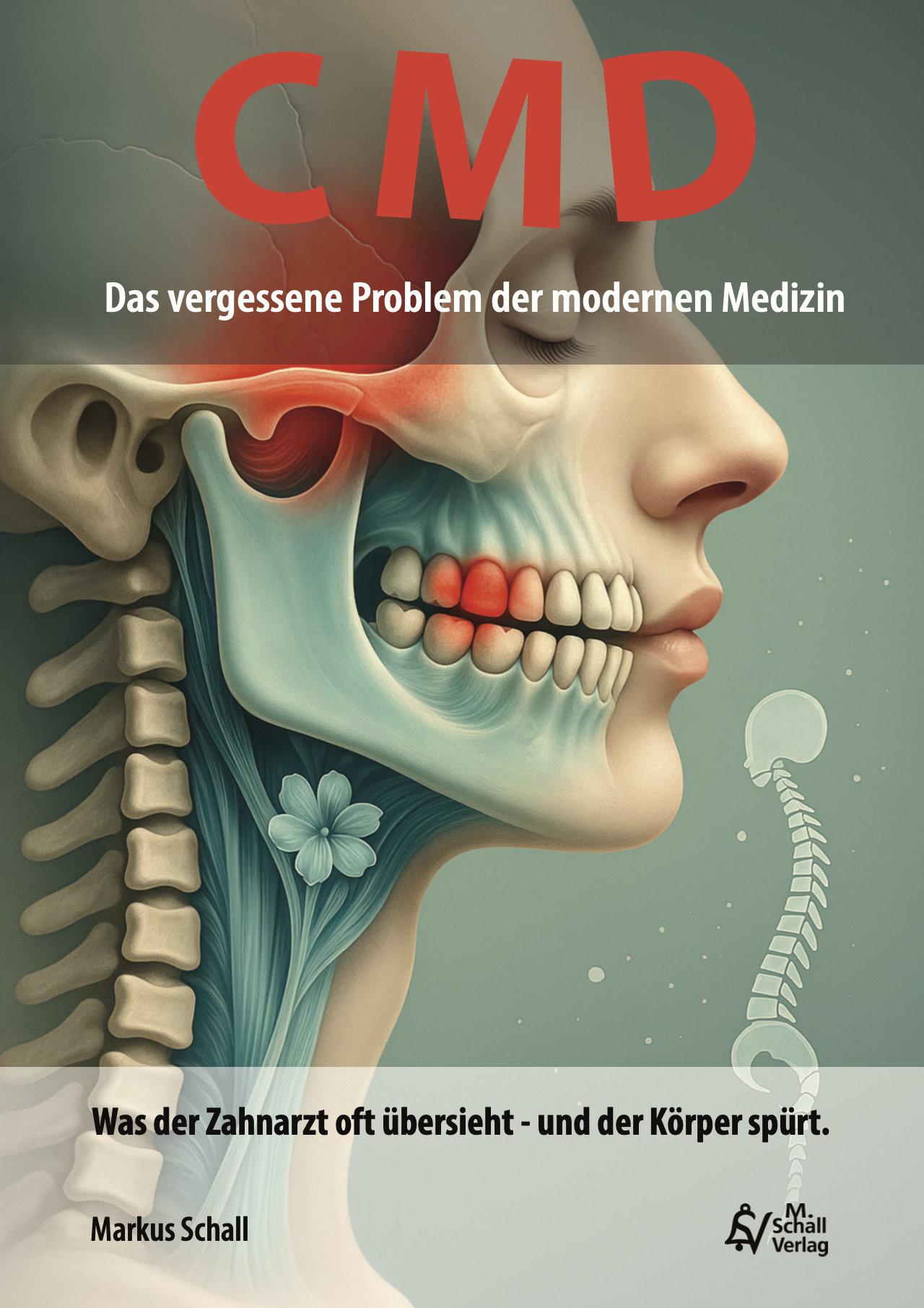 In my CMD book I address precisely those connections that play a central role in this article. For years, I also had to deal with symptoms that are now often classified as MCS or at least MCS-like symptoms - in the past much more so than today. It was only when I was later diagnosed with CMD that the overall picture began to come together for me.
In the book, I describe in detail which symptoms I experienced, how they changed and why, in my view, many of them were not so much isolated environmental reactions but the expression of a functional dysregulation. If you want to understand more deeply how the jaw, nervous system, stress and hypersensitivity can interact, you won't find any patent remedies there, but you will find a calm, experience-based classification - as a supplement to this article and as a guide for your own path.
A sober but encouraging look ahead
MCS is serious - but it is not a fate you are at the mercy of. Anyone who has to deal with MCS knows how grueling this topic can be. Not just because of the symptoms themselves, but because of the constant search for explanations, the contradictory statements and the many dead ends you can end up in. It is therefore all the more important to make one thing clear at this point: MCS does not automatically mean stagnation. Nor does it mean that there is only one narrow way of dealing with the situation.
In my own experience, one thing in particular has proven to be helpful: broadening your perspective. Not in the sense of „try everything“, but in the sense of recognizing connections. MCS is complex, and complex systems can rarely be regulated with a single lever.
Why a one-sided focus often leads nowhere
When dealing with MCS, it is very easy to come across certain narratives. One of these is the strong focus on detoxification, elimination and environmental pollution. There is no question that these topics are justified. It becomes problematic when they are declared to be the sole explanation or even the only hope. This puts those affected under enormous pressure: constantly „getting something out“, constantly avoiding something, constantly looking for the next measure.
In my experience, this approach often falls short. Not because environmental factors don't play a role, but because they don't explain why the system reacts so sensitively in the first place. Those who focus exclusively on detoxification run the risk of losing sight of the nervous system - the actual clock generator. And a nervous system that is permanently under tension can only be calmed to a limited extent by external measures.
Taking the nervous system seriously as a key point
If MCS is understood as an expression of overloaded stimulus processing, the perspective changes. Then it is no longer just about eliminating stimuli, but about making the system controllable again. This is not a quick process, but it is a sensible one. The nervous system responds to clarity, understanding and functional relief - not to actionism.
In this context, it is worth taking an honest look at your own symptoms: Are there other symptoms in addition to the chemical sensitivities? Tinnitus, teeth grinding, jaw or neck pain, back pain, sleep problems? If so, then there is much to suggest that there is more than just an isolated environmental problem. And this is where a CMD diagnosis can be an important step.
Why a CMD assessment can be encouraging
A CMD diagnosis is not a judgment, but information. It provides clarity where previously there was only conjecture. And it opens up a treatment space that is not based on avoidance and withdrawal, but on functional relief. For many people, this makes a decisive difference: instead of becoming more and more constricted, movement is restored - both in the mind and in the body.
For this reason, I would strongly recommend that MCS sufferers with additional symptoms such as tinnitus or teeth grinding at least once consult a specialized CMD practitioner and have a thorough diagnosis carried out. Not as a substitute for other approaches, but as a supplement. Sometimes the next sensible step is closer than you think.
Encouragement instead of pressure to be perfect
Finally, one thing is particularly important to me: it's not about doing everything „right“. It's about not getting discouraged. MCS forces many people into a defensive posture - always on guard, always on alert. However, this often exacerbates the problem.
A change of perspective towards functional connections, the nervous system and body statics, can help to break out of this cycle. Not immediately, not completely, but noticeably. And sometimes this is the first step back to more trust in your own body.
MCS requires patience, yes. But it does not require you to commit to a single explanation. If you are prepared to open your eyes and examine less obvious connections, you give yourself a real chance - not of a miracle, but of orientation. And this is often the beginning of everything else.


Frequently asked questions
- What is Multiple Chemical Sensitivity (MCS)?
MCS describes a pronounced sensitivity to chemical substances, often even in very low concentrations. Those affected react, for example, to odors, cleaning agents, solvents, perfumes or vapors from new materials. The symptoms are varied and range from headaches, dizziness and light-headedness to palpitations, concentration problems or severe inner restlessness. MCS is not so much a clearly defined illness as a complex set of symptoms. - Why is MCS so difficult to classify medically?
MCS does not fit neatly into a single medical specialty. Environmental medicine, neurology, psychosomatics and other disciplines each consider only partial aspects. There is often a lack of clear measurements or objective markers. This creates a gray area in which those affected often feel that they are not taken seriously and are pushed back and forth between different explanatory models. - Are the symptoms of MCS imaginary or psychosomatic?
The symptoms are real. However, it is important to note that „mental“ and „physical“ are not opposites. Stimuli are always processed via the nervous system. If this system is overloaded or dysregulated, real physical symptoms can arise, even without measurable poisoning or tissue damage. This does not mean imagination, but an altered processing of stimuli. - What role does the nervous system play in MCS?
The nervous system decides whether a stimulus is classified as harmless or dangerous. If it is permanently on alert, it reacts faster and more intensively. Many MCS symptoms can be understood as an expression of excessive stimulus processing. The nervous system acts as a central switching point between the environment, body and perception. - Why do some people react extremely sensitively to substances that others tolerate without any problems?
The decisive difference does not necessarily lie in the substance itself, but in the state of the system that processes it. Stress, constant tension, lack of regeneration or functional strain can greatly reduce the stimulus threshold. In such a state, even a weak stimulus is perceived as a threat and triggers symptoms. - What does „vegetative dysregulation“ mean in connection with MCS?
The autonomic nervous system unconsciously controls processes such as heartbeat, breathing, muscle tension and relaxation. In many MCS sufferers, the activation mode is permanently predominant. The body hardly ever comes to rest. This constant tension makes them sensitive to additional stimuli and exacerbates existing symptoms. - What is CMD (craniomandibular dysfunction)?
CMD is a functional disorder in the interaction between the temporomandibular joints, teeth, chewing muscles, skull and adjacent muscle chains. It does not always manifest itself directly as jaw pain, but often indirectly through headaches, neck tension, tinnitus or teeth grinding. CMD is widespread and often remains undetected for years. - Why does CMD so often go undetected?
CMD rarely causes clear, isolated symptoms. Instead, there are many unspecific complaints that are attributed to different specialist areas. Without targeted diagnostics, the jaw is often not considered as a cause or contributory factor. As a result, the functional stress persists and can affect other systems. - What is the connection between CMD and the nervous system?
The jaw is closely connected to important nerve structures, in particular the trigeminal nerve. Permanent tension or incorrect loading in the jaw area continuously sends stimuli to the central nervous system. This can contribute to permanent activation and increase general sensitivity to stimuli. - What symptoms can indicate CMD?
Typical symptoms include tinnitus, teeth grinding or clenching, neck and shoulder pain, headaches, back pain, jaw clicking or a constant feeling of tension. If these symptoms occur in addition to chemical sensitivities, a CMD assessment is particularly worthwhile. - Can CMD alone cause MCS?
CMD is not usually the sole cause of MCS. However, it can act as an amplifier. It increases the basic tension in an already sensitive system and lowers the stimulus threshold. As a result, environmental stimuli can be perceived more strongly and symptoms can be triggered more easily. - Why can CMD diagnostics be useful for MCS sufferers?
CMD diagnostics provide verifiable, physically tangible findings. It provides clarity about functional stresses that may previously have been overlooked. For many sufferers, this is an important step away from the feeling of helplessness towards a comprehensible overall picture. - Does a CMD diagnosis automatically mean a solution to MCS?
No. CMD diagnostics is not a panacea. It is one building block in a complex picture. The advantage is that it offers a concrete approach that can be treated and monitored over time. This clarity alone is often relieving for the nervous system. - Why is it often not enough to concentrate solely on detoxification or elimination?
Detoxification approaches focus on external substances, but do not explain why the body reacts so sensitively. If the nervous system is not taken into account, the basic tension remains. This can lead to the fact that, despite many measures, there is hardly any lasting improvement and the focus becomes increasingly narrow. - What role do delayed symptoms play in MCS?
Many MCS symptoms do not occur immediately after a stimulus, but hours or days later. This makes it considerably more difficult to classify them. As a result, those affected can easily lose track and feel at the mercy of the symptoms. Structured self-observation can help to recognize patterns here. - How can self-reflection help with MCS?
Systematic observation of stress, symptoms and temporal relationships provides clarity. Modern tools, such as AI-supported conversations or structured notes, can help to make connections visible that would otherwise go unnoticed in everyday life. This does not replace diagnostics, but it does complement them. - When should MCS sufferers consult a CMD specialist?
This is particularly the case when other symptoms such as tinnitus, teeth grinding, jaw, neck or back pain occur in addition to chemical sensitivities. In such cases, there is much to suggest that functional factors play a role. A one-off, well-founded diagnosis can provide valuable information here. - What attitude is helpful in dealing with MCS in the long term?
It is crucial not to commit to a single explanation and not to be discouraged. MCS requires patience, openness and a view of interrelationships. Thinking about the nervous system, functional stress and individual patterns gives you a real chance of orientation - and orientation is often the first step towards noticeable relief.



Hello,
I have just read your article. I developed MCS after eight years of cervicobrachial neuralgia and continue to suffer from back problems. I am also electrosensitive (my central nervous system is still hypersensitive). At Nantes University Hospital, the environmental medicine specialist explained to me that all chemotherapy drugs have an electrosensitive effect, but not necessarily vice versa. What do you think of this? However, my cervicobrachial neuralgia disappeared after I had all my amalgam fillings and metal crowns removed (they acted like antennas, but I had a severe reaction to the zirconium crowns - a terrible reaction; my body became rock hard (according to my physiotherapist), and my brain stopped functioning properly; I had suicidal thoughts). My dentist removed the zirconia crowns as an emergency and replaced them with Emax crowns. But I know I wouldn't have all these problems with my natural teeth because I have electrogalvanic hypersensitivity in my mouth. You mentioned multifactorial problems; just FYI, I can now tolerate chemical and electro sensitivity because I am on fluconazole permanently. I think my immune system is so weakened that I can't even tolerate the neurotoxins in the test substances. And we know that electromagnetic waves open the blood-brain barrier. So I have the added problem that these waves make my chemical sensitivity much worse, especially in very polluted cities.
Thank you very much for your open and very personal comment. Your descriptions make it impressively clear how complex and stressful this path of illness can be. This is precisely why I deliberately referred to multifactorial connections in the article. Neurological hypersensitivity, immunological processes, long-term mechanical stress, material intolerances and environmental factors seem to reinforce each other in some people. Unfortunately, I cannot give a clear, generally valid answer to your question - also because many of these mechanisms are not yet fully understood scientifically. I wish you all the best, lots of stability and strength for the rest of your journey. Thank you for sharing your experiences here - they contribute significantly to making the complexity of this topic visible.
It is difficult to explain the inexplicable, because the perception of MCS varies from person to person. It is equally difficult to explain to people who are not affected themselves that a fragrance that is generally considered very pleasant can have the effect of a poison for someone with MCS. It also took a triggering event for me to realize that I was suffering from it - and to understand that I had already been affected for many years without knowing it. There are also people who suffer from it without realizing it. For example, how many people can't even tolerate cigarette smoke - are MCS „in potency“ so to speak - and will perhaps one day realize that there are many other smells that affect them to varying degrees?
For me, MCS - like almost all illnesses - has a spiritual meaning. I had an extreme reaction to odors after painting work in my entire apartment (walls and cupboards) as well as new kitchen worktops and a new sofa ... VOCs, formaldehyde, biocides, preservatives. As everything happened in 2 months at the same time, the emissions were severe. But looking back reveals to me - I'm fed up with toxic behavior, betrayal, fraud ... In a 1:1 relationship, dentist's treatment error (wrong tooth made with Cerec onlay), big furniture stores that lure you in with cheap offers smell bad, ingnorance from retailers when I ask about ingredients ... BUT MOST OF ALL, I'm always fed up with this kind of blame shifting. I react sensitively because MANUFACTURERS don't make their furniture in a healthy way? But I go my own sovereign way. No more tolerance for toxicity in my life. Sure, it comes with a financial cost ... stinky furniture out ... walls renovated ... toxic people adé ... nature in.
I've been living with MCS for many years now. By chance, my symptoms were given a name. Before that, I was labeled as “mentally ill.“.
I very often encounter a lack of understanding, even from my own family and my husband. That’s actually the worst part for me. They don’t want me to keep bringing up the fact that I’m sensitive to smells.
When I'm feeling pretty bad (I'm always feeling bad), they ask me what's wrong. But since I don't always bring it up, I don't want to say what's wrong—just that it's my usual problem. Then I get to hear: "There's nothing wrong...".
And now I'm at a loss for words again.
I'm tired of always having to explain myself and justify my actions. .
My list is endless, and I'm really at my wits' end.
I've had a stent for two years. On top of that, I have atherosclerosis, which makes me even more anxious. According to my doctor, my veins and blood vessels are in terrible shape—far worse than you'd expect for someone my age. (62)
Whatever that means, I didn't get a satisfactory answer.
I could write a whole book about it.