
When you pick up a smartphone today, it contains more computing power than entire computer rooms used to. In the 1980s, things were completely different. Computers were rare, expensive and, for many people, a mysterious machine. Back then, if you had your own home computer, you belonged to a small group of tinkerers, inventors and curious people. The exciting thing was that you didn't just consume computers. You had to understand them. Many programs were not available to buy ready-made. Instead, computer magazines contained pages of listings with BASIC code that you had to type out line by line. Only then could you see whether the program worked at all.
That sounds tedious today, but it had one big advantage. You automatically learned how computers work. If you made a mistake, you immediately got an error message - and had to find out for yourself where the error was. In this way, many young computer fans developed a very natural approach to technology and programming.
It was at this time that I began my own journey into the world of computers.

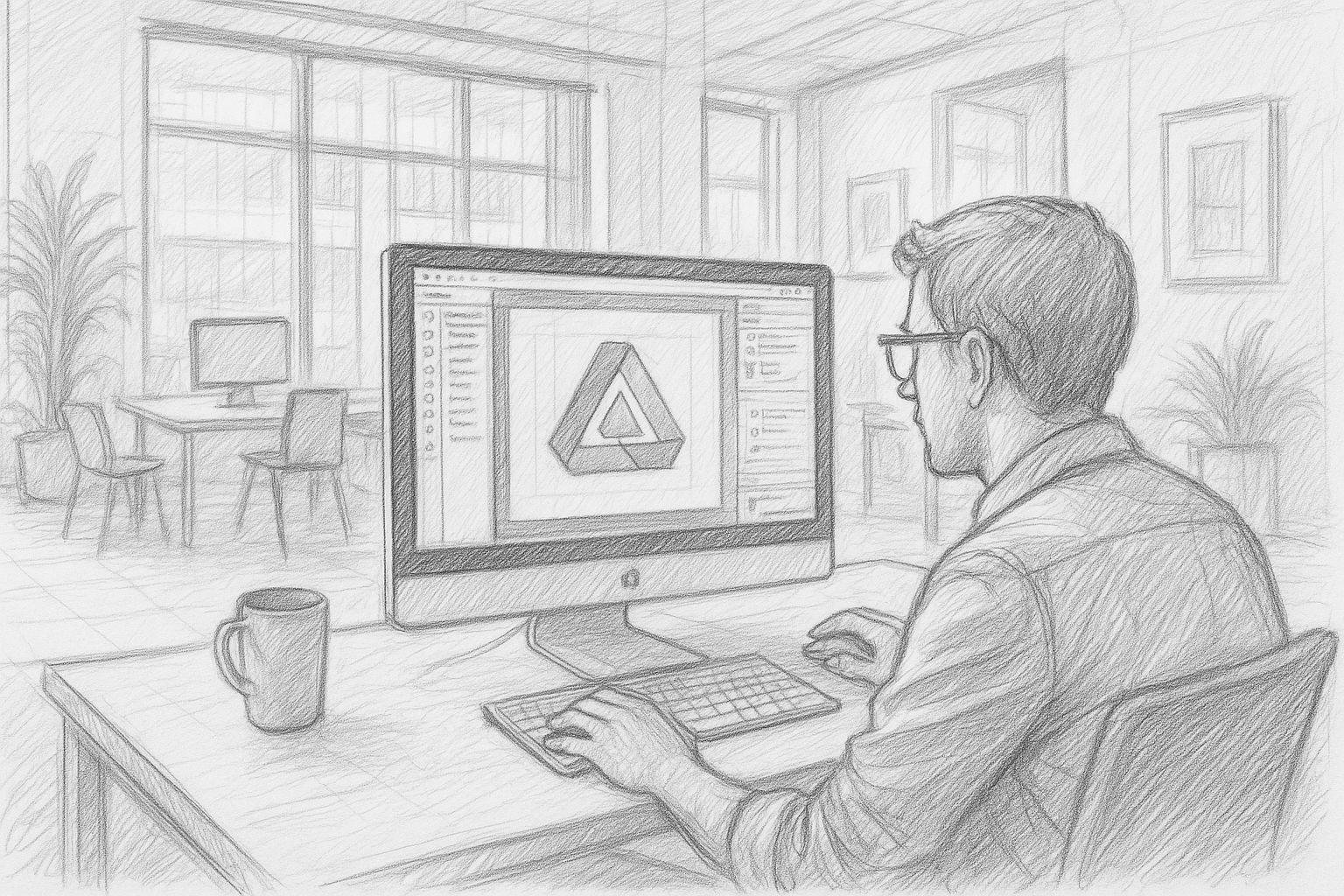


 I am often asked by entrepreneurs: "Do we need a blog?". People also often ask me: "Do I need a blog?". My answer is almost always: "Of course!" - I am happy to explain why I think so at this point. But first there is the banal question: What is a blog anyway and what functions does it perform? To a large extent, this question already contains the answer to the first question. This is because a blog usually performs several functions and is much more than just a platform on which articles can be written. From the perspective of an SEO (search engine optimizer), a blog is a valuable tool for making content available and bundling it from several channels. So what does a blog have to do with search engine optimization? I would like to explain this in more detail in this article.