Current contributions

Apple MLX vs. NVIDIA: How local AI inference works on the Mac

Local AI on Silicon with Apple Mac

Anyone working with artificial intelligence today often first thinks of ChatGPT or similar online services. You type in a question, wait a few seconds - and receive an answer as if a very well-read, patient conversation partner were sitting at the other end of the line. But what is easily forgotten: Every input, every sentence, every word travels via the Internet to external servers. That's where the real work is done - on huge computers that you never get to see yourself.

In principle, a local language model works in exactly the same way - but without the Internet. The model is stored as a file on the user's own computer, is loaded into the working memory at startup and answers questions directly on the device. The technology behind it is the same: a neural network that understands language, generates texts and recognizes patterns. The only difference is that the entire calculation remains in-house. You could say: ChatGPT without the cloud.

Read more

A fact check on the electronic patient file (EPR): risks, rights and objections

All the facts about electronic patient records

The electronic patient file, or ePA for short, is one of the most ambitious digitization projects in the German healthcare system. It is intended to bundle medical information centrally - from findings and laboratory values to medication plans, vaccinations and hospital reports. The aim is to better connect doctors, therapists, pharmacies and patients, avoid duplicate examinations and improve the quality of treatment.

What sounds modern and efficient on paper raises numerous questions in practice: Who has access? How secure is the data? And above all: do I even want all my health information to be stored and accessible centrally - even if I haven't asked for it?

Read more

Understanding TMD: Why knowledge is the first step to healing

Understanding CMD is the first step to healing

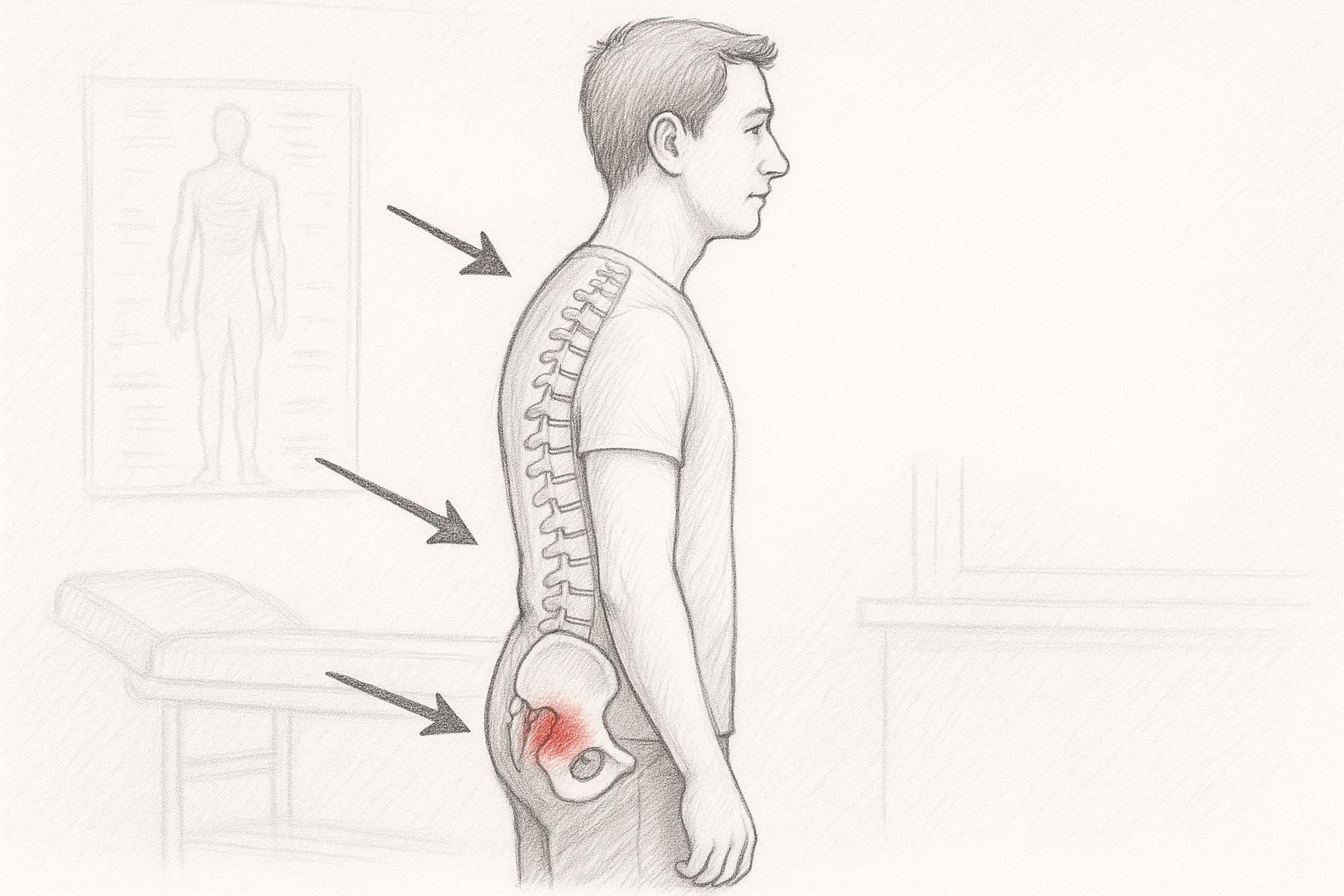
There are complaints that don't behave like normal symptoms. They appear, disappear, shift - and don't fit into any specialist category. This is exactly where the story behind CMD, craniomandibular dysfunction, begins: not an exotic disease, but a functional disorder in the interaction of the temporomandibular joint, chewing muscles, teeth, neck and throat. What sounds so technical acts like a silent director in the background in everyday life: it pulls here, presses there, makes you tired, makes you nervous - and rarely does the finger point directly at the jaw.

Read more

Your opinion counts - New surveys on current topics

Surveys on current topics

A magazine thrives on exchange - now also interactively. Anyone who knows me knows that I don't write to preach - but to initiate thought processes. The articles on my website have never been a one-way street, but an invitation to reflect. But what has been missing so far is the opportunity for readers to take a very concrete stand - anonymously, honestly, directly. This is exactly what is changing now.

You can now find interactive polls on my website that are integrated directly into articles on specific topics - and also appear in rotation in the sidebar. This is a step that was long overdue: because in a world in which more and more opinions are being imposed from above, every freely expressed opinion from below is a piece of digital sovereignty.

Read more

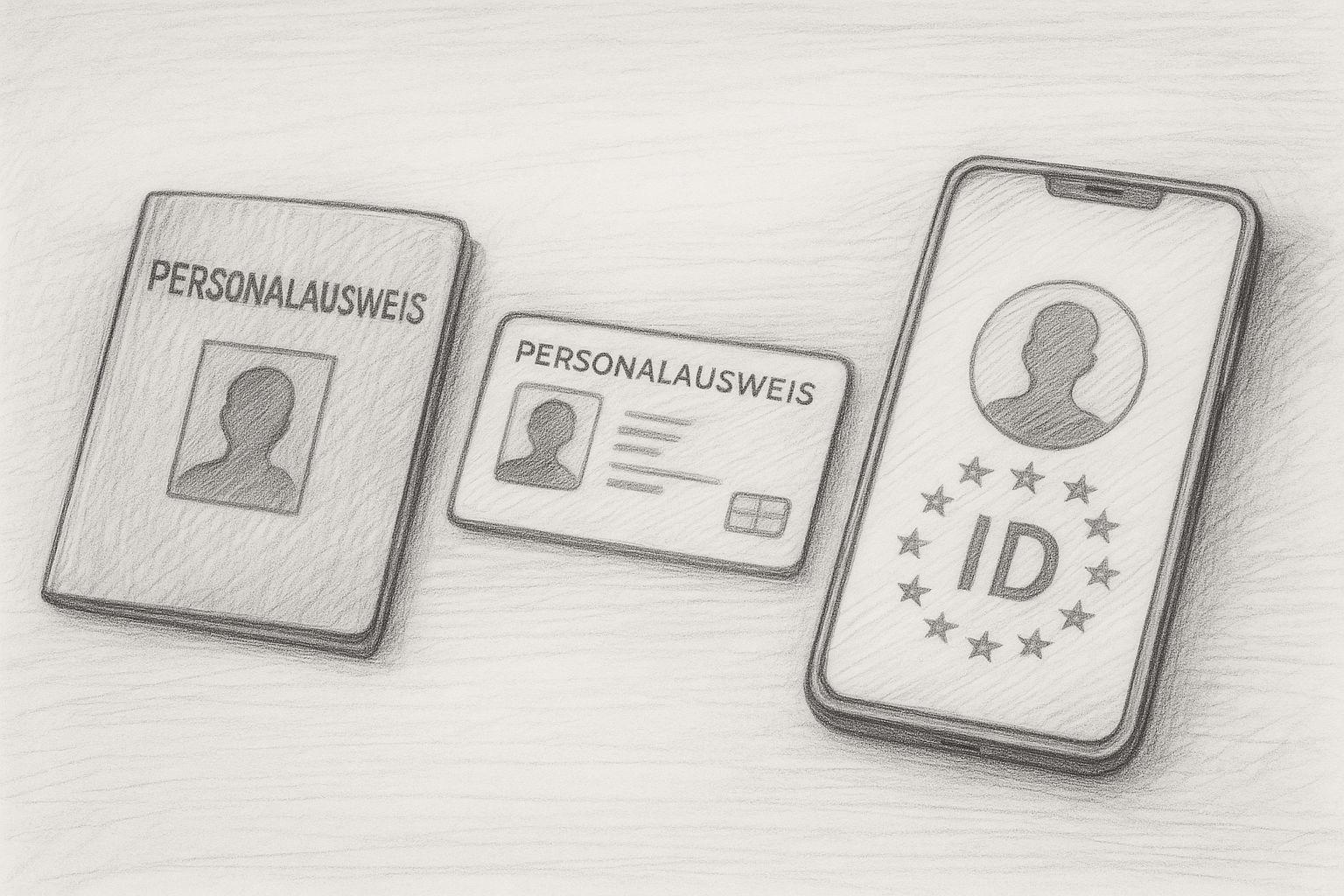
The digital euro is coming - what it means, what it must not do and what it could do

The digital euro is coming

Public money is more than just a medium of exchange - it is a symbol of state sovereignty, a guarantor of economic order and a means for all citizens to participate freely in economic life. For centuries, cash was an expression of this freedom: anonymous, unconditionally usable, valid everywhere. With the gradual replacement of cash by digital payment methods, a central question is now being posed anew: who will control the money of the future - and under what conditions?

Read more

Forced migration at HostEurope: When emails suddenly end up in the cloud

Hosteurope migration to Microsoft 365

There are decisions that self-employed people like to put off because they are inconvenient. Changing hosting providers is undoubtedly one of them. As long as the websites are running, the emails are arriving and the bills are being paid, you think: Why touch something that works?

But sometimes you realize too late that "working" no longer means "right". My web hosting provider Hosteurope was of the opinion that it had to force its customers to migrate to Microsoft 365 for a fee without their active consent. The following is my experience, which ended for me with a migration to another hosting provider.

Read more

Future with a charger - Mr. von L'oreot buys an e-scooter

It was one of those quiet mornings when the sun shone through the fine curtains of my study and the smell of freshly brewed Darjeeling mingled with that of newspaper ink - a smell that always reminds me of the orderly times when paper was still considered the carrier of thought and not the packaging for bananas.

As usual, I had neatly arranged my breakfast: two slices of gray bread, butter in a geometric arrangement, and a boiled egg with the familiar crack that always appears in the same place - a mystery that even progress cannot explain.

Read more

LoRA training: How FileMaker 2025 simplifies the fine-tuning of large language models

LoRA Fine tuning - FileMaker 2025

The world of artificial intelligence is on the move. New models, new methods and, above all, new possibilities are emerging on an almost weekly basis - and yet one thing remains constant: not every technical innovation automatically leads to a better everyday life. Many things remain experimental, complex or simply too costly for productive use. This is particularly evident in the so-called fine-tuning of large language models - a method of specializing generative AI to its own content, terms and tonalities.

I have accompanied this process intensively over the last few months - first in the classic form, with Python, terminal, error messages and nerve-wracking setup loops. And then: with FileMaker 2025. A step that surprised me - because it wasn't loud, but clear. And because it showed that there is another way.

Read more