I have been wearing a Schöttl splint myself for three and a half years - a fixed bite splint in the lower jaw that is regularly reground and is deliberately designed to not only relieve the jaw, but also influence the spine. And that's exactly what it does for me. This splint has helped me to calm my static, relieve tension and develop a completely new body awareness.
During this time, I've realized how little clarity there is out there about the different types of splints. Especially in the online groups, I keep seeing how confusingly this term is used - as if every splint does the same thing. That's why I'd like to bring some order here and explain to you in an understandable way what types of splints there are and why the difference is so important.
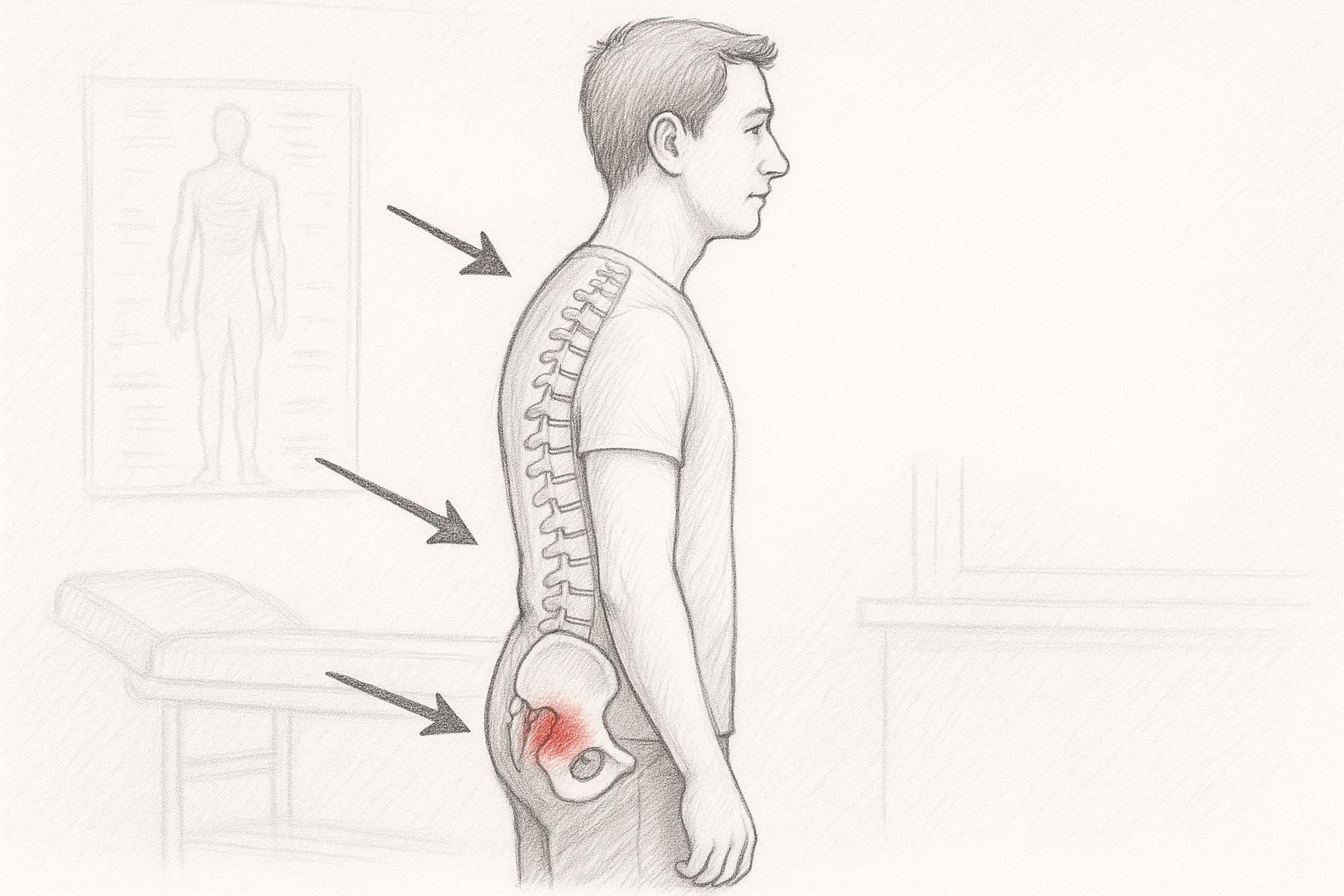



Why the term „splint“ hardly means anything today
When I am in a TMD-group, as someone writes: „I was given a splint“, I usually don't even know what we're actually talking about. And therein lies the problem: the term „splint“ has become so broad today that it stands for almost everything that you put in your mouth. It used to refer to a simple hard bite plate - often for the upper jaw, usually intended purely as a protective measure against night-time grinding. Nothing more. But those days are over.
Today, there are simple plastic splints, individually ground systems, complex functional lower jaw splints, splints with joint guidance, constructions with metal appliances and specialized therapeutic models that intervene deeply in the body's statics. And all of them are simply called „splints“. This inevitably leads to misunderstandings. One person is talking about an everyday crunch splint for a few euros, while another is talking about a therapeutic instrument that intervenes in the entire muscle chain.
For many of those affected, this gives the impression that each splint can be compared with each other - or worse: that each one can have the same effect. This is precisely not the case. A grinding splint protects teeth, but it does not correct malocclusion. A functional diagnostic splint can change posture, but it is not a simple standard product. And an orthodontic appliance is something completely different from a classic plastic bite plate.
The longer I deal with the subject, the clearer it becomes: Without clear terms, it's easy to get lost in the dark. You rely on recommendations that don't fit your own situation. And you buy solutions that were never intended for your individual problem. That's exactly why I want to explain the most important types of splints step by step in this article - objectively, clearly and in such a way that you end up with a feeling for what really suits which problem. Because only when you realize that „splint“ is not just „splint“ can you make a decision that really helps your own body.
The simple crunch splints - what they really can and cannot do
When someone writes in forums or groups: „I got a splint from the dentist“, they very often mean a simple grinding splint - usually made of clear or milky plastic, relatively thin, quickly produced and standard in many practices. At first glance, this seems logical: the teeth are protected, the dentist has „done something“ and you have the feeling that at least a step has been taken. But if you take a closer look, you realize how limited these splints actually are - especially for complex complaints such as TMD.
What a simple crunch splint is
A simple grinding splint is basically nothing more than a protective shield for your teeth. It fits either in the upper or lower jaw, is adapted to the existing tooth relief and ensures that your teeth do not grind or damage each other when you grind.
Their main purpose is therefore mechanical tooth protection - no more and no less.
In many cases, this type of splint is produced relatively quickly: Impression, laboratory, short fitting, possibly a small grinding, finished. The splint is then referred to as a „night-time grinding splint“ or simply a „bite splint“, although functionally it is only distantly related to more complex bite splints.
What these splints can do - and where their clear limits are
So that there are no misunderstandings: For pure grinding without major structural problems in the temporomandibular joint, such splints can make perfect sense. If someone is working hard with their teeth, fillings or crowns are at risk and it is mainly a matter of preserving the substance, this is a simple and pragmatic solution. The teeth then have a kind of bumper and wear is limited.
However, when it comes to more than that - jaw joint cracking, pain, neck problems, shoulder tension, back pain, pelvic misalignment or complex TMD - these splints very quickly reach their natural limits. They do not cause a real realignment of the bite, they do not change muscle chains and they do not correct the statics of your spine.
In a sense, they are placed on top of the existing malocclusion - and in the worst case, they can even stabilize this malocclusion.
Why simple crunch splints are often overrated
In my practice, I encounter the same situation time and time again: someone has worn a plastic splint for years, „worked“ well at night, perhaps even received several different splints - and yet the symptoms have remained. Sometimes they have even gotten worse. The problem is not that the splint is „bad“, but that it was not developed for the actual purpose. A crunch splint is often sold as a therapeutic tool, when in reality it is just a protective tool. That is a huge difference.
If you imagine it like this: you would simply replace the wallpaper on a house with a sloping foundation. This may look nicer and be reassuring at first - but the foundations will still be crooked.
However, many people hope for exactly the opposite: less pain, less tension, relaxation of the muscles, a change in posture. As a rule, a simple crunch splint cannot achieve all of this. If something improves, it is often only in the short term because you have the subjective feeling that „something has happened“ and you feel relaxed about this step. This is understandable from a psychological point of view, but physically there is usually no profound change.
How such splints can still be a building block
Despite all the criticism, simple grinding splints have their place - if you classify them correctly. If you mainly want to protect your teeth and don't have any major complaints in the area of statics or the temporomandibular joint, they can certainly be a useful component. They are relatively inexpensive, uncomplicated to make and usually easy to tolerate in everyday life.
However, it is important that you know what you can expect from such a splint - and what not. It is not a panacea, not a „CMD splint“ and certainly not a tool with which the entire body statics can be specifically influenced. It is a kind of „helmet“ for your teeth, nothing more.
Typical misunderstandings you should know about
In conversations and contributions, I see the same errors in thinking time and time again:
„I have a splint, so my TMD is being treated now.“
In reality, often only the enamel is protected, but not the system behind it.
„If the splint doesn't help, then splints in general can't help.“
That is just as wrong. It's more like you're saying: „This simple plaster didn't heal the broken leg, so bandages are basically useless.“
„All splints are basically the same.“
In my view, this is where the greatest danger lies. If you don't differentiate, you can't recognize when a different splint concept would make sense.
Especially in TMD groups, this mix of splint types and experiences can quickly lead to confusion. One person has a simple crunch splint and hardly any benefit, while the other wears a complex functional splint and reports significant improvements. Both talk about „my splint“ - but the tools they are talking about are completely different.
What you should look out for if you are offered a simple splint
If your dentist suggests a simple grinding splint, this is not a bad thing at first. The decisive factor is which question is in the foreground: Is it about protecting your teeth from abrasion? Or is it about treating a complex jaw problem that affects your neck, back and statics?
In the first case, a simple splint can be a sensible solution. In the second case, it is at most a small component - and in some cases even a brake because it gives the impression that „everything is done“. If you already have clear symptoms of TMD, it is important that you don't stop at the question: „Do I have a splint?“, but rather: „Which splint do I have, what concept was it based on and what is its aim?“ Only when these questions have been answered can you assess whether you are right with a simple crunch splint - or whether it is time to look at more functional, more in-depth splint systems.

Jaw pain & CMD - Which dental splint is right for you? | Pine knowledge Stefanie Kapp
Individually milled bite splints
After the simple grinding splints comes what many people know as the next step: a custom-made, ground-in bite splint. This is an area that can do much more than just protect your teeth - but here too, it is worth taking a closer look. After all, just because something looks more individual does not mean it is a targeted CMD therapy.
I see these splints as a kind of „classic middle ground“: better than pure plastic shells, but still a long way from consistent functional splints that are really intended to influence the statics.
How such splints are manufactured - and why this is important
For an individually milled bite splint, an impression of your teeth is first taken or a digital scan is made. A custom-fit splint made of harder plastic is then created in the laboratory. This raw splint is then fitted in the dental practice and milled in several steps. The aim is to ensure that contact is as even as possible when biting down and that no individual teeth come into contact too early or are overloaded when moving the lower jaw.
In theory, this should relieve the chewing muscles, calm the jaw joint and distribute the load more evenly. In practice, the result depends heavily on how carefully the work is carried out - and whether the practitioner has a clear functional goal in mind or just „smooths something out until it feels about right“.
What is importantThese splints are not just standard products. Each one is milled differently and each one can change over time as teeth, muscles and bite position adapt. Regular checks and reworking are therefore almost always necessary.
Upper jaw or lower jaw - a seemingly small detail with a big effect
One question that is surprisingly rarely explained properly is the position of the splint: upper jaw or lower jaw? Many bite splints are placed in the upper jaw. This is often easier from a dental point of view and is standard in many practices. You close your mouth, the splint is on top and the lower jaw „finds“ its place.
However, there are also individually milled splints for the lower jaw. These create a different initial situation because the lower jaw is the movable element in the system. Whether a splint is placed in the upper or lower jaw has an influence:
- how your muscles work,
- how your lower jaw orients itself when you bite down,
- the position of your temporomandibular joint.
If splinting is carried out in the upper jaw, the lower jaw can „get used to“ a certain position. This can be relieving, but can also stabilize an unfavourable position if the concept behind it has not been properly thought through.
A lower jaw splint, on the other hand, can - if planned accordingly - intervene more actively in the movement control. It can bring the lower jaw into a different, therapeutically desired position or guide it along certain paths. The decisive factor here is also: It is not the position alone that makes the difference, but the concept according to which the splint is ground in.
What functions such splints can have
Individually milled occlusal splints are often used for several purposes:
- Firstly, they should Relieve the chewing muscles. If the contacts are more even and no individual teeth are overloaded, the muscle tone can be reduced. Some people then report less morning tension, headaches or pain in the jaw joint.
- Secondly, they should Soothe the temporomandibular joint. A defined contact surface often distributes the pressure on the joint differently. Cracking noises, rubbing noises or blockages can change as a result - sometimes for the better, but sometimes not at all.
- Thirdly, they can be used as diagnostic tool serve. If your symptoms change with a certain bite situation, this can indicate the direction further therapy should take. In good hands, a splint is not only a treatment, but also a test instrument.
- Fourthly, they often serve as Preparation for further steps. Before a final bite lift, denture or full reconstruction is made, a splint is sometimes used to see how your system reacts to a different bite position.
All of this sounds very sensible at first. However, experience shows that in many cases this type of splint is simply used as a „better crunch splint“ without these options really being utilized.
Opportunities - where such splints can actually help
When used correctly, customized bite splints can definitely help noticeably. For example, if you have heavy tooth contact in a certain region, the muscles there are overloaded and the temporomandibular joint is already irritated, a well-made splint can act like a small reset: The forces are better distributed, the muscles no longer have to „work hard“ in one place and the system has a chance to calm down a little.
Even with moderate CMD complaints, these splints can be a sensible start if a dentist works with them carefully and keeps an eye on the development. You can then observe whether your symptoms change, whether they decrease or shift. This will give you an indication as to whether it is „just“ the bite situation or whether there are underlying problems in the statics, musculature or spine.
Sometimes a well-adjusted occlusal splint in the upper or lower jaw can make the difference between constant night-time pain and bearable nights. This should not be underestimated. But it's important to see it for what it is: a building block. Not necessarily the whole solution.
Limits - why these splints often perform less than promised
In my opinion, the biggest problem with these splints is that they are often sold as if they were a complete CMD therapy. In reality, however, in many cases they remain on the surface. A splint can influence the bite position, but it doesn't automatically „reprogram“ your body. If your entire statics are out of balance - pelvis, spine, shoulder girdle, neck - then a splint alone is rarely able to put this entire system in order permanently. It intervenes in one area and the rest of the body tries to cope somehow.
In addition, once such a splint has been ground in, it can cement a certain bite situation. If this situation has been chosen unfavorably, it can even cause more problems in the long run. You get used to a new position that is not optimal and the body tries to compensate for this „new truth“.
Another point: many practices work without real functional diagnostics. This means that there is no systematic examination of how your joints, muscles, movement paths and static posture interact. Instead, they make a splint, grind it in, optimize it a little - and then hope that things will get better. In some cases this works by chance, but in many cases it doesn't.
Why individually ground splints are often overrated
For all these reasons, I believe that customized bite splints have a double-edged reputation. Some swear by them, others say: „Didn't help at all.“ Both can be true - depending on how consistently and how consciously they are used. They are overrated when they are sold as an all-purpose weapon:
„You have CMD? Here, a splint and you'll be fine.“
This is rarely realistic. They are underestimated if they are simply seen as a slightly „better grinding splint“. In good hands, they can be an important diagnostic and therapeutic element to find out how your temporomandibular joint and muscles react to certain changes. For you as a sufferer, it is crucial that you ask the right questions:
- What concept was used to grind this splint?
- What specific goal is the practitioner pursuing?
- How is the achievement of this goal monitored?
- And what happens if there is no or too little improvement?
Only when these questions have been answered can you assess whether your individually ground bite splint is actually part of a well thought-out strategy - or just another attempt to solve a complex problem with a limited tool.
This is precisely where the consistently functional splint systems come in, such as functional splints in the lower jaw, which are explicitly designed not only to change the bite, but to influence the entire system.
Therapeutic mandibular splints with functional goal
Up to this point, we have mainly been talking about splints that either protect or „organize“ the bite a little. With therapeutic mandibular splints with a clear functional goal, we are in a different league. Here, it is no longer just a matter of preserving the teeth or slightly relieving the muscles, but of specifically bringing the entire system into a different, more favorable position - with effects on the jaw, muscles and body statics.
The Schöttl splint is a typical representative of this approach: a hard, finely adjustable lower jaw splint that not only reorganizes the bite, but also has a noticeable effect on the posture and spine of many patients.
What basically characterizes therapeutic mandibular splints
Therapeutic functional splints have a clear goal: they are designed to guide the lower jaw into a different, functionally better position and make this position stable but reversible. This is a decisive difference to simple grinding splints:
- The lower jaw is not guided „somehow“, but is consciously moved into a defined position.
- The splint is not only adjusted until „nothing bothers you anymore“, but honed to a specific functional image.
- The effect is not only assessed in the mouth, but often also on Musculature, posture and movement sequences.
Such splints usually sit in the lower jaw. This is logical because the lower jaw is the movable part of the system. If you move the lower jaw to a different, neuromuscularly more favorable position and provide stable support there, the entire chain changes from top to bottom: Jaw joint, neck, shoulder girdle, spine, pelvis, legs. Of course, everyone reacts differently. But the basic principle is always the same: The splint is not a passive mouthguard, but an active control instrument.
The Schöttl splint as an example: hard mandibular splint with a clear strategy
The bite splint based on Dr. Rainer Schöttl's concept is made of a robust, semi-transparent plastic and is worn in the lower jaw. It is characterized by the fact that the occlusal surfaces are designed in such a way that the lower jaw is supported in a precisely defined, neuromuscularly determined position. Missing teeth can be replaced by integrated occlusal surfaces so that the bite is fully supported. A few important features:
- Hard, precise surfaceThe splint is deliberately hard. This means it can be ground in precisely, retains its shape and clearly shows the practitioner where forces are applied.
- Complete supportAll teeth should have defined contacts. The aim is to provide even support for the lower jaw, not individual „hotspots“ that are overloaded.
- Regular regrindingThe splint is checked and fine-tuned at intervals of a few weeks. In this way, the splint follows the development of your system - it does not remain at the level of the first session.
- ReversibilityNothing is irreversibly ground down on your teeth, but on the splint. This means that the original tooth structure remains largely untouched. If a position proves to be unfavorable, it can be corrected without destroying your natural bite.
I have been wearing a splint like this myself for several years and this is exactly what I experience: it is not just a piece of plastic in my mouth, but a precision tool that has influenced my statics step by step.
What the path to such a functional splint typically looks like
Before a therapeutic mandibular splint is used, a detailed functional diagnosis is usually carried out. For many concepts, including Schöttl's, this includes, among other things:
- Relaxation of the muscles, often with TENS (transcutaneous electrical nerve stimulation) or similar procedures.
- Functional analysis of the temporomandibular joint and the movement paths of the lower jaw.
- Bite registration in a neuromuscular „relaxed“ position (keyword myocentric).
The splint is then not simply placed on the usual bite position, but on the determined target position. This means that if your system was previously „crooked“, it is consciously aligned to a different, physiologically more favorable position - and this is exactly where the splint supports the lower jaw. The splint is therefore both a therapy and a diagnostic tool:
If your symptoms change with this new support, this provides valuable information about how closely your symptoms were linked to the previous bite position.
Effect on the temporomandibular joint, muscles and spine
The exciting thing about these functional splints is that the effect is often not only noticeable in the jaw. Many observations - both in practices and in documentation - show that the body statics can change measurably when the bite position is altered. Among other things, there are measurements in which the foot pressure and posture have shifted just minutes after the insertion of a functional splint. What happens at the core?
- The Masticatory muscles is operated at a new length and voltage.
- The Temporomandibular joint comes out of a permanent incorrect position into a more physiological position.
- The Head position adapts - often the head becomes freer, the neck muscles can let go.
- The Spine because the head and jaw position is an important „input“ into the postural system.
- Basin, Hip and Legs can reorganize themselves as a result.
That sounds spectacular, but it's simply biomechanics: If you change something at the top of the support, the rest of the system has to react. In practice, I experience - and other patients report similar things - that complaints „migrate“, shift and are gradually pulled out of higher load zones.
What is importantThis does not happen overnight. The system needs time to restructure. But the crucial point is that a functional splint like the Schöttl splint is designed in such a way that this transformation can take place at all - instead of just preserving the status quo.
Everyday life with a therapeutic lower jaw splint
In everyday life, such a splint is more intensive than a simple grinding splint. It is not a „nice to have“, but a therapeutic appliance that needs to be used consistently. Typical:
- You wear the splint for several hours a day, often during the day, not just at night.
- It is checked and resharpened at fixed intervals because your bite and your muscles are constantly adapting.
- In many cases you will feel that your body is „sorting itself out“ - sometimes unpleasant at first (pulling, adjustment reactions), then increasingly stable.
For you, this means that you must be prepared to work with us. A functional splint is not a passive device that you wear on the side while everything else stays the same. It is a tool with which you actively enter a longer rebuilding phase. This is precisely why such splints can have a big impact - but also why they are not something you can just try out.
Opportunities - for whom such splints are particularly interesting
Therapeutic mandibular splints with a functional goal are particularly interesting for people who:
- a clearly pronounced CMD is present,
- jaw problems are coupled with neck, back or pelvic problems,
- the previous splint therapy (simple grinding splints, simple occlusal splints) has helped little or only in the short term,
- there is a desire not only to protect the system, but to really reorganize it functionally.
The big advantage: such splints combine diagnostics and therapy. They allow you to test the effect of a new bite position before making any irreversible changes to your teeth. If you respond well to them, dentures, reconstructions or a permanent solution can be based on this functional position.
Limits and prerequisites - why it doesn't work without a concept
As great as the possibilities are - therapeutic functional splints are not a miracle cure. Without a clear concept, they can fail you just like any other measure. Important prerequisites are
- A practitioner who takes functional diagnostics seriously and doesn't just „grind it out“.
- A clean bite registration in a relaxed, neuromuscularly favorable position.
- Willingness to have the splint checked and adjusted regularly.
- Ideally, an accompanying treatment of the musculature and statics (e.g. manual therapy, posture therapy, individual insoles) so that the body can integrate the new bite position sensibly.
It also takes patience. A system that has been stuck in a faulty static for years or decades does not rebuild itself in two weeks. I have personally experienced how complaints have shifted over months before a feeling of stability has set in. For you, this means
If you are interested in a therapeutic mandibular splint with a functional goal, you should see it as a long-term process - not as a quick fix. But this is precisely where the opportunity lies: instead of just managing symptoms, you are given a tool that allows your system to reorganize itself bit by bit.
More complex appliances and special splints
In addition to the classic occlusal splints and functional mandibular splints, there is a whole range of other appliances that have been or are still used, depending on the school, decade and therapeutic approach. Many look impressive at first glance - metal rods, hinges, repositioning mechanisms and designs that are more reminiscent of orthopaedics than dentistry. Some of these devices have their place, others have evolved historically and are only useful today in certain special cases.
The following is an organized overview so that you can assess what is out there and what these devices were really intended for.
Repositioning splints - when the lower jaw is „guided“
Repositioning splints are one of the best-known, more complex types of splints. They are designed to deliberately move the lower jaw out of its usual position, often forwards or slightly to the side. The idea behind this is to bring the temporomandibular joint into a relieved position in which the joint disc sits better and the joint surfaces come under less pressure. Typical features:
- They significantly change the position of the lower jaw.
- They are often used temporarily to test a new bite position.
- They are noticeably different from the usual bite - some patients find this pleasant, others find it annoying.
These splints can help with acute joint problems, for example if the joint disc is severely displaced. However, they are always intended to be temporary, as the body should not be held permanently in an artificially displaced position in the long term. This is precisely why they are used with caution.
Double splints and multi-component systems
In some concepts, two splints are used simultaneously: one in the upper jaw and one in the lower jaw. These systems are designed to fully control the bite and guide the lower jaw along defined paths. Some models have small mechanical guides or surfaces that determine exactly how the lower jaw slides. Their typical goals:
- Relief of the joint surfaces via a large contact surface
- Readjustment of the movement paths
- Testing bite positions before long-term measures are taken
The disadvantage: these systems can be very unfamiliar, make speaking difficult and interfere with everyday life. In addition, the benefits are often only great if there is a clear functional strategy behind them.
Splints with metal rods or joints
Some older orthodontic concepts - especially from the 1970s and 1980s - used appliances with metal guides, hinges or small rods. These designs were intended to force the joint into a certain path or pull the lower jaw forward. Some were mainly used in adolescents to influence growth processes. Today, such models are rare in adults. Reasons for this:
- They are often uncomfortable and difficult to use in everyday life.
- The effect is not always predictable.
- The intervention in the movement mechanics can lead to new complaints if not worked on very carefully.
Nevertheless, there are a few modern developments of such devices that can be useful in certain special cases, such as severe joint deformities.
Combination devices for orthodontics and functional diagnostics
In special cases, appliances are used that are a combination of classic orthodontics and functional diagnostic splint therapy. These appliances can, for example
- Preparing tooth movements and bite corrections
- Reduce joint stress
- Simultaneously influence jaw position and tooth alignment
However, such systems are only used in a few specialized practices. They are not the first choice for most CMD sufferers.
When complex appliances can be useful
Even if many of these devices seem expensive, they are justified - but within a narrow framework. They mainly come into play when:
- the temporomandibular joint is structurally damaged,
- the joint disk is severely displaced or deformed,
- there are considerable misalignments that simple splints cannot influence,
- a permanent bite reconstruction is prepared,
- previous therapies were ineffective and a precise diagnosis is necessary.
The decisive factor here is that such appliances should never simply be used „prophylactically“. They belong in the hands of experienced specialists who know when mechanical intervention is really necessary and when it is not.
When you should rather keep your distance
Many of these devices are simply too much of a good thing if the actual problem is primarily muscular or functional. You should become sensitive when:
- You are sold a device that looks very complicated but is used without a clear diagnosis,
- the focus is on the instrumental technique rather than the functional examination,
- a lot is promised, but little is explained about objectives and procedures,
- everyday life would be significantly restricted by the device, without a clear benefit being foreseeable.
Complexity is not a sign of quality. The opposite is often true, especially in the CMD field: the more technical a device appears, the more cautious you should be.
Complex appliances can be just the right tool in exceptional cases - especially in the case of severe structural problems of the temporomandibular joint or when a precisely guided change in bite position is necessary. For the vast majority of CMD sufferers, however, they are not the first step.
In most cases, a well-designed, functional mandibular splint is sufficient to relieve and structurally modify the system. Anything beyond this should only be considered if it is really medically justified.
The next chapter is about how to find the right track for you - and which considerations are really crucial before you make a decision.
| Splint type | Suitable for | Advantages | Disadvantages |
| Simple crunch splint (plastic) | Especially for night-time grinding and pure enamel protection without pronounced CMD problems. | Inexpensive, quickly available, protects fillings and tooth substance from abrasion. | No real CMD therapy; stabilizes malocclusion if necessary; no effect on statics or musculature. |
| Individually milled bite splint | For patients with muscle tension, moderate temporomandibular joint problems or unclear bite patterns. | Can relieve muscles; organize bite contacts; serves as a diagnostic step before further therapy. | Effect strongly dependent on the practitioner; limited influence on the overall statics; regular adjustment necessary. |
| Therapeutic mandibular splint with functional target (e.g. Schöttl splint) | For pronounced CMD, poor posture, complaints from the jaw to the spine and complex neuromuscular problems. | Targeted realignment of the bite position; can positively influence statics, posture and complaints throughout the body; reversible. | Requires consistent support and patience; intensive therapy process; high demands on diagnostics and experience. |
| Reduction splint | For acute or pronounced temporomandibular joint problems, e.g. joint disc displacement with pain or blockages. | Can relieve the joint in the short term; suitable for diagnostic assessment of new jaw positions. | Only useful for a limited time; unnatural bite position; unsuitable as a permanent solution without follow-up therapy. |
| Double splints / multi-component systems | For complex cases with a severely disturbed bite position where the jaw relationship needs to be precisely guided and checked. | High control over bite and movement paths; useful for preparing larger reconstructions. | Complex, unfamiliar in everyday life; not suitable for standard CMD; requires specialized practices. |
| Appliances with metal rods / joints | For special orthopaedic or orthodontic issues, usually with severe structural deviations. | In exceptional cases, can specifically influence joint guidance or growth; sometimes the only option for severe damage. | Often uncomfortable, technically complex; high potential for error; rarely the first choice for CMD patients today. |
| Combination devices (orthodontics + functional diagnostics) | For patients with severe malocclusions where tooth movement and functional correction are to be combined. | Enable targeted preparation of comprehensive bite reconstructions; combine statics and tooth position. | Very complex therapy; high costs; only useful with a clear indication and appropriate specialist. |
Further overview of bite splints suitable for CMD at the GZFA (Society for Dental Health, Function and Aesthetics)
How to find the right splint for you
If you put all these splint types next to each other, you quickly realize how big the differences really are. There are splints that only protect. There are splints that provide a bit of organization. There are splints that specifically intervene in the neuromuscular system. And there are devices that intervene deeply in mechanical processes and are only useful in special cases. This is precisely why it is worthwhile not leaving the decision to chance.
What you should clarify before making a decision
Before you decide on a splint, you should ask yourself what problem you actually want to solve.
- Are you trying to protect your teeth because you grind them at night?
- Is it because your muscles are overloaded?
- Or is there a larger, functional problem behind it, which also manifests itself in the neck, back or even in the body statics?
The more clearly you can formulate this goal, the easier it will be for you to recognize later whether a track really suits you.
- A simple crunch splint is a good fit for pure tooth wear.
- A ground bite splint can provide initial indications of how your system reacts.
- A functional lower jaw splint - such as the Schöttl splint - is useful if the problem is deeper and the body as a whole is involved.
Everything beyond that - complex appliances, double splints, metal rods - belongs in the hands of specialists and in most cases is only the second or third step.
What really helps you - pragmatic criteria
There are a few simple questions you can use to quickly recognize whether a splint makes sense:
- Is there a clear therapeutic goal? If nobody can explain to you why this splint should have exactly this effect, the concept is missing.
- Is it regularly checked and reground? A splint that is never readjusted often misses the actual problem.
- Is functional diagnostics available? Without a functional analysis, every splint is a trial - not a planned step.
- Does the splint match your symptoms? A plastic splint against structural deformity? That will rarely work.
- Is the solution reversible? If a lot of grinding is done before it is clear whether the bite should remain as it is, it becomes dangerous.
With these questions, the „market of possibilities“ can be sorted very quickly.
What my Schöttl splint has done for me
I've been wearing my Schöttl splint for three and a half years now - a fixed lower jaw splint that is regularly reground and is deliberately designed not only to regulate my bite, but to influence my entire statics. And that's exactly what it has done.
But you have to be honest: a splint like this is not a wellness product. It is an active tool. And it has a deep effect. You have to wear them consistently, especially at night. My dentist always says: „Always wear it - really always.“ If I haven't worn it for a long time in between, I've had to ease back into it more slowly afterwards so that my body doesn't immediately put up a complete fight. This creeping in is simply part of the process.
But the effect is impressive. When I look back at everything, my entire bite position has changed completely - bit by bit and each time in a comprehensible way. And that's not all: my skeleton has also changed. From the feet to the knees, the groin, the larynx, the cervical spine, the rib cage, the eye muscles - I could feel the system rearranging itself everywhere.
That sounds dramatic, but it's simply the reality when a functional track intervenes deeply and the body lets go of decades-old compensations. And that's where ChatGPT was a huge help for me. It calmed me down during the phases when something was suddenly working everywhere in my body. It was able to categorize, explain and show me that these changes are logical when you are wearing a profound splint. This gave me the confidence I needed not to get nervous at every change.
Today I can say: it was worth it. It really was. The splint has not only helped my jaw, but my whole body. But it requires consistency, patience and sometimes a thick skin in the face of all the little adjustment reactions that crop up along the way.
If you are faced with the question of which splint is right for you, don't be put off by general recommendations. Each splint has its own purpose, its own limits and its own effect.
The important thing is that you understand what you are actually getting - and why.
With a well-chosen splint, you can not only protect your teeth, but even realign your statics and resolve discomfort that you may have been carrying around for years. But the choice must be careful. And it shouldn't be based on marketing, group opinions or chance, but on a clear, honest assessment of your situation.
If this article helps you to get an initial overview, I would be delighted. And maybe you'll end up finding exactly what helped me so much: a tool that not only covers up symptoms, but also gives you back a little bit of stability every day.
Reading tip: „CMD - The forgotten problem of modern medicine“
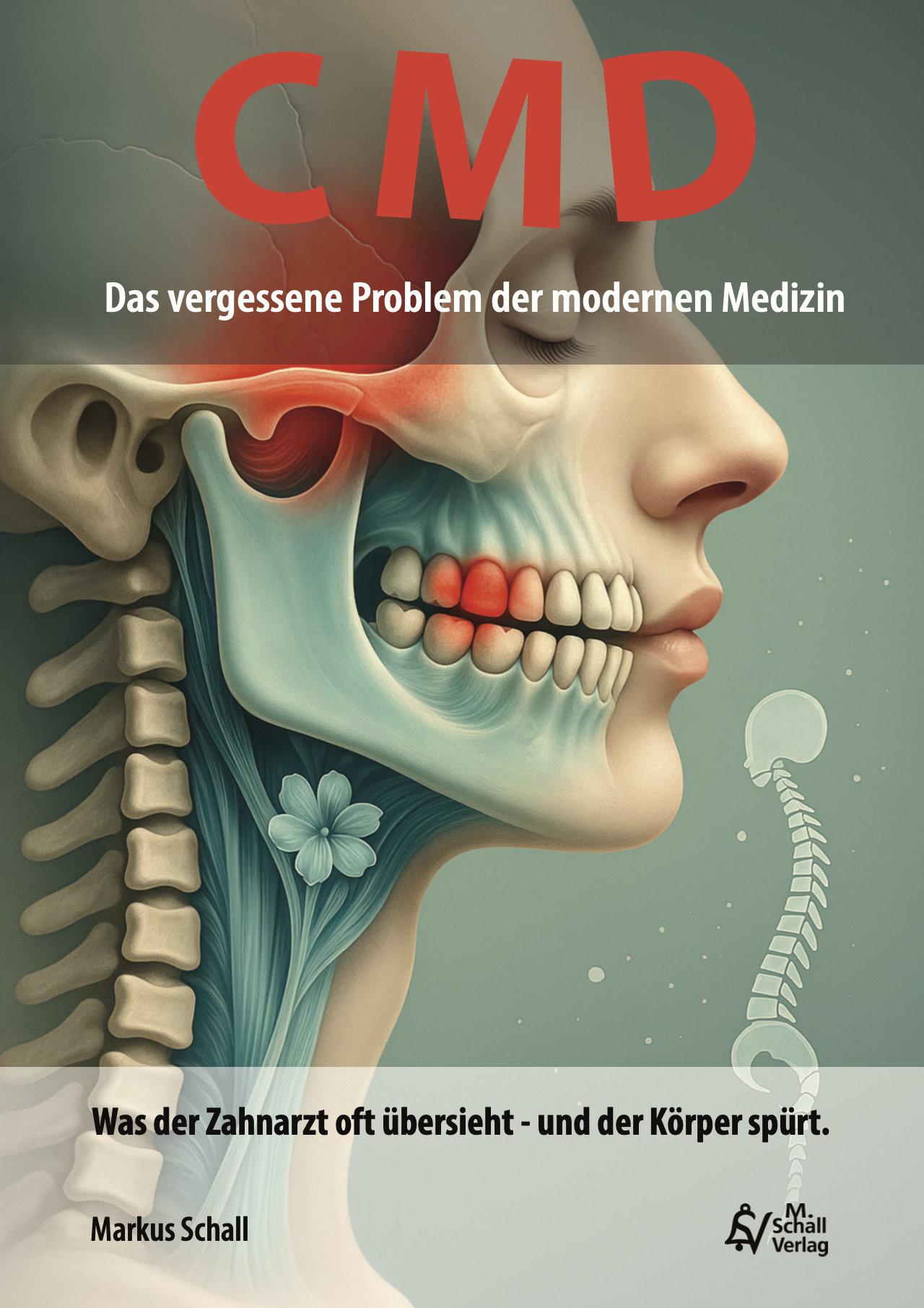 If you want to delve deeper into the subject, you can find more information in my book "TMD - The forgotten problem of modern medicine" a detailed description of all the important connections. Over 200 pages, I describe how CMD develops, why it is so often overlooked and why many symptoms in the body only become understandable when the jaw is understood as a central control organ.
The book guides you step by step through the most important basics, typical misdiagnoses, neuromuscular correlations, everyday factors and therapeutic options - supplemented by personal experiences, concrete examples and a sober look at what is often neglected in medicine today.
More articles on the topic of CMD
On my online magazine you will also find a series of in-depth articles that shed light on the topic of CMD from different angles. These include
- Understanding CMD - why knowledge is the first step to healing by learning how the body and jaw are connected;
- Dental cleaning - sensible or excessive?, a differentiated look at the role of modern dental prophylaxis;
- Lithium - the forgotten trace element, an article about microdosing and possible effects on mental balance;
- Dental health and CMD - more than a bit, a reflection on the future of functional dentistry; and
- Splint therapy for CMD - my personal journey through the final phase, in which I show how my own system has sorted itself out piece by piece under the splint.
These articles are an ideal supplement to this article if you want to understand the topic in more detail.
If you would like to share your experiences with CMD or occlusal splints, please use the comment function in this article.




Frequently asked questions
- What is the fundamental difference between a simple grinding splint and a therapeutic functional splint?
A simple grinding splint primarily protects your teeth from abrasion. It has no active therapeutic function and does not change your muscles or statics. A functional splint, on the other hand, is designed to guide the lower jaw into a new, physiologically better position. It influences the temporomandibular joint, muscles and often the entire body statics. While a grinding splint has a purely passive effect, a functional splint is an active control instrument. - Can a simple grinding splint cure or improve my CMD?
Usually not. A grinding splint can alleviate symptoms in the short term because it protects the teeth and reduces irritation. However, the actual CMD problem remains if the cause lies deeper - for example in the muscle tension, in the jaw joint or in the body statics. More targeted splint systems are needed for real changes. - How do I know whether my current splint is suitable for my symptoms?
If your brace primarily protects your teeth but does not affect your posture or muscle tension, it is probably a simple brace. If, on the other hand, you feel that your posture, your muscles or your movement patterns are changing, it is more likely to be a functional splint. The most important thing is the intention of the practitioner: What was the splint made for? If this is unclear, the concept is usually missing. - Why are so many incorrect splints prescribed?
This is often due to the fact that the term „splint“ is used indistinctly and that functional diagnostics play only a limited role in many practices. Many dentists resort to simple grinding splints because they are quick to implement. Functional splints, on the other hand, require experience, time and a clear therapy concept. - How important is it to regrind my splint regularly?
Very important. Regardless of whether it's an occlusal splint or a functional splint - your body is constantly changing. This also changes how the splint rests. If it is not reground, it can start to create incorrect contacts or stabilize old incorrect tensions. A good splint „lives“ with your changes and is adjusted regularly. - Can a splint also trigger new complaints?
Yes, this can happen. If a splint unintentionally shifts the bite into an unfavorable position or if it was used without functional diagnostics, new tensions can occur. With functional splints, initial adjustment reactions are normal, but should subside over time. If complaints become more severe or persistent, the splint needs to be readjusted. - How long does it take for a functional splint to take effect?
This is very individual. Some people feel relief after a few days, others only after weeks or months. The body needs time to let go of old patterns and reorganize itself. In the case of deeper-rooted problems, the adjustment phase can take several months. - Is it normal for completely different areas of the body to suddenly respond to a functional splint?
Yes, when a splint changes the bite position, the entire muscle chain reacts - from the feet to the head. This can lead to temporary discomfort: Pulling in the legs, pressure in the pelvis, tension in the neck, even changes in the larynx or eye muscles. This is not dangerous, but a sign that your system is working. - What do I do if I have not been able to wear my splint for a few weeks?
Then you should start again slowly. Many practitioners recommend building up the wearing time gradually so that the body is not overtaxed. If the splint seems very strange, it makes sense to have an appointment for a check-up before you start wearing it again. - Should a functional splint only be worn at night or also during the day?
It depends on the concept. Many functional splints are intended for night-time use, some are also designed for all-day wear. The important thing is that you follow your practitioner's recommendation. Basically, the more consistently you wear them, the more stable the change will be. - Can a functional splint permanently change my bite?
Yes, that is even the intention. A functional splint is often used to find a new, physiologically better bite position. If this proves to be stable and pain-free, a permanent reconstruction or bite adjustment can be built on it later. - What does it mean if my jaw suddenly stops cracking with the splint?
This is a typical sign that the temporomandibular joint is in a relieved position. Most clicking noises are caused by incorrect or excessive strain on the joint disc. If a splint reduces this strain, the clicking can disappear temporarily or permanently. - How often does a functional splint need to be checked?
More frequently at the beginning - often every two to six weeks. Later, when the changes become less pronounced, longer intervals are sufficient. It is crucial that the splint is actively supported and does not „work on its own“ for months on end. - Can I do physiotherapy or osteopathy at the same time?
Yes, and this often makes sense. If a splint changes the bite position, manual therapy support can help the surrounding structures to adapt more easily. Many patients report that physiotherapy under a functional splint is significantly more effective. - What happens if I have tried several splints and nothing helps?
Then it may be that the actual cause has never been addressed. Some people have severe neuromuscular misprogramming that cannot be corrected with standard measures. Only a splint with a clear functional strategy - such as a mandibular splint with a neuromuscular target position - will then bring progress. - How important is the position of the splint - upper jaw or lower jaw?
Very important. An upper jaw splint has a more passive effect and allows the lower jaw to search. A lower jaw splint usually guides more actively and can influence the movement paths more clearly. With functional splints, the focus is therefore almost always on the lower jaw. - Why does a functional splint sometimes even change the spine?
Because the jaw is a central component of the body's statics. If the bite position changes, the head posture changes. When the head posture changes, the neck reacts. And when the neck changes, the entire spine often changes. The body is an interconnected system - the jaw is just one of the big levers. - Is it normal for my shin to feel different over time?
Yes, this is actually a good sign. It means that your body is adapting. If the splint fits perfectly at first and then later „wobbles“ in certain places or rests differently, it's time for regrinding. Your system is changing - and the splint has to change with it. - Can I see for myself whether my splint is well adjusted?
Not reliable. You can perceive clues: Is it getting better? Are the complaints getting less? Or are they shifting logically along the body? But only an experienced practitioner can judge the exact adjustment. A splint can feel „good“ and still be incorrectly adjusted - or feel uncomfortable and still work perfectly if it initiates a change. - When is the right time for further treatment?
When your system has stabilized under the splint and you have the feeling that the splint shows you a new, good bite position. Many patients use functional splints as a transition before having a permanent bite adjustment, crowns, implants or reconstructions made. The key is: stabilize first, then make a permanent change.