Propaganda: history, methods, modern forms and how to recognize them

What is propaganda?

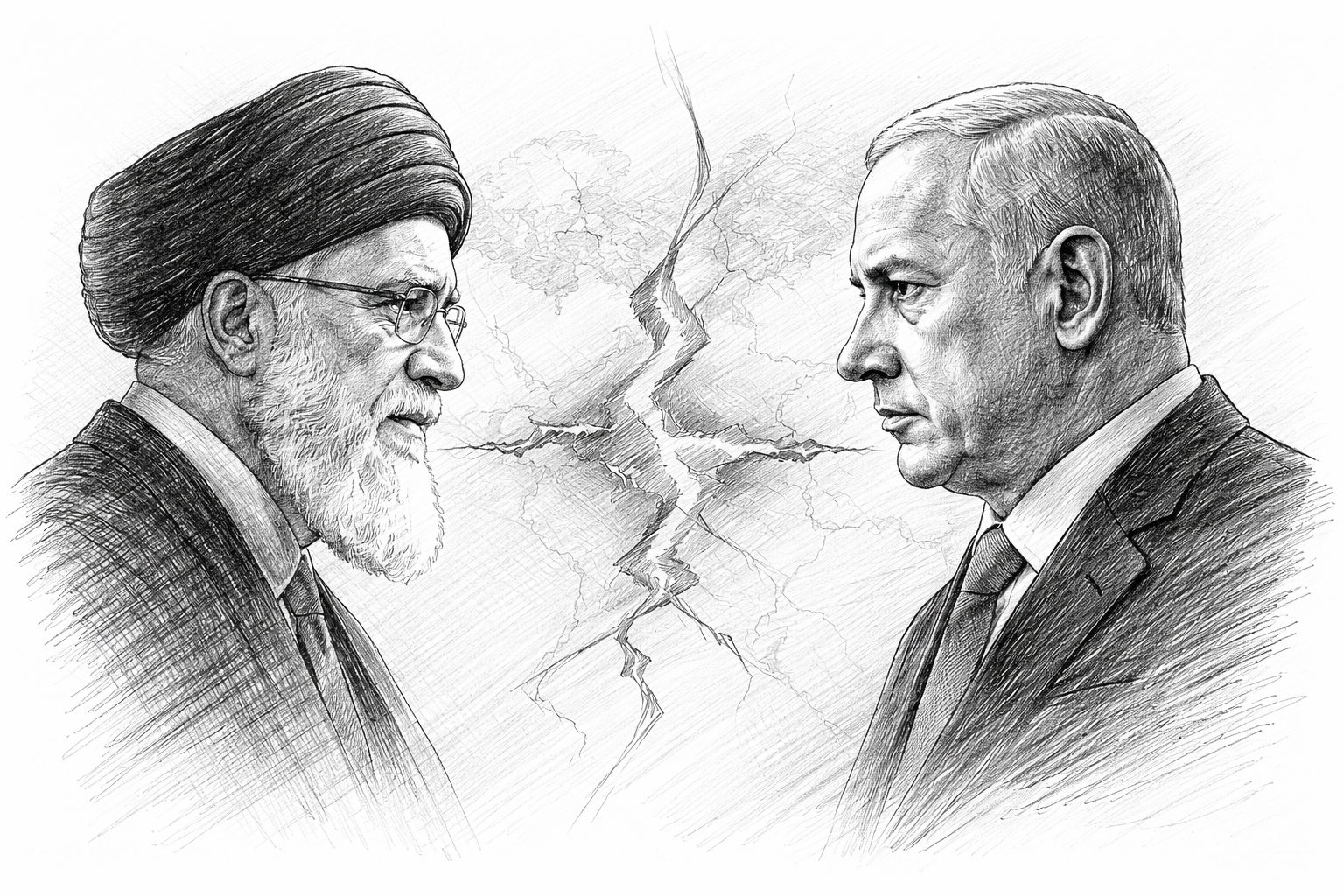
For many - and I felt the same way myself for a long time - propaganda was something you learned about in history lessons. A topic that seemed to be firmly established: in the Third Reich, perhaps even in the GDR, i.e. in clearly defined, authoritarian systems. We were taught that propaganda existed there because these systems needed it - and that it didn't really play a role in an open, democratic society like the Federal Republic of Germany.

This view was comfortable. And it was plausible for a long time. Because propaganda was almost always shown as something obvious: as a slogan, as a poster, as martial imagery. Something that you recognize as soon as you see it - and from which you can distance yourself internally. Today, this certainty seems fragile. Not because people have suddenly changed, but because the form of influence has changed. And that is precisely why it is worth clarifying calmly and without agitation what propaganda actually is - and what it is not.

Read more

Understanding digital money: Bitcoin, stablecoins and CBDCs explained simply

CBDCs, cryptocurrencies and stablecoins

There were times when money was simply „there“ in everyday life. You earned it, withdrew it, paid with it, transferred bills - done. And that was one of the quiet qualities of the old system: it was so reliable that you hardly noticed it.

Many technical things work best when they remain invisible. Cash is a good example of this: it is tangible, easy to understand and allows for an exchange without a system immediately running in the background that logs or evaluates everything. This was normal for decades. You didn't have to be an expert to participate in business life. That will change in the future.

Read more

Vicco von Bülow alias Loriot - order, form and the quiet resistance of humor

There are artists who put their opinions on paper like a stamp: visible, unmistakable, sometimes even a little cheap. And then there is Vicco von Bülow - Loriot - who embodies the opposite: Poise without bluster. He could be very clear when he wanted to be. But he didn't do it with a pointing finger, but with a precision that first leads to laughter and then - almost imperceptibly - delivers the seriousness. This is particularly evident in later interviews: he does not speak in slogans, but in nuances. There is often more plain language between the lines than can be found in many a loud speech.

And perhaps this is where the real portrait begins: not with the famous sketches, not with the quotes that everyone knows, but with the question of how a person becomes so that they can look at the world with both kindness and relentless precision.

Read more

The Crimean Tatars - history, origins and present of a forgotten people

Crimean-Tartar steppe

Crimea has been in the headlines again and again for years. In this context, the name of the Crimean Tatars is often mentioned - usually briefly, often without explanation. However, if you want to understand who the Crimean Tatars are, you have to go much further back than the political conflicts of the present.

It is not about a single event or a clear „hour of birth“, but about a long historical process. This chapter attempts to explain this in detail: where this people comes from, how it was formed and why its identity cannot be pinned down to national borders.

Read more

Understanding high energy prices in Germany: Gas, electricity and gasoline explained simply

Energy prices in Germany

I am comparatively unaffected by high energy prices in my everyday life. I mainly work with Apple computers that have been optimized for efficiency for years and move around the city almost exclusively electrically. Soberly speaking, that doesn't cost the earth. And yet I can't shake off one thought: all around us, companies are coming under pressure, production facilities are closing or relocating. The same phrase keeps cropping up in conversations, reports and side notes:

Energy prices are too high.

If you take a closer look, a strange contradiction emerges. For many private individuals, energy has become noticeably more expensive, but is still manageable. For companies, on the other hand, it seems to be increasingly threatening their existence. This inevitably raises the question: What is the actual reason for this? And why is it so difficult to get a clear, understandable answer?

Read more

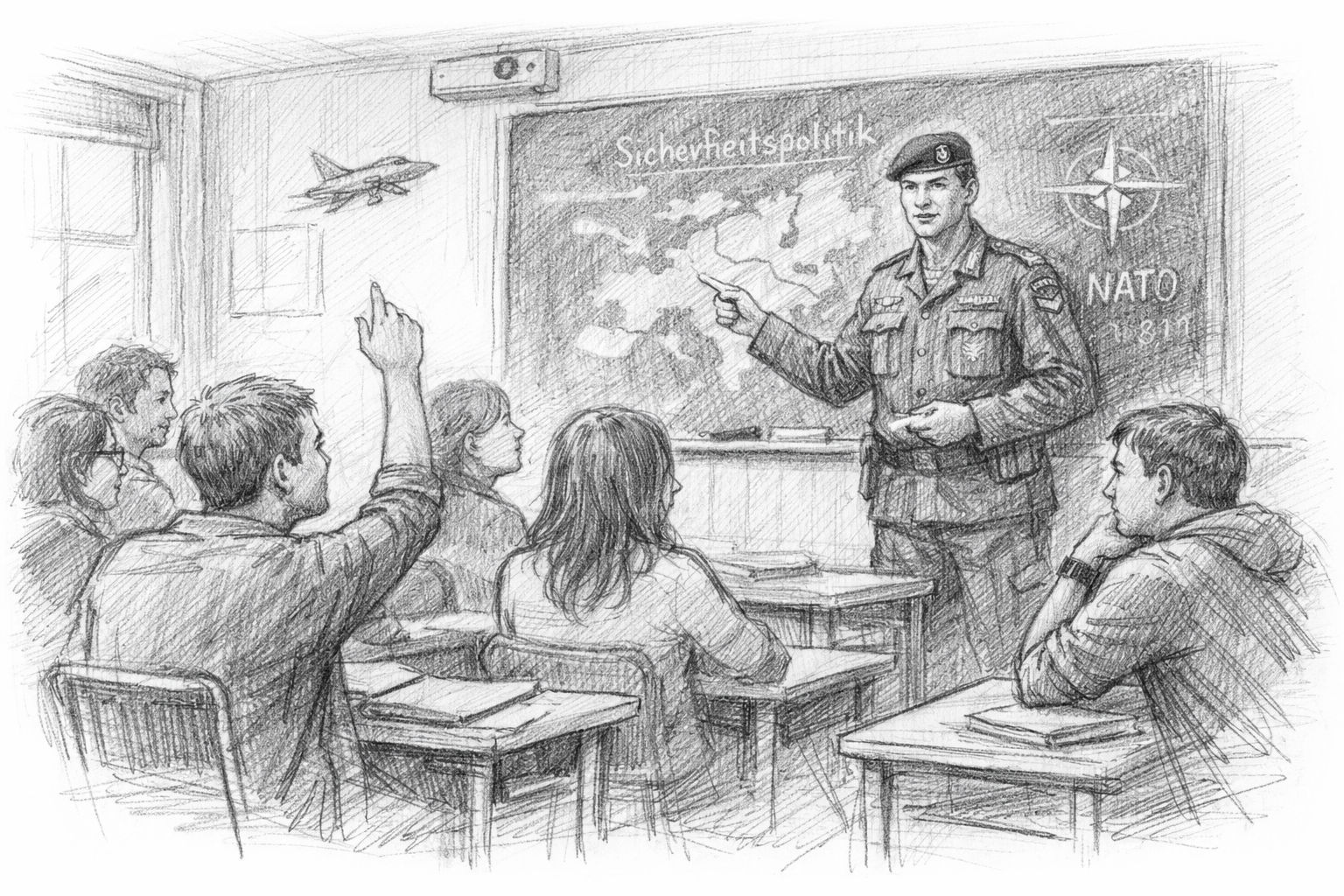
Jeffrey Sachs warns Germany: Why Europe's security needs to be rethought

Jeffrey Sachs writes open letter to Chancellor Merz

In his open letter to German Chancellor Friedrich Merz, published in the Berliner Zeitung on December 17, 2025, the well-known economist and professor Jeffrey D. Sachs speaks out with a clarity that has become rare in the current European debate. Sachs speaks not as an activist, not as a partisan and not as a commentator from a distance, but as an economist and political advisor who has worked for decades at the central interfaces of international crises, security architectures and economic upheavals. The open letter contains an unusually sharp quote:

„Learn history, Mr. Chancellor.“

Read more

Corporate insolvency: A personal experience with a guide for times of crisis

Guide to corporate insolvency

Looking back, it all started for me in 2007 with a business model that was surprisingly stable. I was selling refurbished Apple hardware and had a direct contact with Apple. More specifically, someone who was in charge of the refurbished department at the time. It wasn't an anonymous relationship, but a working relationship with clear agreements. The goods were in demand, the prices were realistic and the margins were solid - measured against what was to come later.

This model had a decisive advantage: it was flexible. The goods were cheaper to buy, the target group was price-sensitive but appreciative, and expectations were clear. Nobody expected high gloss, but function. This is often the healthiest phase for an entrepreneur: manageable costs, clear processes, few illusions.

Read more

Ulrike Guérot: A European between idea, university and public discourse

Ulrike Guérot and Europe

There are people whose thoughts you like to follow not because you agree with them on everything, but because they make an effort to penetrate things. For me, Ulrike Guérot is one of these voices. I have been watching her lectures for several years now - not regularly, not ritualized, but when I come across a topic that I feel is worth listening to more closely. What strikes me is that her arguments are calm, structured and largely non-ideological.

This does not make her lectures spectacular in the media sense, but they are sustainable. You can listen to her for a long time without getting the feeling that she is trying to sell a ready-made world view. Especially at a time when political debates are often morally charged or emotionally truncated, this way of speaking seems almost old-fashioned. In the best sense of the word.

Read more