Apple in transition: Early devices, personal experiences and an exhibition at the OCM

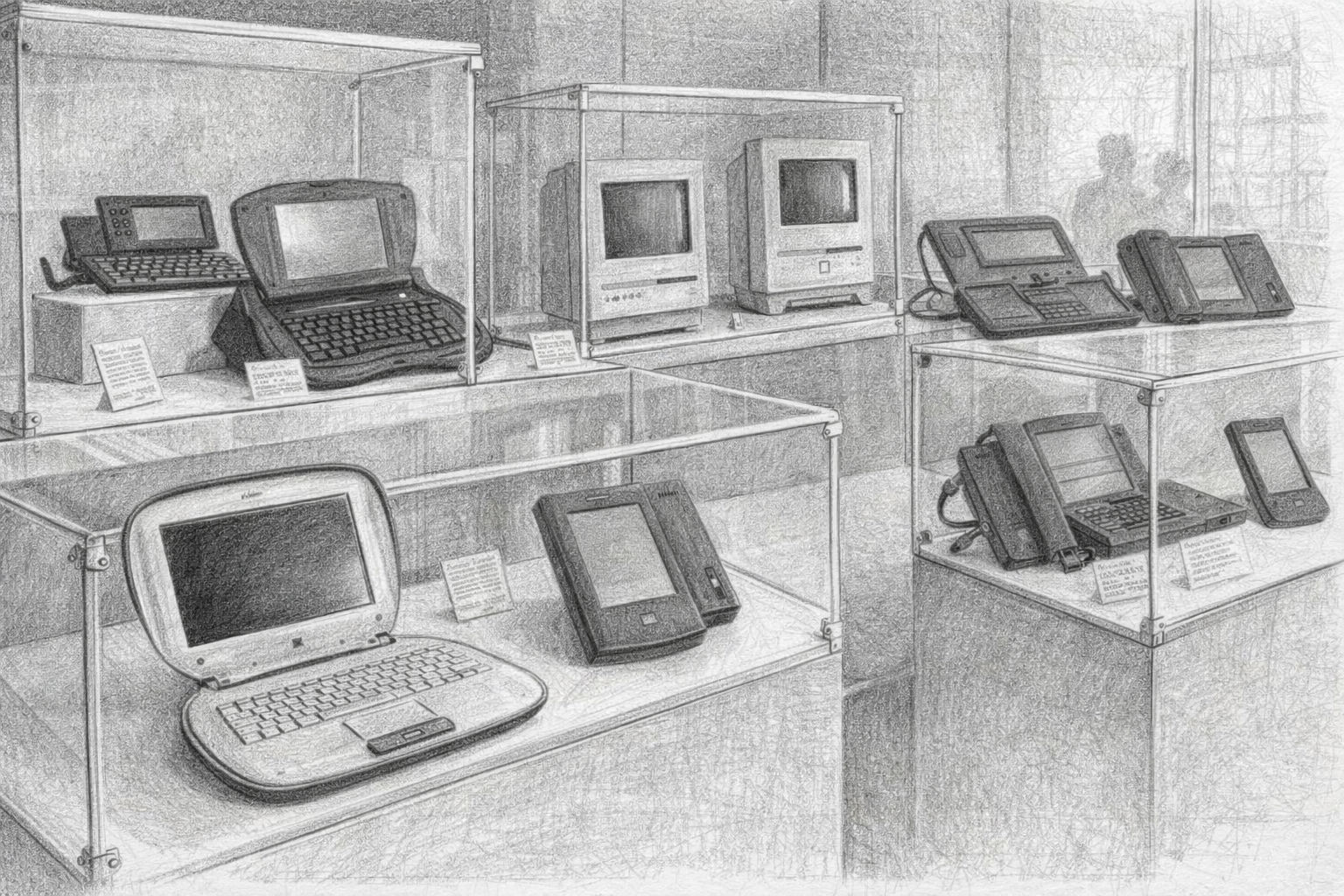
Apple Macintosh Classic and Color Classic

If you are interested in computer history, a visit to the Oldenburg Computer Museum is particularly worthwhile. The museum is one of those places that doesn't have to be loud to make an impression and will be hosting a special exhibition from April under the motto „50 years of the Apple computer“. For many years, technology has not only been exhibited there, but kept alive. Devices are not behind glass, but often ready for use on tables - just as they were actually used in the past.

That's what makes the difference. You don't just see old computers, you get a feeling for what it was like to work, play and think with these machines. From early home computers to classic office computers and special one-offs, everything is represented - carefully collected, maintained and, above all, clearly arranged.

Read more

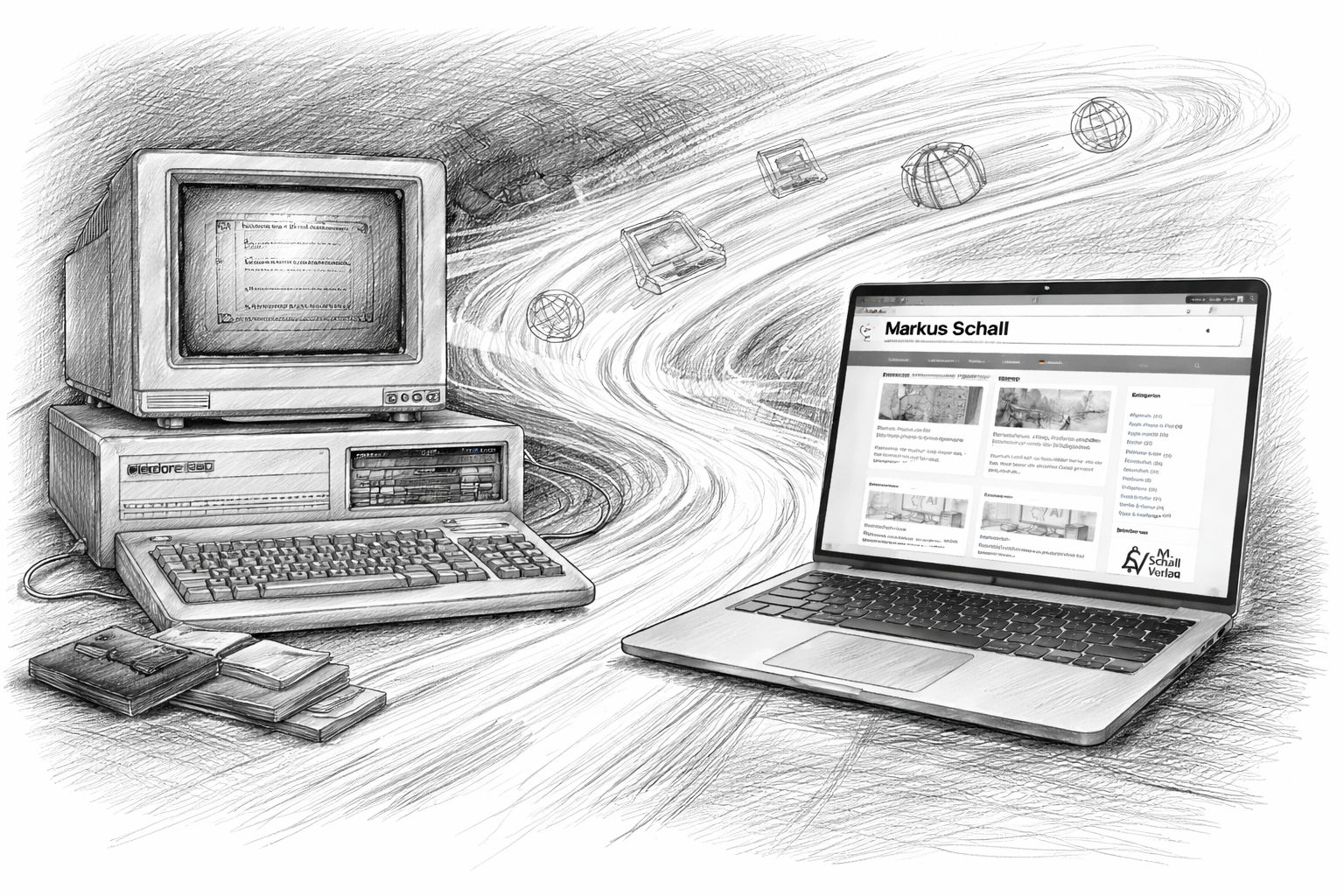
From Commodore C16 to WordPress: A journey through the early years of the internet

From modem to Internet and magazine

When you pick up a smartphone today, it contains more computing power than entire computer rooms used to. In the 1980s, things were completely different. Computers were rare, expensive and, for many people, a mysterious machine. Back then, if you had your own home computer, you belonged to a small group of tinkerers, inventors and curious people. The exciting thing was that you didn't just consume computers. You had to understand them. Many programs were not available to buy ready-made. Instead, computer magazines contained pages of listings with BASIC code that you had to type out line by line. Only then could you see whether the program worked at all.

That sounds tedious today, but it had one big advantage. You automatically learned how computers work. If you made a mistake, you immediately got an error message - and had to find out for yourself where the error was. In this way, many young computer fans developed a very natural approach to technology and programming.

It was at this time that I began my own journey into the world of computers.

Read more

When I was on the phone with a robot - how AI is conquering the phone and how to recognize it

Phone call with an AI robot

There are moments in everyday life that seem completely banal at first. You're sitting at your desk, working on an article, thinking about a new topic - and suddenly the phone rings. A number you don't recognize. In my case, it was an area code from the Ruhr region: 0233 something. As a self-employed person, you occasionally get calls like that. It's usually about advertising, services or advice that you don't actually need.

So I initially answered the call as normal. A friendly female voice answered on the other end. She introduced herself as an employee who works with Facebook and Instagram. Unsurprisingly, it was about advertising. About ads. About reach. Visibility for companies.

Read more

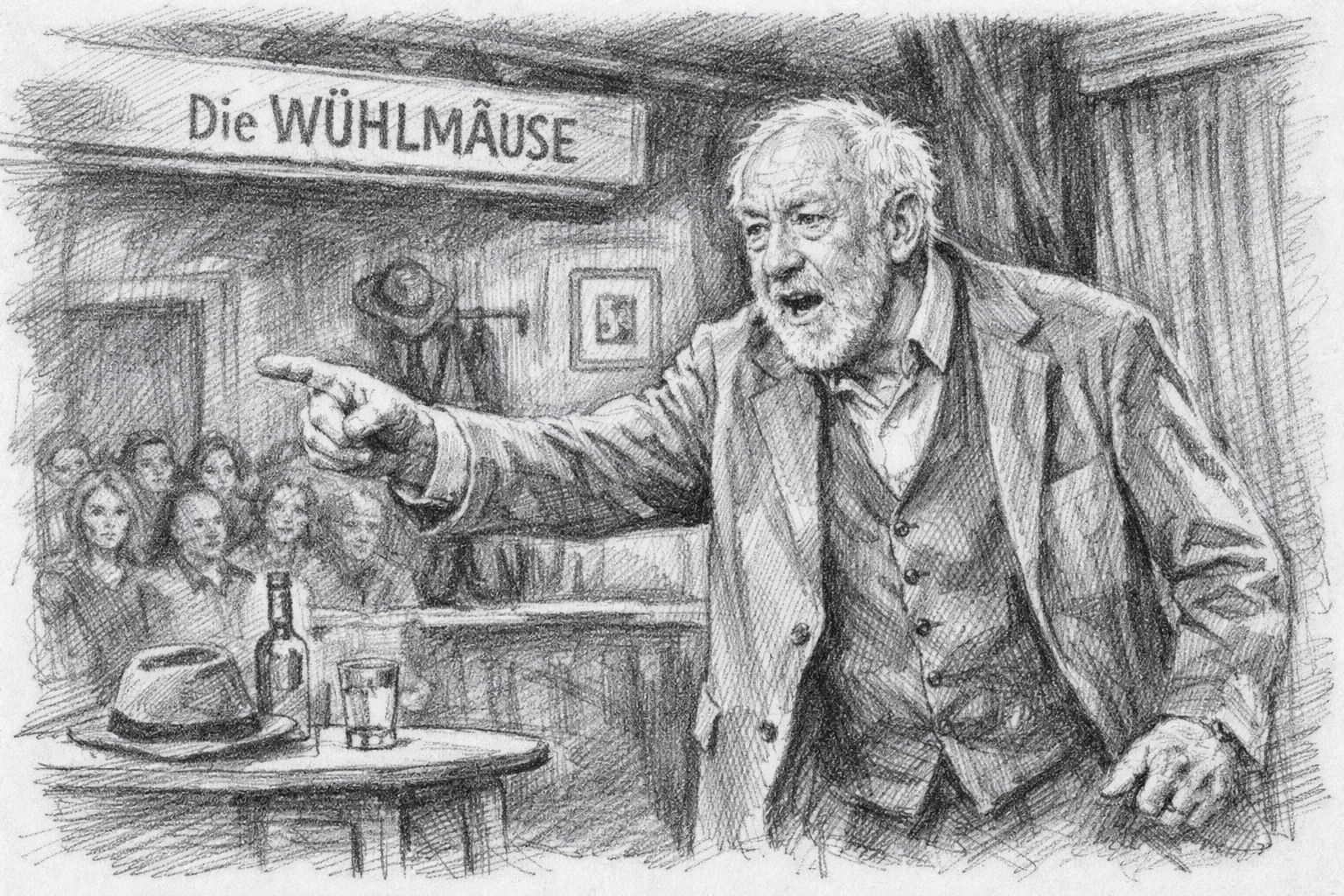
Dieter Hallervorden - More than Didi: Portrait of an uncomfortable free spirit

Dieter Hallervorden and the Wühlmäuse in Berlin

There are figures that stick to you for the rest of your life. Some like an ill-fitting suit, others like an old friend who keeps popping in without being asked. In Dieter Hallervorden's case, this friend is called „Didi“. And he doesn't ring, he bangs. On an imaginary gong. Palim, Palim! - and almost everyone knows who is meant.

But this is where the misunderstanding begins. Because anyone who reduces Dieter Hallervorden to this one moment, to the slapstick act, the stumbling face and the exaggerated naivety, misses the real person behind it. The joker was always just the surface. Underneath was a mind that was more alert than many gave him credit for - and a character who never liked to be told where to go. This portrait is therefore not a nostalgic look back at the television entertainment of past decades. It is an attempt to take seriously an artist who deliberately did not want to be taken seriously for decades - which is precisely why he was so effective.

Read more

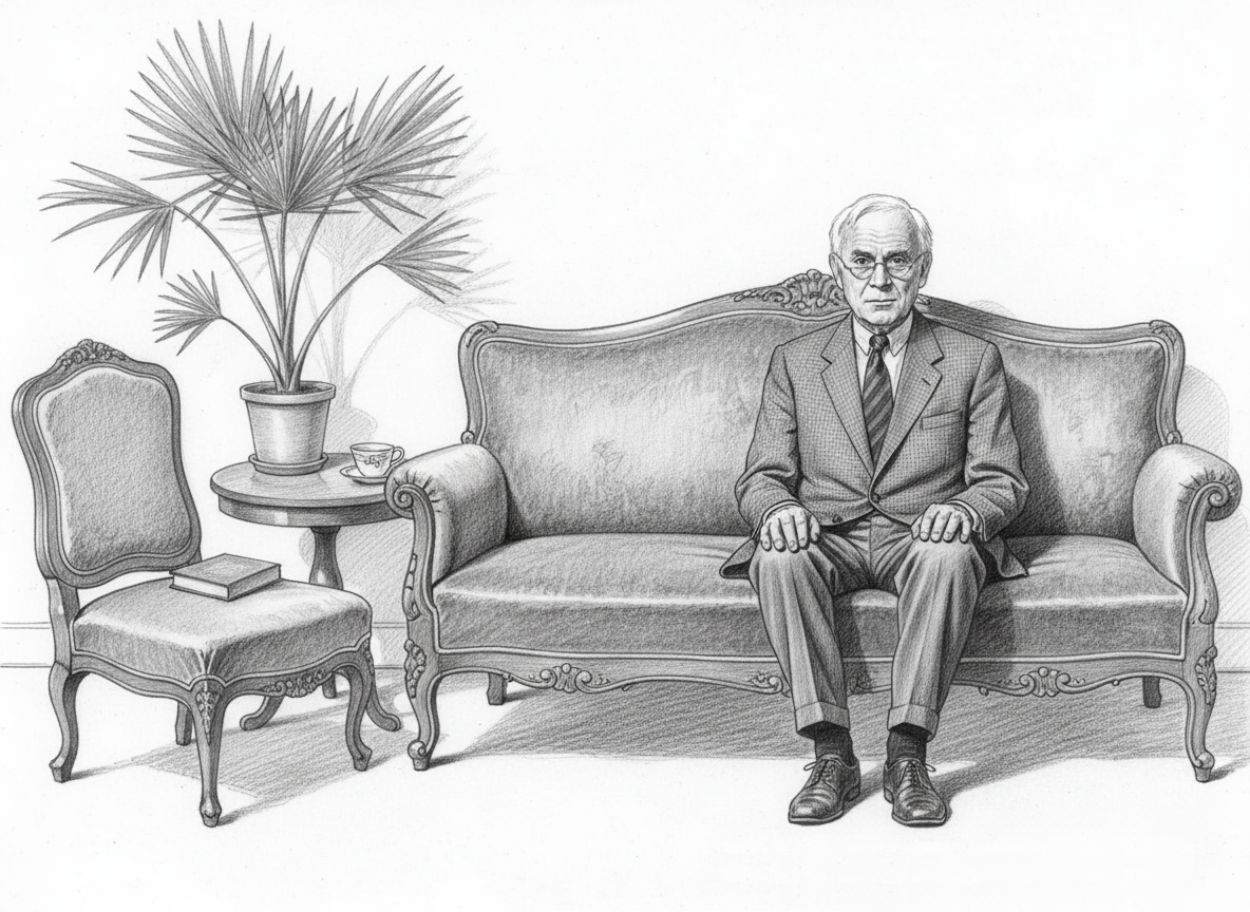
Vicco von Bülow alias Loriot - order, form and the quiet resistance of humor

There are artists who put their opinions on paper like a stamp: visible, unmistakable, sometimes even a little cheap. And then there is Vicco von Bülow - Loriot - who embodies the opposite: Poise without bluster. He could be very clear when he wanted to be. But he didn't do it with a pointing finger, but with a precision that first leads to laughter and then - almost imperceptibly - delivers the seriousness. This is particularly evident in later interviews: he does not speak in slogans, but in nuances. There is often more plain language between the lines than can be found in many a loud speech.

And perhaps this is where the real portrait begins: not with the famous sketches, not with the quotes that everyone knows, but with the question of how a person becomes so that they can look at the world with both kindness and relentless precision.

Read more

Forced migration at HostEurope: When emails suddenly end up in the cloud

Hosteurope migration to Microsoft 365

There are decisions that self-employed people like to put off because they are inconvenient. Changing hosting providers is undoubtedly one of them. As long as the websites are running, the emails are arriving and the bills are being paid, you think: Why touch something that works?

But sometimes you realize too late that "working" no longer means "right". My web hosting provider Hosteurope was of the opinion that it had to force its customers to migrate to Microsoft 365 for a fee without their active consent. The following is my experience, which ended for me with a migration to another hosting provider.

Read more

Future with a charger - Mr. von L'oreot buys an e-scooter

It was one of those quiet mornings when the sun shone through the fine curtains of my study and the smell of freshly brewed Darjeeling mingled with that of newspaper ink - a smell that always reminds me of the orderly times when paper was still considered the carrier of thought and not the packaging for bananas.

As usual, I had neatly arranged my breakfast: two slices of gray bread, butter in a geometric arrangement, and a boiled egg with the familiar crack that always appears in the same place - a mystery that even progress cannot explain.

Read more