Why distance is not a retreat - and how a freeze-out creates orientation

Freezeout - distance in crises

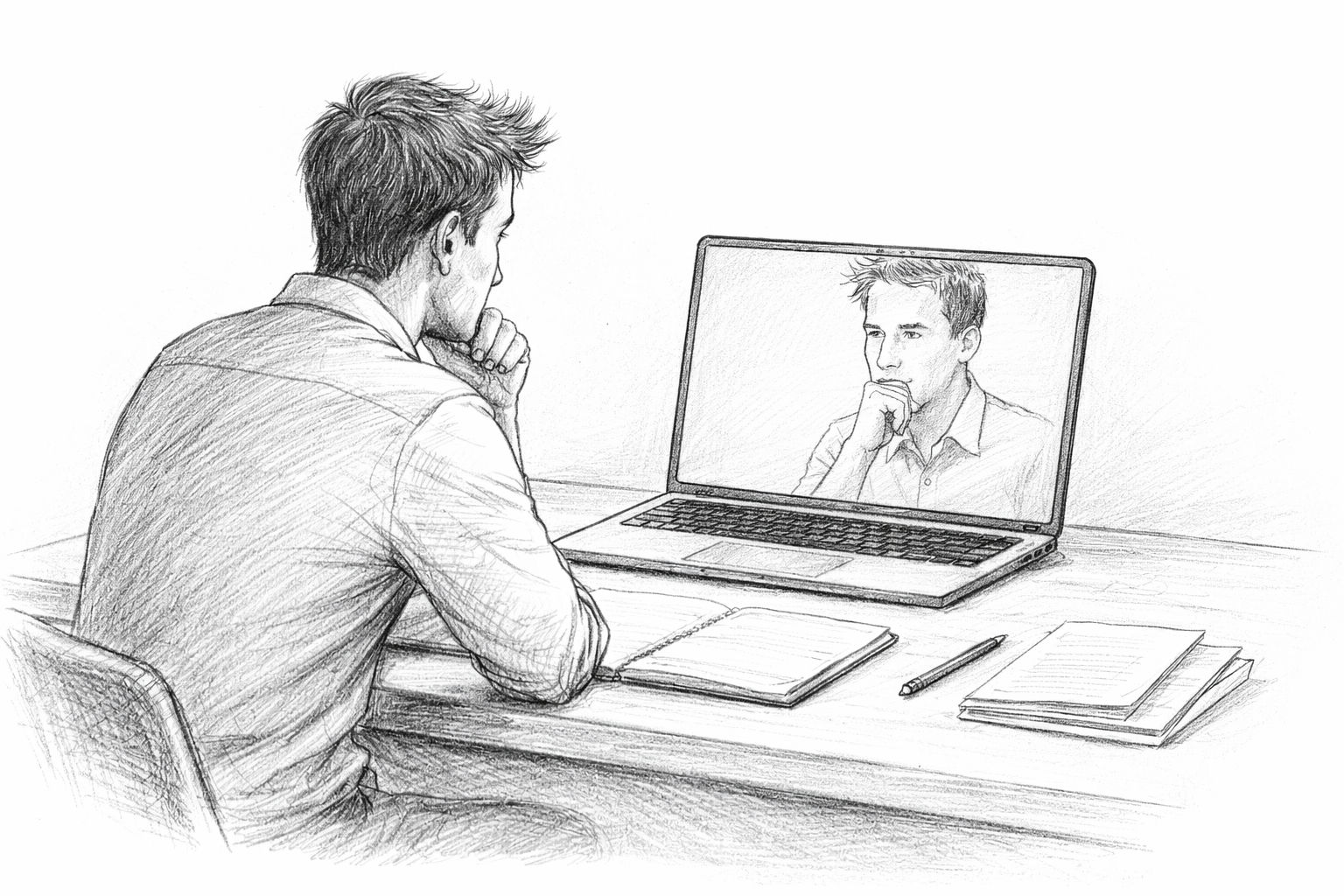
When you are in the middle of a crisis, everything seems urgent. You have the feeling that you have to act immediately, speak immediately, decide immediately. And there is often a second feeling on top of that: If you don't keep at it now, everything will slip away. That's understandable. It's also human. But this is exactly where the mistake often begins.

Because closeness is not automatically clarity. Proximity can also mean that you are too close to see what is really happening. Just like you can't recognize a painting if your nose is stuck to the canvas. You then only see individual brushstrokes - and think they are the whole painting.

A freeze-out, properly understood, is nothing more than a step back. Not to run away, but to be able to see again.

Read more

Why having your own magazine is more important for companies today than advertising

Magazine as property

When you talk to entrepreneurs about visibility these days, it's almost always about reach. People talk about findability on Google, social media, paid ads on Google or other platforms, click numbers, followers and interactions. Visibility is considered a prerequisite for commercial success, and in many industries this is true.

What is rarely discussed is a quiet but decisive shift: most companies are visible today - but on spaces that do not belong to them. This development has not been dramatic. It was convenient, gradual and seemingly logical. That is precisely why it is hardly questioned.

Read more

Understanding hernias: Why posture and statics are often more crucial than expected

Hernia, posture and tension

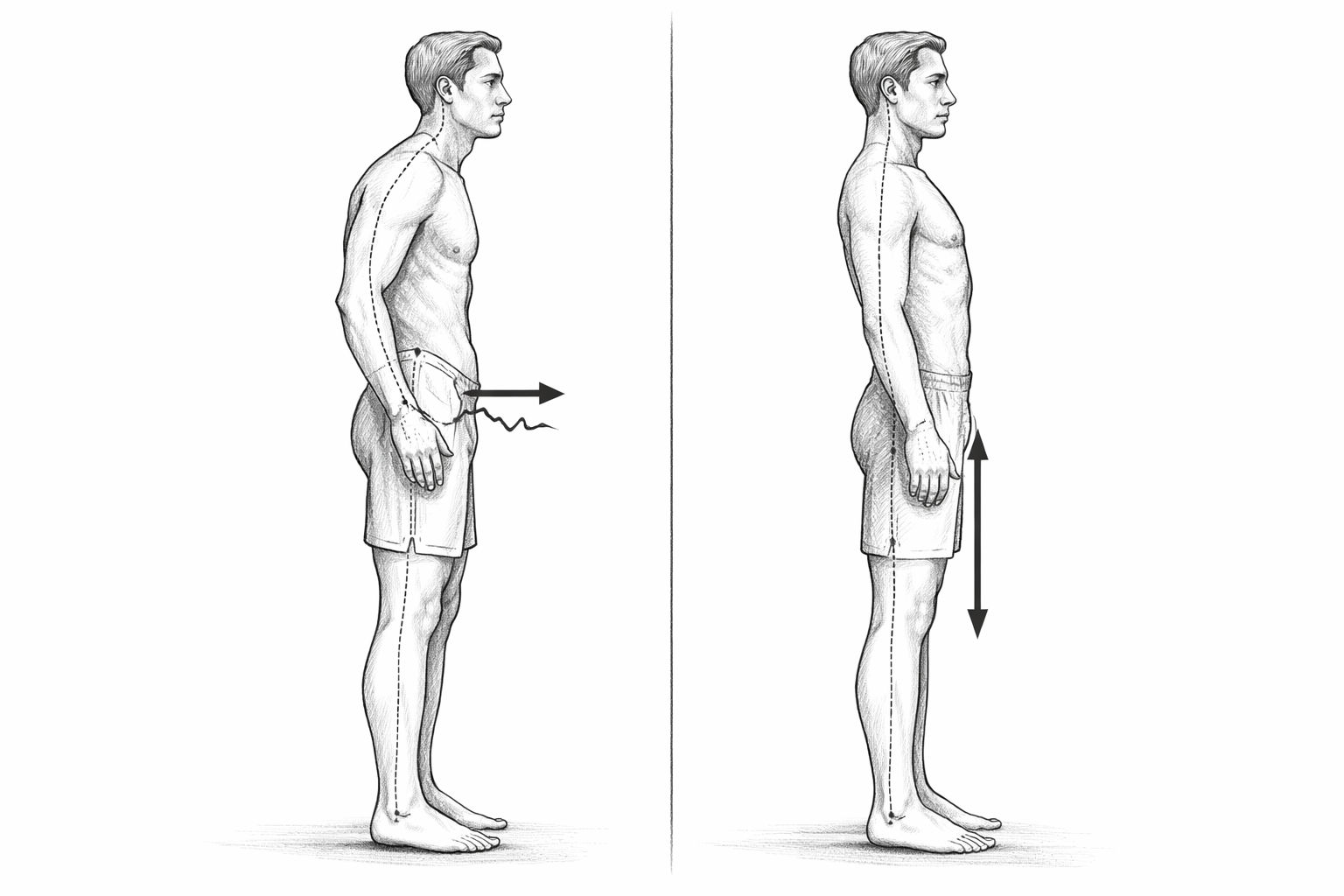
I've been dealing with hernias since 2020. Looking back, it didn't start with a dramatic accident, but rather with a moment when the body suddenly sent a clear signal: Something is different. A hernia can announce itself in a surprisingly unspectacular way - until you can no longer ignore it. For me, it came relatively suddenly.

The first operation followed a few months later, but the journey was not „finished“. This is precisely why it is worthwhile to first understand the topic properly - as it is medically intended, and at the same time with a keen eye on the things that often fall by the wayside.

Read more

Artificial intelligence without the hype: why fewer AI tools often mean better work

Artificial intelligence without the hype

Anyone who deals with the topic of artificial intelligence today almost inevitably encounters a strange feeling: constant restlessness. No sooner have you got used to one tool than the next ten appear. One video follows the next on YouTube: „This AI tool changes everything“, „You absolutely have to use this now“, „Those who miss out are left behind“. And every time, the same message resonates subliminally: You're too late. The others are further ahead. You have to catch up.

This doesn't just affect IT people. Self-employed people, creative professionals, entrepreneurs and ordinary employees are also feeling the pressure. Many don't even know exactly what these tools actually do - but they have the feeling that they could be missing out on something. And that's exactly what creates stress.

Read more

Electric car, hybrid and e-scooter: a realistic view beyond ideology

Electromobility - e-scooter/scooter, hybrid, electric car

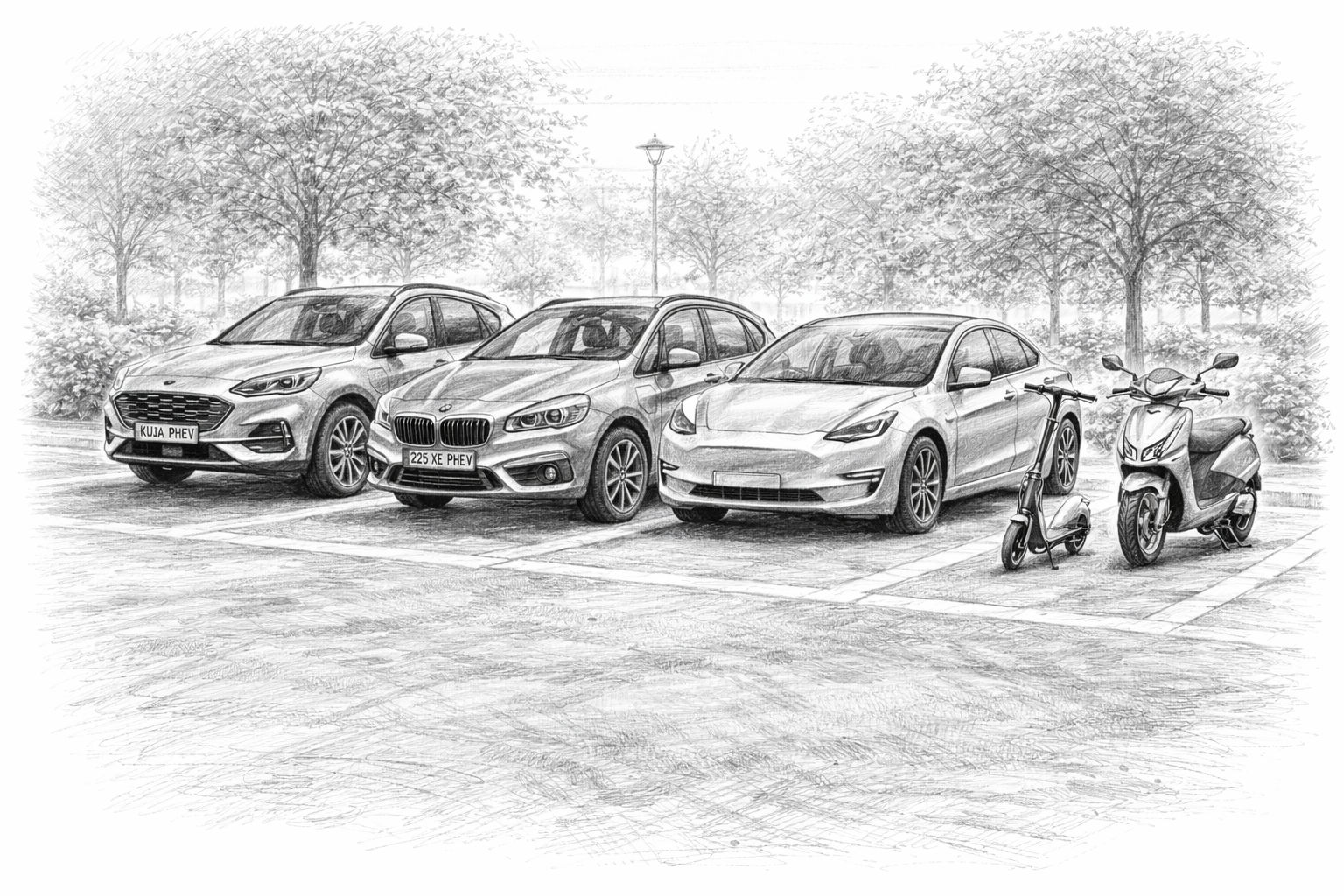
For many people, electromobility is an abstract topic, characterized by political debates, subsidy programs and marketing promises. In practice, however, a completely different picture emerges as soon as you drive an electric vehicle yourself. Today, personal experience often goes further than any theoretical discussion - from e-scooters and electric scooters to hybrid vehicles.

This perspective is important because electromobility rarely starts where it is publicly discussed. It doesn't start with the electric car, but much earlier - with small, lightweight vehicles, short distances and very pragmatic everyday issues.

Read more

AI for beginners: How to get started with artificial intelligence without prior knowledge

AI for beginners

Artificial intelligence seems like a sudden phenomenon to many people. Just a few years ago, it hardly played a role in everyday life, but today it is constantly present - in the news, in discussions, in conversations at work. However, this impression is deceptive. AI did not emerge overnight. It has been researched, developed and used in specialist areas for decades. What is new is not the idea, but the approach.

Artificial intelligence has been around as a research idea for decades. For a long time, it was a topic for universities, large corporations and special applications. The big difference today is that many AI systems have matured to the point where they can be used by normal people in everyday life - via a simple input window, on a computer or smartphone.

Read more

Understanding high energy prices in Germany: Gas, electricity and gasoline explained simply

Energy prices in Germany

I am comparatively unaffected by high energy prices in my everyday life. I mainly work with Apple computers that have been optimized for efficiency for years and move around the city almost exclusively electrically. Soberly speaking, that doesn't cost the earth. And yet I can't shake off one thought: all around us, companies are coming under pressure, production facilities are closing or relocating. The same phrase keeps cropping up in conversations, reports and side notes:

Energy prices are too high.

If you take a closer look, a strange contradiction emerges. For many private individuals, energy has become noticeably more expensive, but is still manageable. For companies, on the other hand, it seems to be increasingly threatening their existence. This inevitably raises the question: What is the actual reason for this? And why is it so difficult to get a clear, understandable answer?

Read more

Using AI as a sparring partner: How thinking in dialog becomes more productive

AI as a savings partner

I've been using artificial intelligence for almost exactly two years now. In the beginning, it was sober and technical: entering text, typing prompts, reading answers, correcting, retyping. The way many people did it - carefully, in a controlled manner, with a certain distance. It worked, no question. But there was still something mechanical about it. You asked questions, got answers, ticked them off.

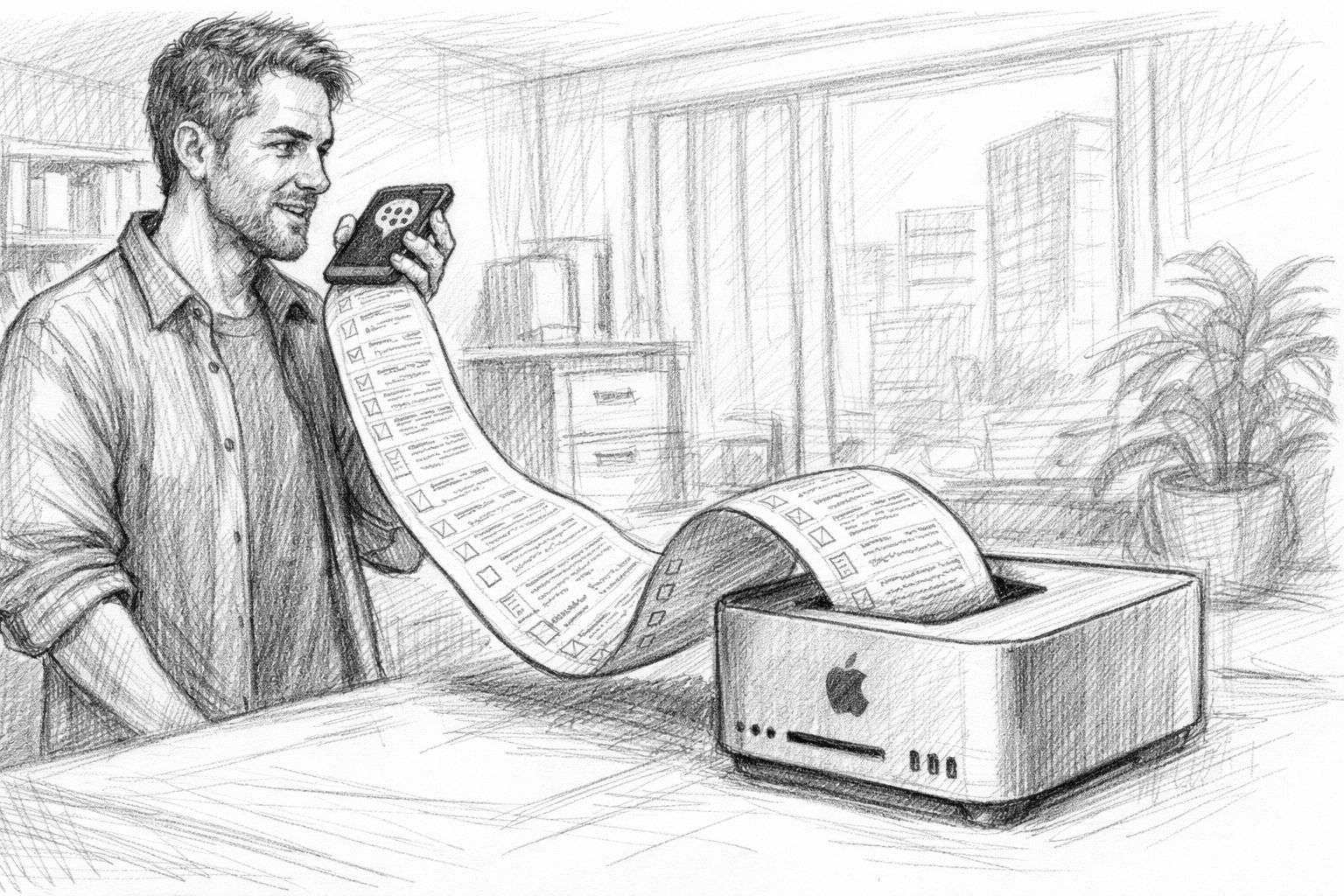
I realized relatively early on that I was missing something: flow. Thinking is not a form. Good thoughts don't come from a corset of neatly formulated input, but from talking, trying things out, thinking aloud. So I started to use the AI app on my cell phone more often - and at some point I simply started speaking instead of typing. That was the real turning point.

Read more