When the Mac listens: What Apple's integrated AI with Gemini and Siri will mean for users in the future

Apple, Siri and Gemini

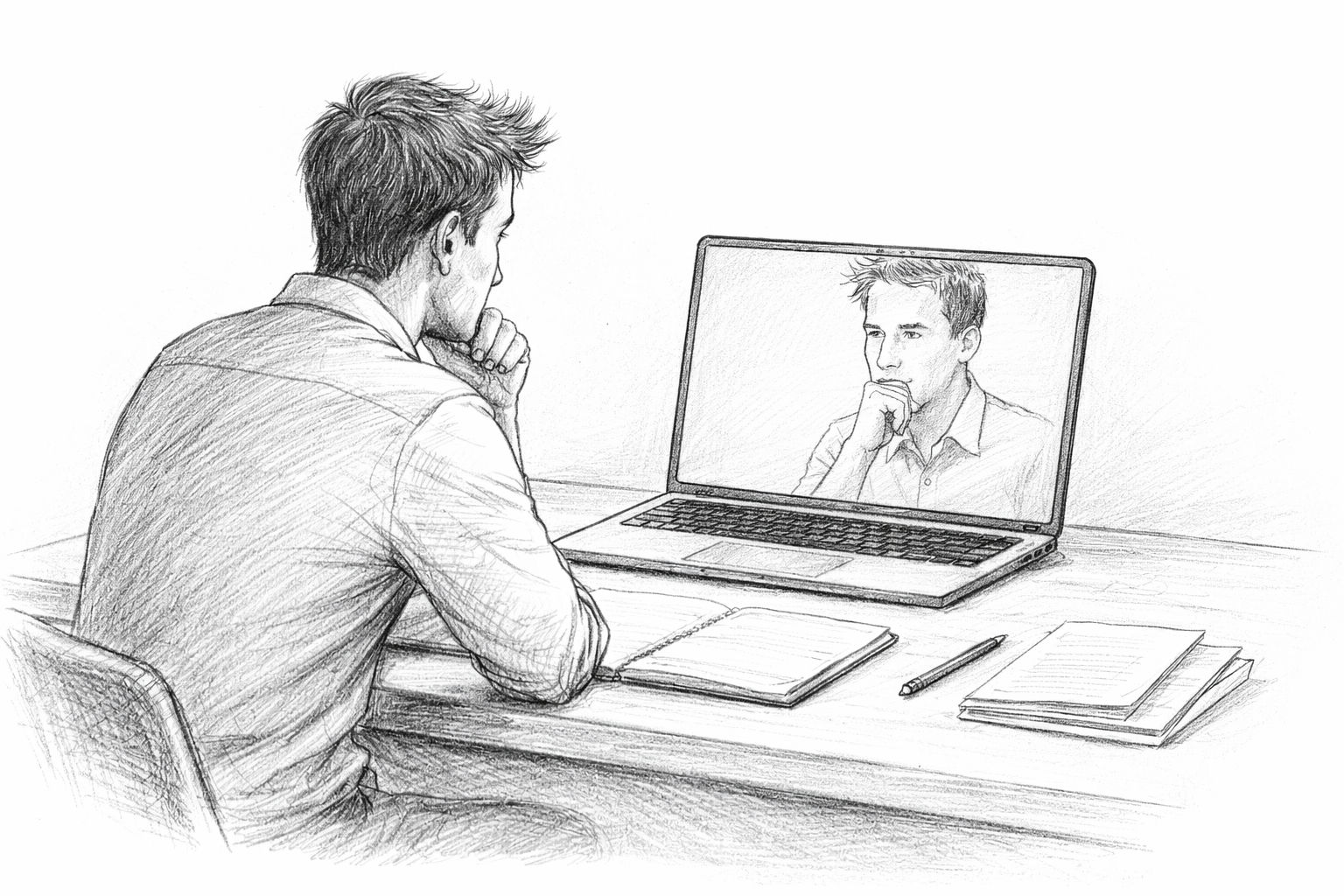
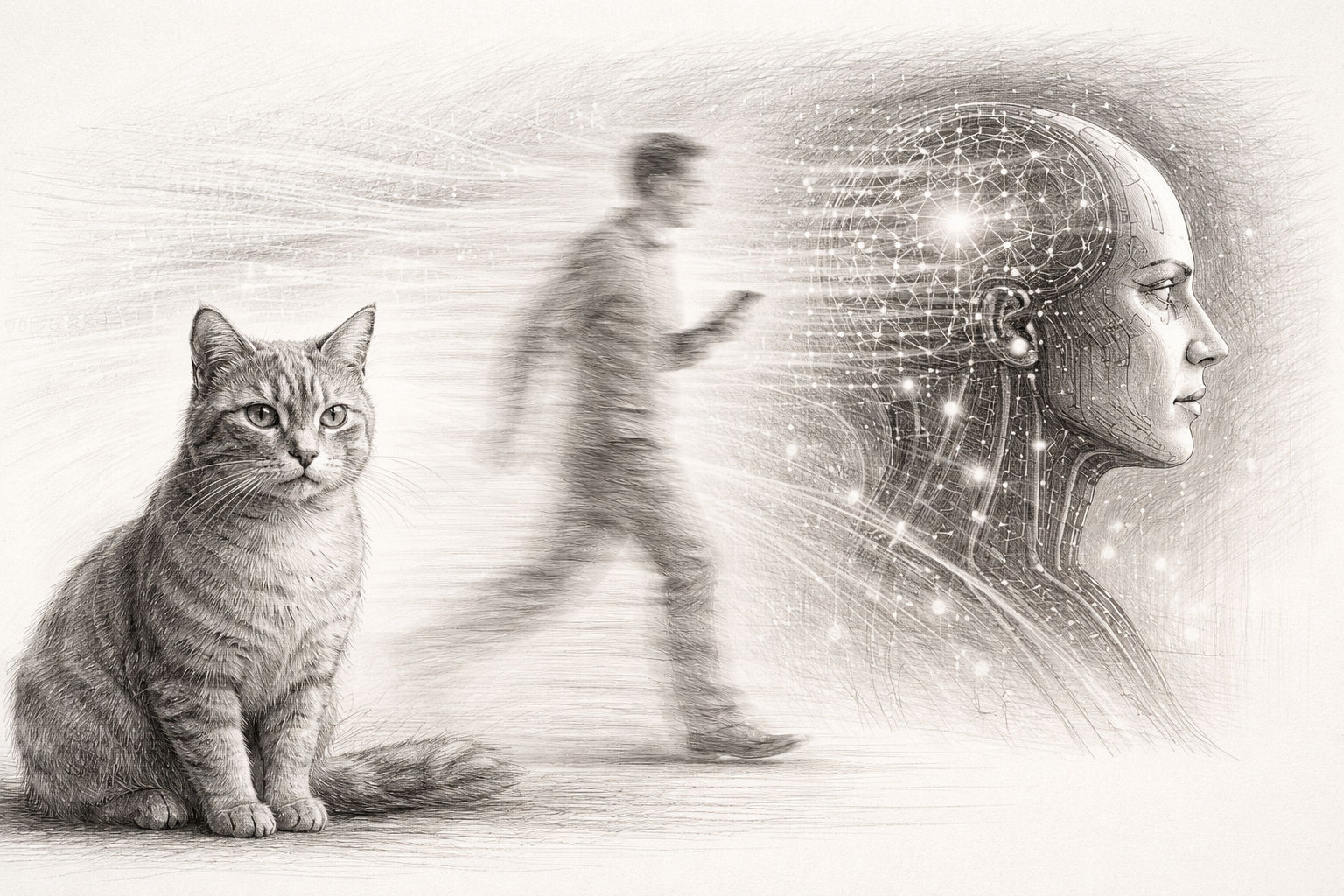
When you open a Mac today, you expect reliability. Programs start, files are in their place, processes are well practiced. Many have built up a way of working over years - some over decades - that works. You know where to click. You know your tools. And this is precisely where the quiet comfort lies. But for some time now, a change has been brewing in the background that is bigger than new colors, new icons or additional menu items. For the first time, a form of artificial intelligence is moving in not just as a single application, but closer to the heart of the operating system itself. Where daily routines are created.

That sounds abstract at first. Perhaps even a little futuristic. But basically it's about something very down-to-earth: the computer should better understand what is meant. Not just what is clicked on. Many people have so far experienced AI outside of their actual work. In chat windows, on websites, as an experiment or a gimmick. You try something out, perhaps be amazed, close the window again - and return to your normal everyday life.

Read more

Digital ownership explained - How sustainable online assets are created

What is digital property

For centuries, property was something very tangible. You could touch it, walk on it or hold it in your hand. A house, a piece of land, a workshop, books on a shelf or tools in a drawer - these were all things that could be clearly assigned. They belonged to someone, were visibly present and generally remained so even when political, economic or social circumstances changed.

This article explains what digital property is, what forms it takes and how digital property can be created, especially in today's AI age.

Read more

Artificial intelligence and energy: what the AI boom really costs

AI, energy and sustainability

At first glance, artificial intelligence seems almost weightless. You type in a question and an answer appears seconds later. No noise, no smoke, no visible movement. Everything seems to happen „in the cloud“. This is precisely the error in thinking. AI is not abstract magic, but the result of very concrete, physical processes. Behind every answer are data centers, power lines, cooling systems, chips and entire infrastructures. The more AI enters our everyday lives, the more visible this reality becomes. And this is where the question of sustainability begins.

Anyone who talks about AI without talking about energy, resources and infrastructure is only describing the surface. This article goes deeper. Not with alarmism, but with a sober look at what AI actually needs to function - today and in the future.

Read more

Artificial intelligence without the hype: why fewer AI tools often mean better work

Artificial intelligence without the hype

Anyone who deals with the topic of artificial intelligence today almost inevitably encounters a strange feeling: constant restlessness. No sooner have you got used to one tool than the next ten appear. One video follows the next on YouTube: „This AI tool changes everything“, „You absolutely have to use this now“, „Those who miss out are left behind“. And every time, the same message resonates subliminally: You're too late. The others are further ahead. You have to catch up.

This doesn't just affect IT people. Self-employed people, creative professionals, entrepreneurs and ordinary employees are also feeling the pressure. Many don't even know exactly what these tools actually do - but they have the feeling that they could be missing out on something. And that's exactly what creates stress.

Read more

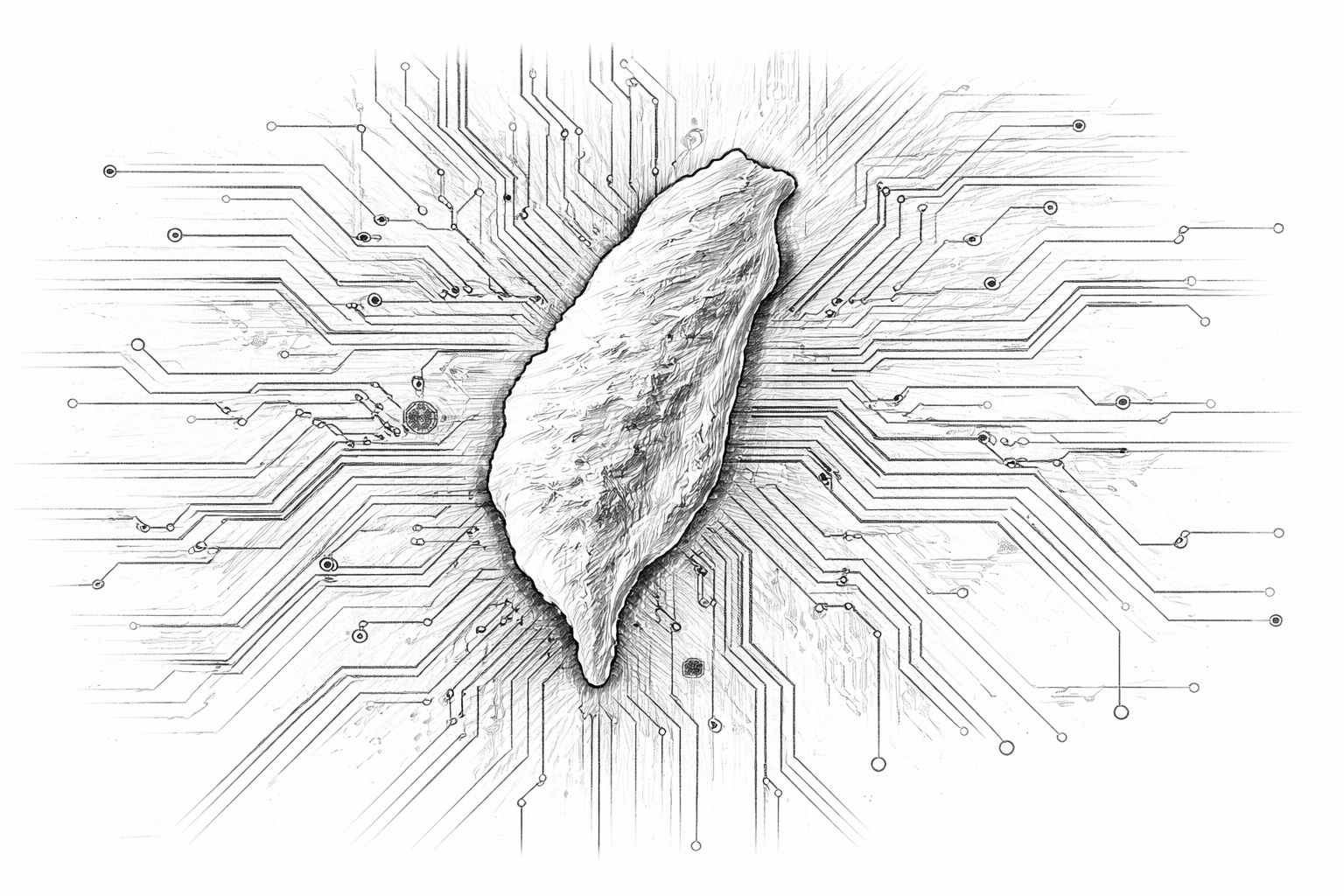
Understanding Taiwan: History, status issues and the risks of an interconnected world

Taiwan as a tipping point

Taiwan has been in the headlines for years - sometimes because of military maneuvers in the Taiwan Strait, sometimes because of diplomatic tensions, sometimes because of the question of how reliable international rules are in an emergency. In recent days, this impression has become even more acute for many observers: the US operation in Venezuela, in which Venezuela's President Nicolás Maduro was detained, is the subject of controversial international debate, not only politically but also in terms of international law.

Why this could be relevant for Taiwan is less a question of “Who's right?”, When major players interpret rules selectively or enforce them harshly, other powers ask themselves - soberly and guided by their own interests - where their own leeway begins and ends. And it is precisely at this point that Taiwan becomes more than a distant island issue.

Read more

Electric car, hybrid and e-scooter: a realistic view beyond ideology

Electromobility - e-scooter/scooter, hybrid, electric car

For many people, electromobility is an abstract topic, characterized by political debates, subsidy programs and marketing promises. In practice, however, a completely different picture emerges as soon as you drive an electric vehicle yourself. Today, personal experience often goes further than any theoretical discussion - from e-scooters and electric scooters to hybrid vehicles.

This perspective is important because electromobility rarely starts where it is publicly discussed. It doesn't start with the electric car, but much earlier - with small, lightweight vehicles, short distances and very pragmatic everyday issues.

Read more

AI for beginners: How to get started with artificial intelligence without prior knowledge

AI for beginners

Artificial intelligence seems like a sudden phenomenon to many people. Just a few years ago, it hardly played a role in everyday life, but today it is constantly present - in the news, in discussions, in conversations at work. However, this impression is deceptive. AI did not emerge overnight. It has been researched, developed and used in specialist areas for decades. What is new is not the idea, but the approach.

Artificial intelligence has been around as a research idea for decades. For a long time, it was a topic for universities, large corporations and special applications. The big difference today is that many AI systems have matured to the point where they can be used by normal people in everyday life - via a simple input window, on a computer or smartphone.

Read more

The Affinity graphics suite becomes free: What professional users need to know now

Affinity graphics suite free of charge

If, like me, you have been working with layout and typesetting programs for decades, you usually notice such changes more clearly than those who have only recently entered this world. I have seen many things come and go over the years: In the early nineties, I worked on the Atari ST with Calamus SL and later, under Windows, with CorelDraw! Later came QuarkXPress, then iCalamus, Adobe InDesign - and finally, a few years ago, Affinity Publisher. Since then, the Affinity suite has accompanied me through almost all my book projects. Over the years, it has been a reliable tool, pleasantly straightforward, clearly structured and free of the ballast that many large software houses have added to themselves over the years.

Read more