Current contributions

How animals perceive time - and what this means for the future of AI

Animals, AI and time perception

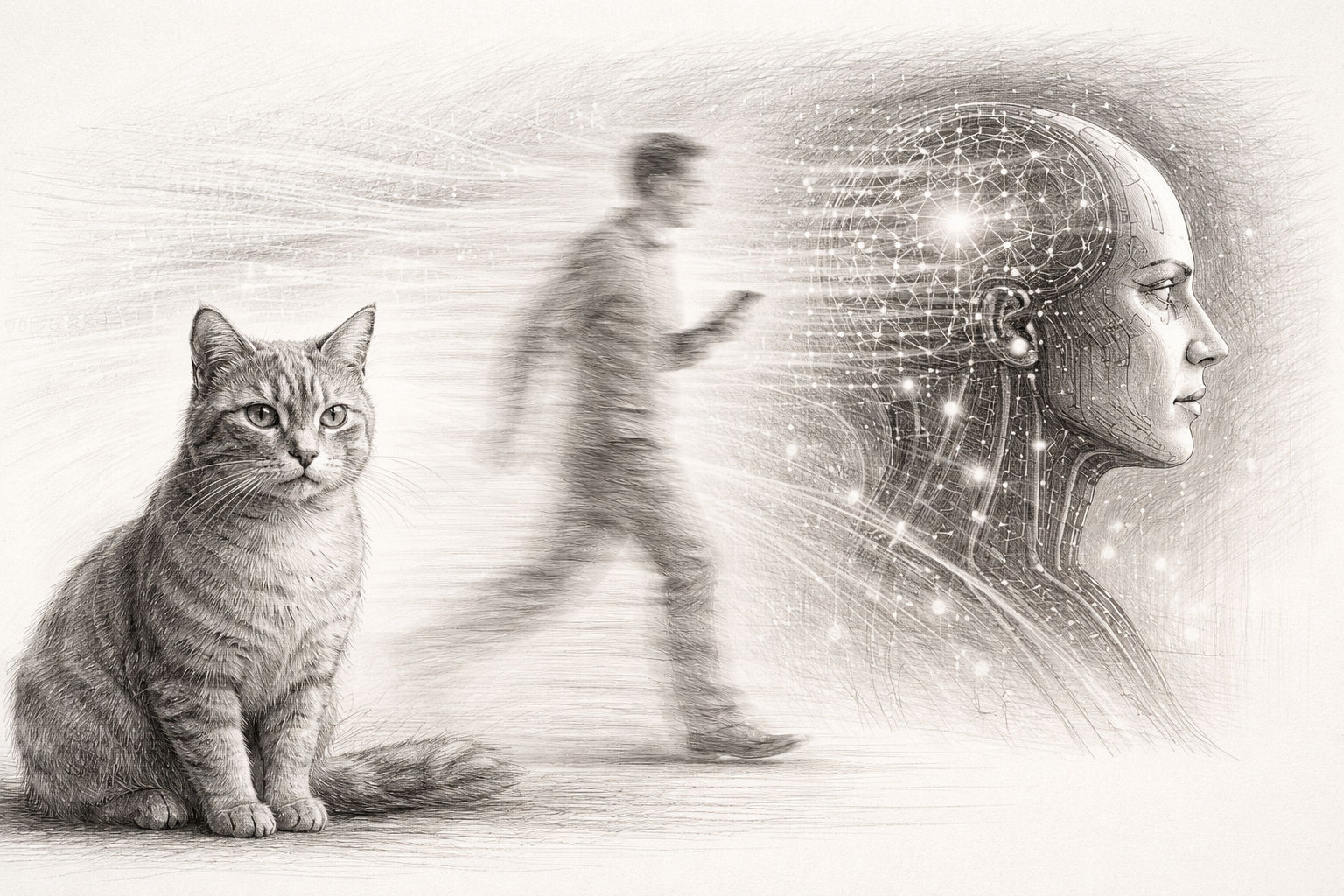
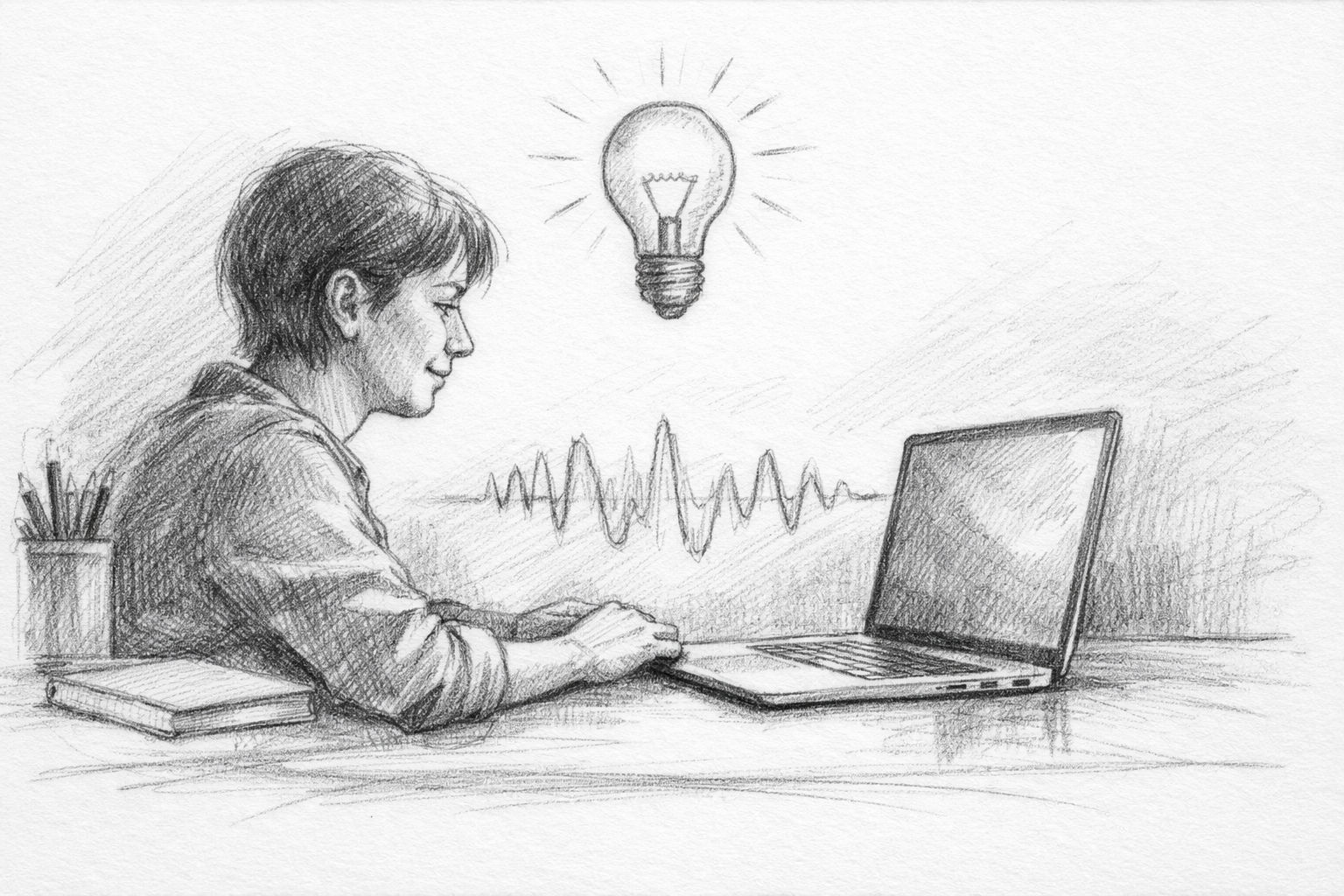
A cat is lying on the carpet. It does not move. It may blink briefly, turn an ear, sigh inwardly at the impositions of existence - and nothing else happens. The human looks at it and thinks: „Typical. Lazy cattle“. But what if the exact opposite is true? What if the cat is not too slow - but we are? This article was written after I watched a video by Gerd Ganteför on this topic and found it so interesting that I would like to present it here.

Humans have been observing animals for centuries and always come to the same wrong conclusions. We interpret their behavior with our speed, our perception, our inner clock. And this clock is, soberly considered, more of a cozy wall calendar than a high-speed processor. Perhaps the cat only seems so disinterested because its environment feels about as dynamic to it as a queue of officials on a Friday afternoon.

Read more

Russia, NATO and the fear of war: what can be proven - and what can't

NATO, Russia and the fear of war

This article is not the result of a current impulse, indignation or partisanship. Rather, it is the result of a long period of observation - and a growing sense of unease. I have been studying Russia not just since the war in Ukraine. My interest goes back further. I had already studied Russian as a foreign language at school, and at that time I studied the language, history and mentality in a very relaxed way. This early interest led me to follow developments there over the years without constantly changing my perspective.

This is precisely why I am shocked today by how crude, how simplistic and how self-assured many images of Russia and its alleged goals are placed in the public sphere - often without sources, without context, sometimes even without any internal logic. It becomes particularly irritating when such narratives not only appear on talk shows or in commentary columns, but are also adopted almost without reflection by journalists, politicians or other official voices. At some point, the question inevitably arises:

Is that actually true?

Read more

When the Mac listens: What Apple's integrated AI with Gemini and Siri will mean for users in the future

Apple, Siri and Gemini

When you open a Mac today, you expect reliability. Programs start, files are in their place, processes are well practiced. Many have built up a way of working over years - some over decades - that works. You know where to click. You know your tools. And this is precisely where the quiet comfort lies. But for some time now, a change has been brewing in the background that is bigger than new colors, new icons or additional menu items. For the first time, a form of artificial intelligence is moving in not just as a single application, but closer to the heart of the operating system itself. Where daily routines are created.

That sounds abstract at first. Perhaps even a little futuristic. But basically it's about something very down-to-earth: the computer should better understand what is meant. Not just what is clicked on. Many people have so far experienced AI outside of their actual work. In chat windows, on websites, as an experiment or a gimmick. You try something out, perhaps be amazed, close the window again - and return to your normal everyday life.

Read more

Helge Schneider: Attitude, humor and the freedom of not having to explain yourself

Helge Schneider Portrait

I noticed Helge Schneider very early on. Not because he was particularly loud or pushed himself to the fore - on the contrary. It was this peculiar mixture of intelligent absurdity, linguistic sideways thinking and musical matter-of-factness that stuck with me. Something about it seemed different right from the start. Unexcited. Unimpressed. And above all: not in need of explanation.

This portrait is therefore not a fan text. Nor is it an ironic wink or an attempt to pigeonhole Helge Schneider into a cultural category. Rather, it is an attempt to look at a personality who has consistently resisted any form of appropriation for decades - and who shows attitude precisely because of this.

Read more

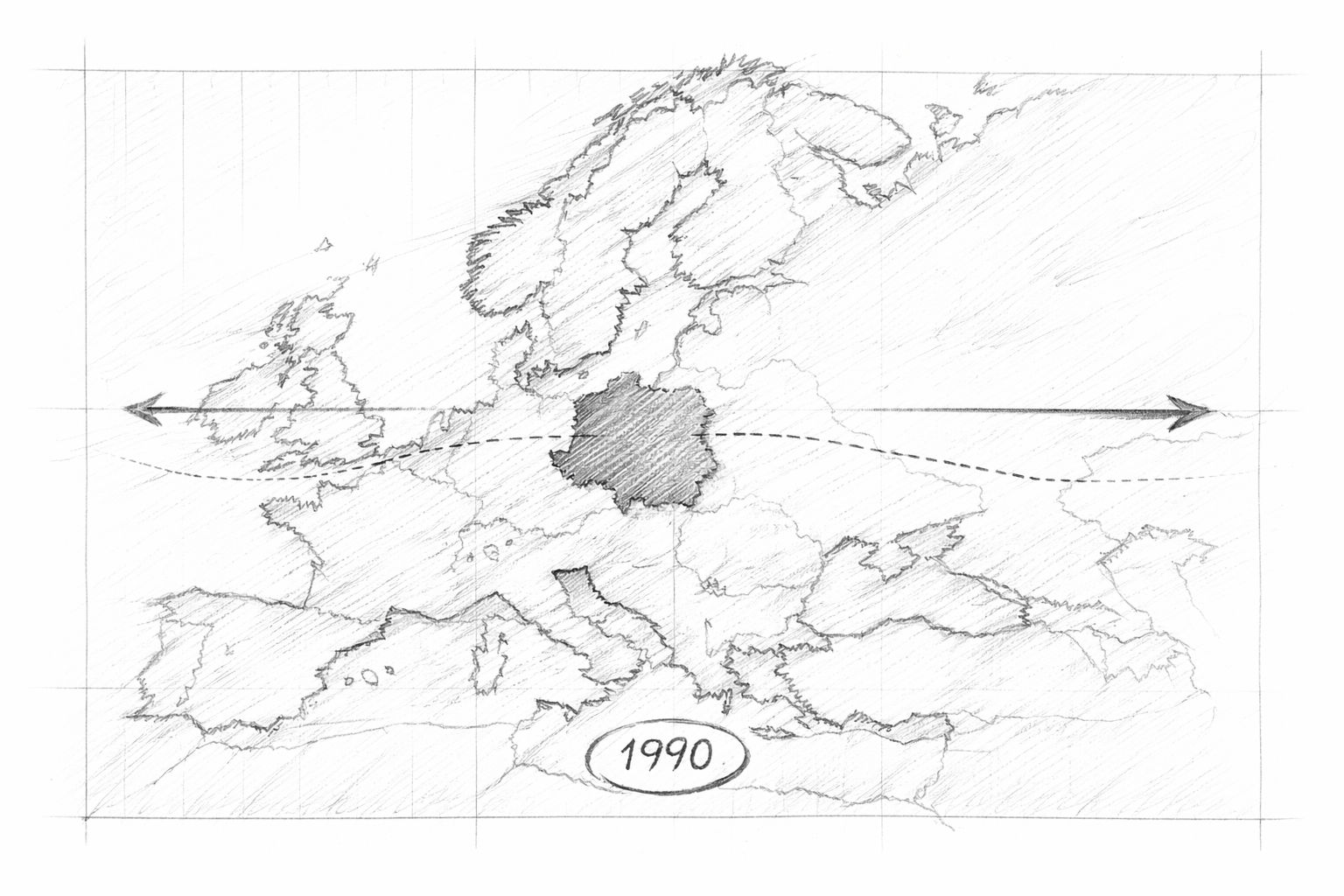
The Two Plus Four Treaty, NATO and the Bundeswehr: What still applies today?

When security policy, the Bundeswehr and international obligations are discussed today, it is usually in the mode of the present: numbers, threat situations, alliance capabilities. Rarely, however, is it asked on what legal foundation all this actually stands. Yet there is a treaty that forms precisely this foundation - and yet is barely anchored in the public consciousness: the Two Plus Four Treaty.

Many people know it by name. Few know what exactly was regulated in it. Even fewer are concerned with the question of what significance these agreements still have today - more than three decades after German reunification, in a world that has changed fundamentally in political, military and social terms.

Read more

Digital ownership explained - How sustainable online assets are created

What is digital property

For centuries, property was something very tangible. You could touch it, walk on it or hold it in your hand. A house, a piece of land, a workshop, books on a shelf or tools in a drawer - these were all things that could be clearly assigned. They belonged to someone, were visibly present and generally remained so even when political, economic or social circumstances changed.

This article explains what digital property is, what forms it takes and how digital property can be created, especially in today's AI age.

Read more

Climate protection with tunnel vision - electromobility, lobbying and the suppressed costs

Electromobility without ideology

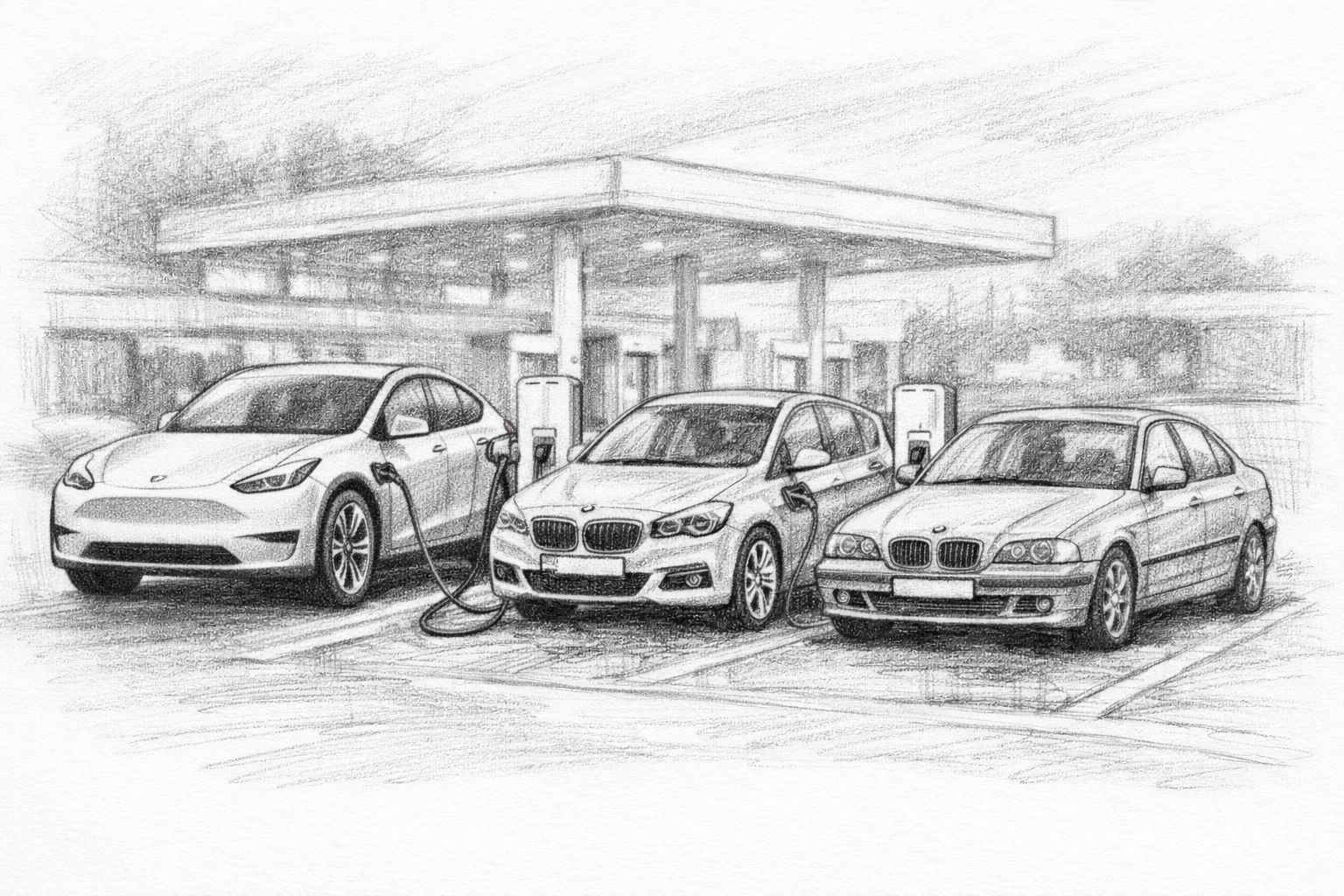
This article is not an indictment of electromobility. Nor is it an attempt to denigrate a technological development that works perfectly well for many people in their everyday lives. I am writing this text because it has become increasingly clear to me in recent years that there is a gap between the political narrative, public perception and physical reality that is hardly ever talked about. And I'm not writing it from the perspective of an outsider. I have been driving a plug-in hybrid myself for years. I know electric driving from my own experience, not from brochures or talk shows. I know how pleasant it is to glide silently through the city, how direct the power delivery is and how relaxed it feels. Anyone who has ever driven an electric car regularly quickly understands why this type of drive is emotionally compelling. There's nothing to belittle about it.

This is precisely why I believe it is necessary to take a step back and ask soberly: What do these vehicles actually achieve - and at what cost, systemically speaking?

Read more

What is BRICS - and what is not: history, economy and geopolitical classification

BRICS countries

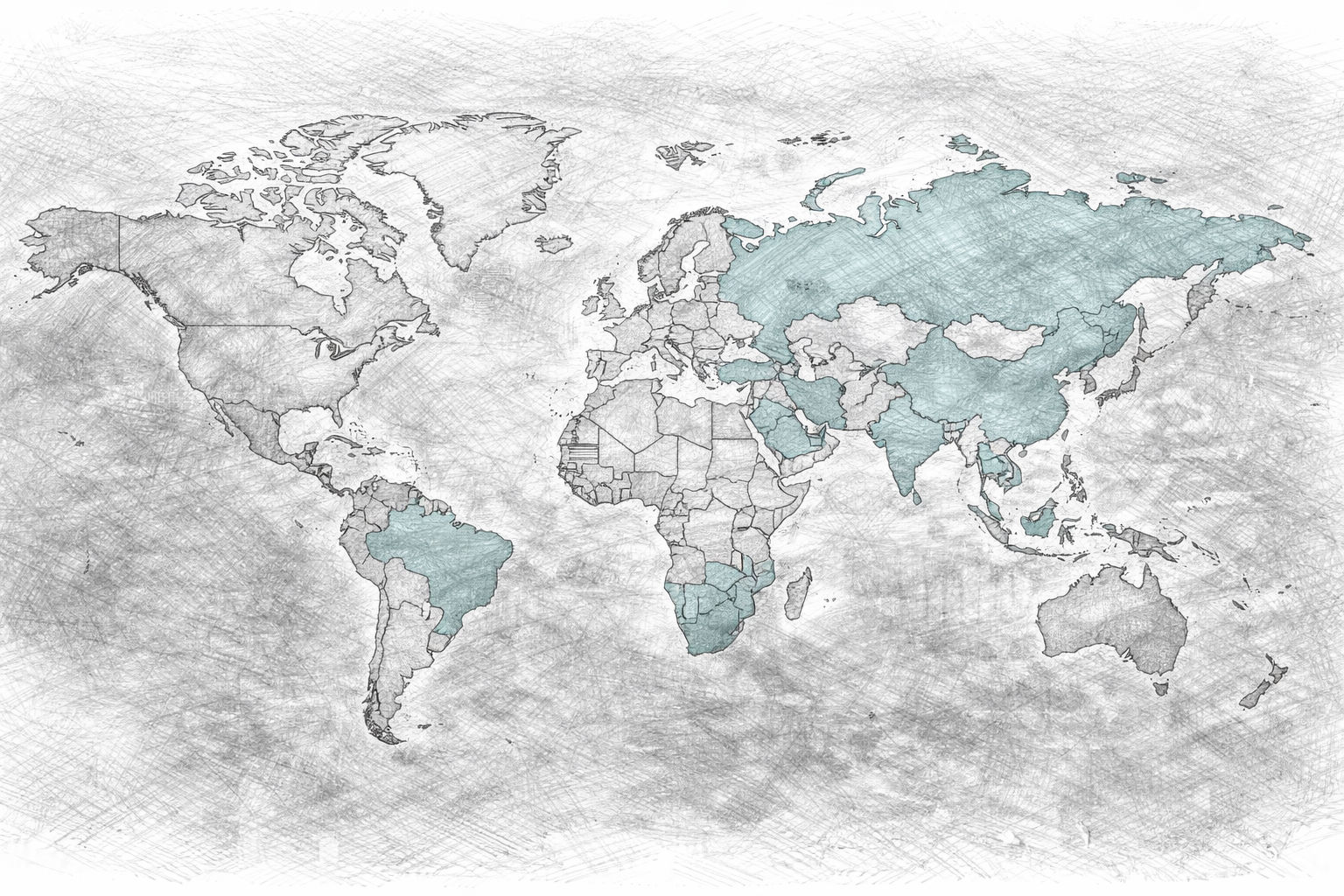
If you take a sober look at the figures, you will rub your eyes: today's BRICS countries account for almost half of the world's population. Billions of people live in these countries, work there, produce, consume, build infrastructure and shape their future. In terms of population, economic output (especially in terms of purchasing power) and raw materials, they are by no means a marginal phenomenon in global politics. And yet the BRICS countries usually only play a minor role in the daily reporting of Western media - often reduced to individual events, conflicts or buzzwords.

This is precisely where this article comes in. Not to celebrate or defend BRICS, but to understand what is behind this acronym, how it came about and why it plays a role today that cannot simply be ignored.

Read more