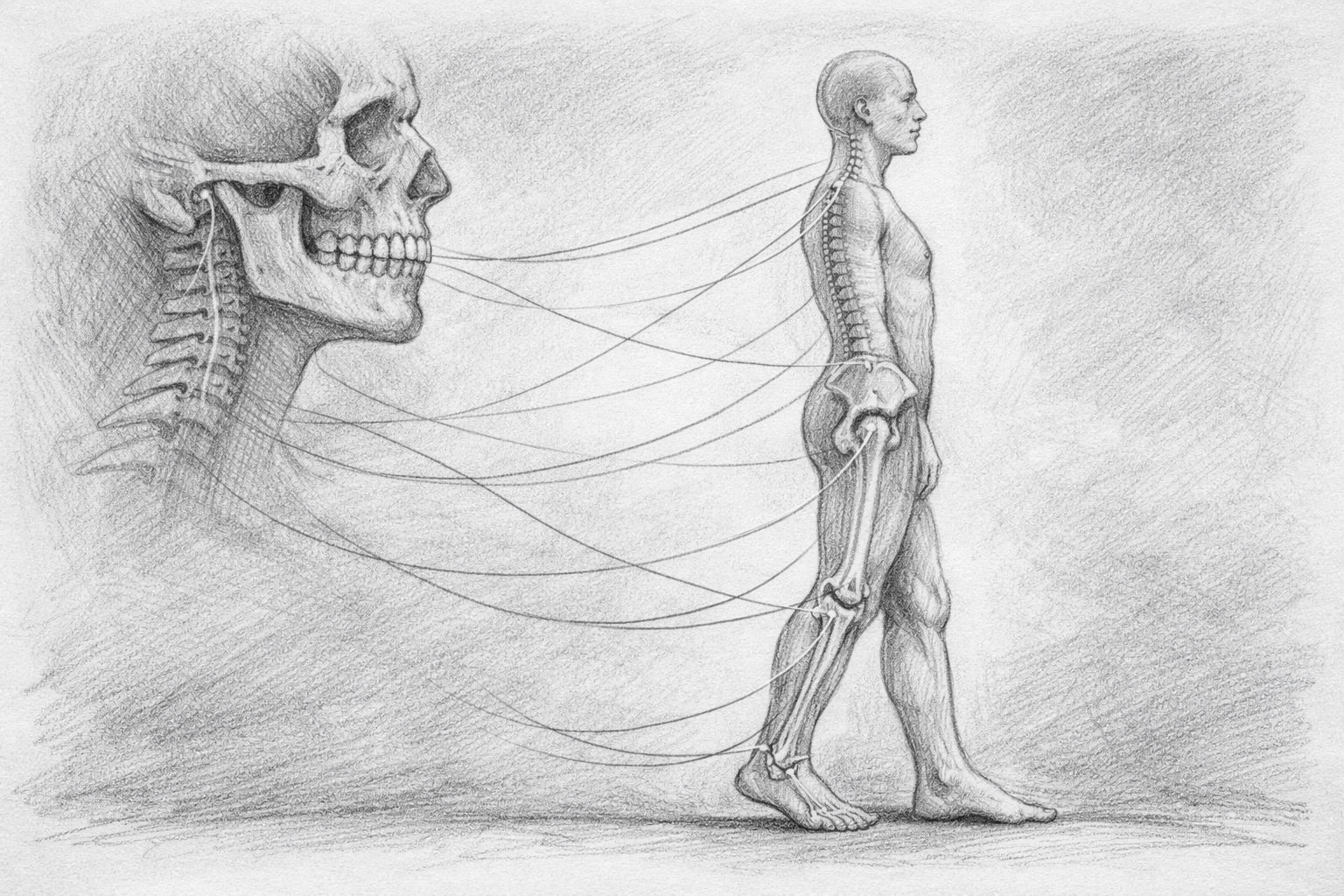
TMD and new dental crowns: How a minimal misalignment affects the body

CMD and new dental crown

It started unspectacularly. No accident, no loud bang, no dramatic moment. An old crown on a lower molar simply crumbled. These things happen at some point. Materials age, stresses add up over the years. I didn't give it much thought at first. It wasn't an emergency, more of a technical problem - something you repair and then tick off.

The appointment with the dentist was appropriately routine. Examination, quick look, factual explanation. The old crown had to come off, underneath it was cleaned, prepared and built up. Nothing out of the ordinary. No long discussions, no complicated decisions. Unfortunately, it soon became apparent that the problem would become bigger and last longer than initially expected.

Read more

Is killing undignified? A sober question about murder, terror and war

Is killing undignified?

We live in troubled times. War, terror, violence - all of this is very present again. In the news, in political debates, in conversations on the sidelines. Decisions about war and peace are being made, often quickly, often with great determination. Arguments are being put forward, weighed up, justified. And yet I am left with a feeling of unease.

Not because I believe that everything is easy or because I dream of a conflict-free world. But because I notice how rarely a very specific question is asked. A question that is neither legal nor military. A question that doesn't ask about guilt or justice, but about something more fundamental. This question is: What does it do to a person when they kill another person?

This article is an attempt to pose this question calmly and soberly - without accusation, without moral pathos and without instrumentalizing current events.

Read more

Why distance is not a retreat - and how a freeze-out creates orientation

Freezeout - distance in crises

When you are in the middle of a crisis, everything seems urgent. You have the feeling that you have to act immediately, speak immediately, decide immediately. And there is often a second feeling on top of that: If you don't keep at it now, everything will slip away. That's understandable. It's also human. But this is exactly where the mistake often begins.

Because closeness is not automatically clarity. Proximity can also mean that you are too close to see what is really happening. Just like you can't recognize a painting if your nose is stuck to the canvas. You then only see individual brushstrokes - and think they are the whole painting.

A freeze-out, properly understood, is nothing more than a step back. Not to run away, but to be able to see again.

Read more

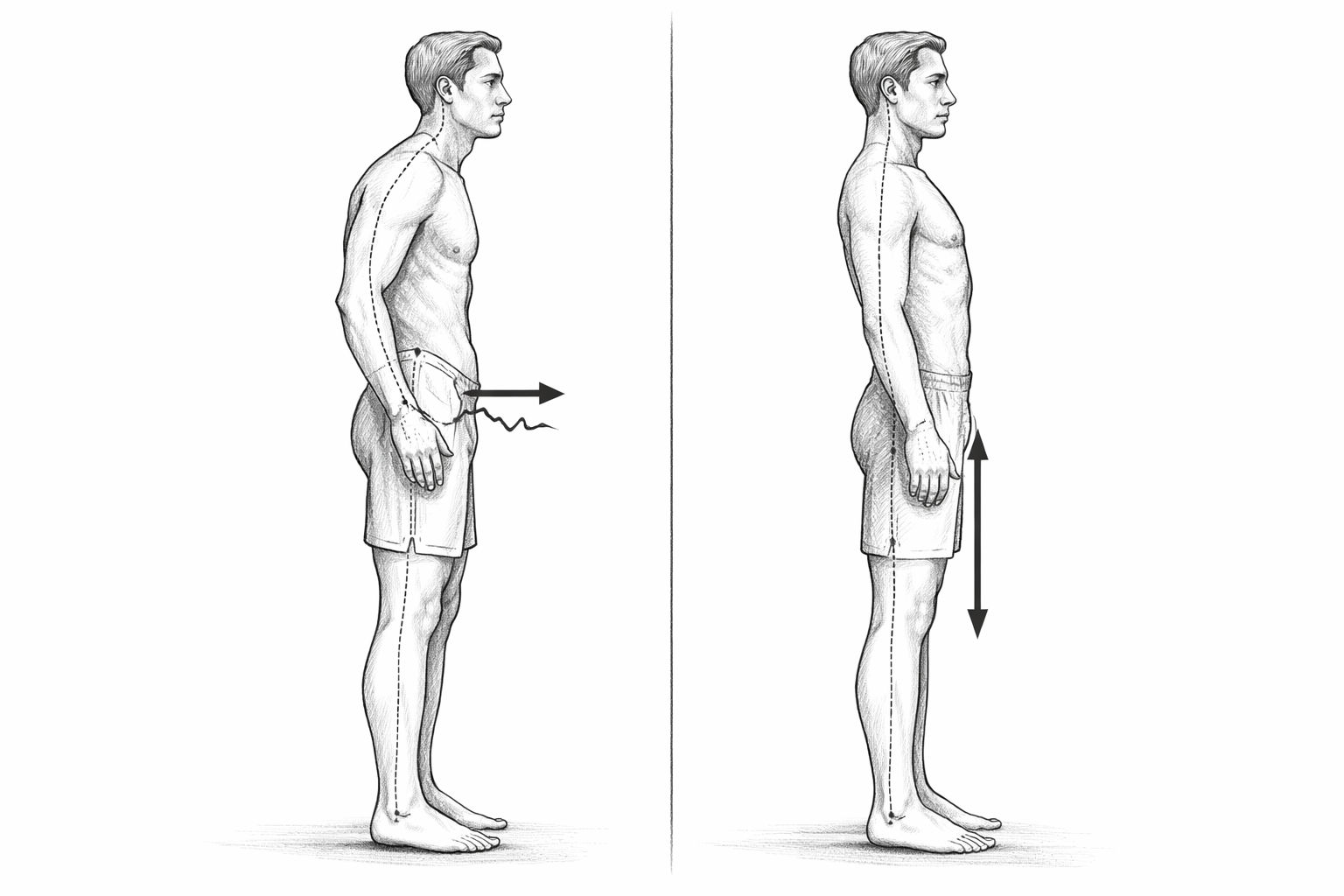
Understanding hernias: Why posture and statics are often more crucial than expected

Hernia, posture and tension

I've been dealing with hernias since 2020. Looking back, it didn't start with a dramatic accident, but rather with a moment when the body suddenly sent a clear signal: Something is different. A hernia can announce itself in a surprisingly unspectacular way - until you can no longer ignore it. For me, it came relatively suddenly.

The first operation followed a few months later, but the journey was not „finished“. This is precisely why it is worthwhile to first understand the topic properly - as it is medically intended, and at the same time with a keen eye on the things that often fall by the wayside.

Read more

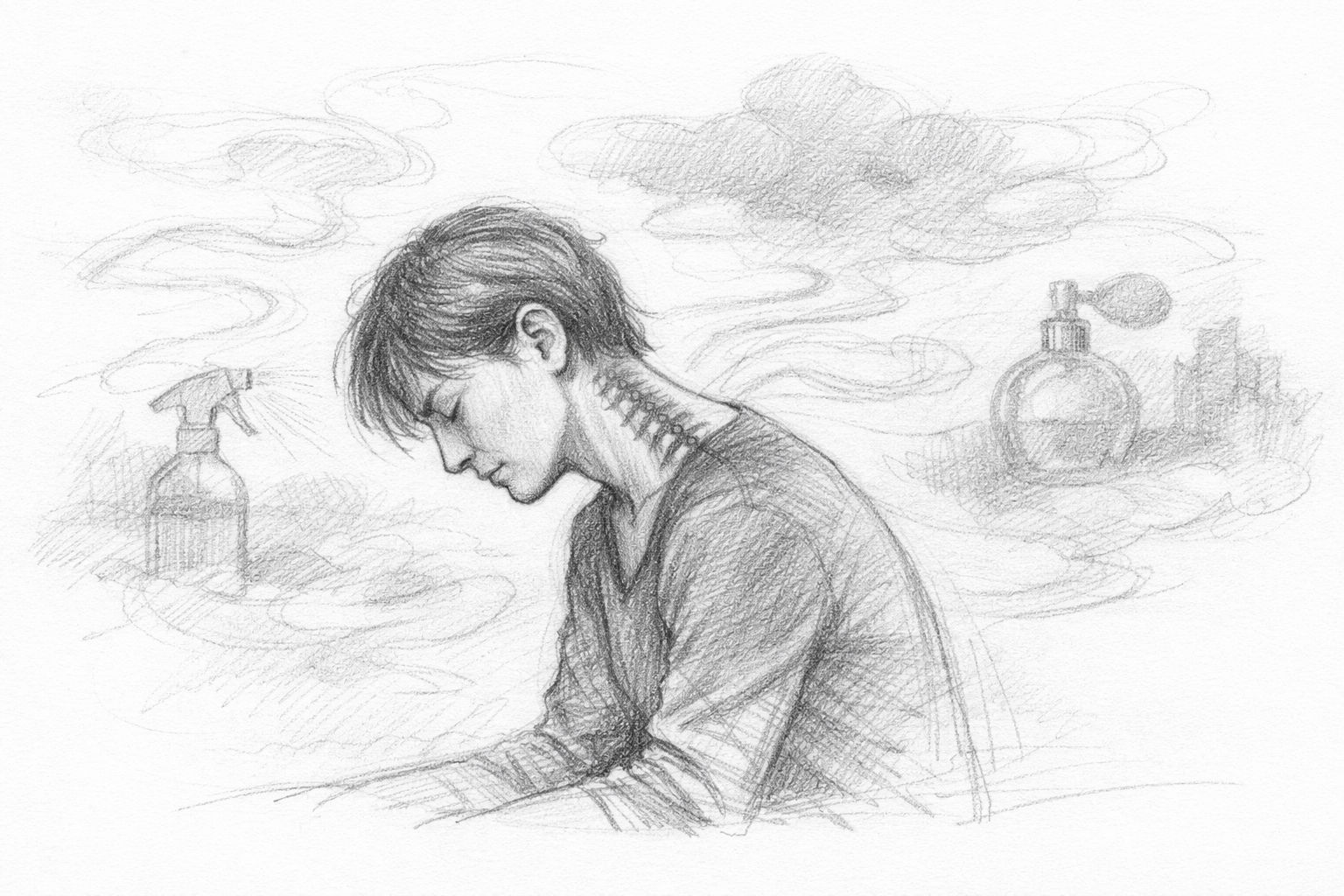
Multiple chemical sensitivity rethought - nervous system, TMD and functional causes

MCS rethought: connection with CMD and poor posture

I am writing this article not as a doctor, not as an environmental health professional and not as an „expert“ in the traditional sense, but from direct experience. I have been dealing with chemical sensitivities myself for about five to six years - sometimes stronger, sometimes weaker, but clearly noticeable over longer periods of time.

Looking back, the whole thing started for me at a time that coincided with a dental procedure: after I had a tooth extracted, I gradually experienced reactions that I had never experienced before. Even then, I suspected that this was possibly not „just“ an environmental problem, but could also be related to the body itself, to stress regulation, perhaps even to the teeth, jaw or the entire system behind it.

Read more

TMD and occlusal splints: A personal experience report with a clear overview

CMD occlusal splints

I have been wearing a Schöttl splint myself for three and a half years - a fixed bite splint in the lower jaw that is regularly reground and is deliberately designed to not only relieve the jaw, but also influence the spine. And that's exactly what it does for me. This splint has helped me to calm my static, relieve tension and develop a completely new body awareness.

During this time, I've realized how little clarity there is out there about the different types of splints. Especially in the online groups, I keep seeing how confusingly this term is used - as if every splint does the same thing. That's why I'd like to bring some order here and explain to you in an understandable way what types of splints there are and why the difference is so important.

Read more

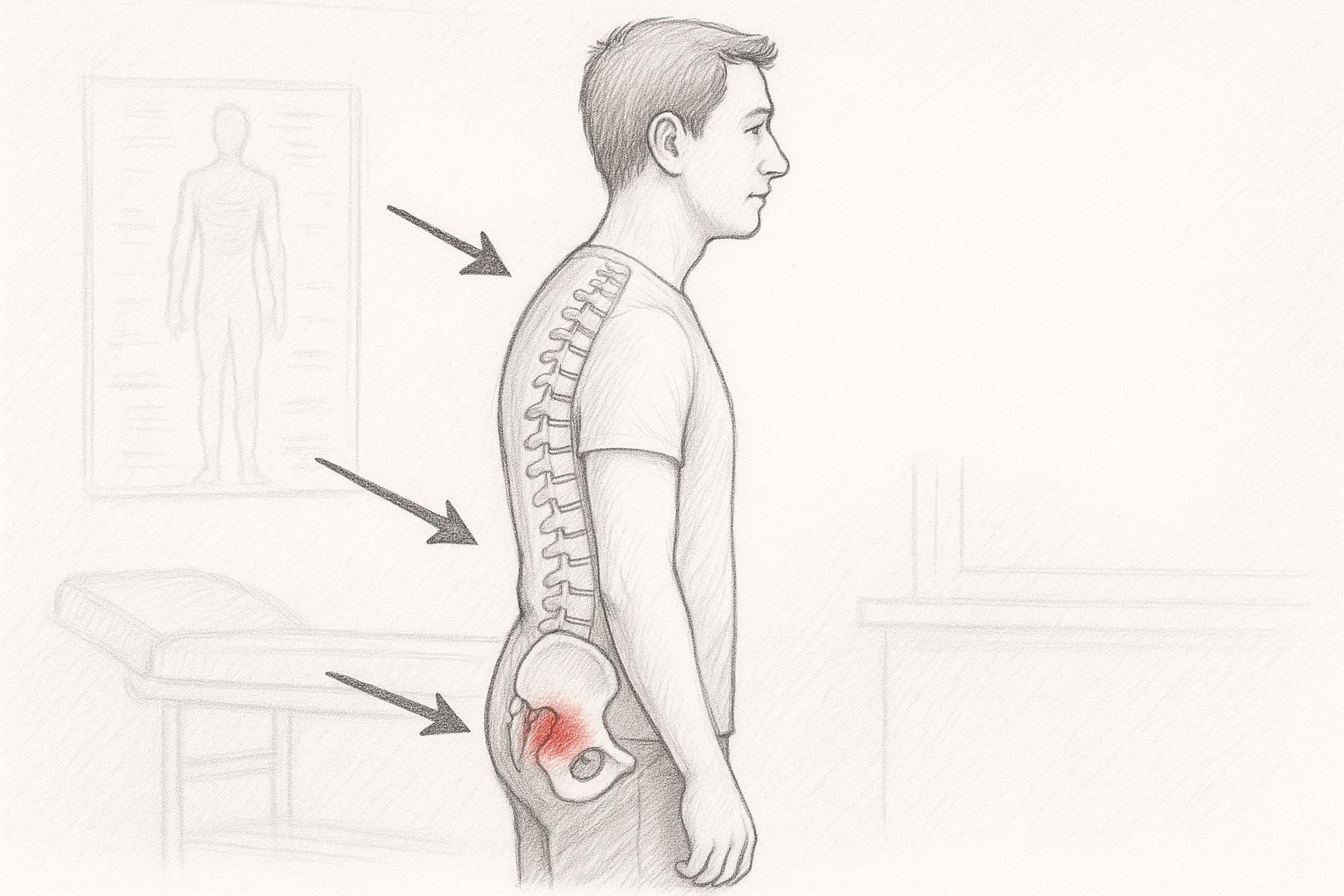
Understanding hemorrhoids: Why posture and statics are often the real causes

Hemorrhoids and poor posture

Haemorrhoids are one of the most common physical complaints of all - and yet you almost always get the same explanations for them in doctors' surgeries. Fiber, more exercise, drink enough: the standard tips seem like a firmly programmed pattern that has been passed on unchanged for decades. And sure, these tips are not wrong. But they fall short because they only scratch the surface.

This article shows why it is worth looking at hemorrhoids from a different perspective - beyond the usual advice. It aims to make people aware that the real causes are often not located where the symptoms occur, but in the interaction of the entire body statics. Anyone who understands how posture, breathing and muscular tension interact quickly realizes that the solution sometimes lies not in the next ointment prescription, but in the foundation of the body itself.

Read more

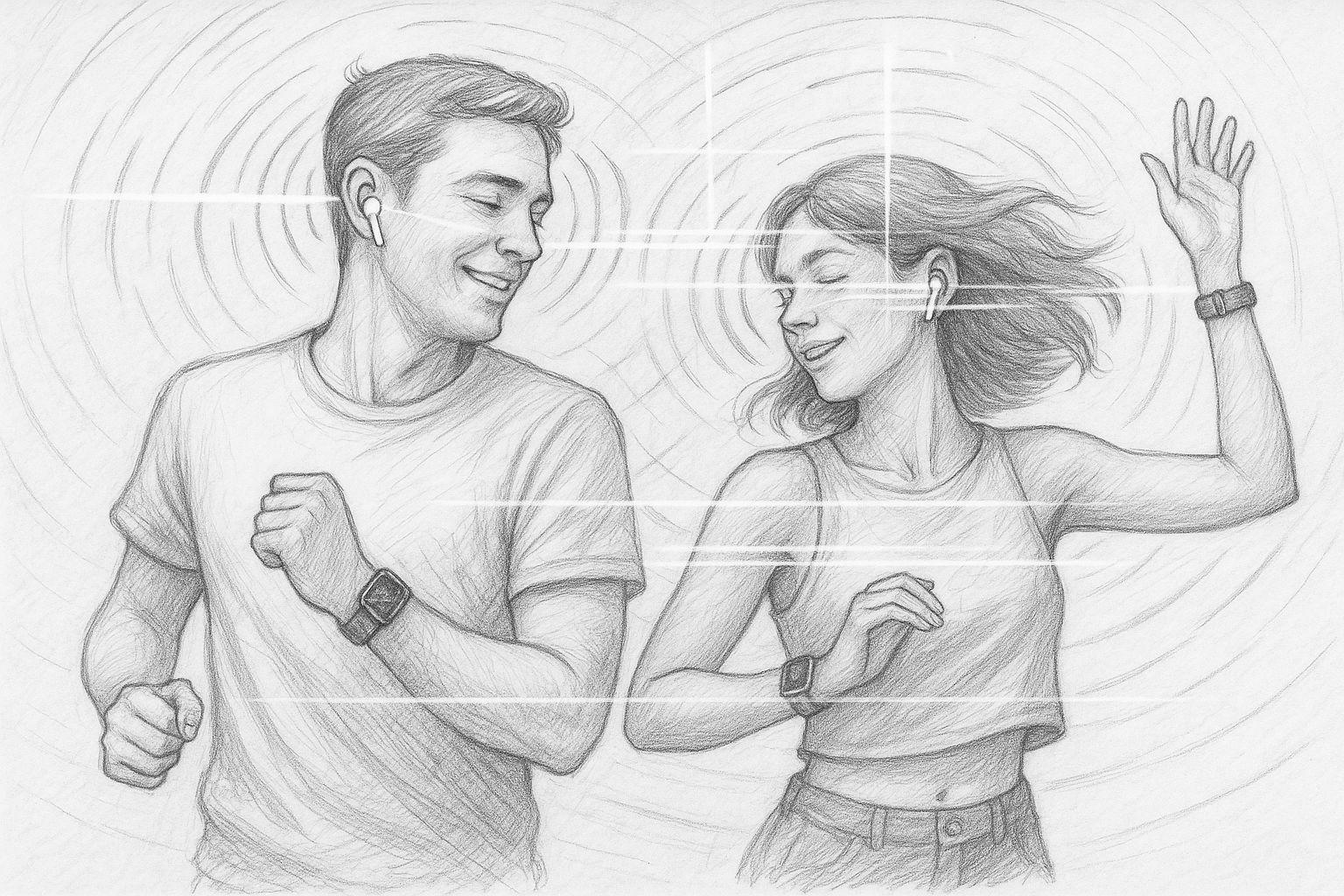
The silent danger of wearables: when convenience becomes surveillance

Wearables, smartwatch, in-ear headphones

Wearables are now part of everyday life. Many people now wear a smartwatch as a matter of course, count their steps, monitor the quality of their sleep or set reminders to take breaks during the day. And I'm happy to admit it: I also have a Apple Watch myself, and I find this technology absolutely fascinating in its own way. It can do things that would have been pure dreams of the future just a few years ago. Nevertheless, I rarely use my Apple Watch.

And just now, after the latest reports and statements from experts, I realize once again that this reticence is not so wrong. After all, many modern headphones and wearables now contain sensors that can measure far more than you might think at first glance. Not all headphones do - but the trend is clear: more and more technology is moving inconspicuously into small devices that we wear close to our bodies.

Read more