The Iran-Israel conflict: Why this escalation is the West's strategic nightmare

Israel-Iran - Strategic nightmare

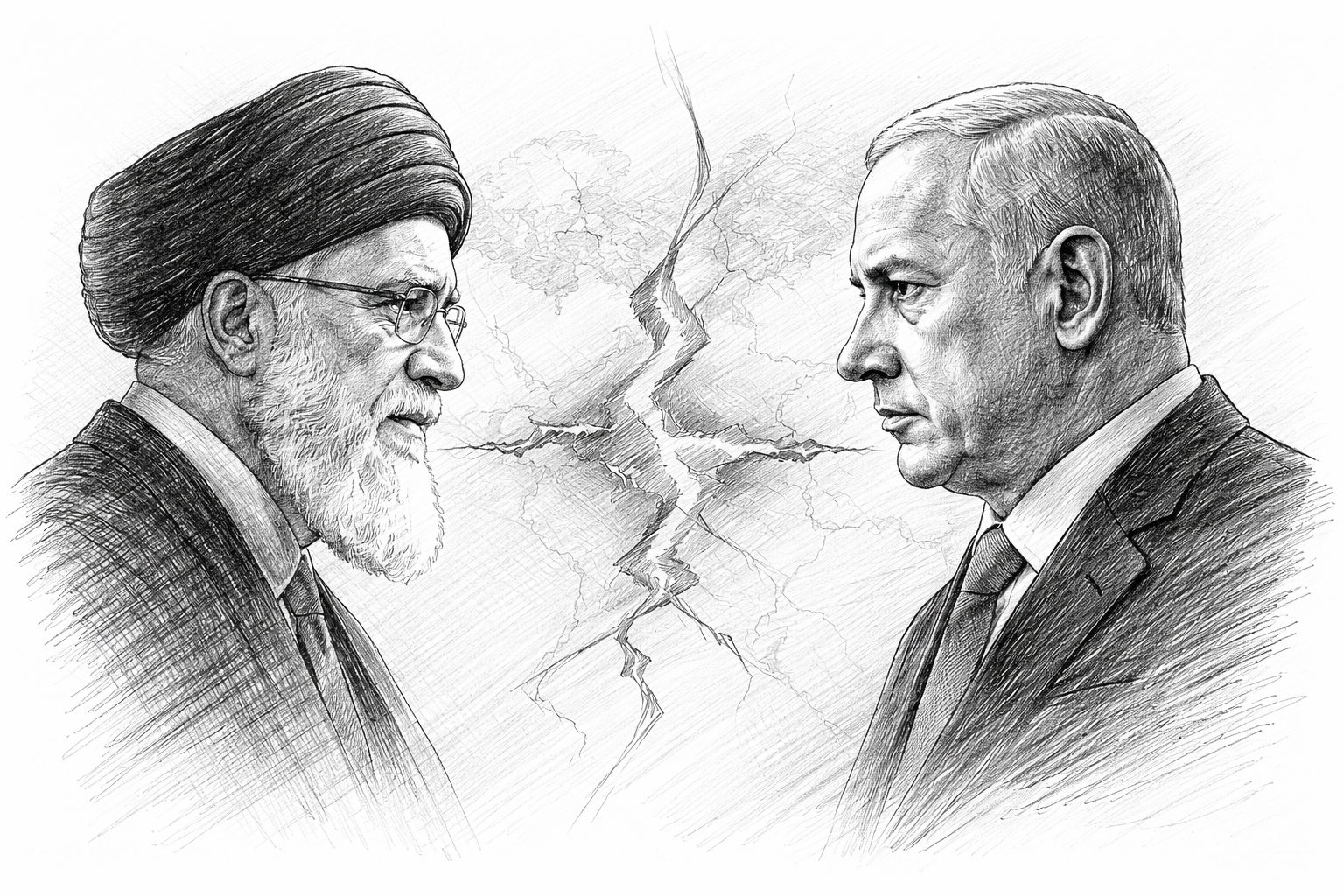
There are moments in the story when you sense that something is shifting. Not abruptly, not with a single decision, but like a line that slowly but inexorably runs through the dust of old certainties. The past few days have been such moments. I wondered for a long time whether I should really write this editorial - after all, I have already dealt with Iran in detail once before and made it clear that you can only understand this country and its power structures if you look at the decades-old lines. But it is precisely these lines that have now become visible again, more clearly than ever.

What makes me sit up and take notice is not just the hard facts: the nightly strikes, the overloading of Israeli missile defenses, the rhetoric of political leaders, the increasing shift of power in the background. It is the underlying pattern - the sense that here is a conflict entering a phase that will be a nightmare for any strategist. And that is precisely why I am writing this article: because many see the surface, but hardly anyone understands what is brewing underneath.
Read more

Europe between freedom of expression and regulation: New US info portal raises questions

EU censorship, hate speech and the new US portal

I recently stumbled across a piece of information that initially interested me rather casually - and then stuck with me. A report said that the US government was planning a new online portal. A portal that would make content accessible that is blocked in certain regions of the world. Countries such as Iran and China were mentioned. But then another term came up: Europe.

Europe.

The idea that American agencies are developing an information portal that is expressly intended for European citizens, because certain content is no longer accessible here, made me wonder. Not outraged or panicked, but wary. When Europe is suddenly mentioned in the same breath as traditional areas of censorship, it is worth taking a closer look.

Read more

Cancel Culture in the West: Sport, universities, the military and EU sanctions analyzed

Cancel Culture in the West

When you hear the word „cancel culture“ today, you quickly think of universities, social networks or prominent individuals who come under pressure for making a thoughtless statement. Originally, the phenomenon was actually very much located in the cultural and academic sphere. It was about boycotts, protests and symbolic distancing. But something has shifted in recent years. The dynamic has grown, it has become more serious - and above all: it has become more political.

Today, we are not just observing individual debates about lectures or Twitter posts. We see athletes who are not allowed to compete. Artists whose programs are being cancelled. Professors coming under massive pressure. Military officers whose statements make international waves within hours. States that keep lists. Entry bans. Sanctions that affect not just institutions, but specific individuals.

This is more than a marginal cultural phenomenon. It has become a political mechanism.

Read more

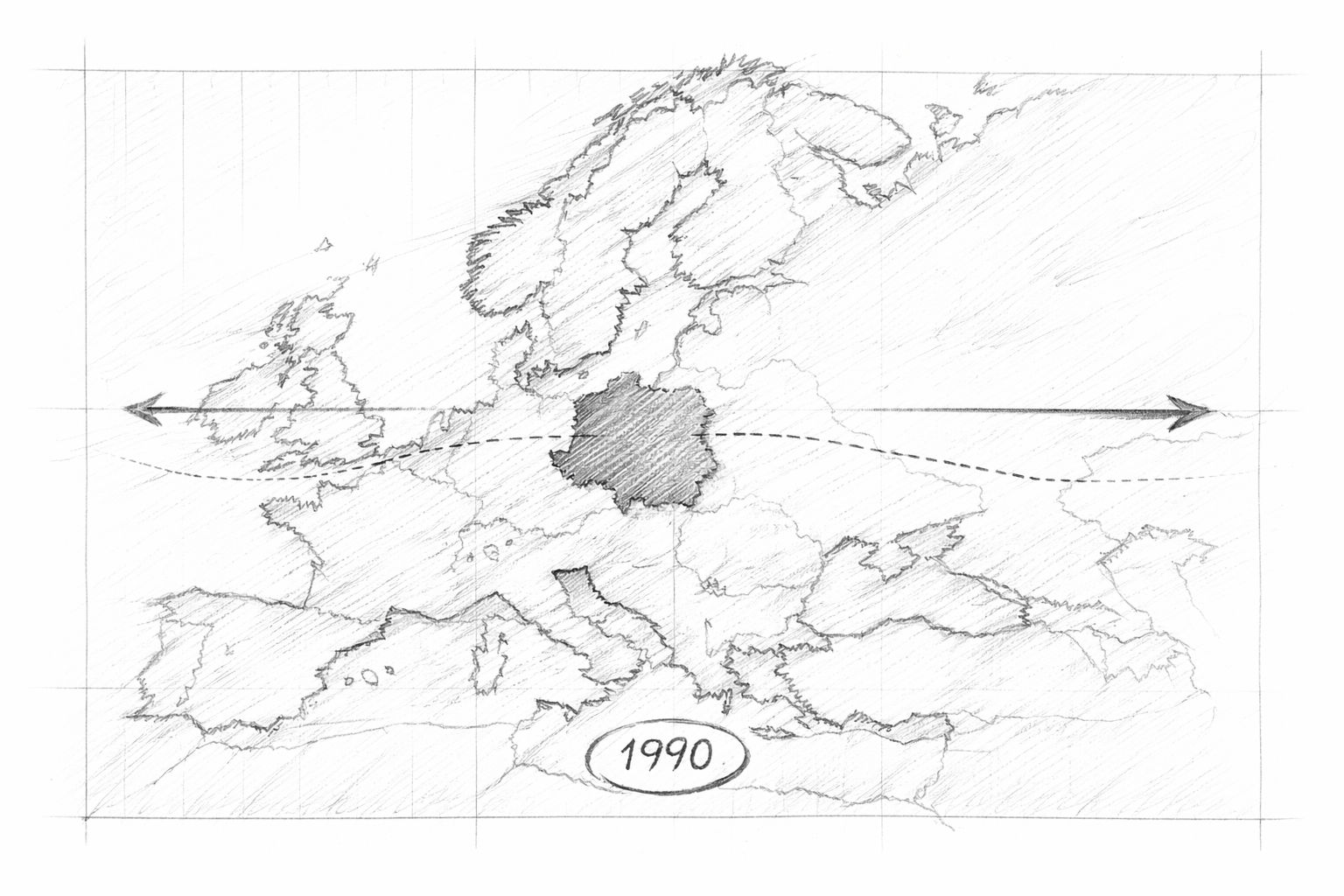
The Two Plus Four Treaty, NATO and the Bundeswehr: What still applies today?

When security policy, the Bundeswehr and international obligations are discussed today, it is usually in the mode of the present: numbers, threat situations, alliance capabilities. Rarely, however, is it asked on what legal foundation all this actually stands. Yet there is a treaty that forms precisely this foundation - and yet is barely anchored in the public consciousness: the Two Plus Four Treaty.

Many people know it by name. Few know what exactly was regulated in it. Even fewer are concerned with the question of what significance these agreements still have today - more than three decades after German reunification, in a world that has changed fundamentally in political, military and social terms.

Read more

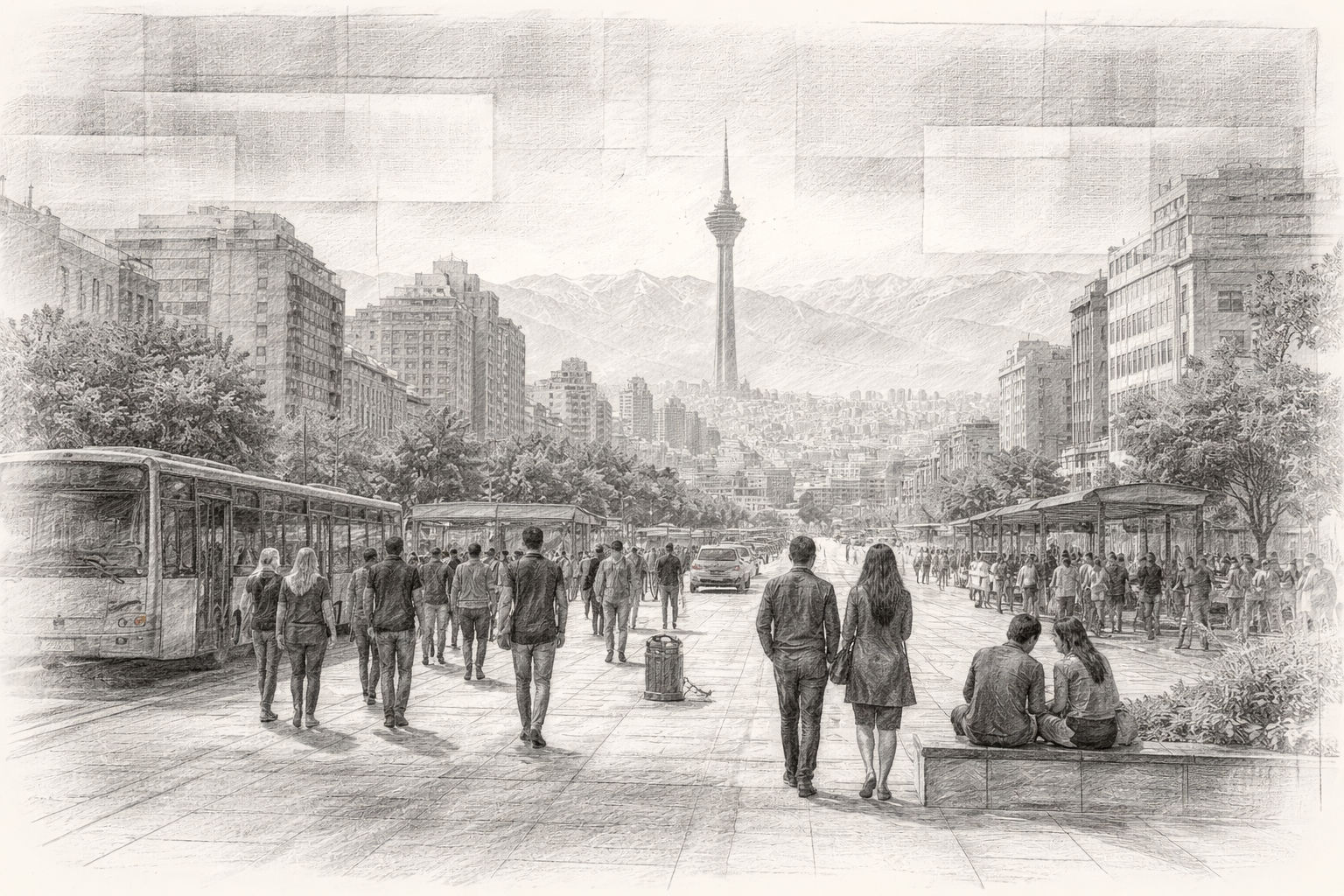
Understanding Iran: Everyday life, protests and interests beyond the headlines

Understanding Iran

Hardly any other country conjures up such fixed images as Iran. Even before a single detail is mentioned, the associations are already there: mullahs, oppression, protests, religious fanaticism, a state in permanent conflict with its own population. These images are so familiar that they are hardly questioned. They seem self-evident, almost like common knowledge.

And therein lies the problem. Because this „knowledge“ rarely comes from personal experience. It comes from headlines, from commentaries, from stories that have been repeated for years. Iran is one of those countries about which many people have very clear opinions - even though they have never been there, don't speak the language, don't know everyday life. The picture is complete, cohesive, seemingly free of contradictions. And that is precisely why it is so convincing. But what happens when a picture becomes too smooth?

Read more

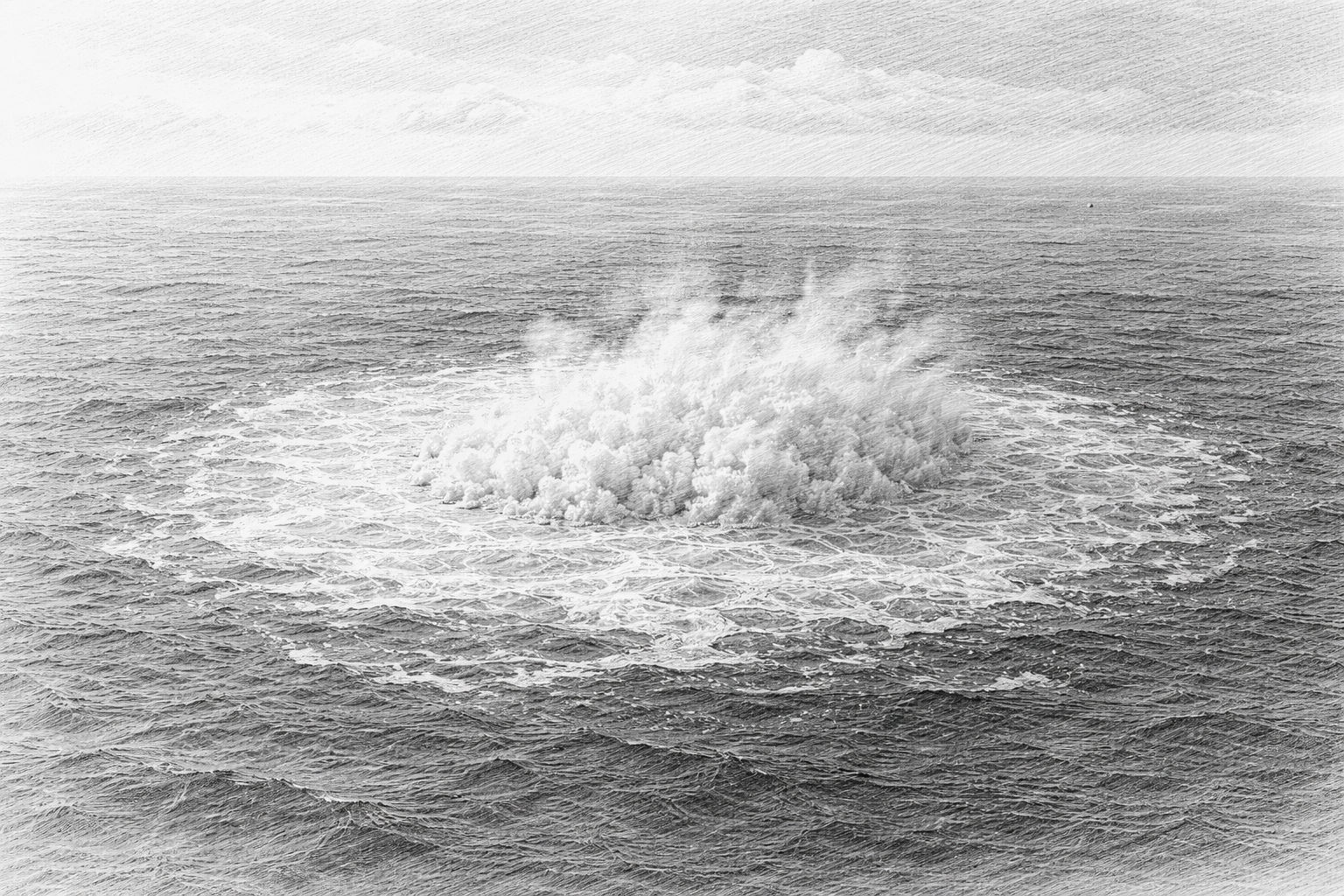
Nord Stream demolition: sabotage, power politics and the uncomfortable unanswered questions

Nord Stream blasting

When people talk about energy, many think first of electricity - of light, of sockets, of power stations. In reality, however, Europe's everyday life depends on a quieter foundation: heat and process energy. Over the decades, natural gas has become a kind of invisible backbone. Not because it is particularly „beautiful“, but because it is practical: it is easy to transport, relatively flexible to use and can be reliably supplied in large quantities. For private households, this means heating and hot water. For industry, it means one thing above all: predictable production.

Particularly in industries such as chemicals, glass, steel, paper, ceramics or fertilizers, energy is not simply a cost factor that is „optimized“. Energy is an integral part of the process. If it fails or becomes unreliable, it is not just one machine that comes to a standstill - often an entire plant, sometimes an entire supply chain. This is the point at which „energy policy“ ceases to be an abstract controversial issue and begins to have a very concrete impact on jobs, prices, availability and stability. Anyone who has understood this also understands why Nord Stream was far more than just an infrastructure project on the seabed for Europe.

Read more

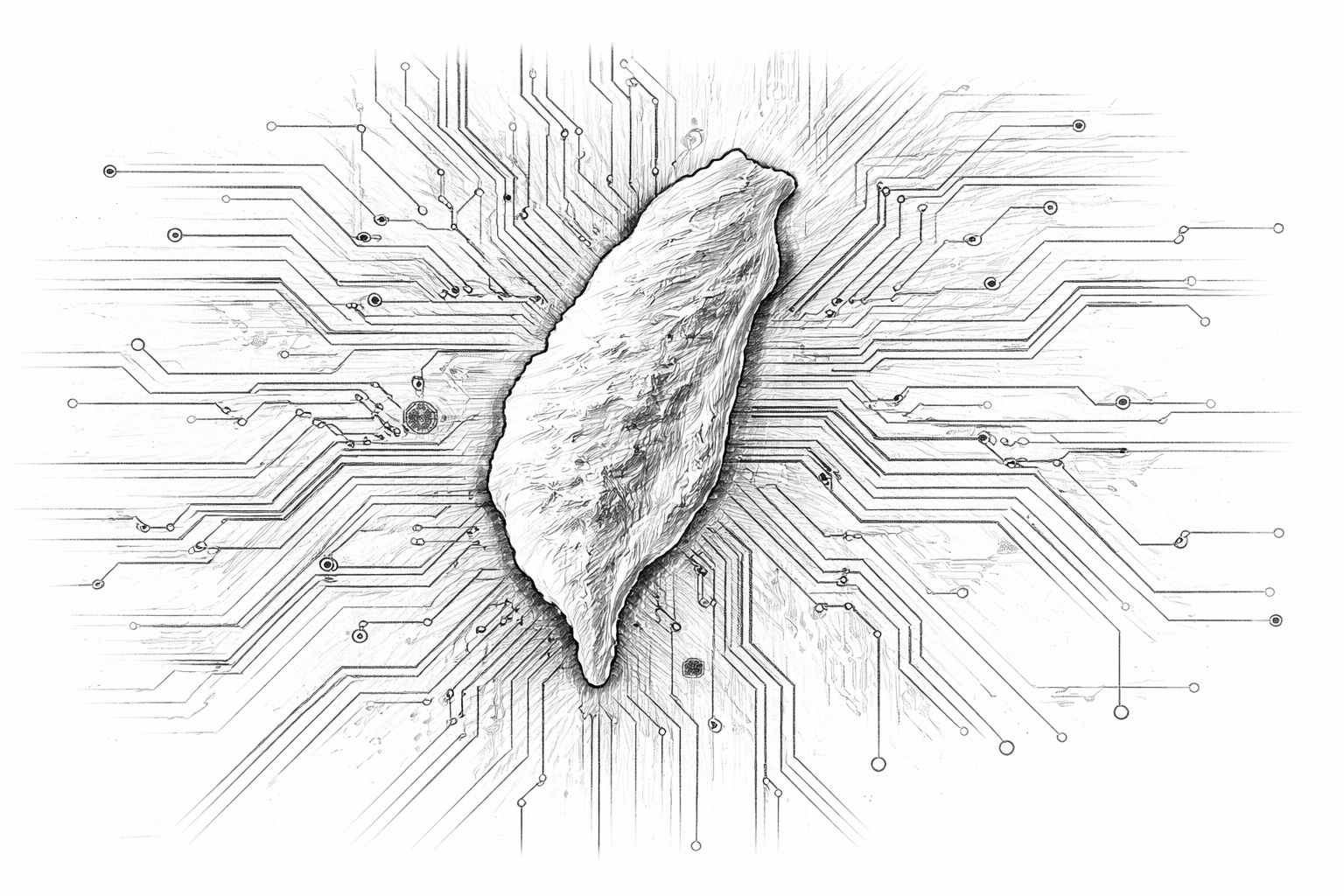
Understanding Taiwan: History, status issues and the risks of an interconnected world

Taiwan as a tipping point

Taiwan has been in the headlines for years - sometimes because of military maneuvers in the Taiwan Strait, sometimes because of diplomatic tensions, sometimes because of the question of how reliable international rules are in an emergency. In recent days, this impression has become even more acute for many observers: the US operation in Venezuela, in which Venezuela's President Nicolás Maduro was detained, is the subject of controversial international debate, not only politically but also in terms of international law.

Why this could be relevant for Taiwan is less a question of “Who's right?”, When major players interpret rules selectively or enforce them harshly, other powers ask themselves - soberly and guided by their own interests - where their own leeway begins and ends. And it is precisely at this point that Taiwan becomes more than a distant island issue.

Read more

Propaganda: history, methods, modern forms and how to recognize them

What is propaganda?

For many - and I felt the same way myself for a long time - propaganda was something you learned about in history lessons. A topic that seemed to be firmly established: in the Third Reich, perhaps even in the GDR, i.e. in clearly defined, authoritarian systems. We were taught that propaganda existed there because these systems needed it - and that it didn't really play a role in an open, democratic society like the Federal Republic of Germany.

This view was comfortable. And it was plausible for a long time. Because propaganda was almost always shown as something obvious: as a slogan, as a poster, as martial imagery. Something that you recognize as soon as you see it - and from which you can distance yourself internally. Today, this certainty seems fragile. Not because people have suddenly changed, but because the form of influence has changed. And that is precisely why it is worth clarifying calmly and without agitation what propaganda actually is - and what it is not.

Read more