Current contributions

The EU's 28th regime: The silent restructuring of the European Economic Area?

28th EU regime

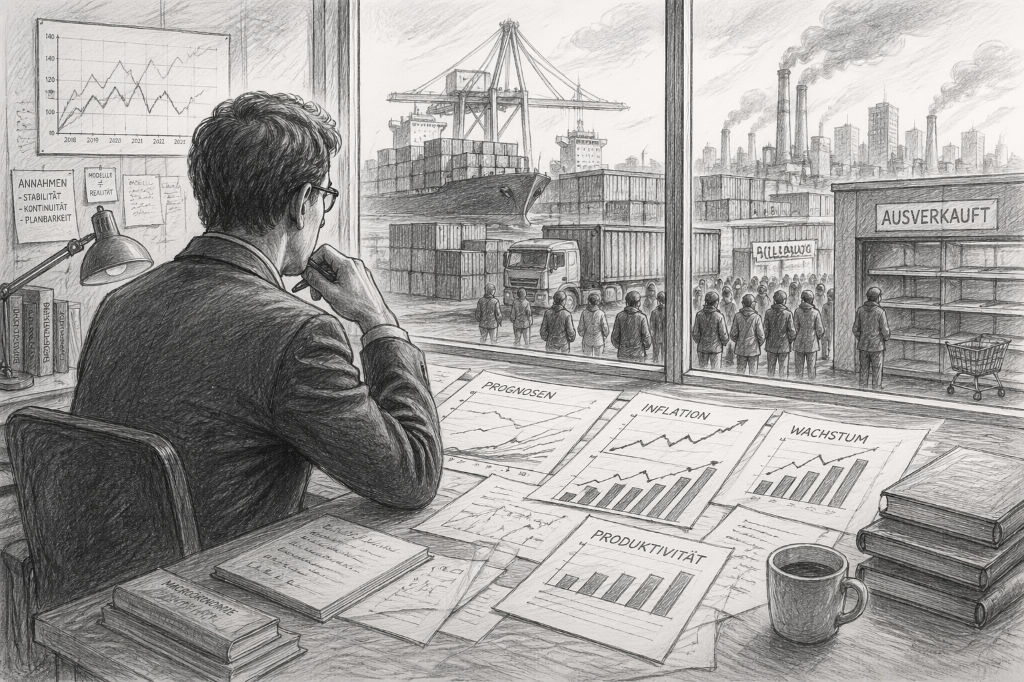
At the moment, half of Europe is talking about the so-called „28th regime“. Many are wondering what this is actually supposed to be. A new state? A secret EU project? Or just another attempt to modernize the single market? In fact, it is a concept that sounds grand, but in essence describes an additional form of company that is supposed to be optional and purely voluntary. The name „28th regime“ comes from the fact that there would be another set of rules in addition to the 27 national legal systems - like an additional tool in an already full toolbox.

The idea behind it did not come about overnight. Start-ups, investors and some SMEs have been complaining for years that the EU consists of 27 very different economic areas. Depending on which country you start up in, you have to follow different rules: different founding formalities, different liability rules, different requirements for employee participation or raising capital. This is an obstacle for international tech companies and often a deterrent for founders. This is precisely where the EU institutions want to start.

Read more

CLOUD Act, data sovereignty and Switzerland: a turning point for European IT strategies?

What the Swiss cloud resolution means for Europe

Something happened in Switzerland in mid-November that hardly anyone expected in this form: The country's data protection commissioners passed a clear, almost historic resolution. The message behind it is simple - and at the same time highly controversial: public authorities should no longer outsource their most sensitive data to international cloud services such as Microsoft 365 without hesitation. Why is that?

Read more

AI Studio 2025: Which hardware is really worth it - from the Mac Studio to the RTX 3090

Hardware 2025 for AI studio

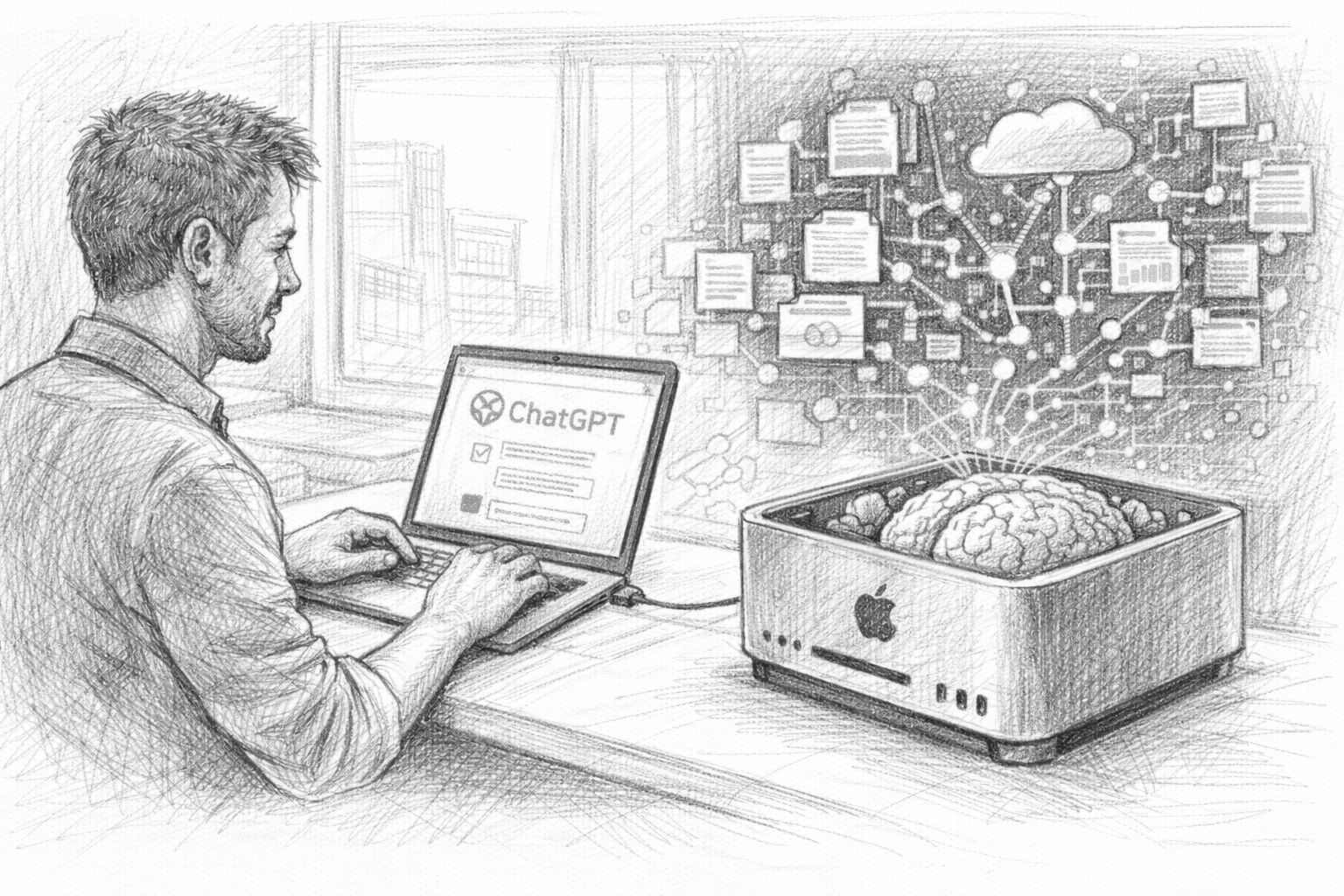
Anyone working with AI today is almost automatically pushed into the cloud: OpenAI, Microsoft, Google, any web UIs, tokens, limits, terms and conditions. This seems modern - but is essentially a return to dependency: others determine which models you can use, how often, with which filters and at what cost. I'm deliberately going the other way: I'm currently building my own little AI studio at home. With my own hardware, my own models and my own workflows.

My goal is clear: local text AI, local image AI, learning my own models (LoRA, fine-tuning) and all of this in such a way that I, as a freelancer and later also an SME customer, am not dependent on the daily whims of some cloud provider. You could say it's a return to an old attitude that used to be quite normal: „You do important things yourself“. Only this time, it's not about your own workbench, but about computing power and data sovereignty.

Read more

The Affinity graphics suite becomes free: What professional users need to know now

Affinity graphics suite free of charge

If, like me, you have been working with layout and typesetting programs for decades, you usually notice such changes more clearly than those who have only recently entered this world. I have seen many things come and go over the years: In the early nineties, I worked on the Atari ST with Calamus SL and later, under Windows, with CorelDraw! Later came QuarkXPress, then iCalamus, Adobe InDesign - and finally, a few years ago, Affinity Publisher. Since then, the Affinity suite has accompanied me through almost all my book projects. Over the years, it has been a reliable tool, pleasantly straightforward, clearly structured and free of the ballast that many large software houses have added to themselves over the years.

Read more

Immortality through technology: how far research and AI have really come

Digital immortality

Ever since humans have existed, there has been a desire to prolong life - or preferably extend it indefinitely. In the past, it was myths, religions, alchemists or mysterious rituals that gave people hope. Today, it is no longer magicians sitting over ancient parchments, but some of the richest people in the world sitting over state-of-the-art biology and AI technology. At first glance, it sounds like science fiction: is it possible to stop ageing? Can you „preserve“ yourself digitally? Can you transfer your thinking to a machine?

But the topic has long since left the ivory tower. Big tech billionaires are now investing billions in projects that are seriously investigating precisely these questions. Not because they want to become immortal gods - but because they can afford to research the limits of what is possible. This article explains quite simply what is behind this idea, what technical developments already exist today, where the limits lie - and why this topic will become increasingly important over the next 20 years.

Read more

The new EU censorship laws: What Chatcontrol, DSA, EMFA and the AI Act mean

EU censorship laws

In an increasingly digitalized world, we spend a lot of time online: Chatting, shopping, working, informing ourselves. At the same time, the rules on how content is shared, moderated or controlled are changing. The Digital Services Act (DSA), the European Media Freedom Act (EMFA), the planned Regulation to Prevent and Combat Child Sexual Abuse (CSAR, often referred to as „chat control“) and the AI Act are key pieces of legislation proposed by the European Union (EU) to regulate the digital environment.

These regulations may seem far away at first glance - but they have an impact on you as a private individual as well as on small and medium-sized companies. This article will guide you step by step: from the question „What is planned here?“ to the background and timelines to the change of perspective: What does this mean for you in everyday life?

Read more

„The Magic Wall“: Two children's books that strengthen the courage of young readers

Children's books by Jana Kollmann

At a time when many children's books seem fast-paced and are often designed for short-lived effects, it is worth taking a look at works that have been written with real attention to detail. Books that take the time to build a world that not only entertains young readers, but also conveys courage, imagination and inner strength.

This is exactly the kind of book Jana Kollmann writes - an author whose roots, life path and artistic influence are recognizable in every line.

Read more

Understanding hemorrhoids: Why posture and statics are often the real causes

Hemorrhoids and poor posture

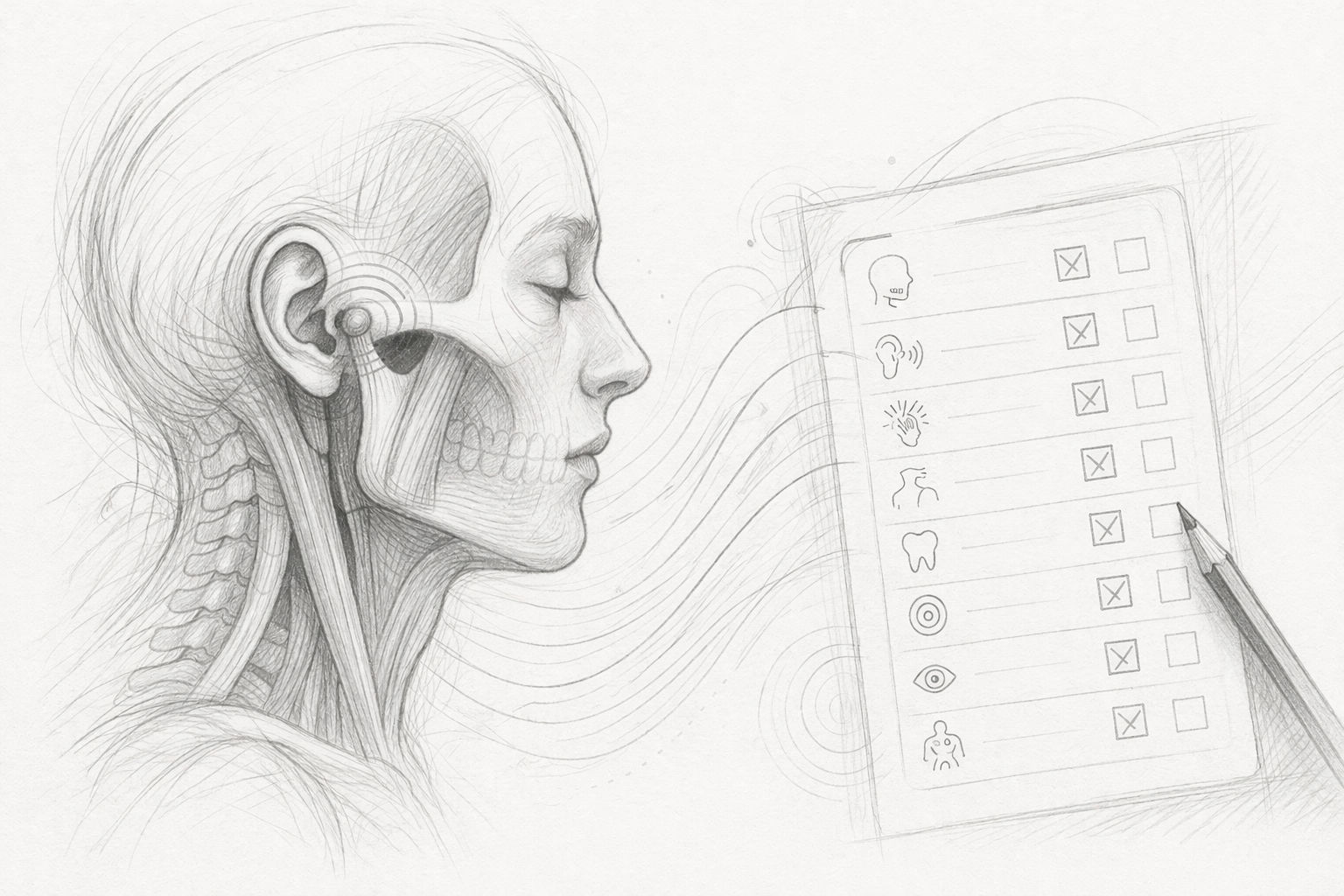
Haemorrhoids are one of the most common physical complaints of all - and yet you almost always get the same explanations for them in doctors' surgeries. Fiber, more exercise, drink enough: the standard tips seem like a firmly programmed pattern that has been passed on unchanged for decades. And sure, these tips are not wrong. But they fall short because they only scratch the surface.

This article shows why it is worth looking at hemorrhoids from a different perspective - beyond the usual advice. It aims to make people aware that the real causes are often not located where the symptoms occur, but in the interaction of the entire body statics. Anyone who understands how posture, breathing and muscular tension interact quickly realizes that the solution sometimes lies not in the next ointment prescription, but in the foundation of the body itself.

Read more