Propaganda: history, methods, modern forms and how to recognize them

What is propaganda?

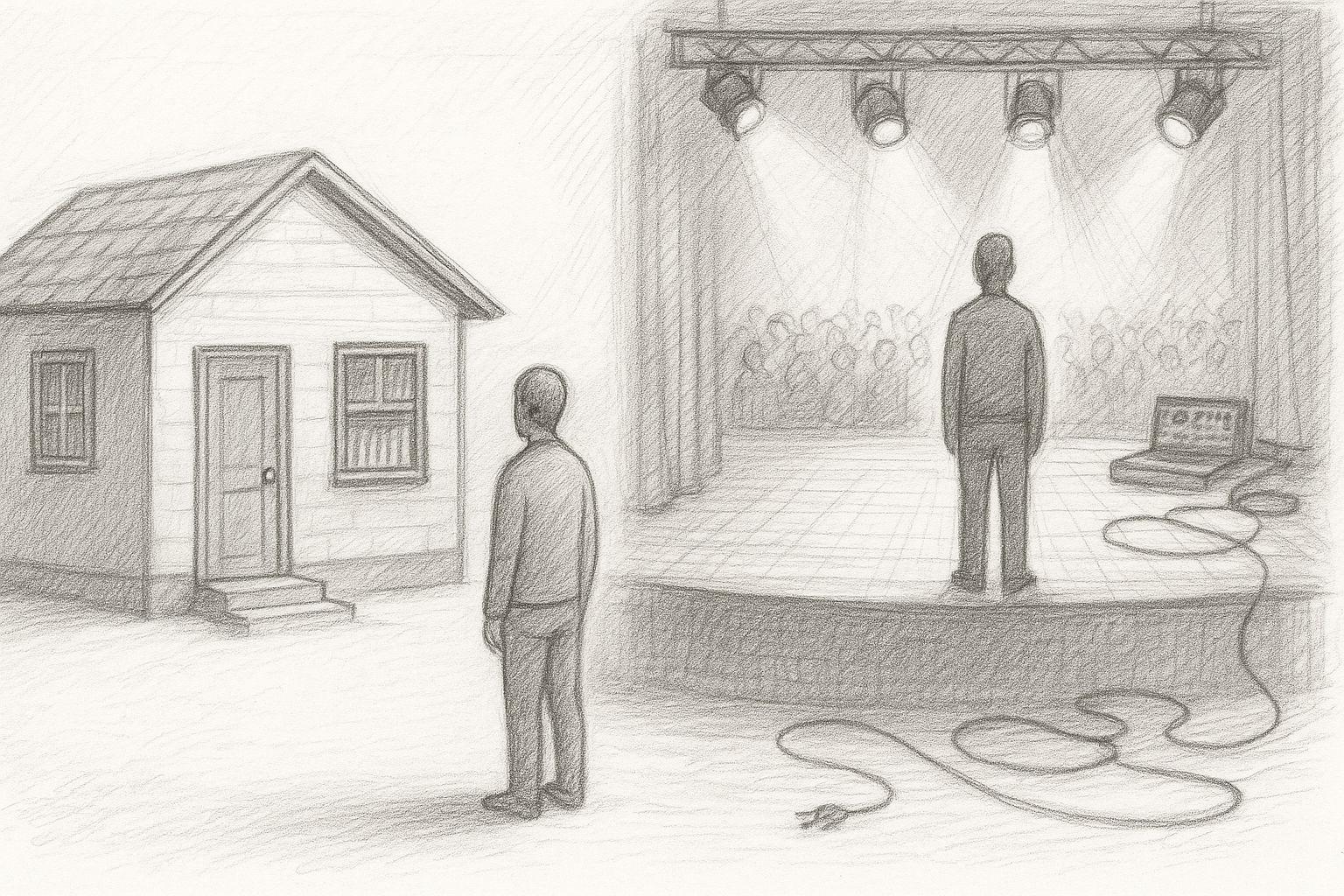
For many - and I felt the same way myself for a long time - propaganda was something you learned about in history lessons. A topic that seemed to be firmly established: in the Third Reich, perhaps even in the GDR, i.e. in clearly defined, authoritarian systems. We were taught that propaganda existed there because these systems needed it - and that it didn't really play a role in an open, democratic society like the Federal Republic of Germany.

This view was comfortable. And it was plausible for a long time. Because propaganda was almost always shown as something obvious: as a slogan, as a poster, as martial imagery. Something that you recognize as soon as you see it - and from which you can distance yourself internally. Today, this certainty seems fragile. Not because people have suddenly changed, but because the form of influence has changed. And that is precisely why it is worth clarifying calmly and without agitation what propaganda actually is - and what it is not.
Read more

Vicco von Bülow alias Loriot - order, form and the quiet resistance of humor

There are artists who put their opinions on paper like a stamp: visible, unmistakable, sometimes even a little cheap. And then there is Vicco von Bülow - Loriot - who embodies the opposite: Poise without bluster. He could be very clear when he wanted to be. But he didn't do it with a pointing finger, but with a precision that first leads to laughter and then - almost imperceptibly - delivers the seriousness. This is particularly evident in later interviews: he does not speak in slogans, but in nuances. There is often more plain language between the lines than can be found in many a loud speech.

And perhaps this is where the real portrait begins: not with the famous sketches, not with the quotes that everyone knows, but with the question of how a person becomes so that they can look at the world with both kindness and relentless precision.

Read more

The Crimean Tatars - history, origins and present of a forgotten people

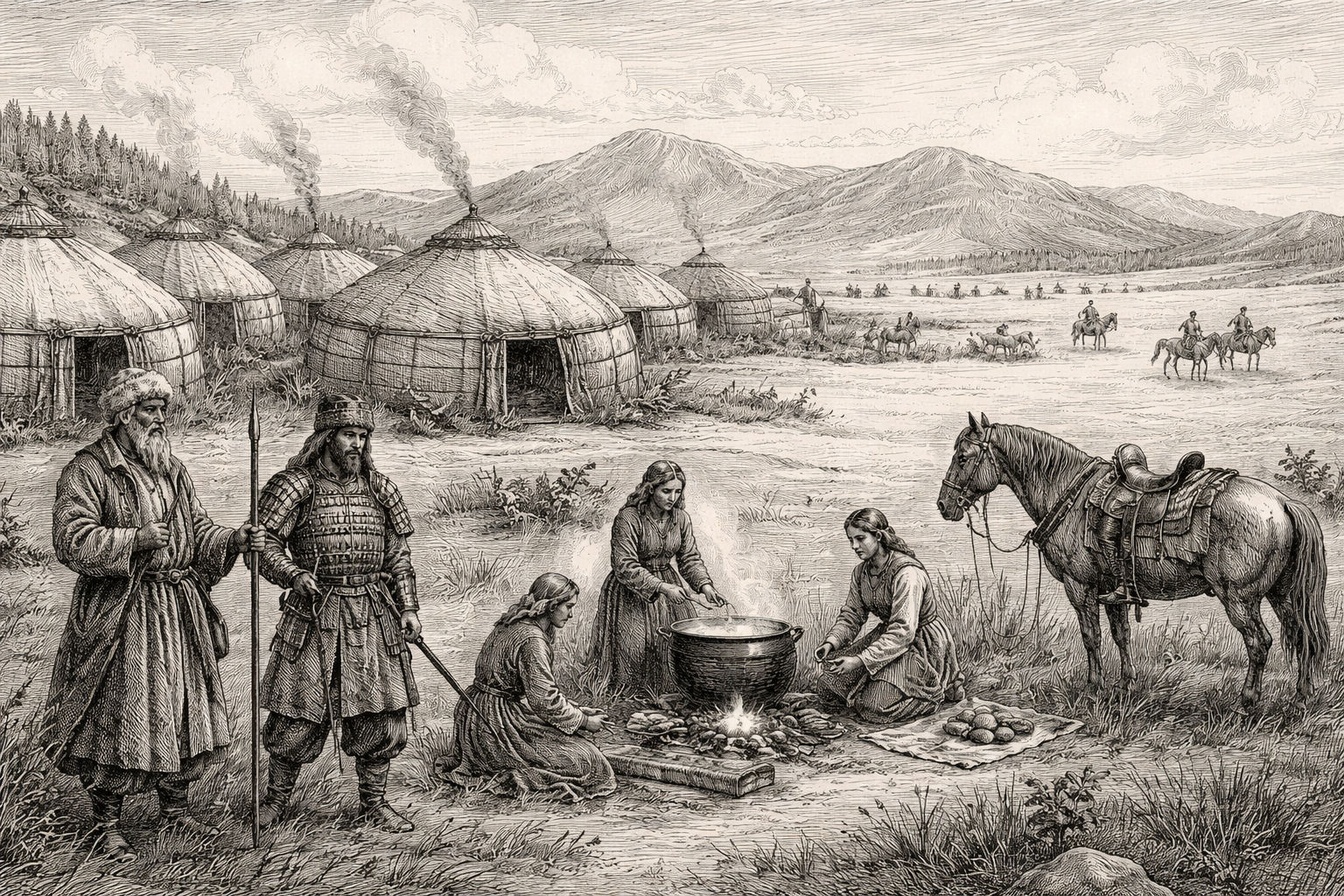
Crimean-Tartar steppe

Crimea has been in the headlines again and again for years. In this context, the name of the Crimean Tatars is often mentioned - usually briefly, often without explanation. However, if you want to understand who the Crimean Tatars are, you have to go much further back than the political conflicts of the present.

It is not about a single event or a clear „hour of birth“, but about a long historical process. This chapter attempts to explain this in detail: where this people comes from, how it was formed and why its identity cannot be pinned down to national borders.

Read more

Ulrike Guérot: A European between idea, university and public discourse

Ulrike Guérot and Europe

There are people whose thoughts you like to follow not because you agree with them on everything, but because they make an effort to penetrate things. For me, Ulrike Guérot is one of these voices. I have been watching her lectures for several years now - not regularly, not ritualized, but when I come across a topic that I feel is worth listening to more closely. What strikes me is that her arguments are calm, structured and largely non-ideological.

This does not make her lectures spectacular in the media sense, but they are sustainable. You can listen to her for a long time without getting the feeling that she is trying to sell a ready-made world view. Especially at a time when political debates are often morally charged or emotionally truncated, this way of speaking seems almost old-fashioned. In the best sense of the word.

Read more

Reach is not ownership - Why visibility is no longer enough today

Reach vs. ownership

A good ten years ago, I happened to watch a lecture on the transition from the information society to the knowledge society. At the time, much of it still sounded theoretical, almost academic. It was about concepts such as data sovereignty, ownership of information and the question of who will actually determine what is accessible in the future - and what is not. Today, with a little distance, this lecture seems surprisingly precise. After all, much of what was described as a development back then has now become reality. More and more data has migrated to the cloud. More and more information is no longer stored on in-house systems, but in external infrastructures. And increasingly, it is no longer the user but a provider, a platform or a set of rules that decides what is possible.

To understand this development, it is worth taking a step back. The information society in which many of us grew up was not a normal state. It was a historical exception.

Read more

Game theory explains 25 years of geopolitics: How Europe lost its strategic role

Game theory explains 25 years of geopolitics

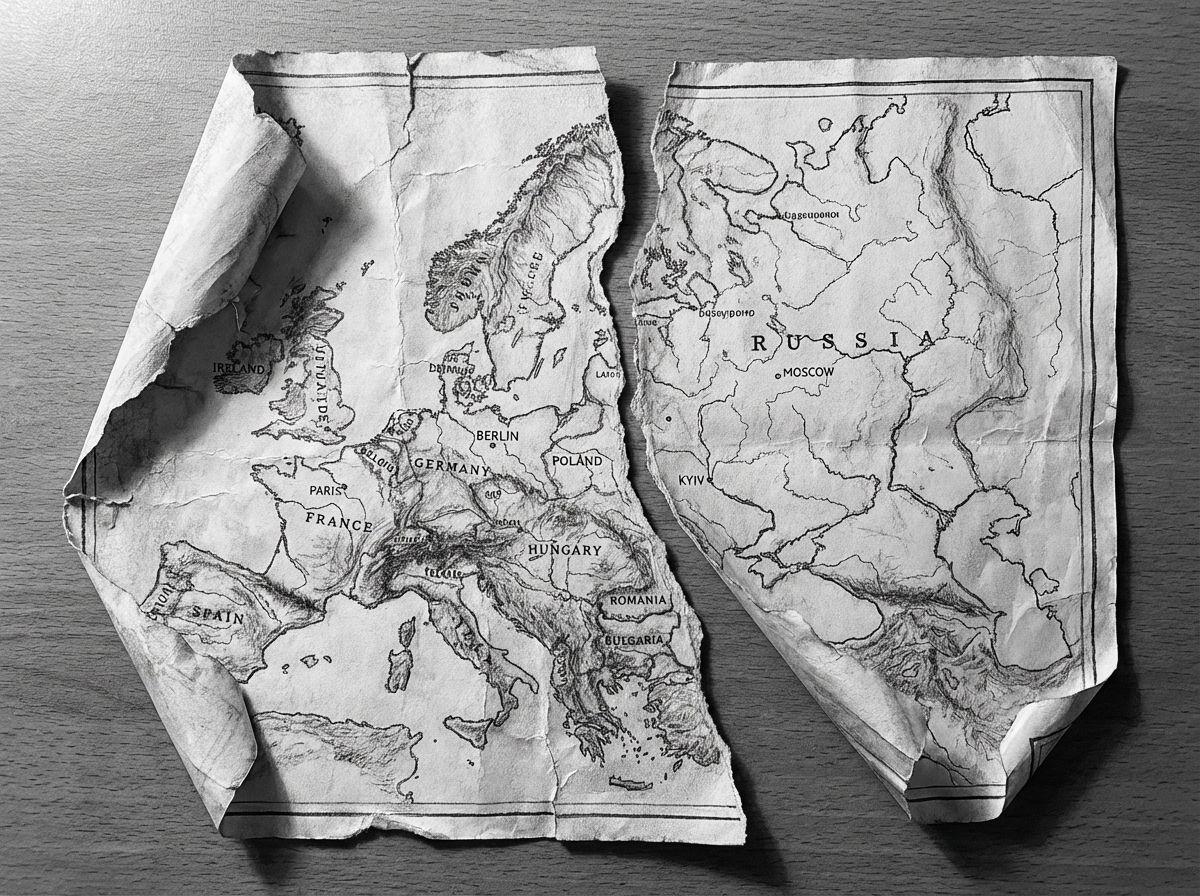
For many, game theory sounds like dry mathematics, like formulas, like something that only plays a role in lectures or business games. In reality, however, it is an ancient thinking tool that existed long before its academic formalization. Diplomats used it, commanders used it, captains of industry used it - long before it was even called that. In the end, it is nothing more than a sober question:

„When several players have to make decisions in an uncertain situation - what options do they have and what are the consequences?“

This kind of thinking has become surprisingly rare today. Instead of analyzing alternatives, much is narrowed down to moral narratives or spontaneous interpretations. Yet in geopolitical issues in particular, a clear analysis of the possibilities would be the foundation of any mature policy. It is precisely this old craft that I would like to take up again in this article.

Read more

Jan-Josef Liefers: A portrait of attitude, origins and artistic freedom

Jan-Josef Liefers

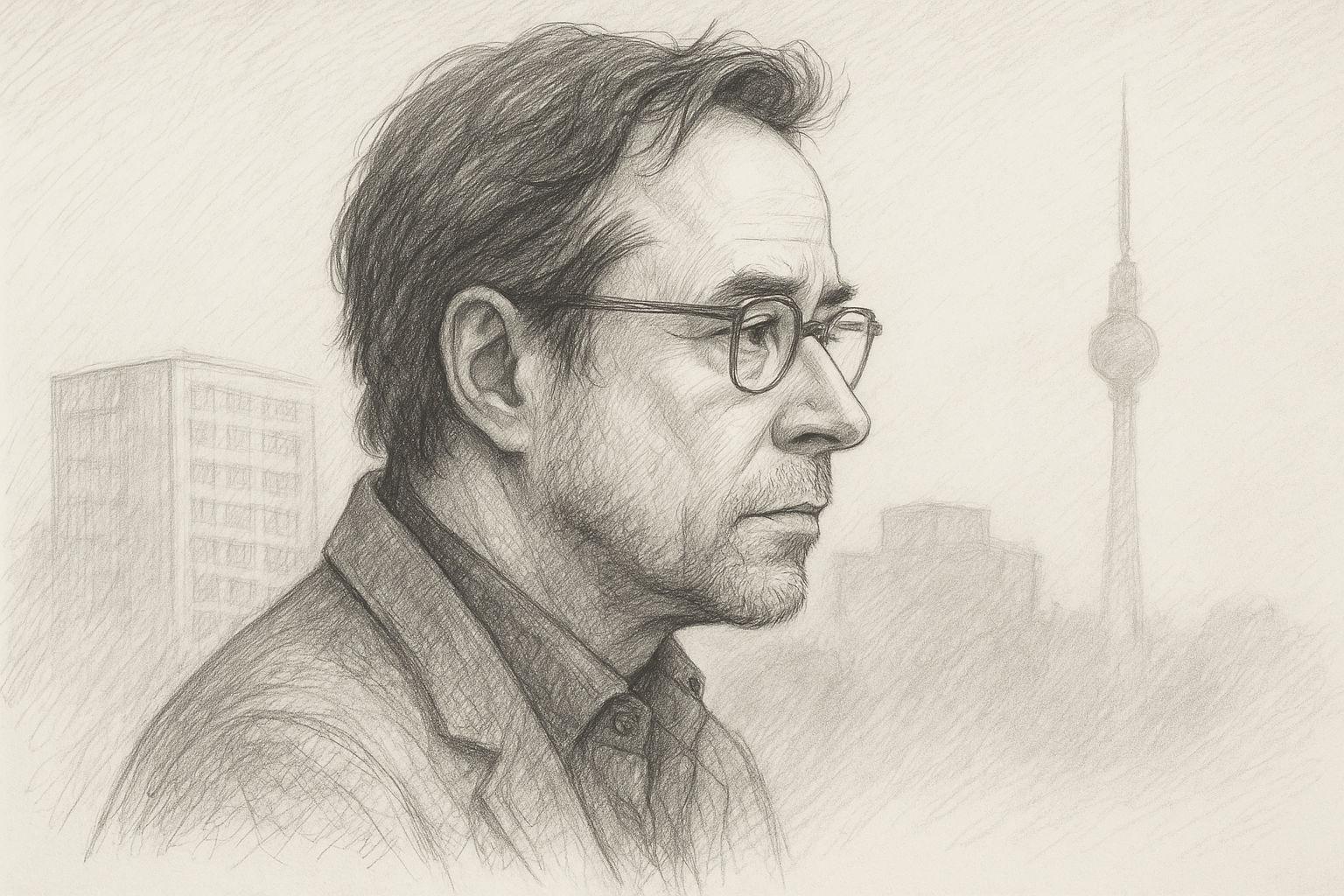
When you see Jan-Josef Liefers today as the eccentric Professor Boerne in „Tatort“, it's easy to forget how long it took to get there. I myself have always enjoyed seeing him in this role: as a mixture of subtlety, narcissism, humor and astonishing clarity. But this mixture doesn't come out of nowhere. It is the result of a life that began in a completely different Germany - in the GDR, in a country with narrow borders and clear guidelines.

To understand why Liefers takes such a consistent stance today, you have to go back to his childhood, to his parents' theater world and to a time when criticism of the system was anything but without consequences.

Read more

Why Dieter Bohlen speaks when others remain silent: A portrait of diligence and clarity

There are personalities that you only really understand when you detach yourself from their public image. Dieter Bohlen belongs exactly in this category. Musically, I myself am not a big fan of his shallow, often very simple melodies - and yet, to be fair, it has to be said that what he created was extremely precise, target group-oriented and clearly structured for the 1980s. Bohlen was never the great artist in the romantic sense. But he was an outstanding businessman, a hard worker and someone who understood his craft in a way that few do today.

What makes him interesting for me is not so much his music - but the fact that he remained successful for decades, while whole generations of artists came and went around him. And that today - after many years of silence - he is suddenly taking a clear stand on social issues. This is the reason why it is worth looking at Dieter Bohlen as a person beyond the usual media image: not as a pop titan, not as a TV pundit, but as a craftsman, businessman and mirror of a time that understands itself less and less.

Read more