What our grandfathers told us about the war - and why these voices are missing today

War memories of the grandfathers

There is a lot of talk about war. In the news, talk shows, commentaries, social media. Hardly any other topic is so present - and at the same time so strangely abstract. Figures, maps, frontlines, expert assessments. We know where something is happening, who is involved and what is at stake. What is almost completely missing are the voices of those who have experienced war rather than declared it.

Perhaps it is because these voices are slowly falling silent. But perhaps it is also because we have forgotten how to listen to them.

Read more

What was Syria like before the war? Who rules today? What does this mean for refugees in Germany?

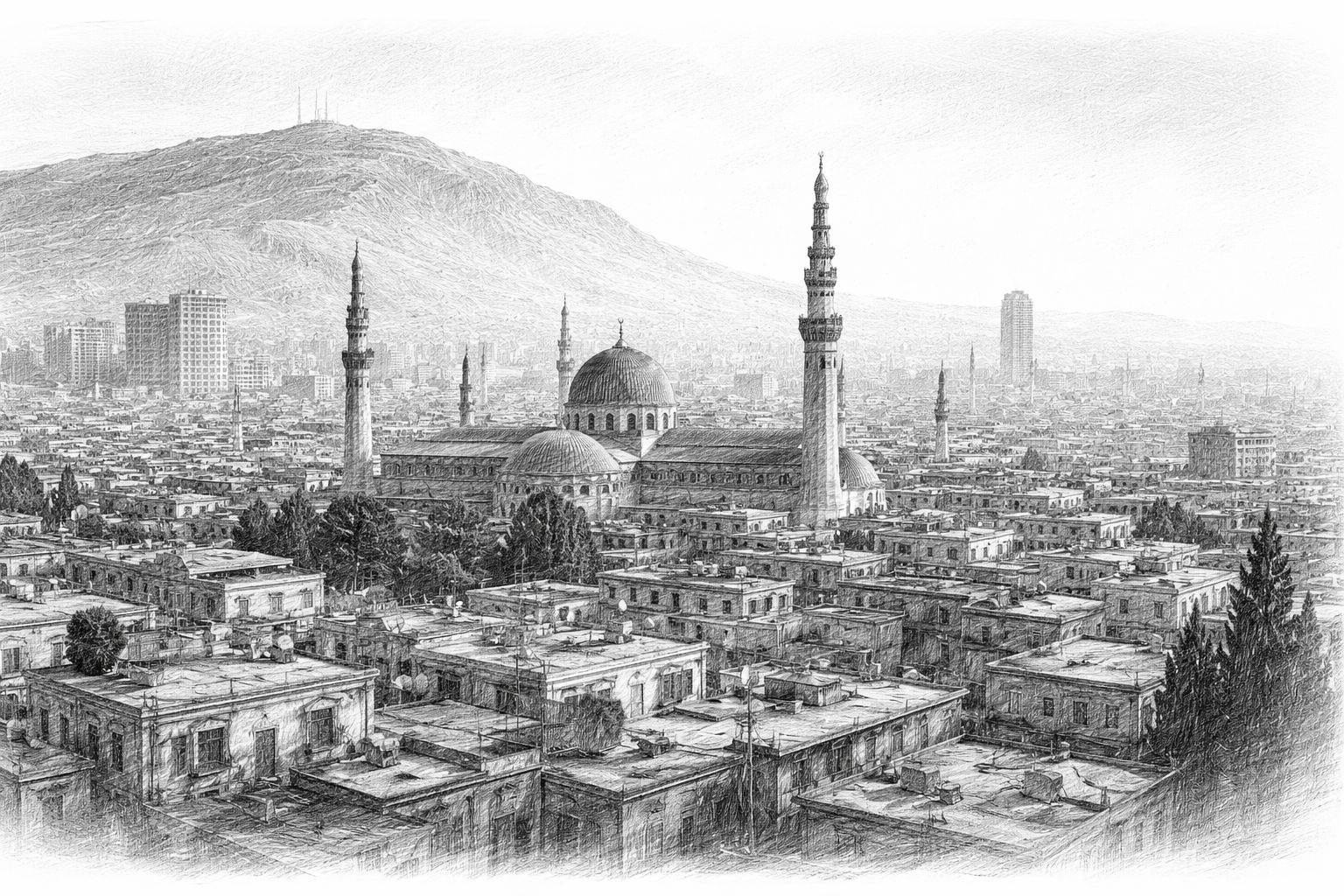
Syria and Damascus

For me, Syria is not an abstract news country, not just a crisis concept in the headlines. I have been following this country - from a distance, but continuously - for around twenty years. Not out of political activism, but out of genuine interest. For me, Syria has always been an example of how the world is more complicated than simple good-and-evil narratives. A country in the Middle East that was secularly organized, relatively stable and socially much more modern than many would have expected.

An additional point that aroused my interest early on was the person of Bashar al-Assad himself. A man who had studied in Switzerland, trained as an ophthalmologist, knew the realities of life in the West - and then stood at the head of a Middle Eastern state. That didn't fit the usual mold. It was all the more irritating for me to observe how quickly public perception narrowed, how a complex state became a pure symbol of violence, flight and moral simplification within just a few years. The shock for me was not so much that Syria ended up in a war - history knows many such ruptures - but how little room there was left for differentiation afterwards. This article is therefore also an attempt to bring order back to a topic that is often only presented as chaos in the media.

Read more

Is killing undignified? A sober question about murder, terror and war

Is killing undignified?

We live in troubled times. War, terror, violence - all of this is very present again. In the news, in political debates, in conversations on the sidelines. Decisions about war and peace are being made, often quickly, often with great determination. Arguments are being put forward, weighed up, justified. And yet I am left with a feeling of unease.

Not because I believe that everything is easy or because I dream of a conflict-free world. But because I notice how rarely a very specific question is asked. A question that is neither legal nor military. A question that doesn't ask about guilt or justice, but about something more fundamental. This question is: What does it do to a person when they kill another person?

This article is an attempt to pose this question calmly and soberly - without accusation, without moral pathos and without instrumentalizing current events.

Read more

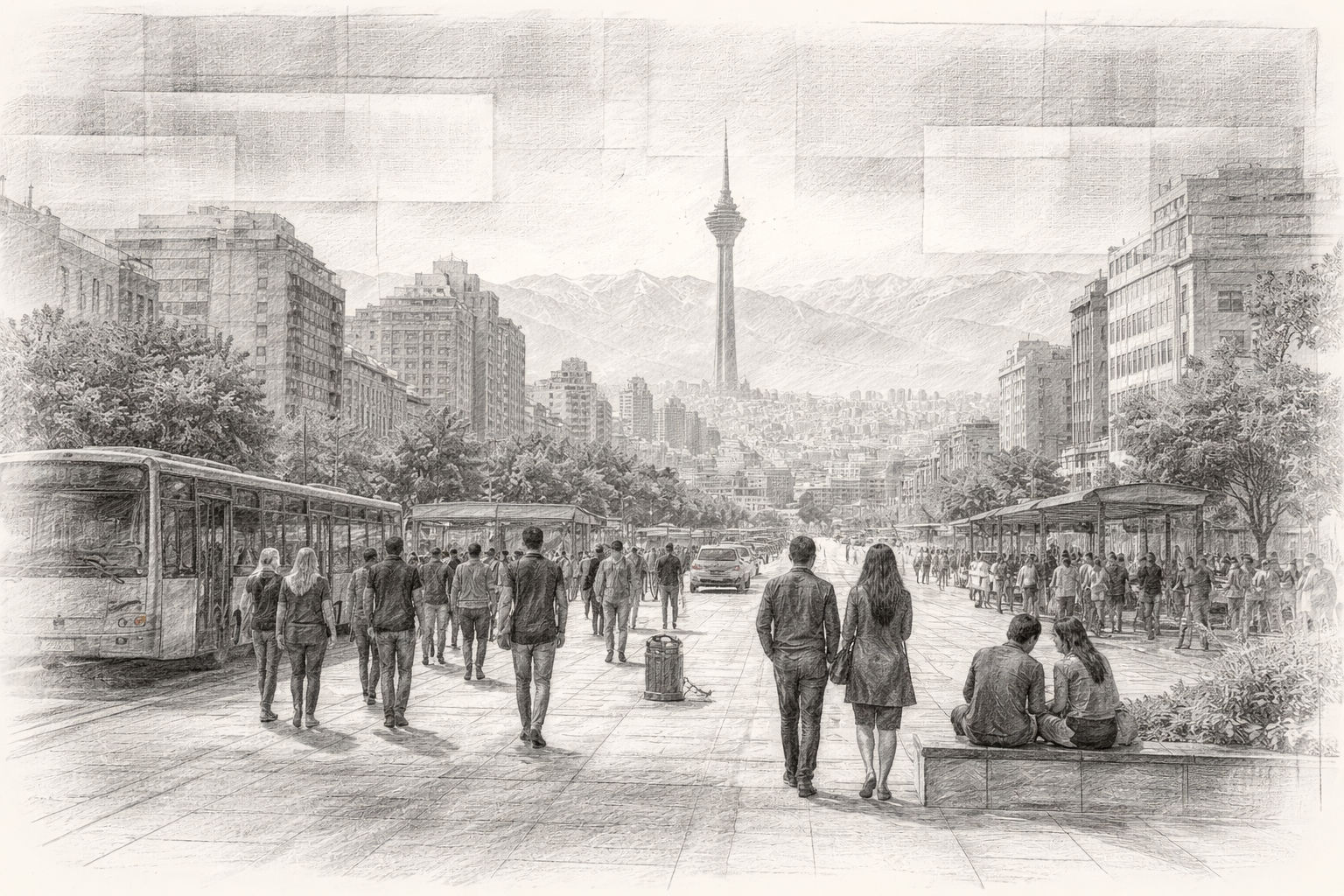
Understanding Iran: Everyday life, protests and interests beyond the headlines

Understanding Iran

Hardly any other country conjures up such fixed images as Iran. Even before a single detail is mentioned, the associations are already there: mullahs, oppression, protests, religious fanaticism, a state in permanent conflict with its own population. These images are so familiar that they are hardly questioned. They seem self-evident, almost like common knowledge.

And therein lies the problem. Because this „knowledge“ rarely comes from personal experience. It comes from headlines, from commentaries, from stories that have been repeated for years. Iran is one of those countries about which many people have very clear opinions - even though they have never been there, don't speak the language, don't know everyday life. The picture is complete, cohesive, seemingly free of contradictions. And that is precisely why it is so convincing. But what happens when a picture becomes too smooth?

Read more

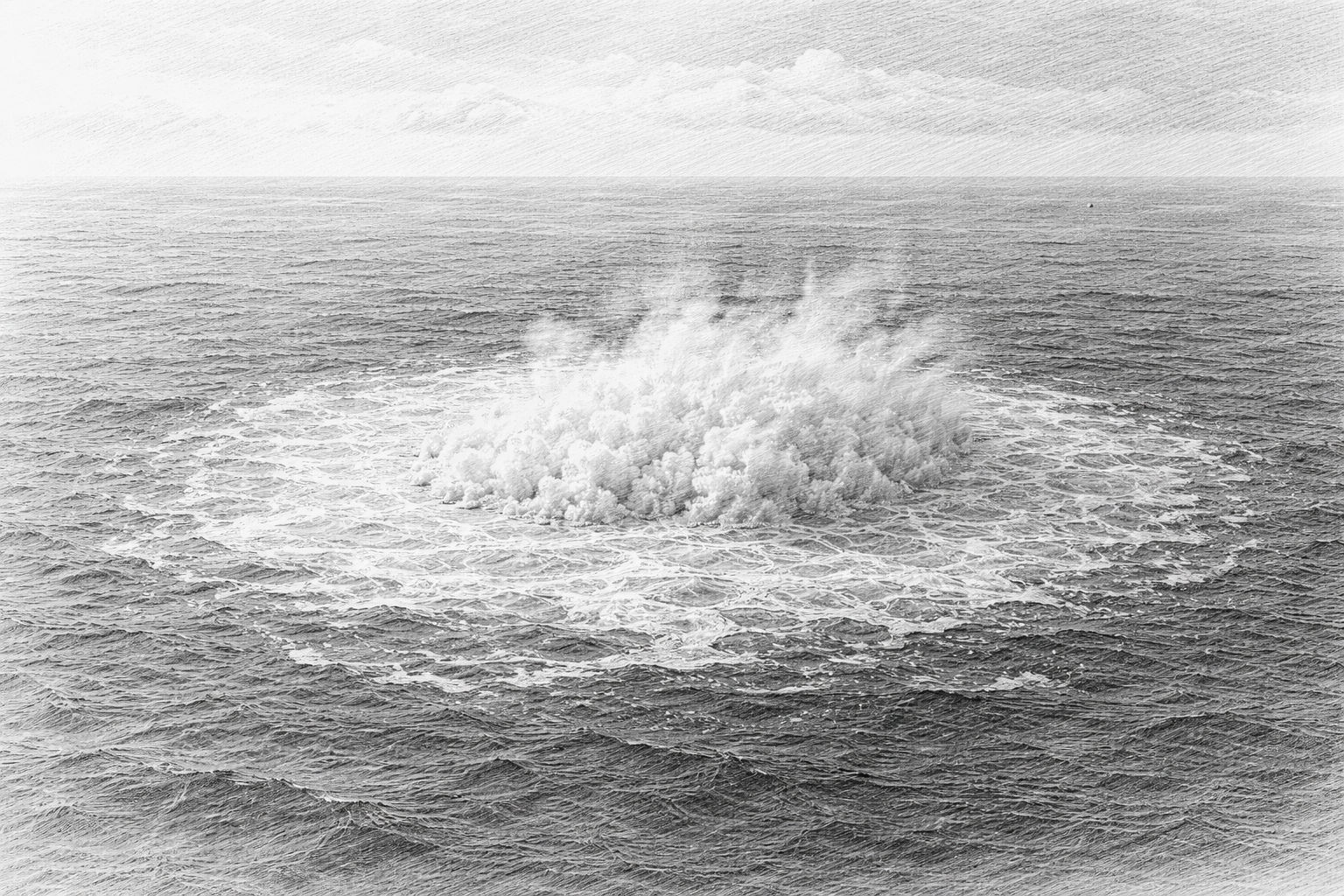
Nord Stream demolition: sabotage, power politics and the uncomfortable unanswered questions

Nord Stream blasting

When people talk about energy, many think first of electricity - of light, of sockets, of power stations. In reality, however, Europe's everyday life depends on a quieter foundation: heat and process energy. Over the decades, natural gas has become a kind of invisible backbone. Not because it is particularly „beautiful“, but because it is practical: it is easy to transport, relatively flexible to use and can be reliably supplied in large quantities. For private households, this means heating and hot water. For industry, it means one thing above all: predictable production.

Particularly in industries such as chemicals, glass, steel, paper, ceramics or fertilizers, energy is not simply a cost factor that is „optimized“. Energy is an integral part of the process. If it fails or becomes unreliable, it is not just one machine that comes to a standstill - often an entire plant, sometimes an entire supply chain. This is the point at which „energy policy“ ceases to be an abstract controversial issue and begins to have a very concrete impact on jobs, prices, availability and stability. Anyone who has understood this also understands why Nord Stream was far more than just an infrastructure project on the seabed for Europe.

Read more

Greenland, Trump and the question of belonging: history, law and reality

Greenland in the crosshairs: USA and Trump

There are topics that you don't actively engage with, but that simply force themselves on you at some point. For many people - including me - Greenland has long belonged in this category. A large, remote island in the far north, a small population, lots of ice, lots of nature. Not a classic everyday topic, not a political hot topic. That has changed noticeably in recent months.

The increasing number of reports, comments and headlines about Greenland - and especially Donald Trump's repeated statements - have suddenly put the island at the center of an international debate. When a former and possibly future US president speaks publicly about wanting to „buy“, „take over“ or take control of an area, this inevitably attracts attention. Not because such statements should immediately be taken seriously - but because they raise questions that should not be ignored.

Read more

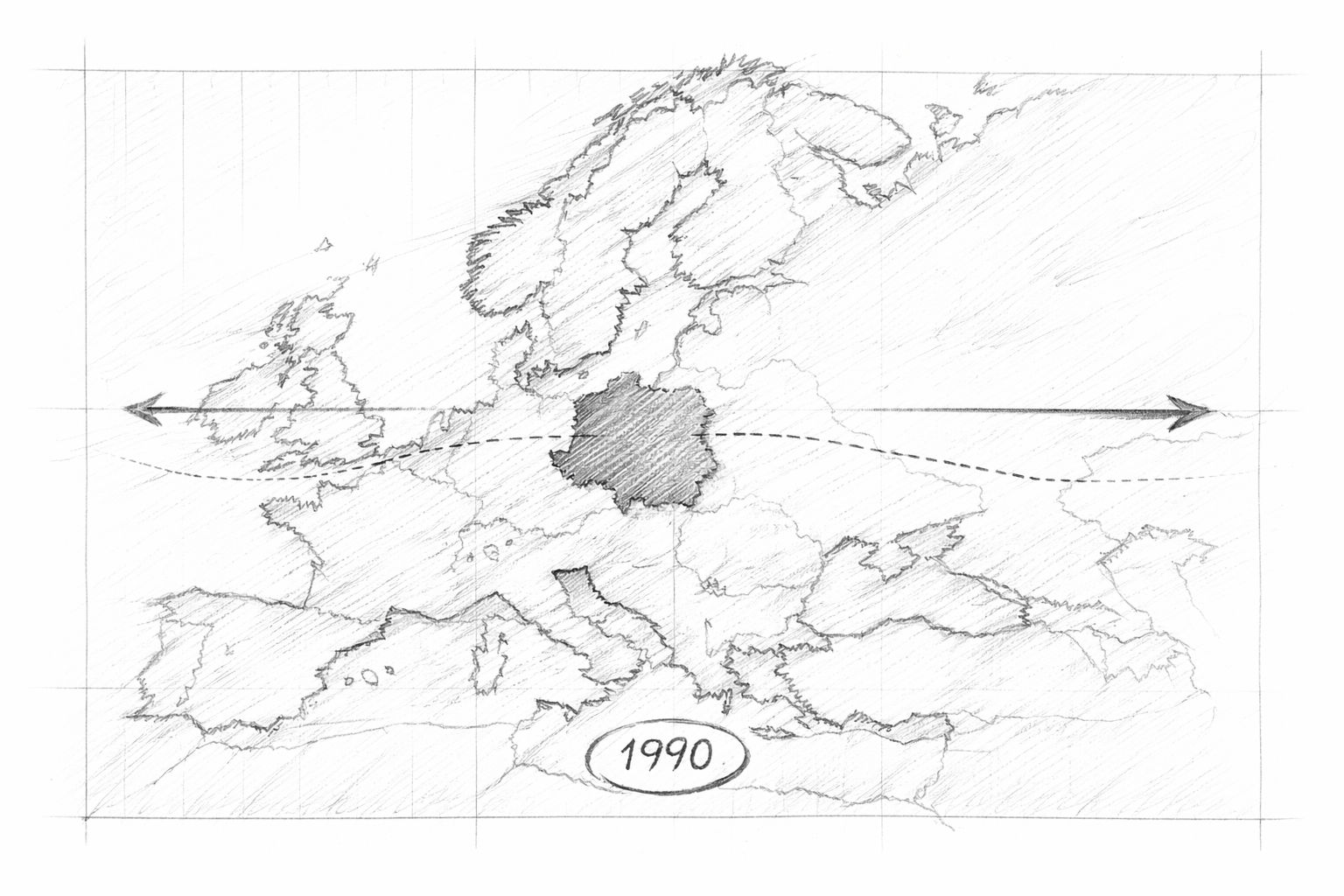
Understanding Taiwan: History, status issues and the risks of an interconnected world

Taiwan as a tipping point

Taiwan has been in the headlines for years - sometimes because of military maneuvers in the Taiwan Strait, sometimes because of diplomatic tensions, sometimes because of the question of how reliable international rules are in an emergency. In recent days, this impression has become even more acute for many observers: the US operation in Venezuela, in which Venezuela's President Nicolás Maduro was detained, is the subject of controversial international debate, not only politically but also in terms of international law.

Why this could be relevant for Taiwan is less a question of “Who's right?”, When major players interpret rules selectively or enforce them harshly, other powers ask themselves - soberly and guided by their own interests - where their own leeway begins and ends. And it is precisely at this point that Taiwan becomes more than a distant island issue.

Read more

Rule-based world order and international law: between claim, reality and breach of law

International law and rules-based world order

For years now, I have noticed how often politicians and the media talk about a „rules-based world order“ is being discussed. The current conflict between the USA and Venezuela has brought this topic back to the fore. In the past, this term hardly ever came up, but today it almost seems like a standard reflex: if something happens somewhere, it is quickly said that we have to „defend the rules“. At the same time, I have gained the impression that the same people who refer to these rules particularly often no longer feel consistently bound by them themselves when in doubt. It was precisely this contradiction that made me wonder.

What's more, the more often you hear such terms, the more vague they seem. „Rules-based“ sounds clear, but often remains vague. And „international law“ is often used as a moral seal of approval, although it is actually a legal framework - with conditions, limits and loopholes. I have therefore decided to take a closer look at this topic. Not as a lawyer, but as someone who wants to understand what this order once was at its core - and what its real strength lay in.

Read more