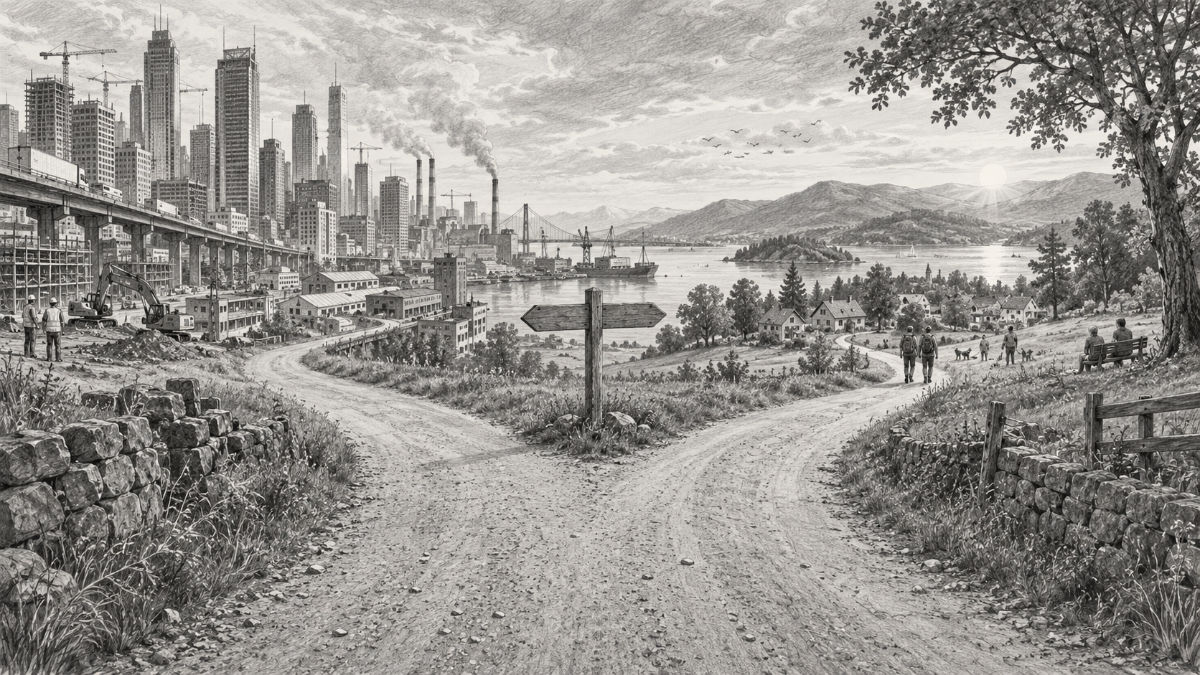
Economic Growth: A Recipe for Success or a Thing of the Past?

Is Economic Growth a Thing of the Past?

For decades, economic growth has been regarded as one of the most important indicators of a society’s prosperity and economic strength. When the gross domestic product grows, this is generally seen as good news: companies invest, jobs are created, incomes can rise, and the government gains additional financial leeway. Growth therefore symbolizes not only economic success but often the success of a government as well.

Hardly any other economic indicator is followed with such close attention. Even slight changes in growth forecasts can move stock markets, spark political debates, and determine whether a country ventures into new investments or considers austerity measures. Yet for several years now, the notion of economic growth that is as sustainable as possible has been increasingly called into question. After all, a rising gross domestic product merely indicates, at first glance, that more goods and services have been produced or provided within an economy. It does not directly reveal whether people are actually living happier, healthier, or safer lives as a result.

This raises a fundamental question: Is economic growth really still the central goal that societies and governments should be striving for? Or do we now need additional criteria to assess a country's success?
Read more

Wealth in the Ice – Why Greenland’s Resource Boom Remains Uncertain

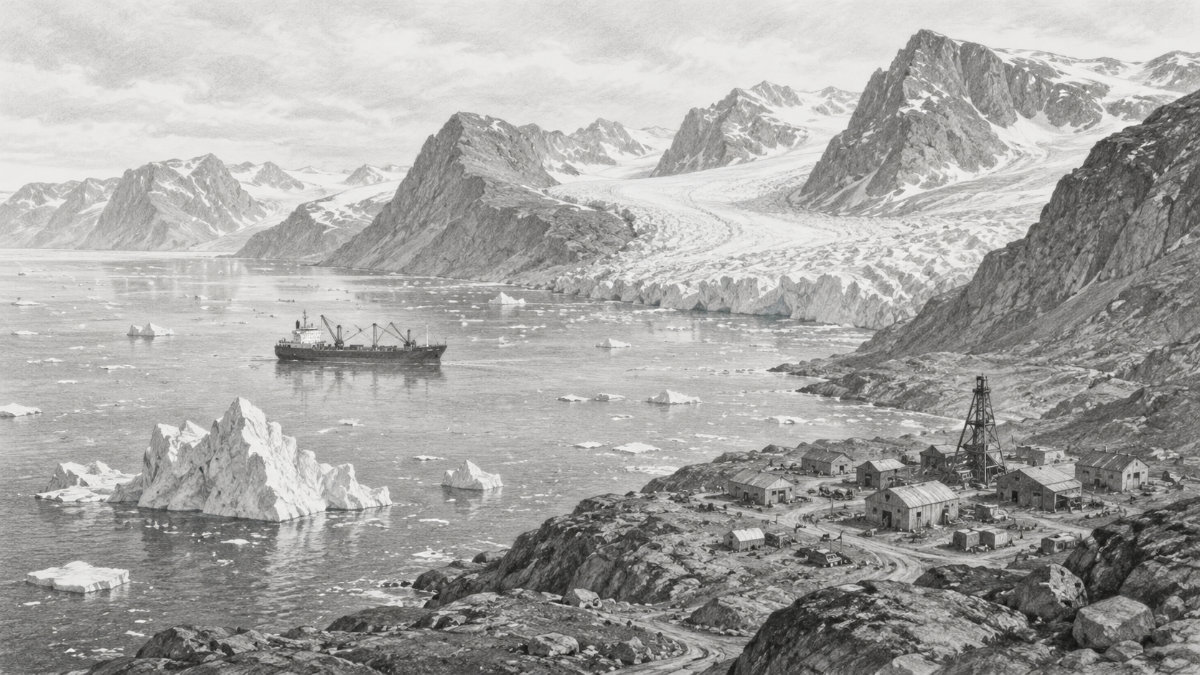
Natural Resources in Greenland

Beneath Greenland’s ice lies a promise that has captured the imagination of politicians, businesses, and investors for years: rare earth elements, critical minerals, oil, gas, and other natural resources that could become increasingly important in a world hungry for raw materials. The more climate change alters the Arctic regions, the more often Greenland is described as a future winner in this development.

But it’s not that simple. Between geological deposits and economically viable extraction lie political decisions, high costs, a lack of infrastructure, fluctuating commodity prices, and a population that is not necessarily willing to support every form of industrial development. Greenland is thus less of a surefire raw materials giant than an example of just how wide the gap between potential and reality can be.

Read more

How the pandemic taught economists a lesson about inflation, growth and economic recovery

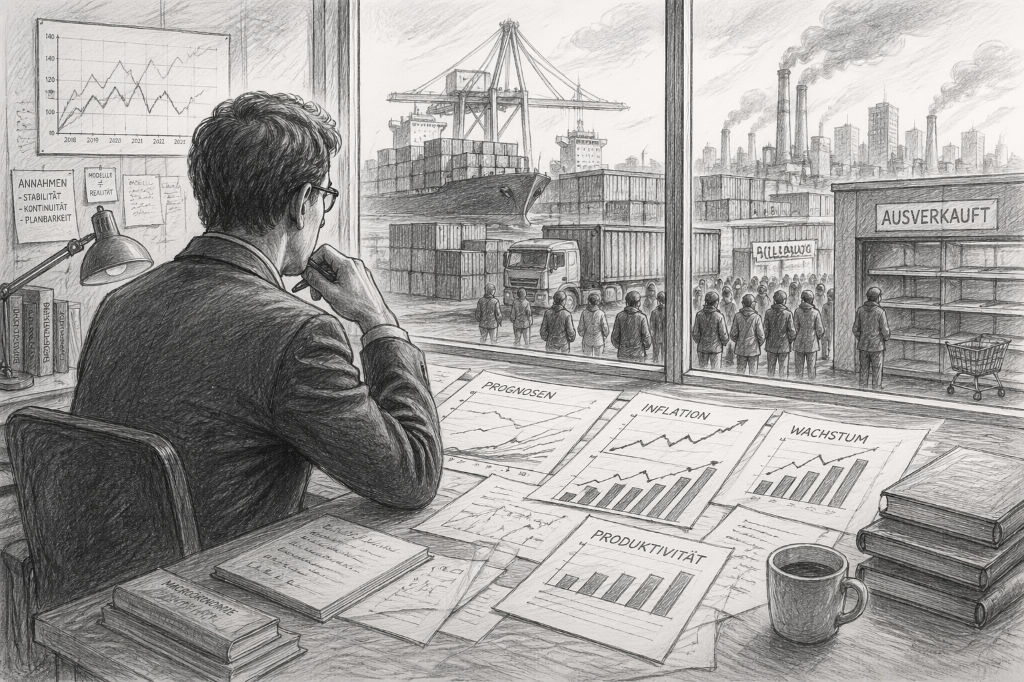
Economists' assumptions during the pandemic

Even during the coronavirus pandemic, many economists were surprisingly unanimous: the great danger was a phase of low inflation, perhaps even deflation. A few years later, the picture is different. Inflation reached historic highs in many countries, supply chains collapsed and economic developments turned out differently than expected.

The pandemic was not just a health crisis - it was also a stress test for economic forecasts. This article shows where experts were wrong, why this was the case and what lessons can be learned for future assessments.

Read more

↑