TMD and new dental crowns: How a minimal misalignment affects the body

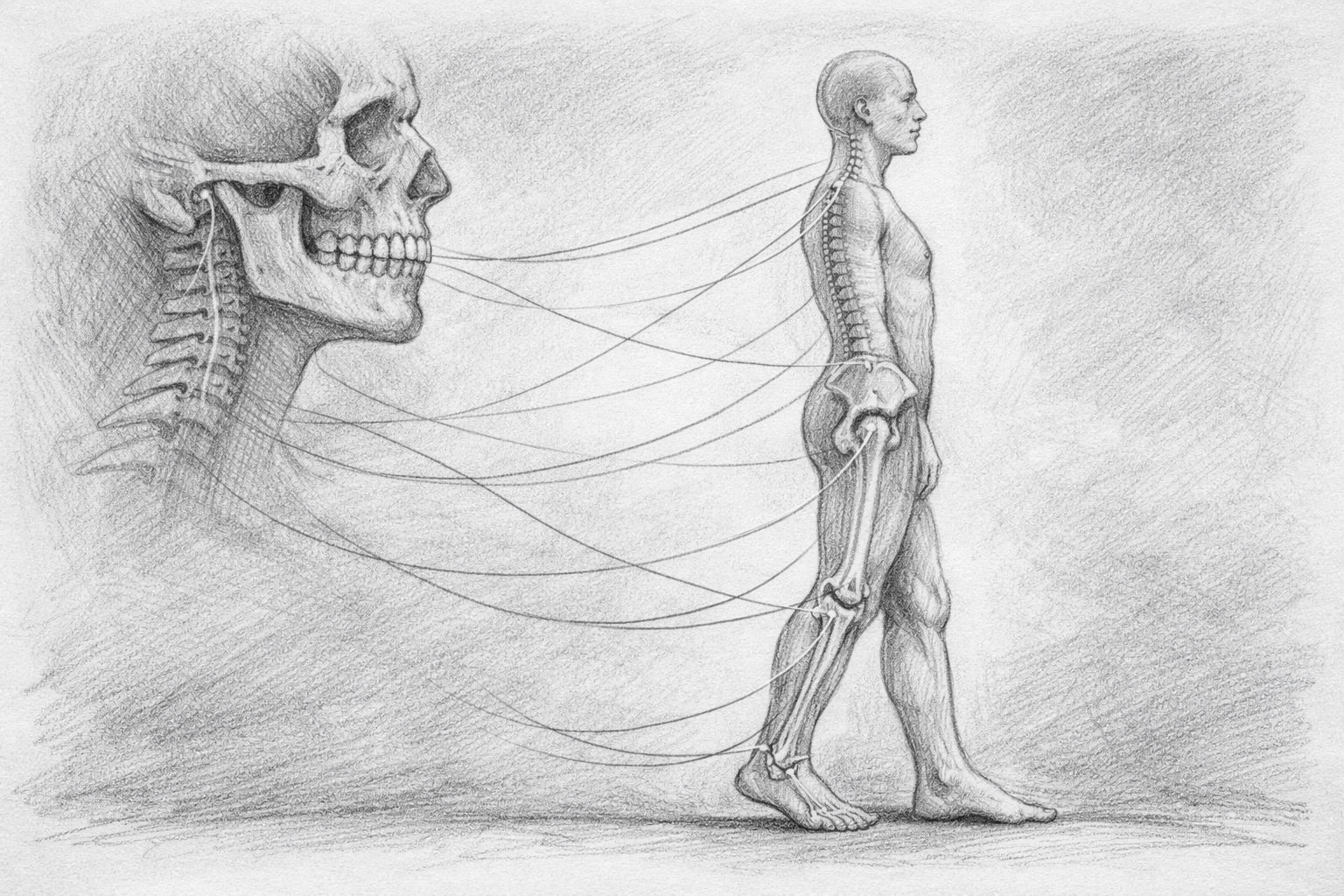
CMD and new dental crown

It started unspectacularly. No accident, no loud bang, no dramatic moment. An old crown on a lower molar simply crumbled. These things happen at some point. Materials age, stresses add up over the years. I didn't give it much thought at first. It wasn't an emergency, more of a technical problem - something you repair and then tick off.

The appointment with the dentist was appropriately routine. Examination, quick look, factual explanation. The old crown had to come off, underneath it was cleaned, prepared and built up. Nothing out of the ordinary. No long discussions, no complicated decisions. Unfortunately, it soon became apparent that the problem would become bigger and last longer than initially expected.

Read more

Cancel Culture in the West: Sport, universities, the military and EU sanctions analyzed

Cancel Culture in the West

When you hear the word „cancel culture“ today, you quickly think of universities, social networks or prominent individuals who come under pressure for making a thoughtless statement. Originally, the phenomenon was actually very much located in the cultural and academic sphere. It was about boycotts, protests and symbolic distancing. But something has shifted in recent years. The dynamic has grown, it has become more serious - and above all: it has become more political.

Today, we are not just observing individual debates about lectures or Twitter posts. We see athletes who are not allowed to compete. Artists whose programs are being cancelled. Professors coming under massive pressure. Military officers whose statements make international waves within hours. States that keep lists. Entry bans. Sanctions that affect not just institutions, but specific individuals.

This is more than a marginal cultural phenomenon. It has become a political mechanism.

Read more

Learning to think dialogically with AI: Why good questions are more important than good models

Learning to think dialogically with AI

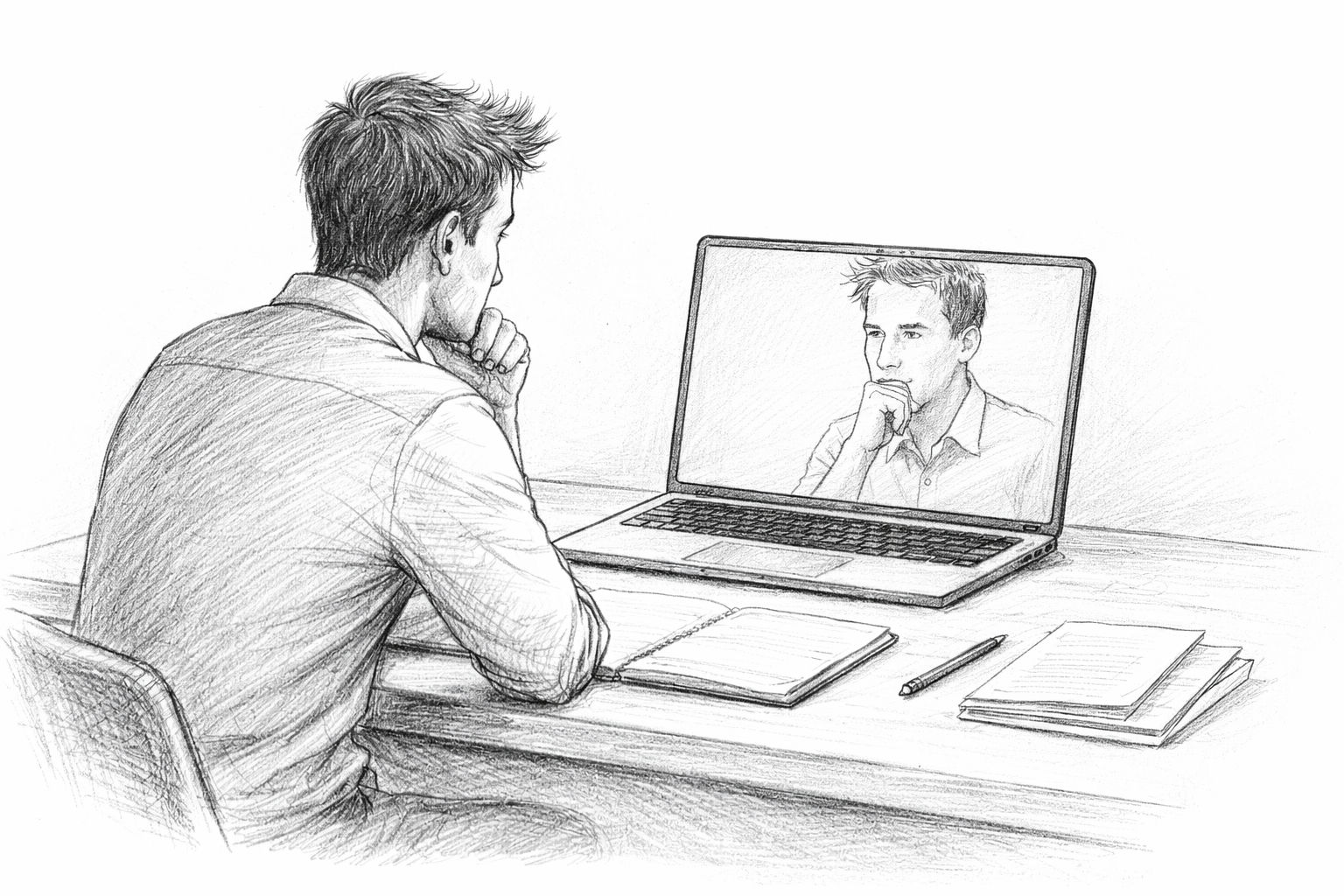
The term „AI as a sparring partner“ now appears frequently. It usually means that an AI helps with writing, generates ideas or completes tasks faster. A first basic article on this has already been published in the magazine. This article now aims to show in reality how AI can be used as an effective thinking partner. In practice, it is clear that AI only becomes really interesting when it is not treated as a tool, but as a counterpart. Not in the human sense, but as something that answers, contradicts, leads on - or even mercilessly reveals where your own thinking is flawed.

This is exactly where the real benefit begins. Not where the AI „delivers“, but where it reacts. Where it does not simply process, but makes thought processes visible. This is more inconvenient than a classic tool - but also more sustainable.

Read more

Energy, power and dependency: Europe's path from world export champion to consumer

Europe and energy

If you look around Germany today, you will notice one thing: The energy situation is different than it was twenty years ago. And fundamentally so. Two decades ago, Germany was considered the epitome of industrial stability. Reliable electricity supply, predictable gas prices, robust grid infrastructure. Energy was not an ongoing political issue, but a matter of course. It was there. It worked. It was affordable. It was - and this is crucial - plannable.

Today, however, energy has become a strategic uncertainty factor in Europe, especially in Germany. Prices fluctuate, industry is shifting investments, political debates revolve around subsidies, emergency reserves and dependencies. Energy is no longer just infrastructure - it is a power factor, a bargaining chip and a geopolitical lever.

In this article, we want to calmly trace this development. Not in an alarmist or conspiratorial way, but step by step. What has changed? What decisions have been made? Who benefits? And above all: how did a continent that was sovereign in terms of energy policy end up in a situation in which it hardly has any independent control over its most basic foundation - its energy supply?

Read more

How animals perceive time - and what this means for the future of AI

Animals, AI and time perception

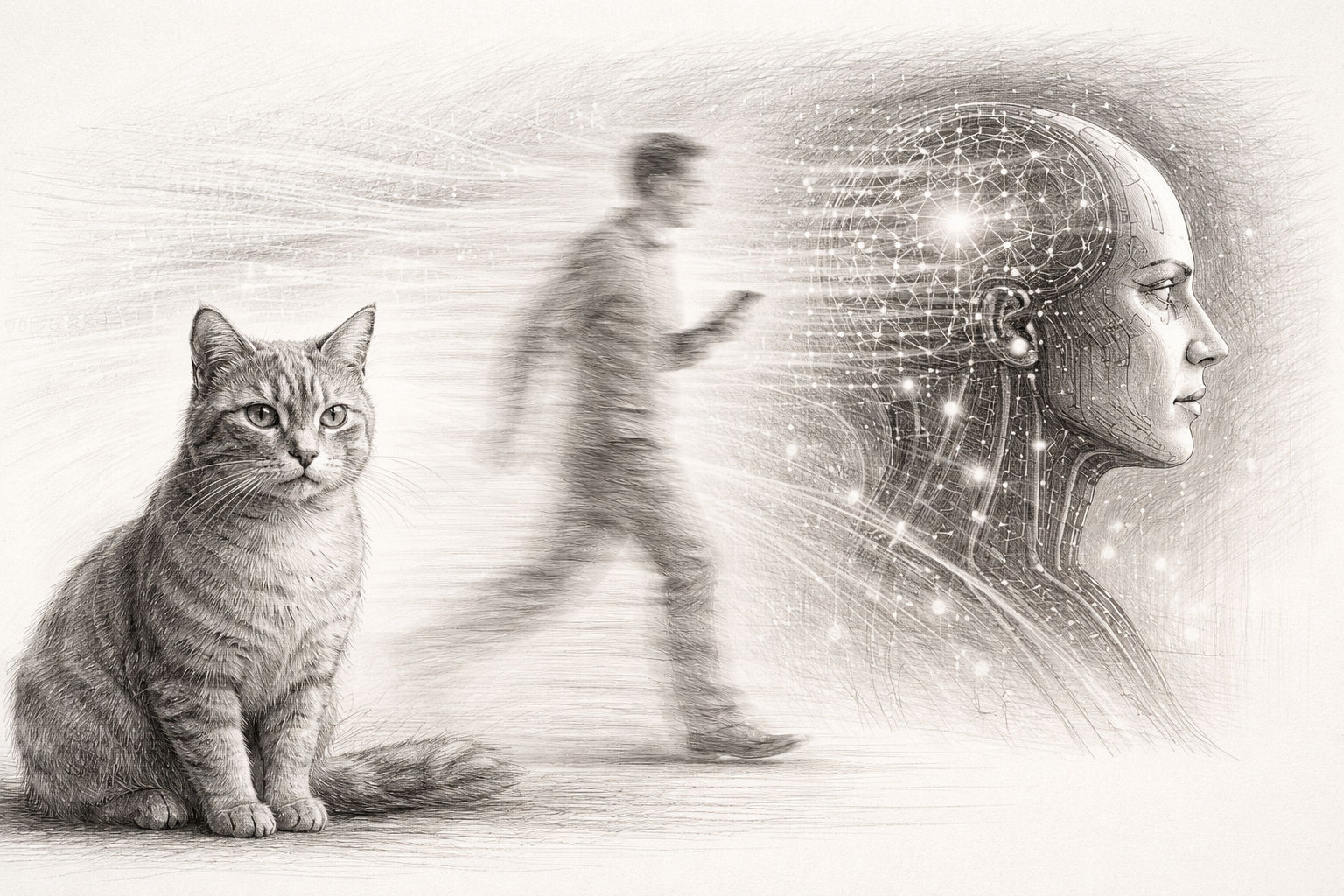
A cat is lying on the carpet. It does not move. It may blink briefly, turn an ear, sigh inwardly at the impositions of existence - and nothing else happens. The human looks at it and thinks: „Typical. Lazy cattle“. But what if the exact opposite is true? What if the cat is not too slow - but we are? This article was written after I watched a video by Gerd Ganteför on this topic and found it so interesting that I would like to present it here.

Humans have been observing animals for centuries and always come to the same wrong conclusions. We interpret their behavior with our speed, our perception, our inner clock. And this clock is, soberly considered, more of a cozy wall calendar than a high-speed processor. Perhaps the cat only seems so disinterested because its environment feels about as dynamic to it as a queue of officials on a Friday afternoon.

Read more

Russia, NATO and the fear of war: what can be proven - and what can't

NATO, Russia and the fear of war

This article is not the result of a current impulse, indignation or partisanship. Rather, it is the result of a long period of observation - and a growing sense of unease. I have been studying Russia not just since the war in Ukraine. My interest goes back further. I had already studied Russian as a foreign language at school, and at that time I studied the language, history and mentality in a very relaxed way. This early interest led me to follow developments there over the years without constantly changing my perspective.

This is precisely why I am shocked today by how crude, how simplistic and how self-assured many images of Russia and its alleged goals are placed in the public sphere - often without sources, without context, sometimes even without any internal logic. It becomes particularly irritating when such narratives not only appear on talk shows or in commentary columns, but are also adopted almost without reflection by journalists, politicians or other official voices. At some point, the question inevitably arises:

Is that actually true?

Read more

Helge Schneider: Attitude, humor and the freedom of not having to explain yourself

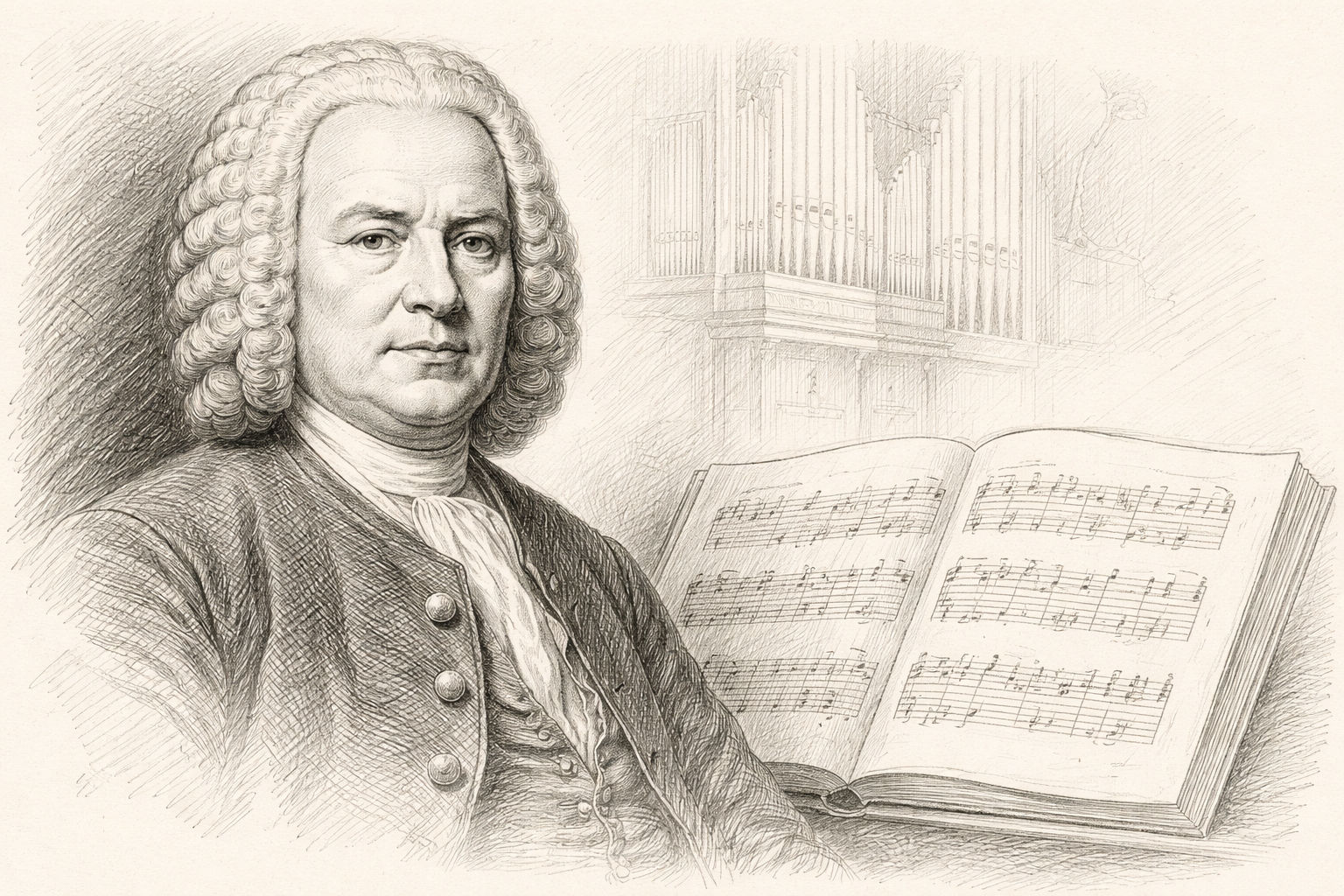
Helge Schneider Portrait

I noticed Helge Schneider very early on. Not because he was particularly loud or pushed himself to the fore - on the contrary. It was this peculiar mixture of intelligent absurdity, linguistic sideways thinking and musical matter-of-factness that stuck with me. Something about it seemed different right from the start. Unexcited. Unimpressed. And above all: not in need of explanation.

This portrait is therefore not a fan text. Nor is it an ironic wink or an attempt to pigeonhole Helge Schneider into a cultural category. Rather, it is an attempt to look at a personality who has consistently resisted any form of appropriation for decades - and who shows attitude precisely because of this.

Read more

The Two Plus Four Treaty, NATO and the Bundeswehr: What still applies today?

When security policy, the Bundeswehr and international obligations are discussed today, it is usually in the mode of the present: numbers, threat situations, alliance capabilities. Rarely, however, is it asked on what legal foundation all this actually stands. Yet there is a treaty that forms precisely this foundation - and yet is barely anchored in the public consciousness: the Two Plus Four Treaty.

Many people know it by name. Few know what exactly was regulated in it. Even fewer are concerned with the question of what significance these agreements still have today - more than three decades after German reunification, in a world that has changed fundamentally in political, military and social terms.

Read more