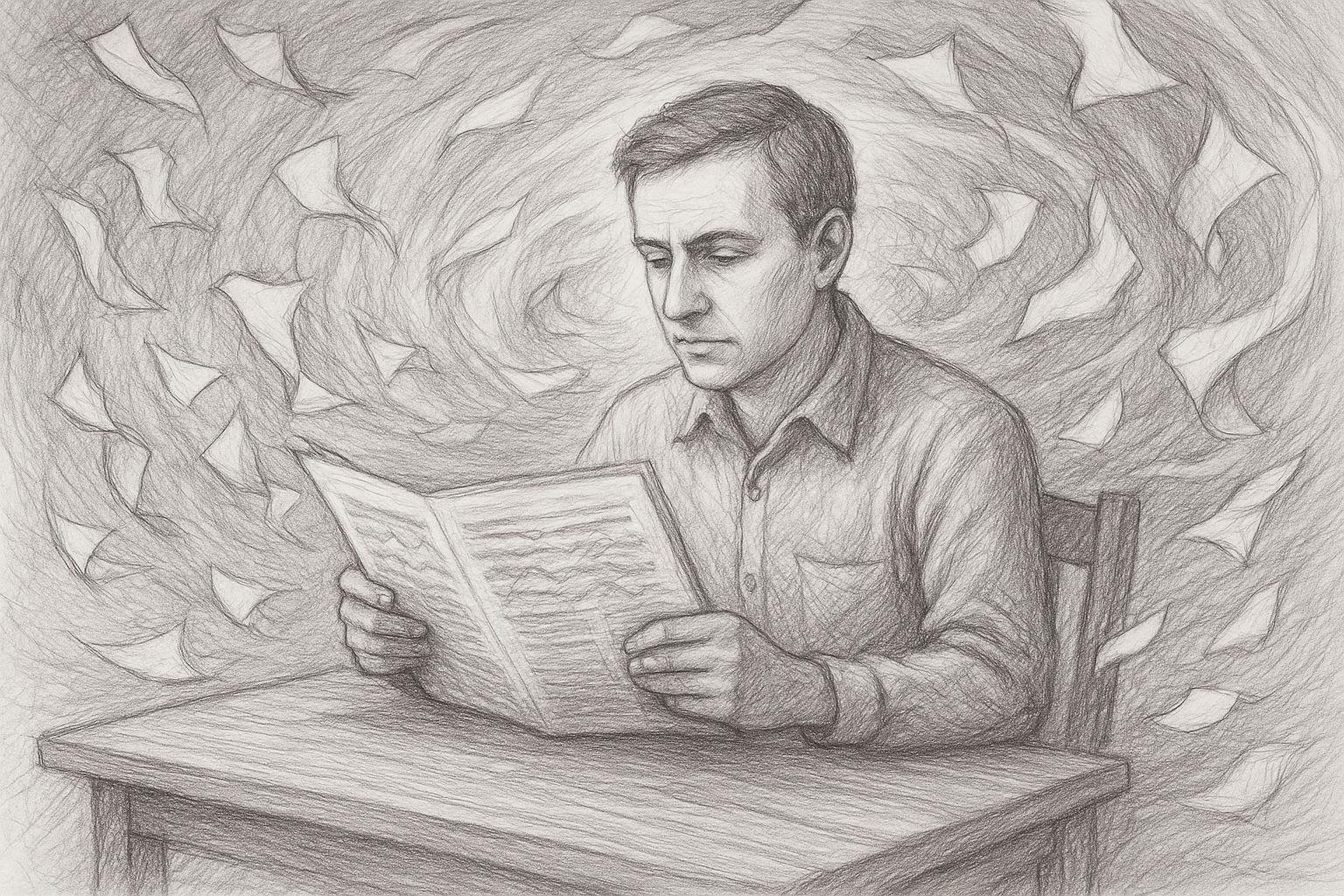
It's strange how certain developments creep up quietly and only reveal their full impact in retrospect. When I think about how I perceive the news today, I realize that my approach to it changed fundamentally more than twenty years ago. Since the turn of the millennium, I have hardly watched any traditional television news. It was never a conscious decision against something - more a gradual growing out of it. At some point, I simply realized that the daily bombardment of alternating doomsday scenarios was neither improving my life nor making my vision clearer.
Freedom of expression
Freedom of expression is one of the cornerstones of an open society. It does not mean that every statement has to be correct, clever or free of contradictions, but that thoughts, doubts and criticism can be expressed without fear of sanctions or social exclusion. Especially in complex times, freedom of opinion is not a luxury, but a prerequisite for social learning processes to take place at all. Where opinions are pre-sorted, morally evaluated or only accepted within narrow corridors, public discourse narrows - often insidiously, but effectively. Freedom of opinion does not develop its value in a comfortable consensus, but in the respectful treatment of uncomfortable positions. It requires composure, the ability to differentiate and the willingness to endure arguments, even if one does not share them.
Jan-Josef Liefers: A portrait of attitude, origins and artistic freedom
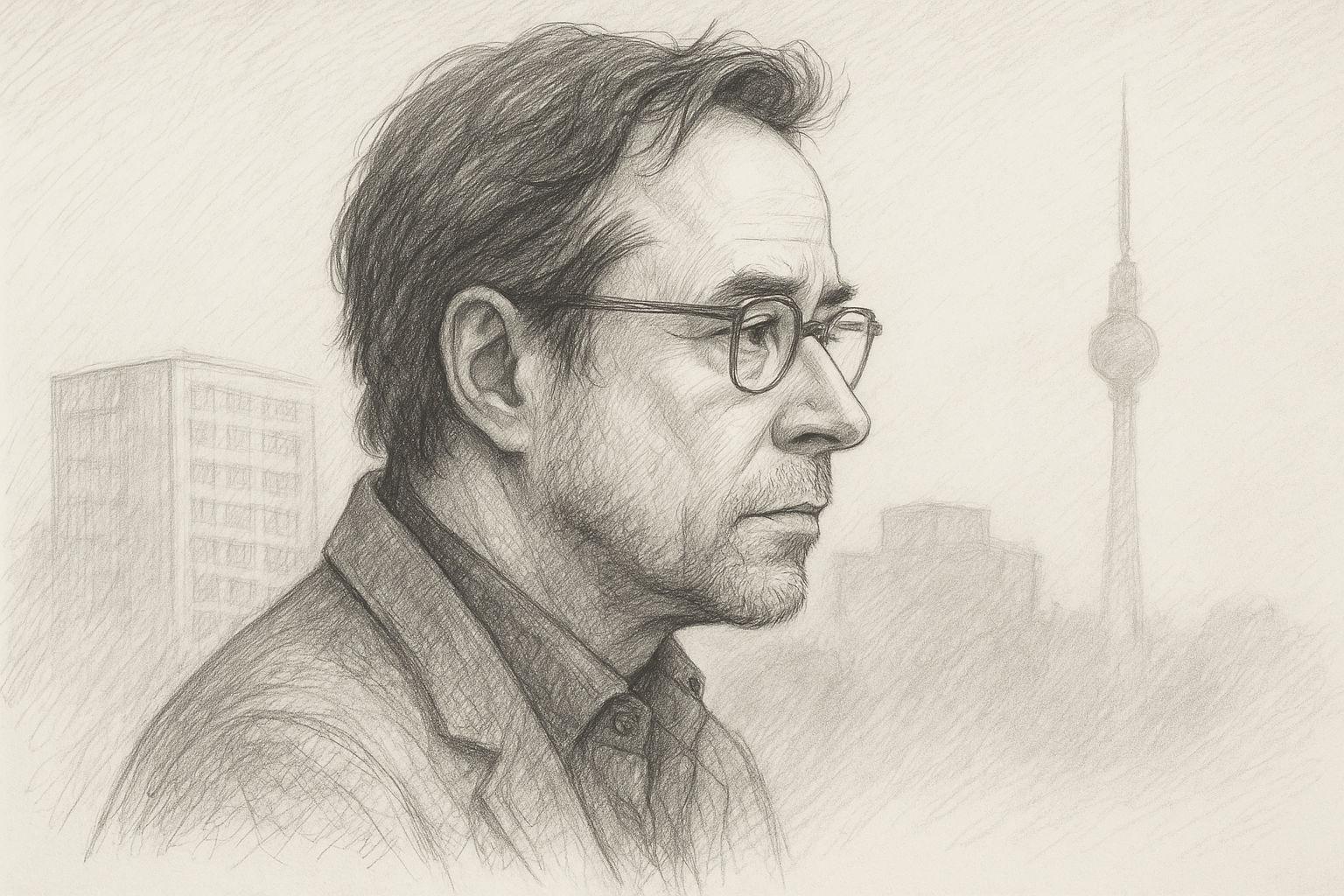
When you see Jan-Josef Liefers today as the eccentric Professor Boerne in „Tatort“, it's easy to forget how long it took to get there. I myself have always enjoyed seeing him in this role: as a mixture of subtlety, narcissism, humor and astonishing clarity. But this mixture doesn't come out of nowhere. It is the result of a life that began in a completely different Germany - in the GDR, in a country with narrow borders and clear guidelines.
To understand why Liefers takes such a consistent stance today, you have to go back to his childhood, to his parents' theater world and to a time when criticism of the system was anything but without consequences.
Why Dieter Bohlen speaks when others remain silent: A portrait of diligence and clarity

There are personalities that you only really understand when you detach yourself from their public image. Dieter Bohlen belongs exactly in this category. Musically, I myself am not a big fan of his shallow, often very simple melodies - and yet, to be fair, it has to be said that what he created was extremely precise, target group-oriented and clearly structured for the 1980s. Bohlen was never the great artist in the romantic sense. But he was an outstanding businessman, a hard worker and someone who understood his craft in a way that few do today.
What makes him interesting for me is not so much his music - but the fact that he remained successful for decades, while whole generations of artists came and went around him. That he attended the same commercial college in Oldenburg as I did. And that today - after many years of silence - he is suddenly taking a clear stance on social issues. That is the reason why it is worth looking at Dieter Bohlen as a person beyond the usual media image: not as a pop titan, not as a TV pundit, but as a craftsman, businessman and mirror of a time that understands itself less and less.
The new EU censorship laws: What Chatcontrol, DSA, EMFA and the AI Act mean

In an increasingly digitalized world, we spend a lot of time online: Chatting, shopping, working, informing ourselves. At the same time, the rules on how content is shared, moderated or controlled are changing. The Digital Services Act (DSA), the European Media Freedom Act (EMFA), the planned Regulation to Prevent and Combat Child Sexual Abuse (CSAR, often referred to as „chat control“) and the AI Act are key pieces of legislation proposed by the European Union (EU) to regulate the digital environment.
These regulations may seem far away at first glance - but they have an impact on you as a private individual as well as on small and medium-sized companies. This article will guide you step by step: from the question „What is planned here?“ to the background and timelines to the change of perspective: What does this mean for you in everyday life?
Dieter Bohlen in plain language: Why Germany is failing because of its own bureaucracy
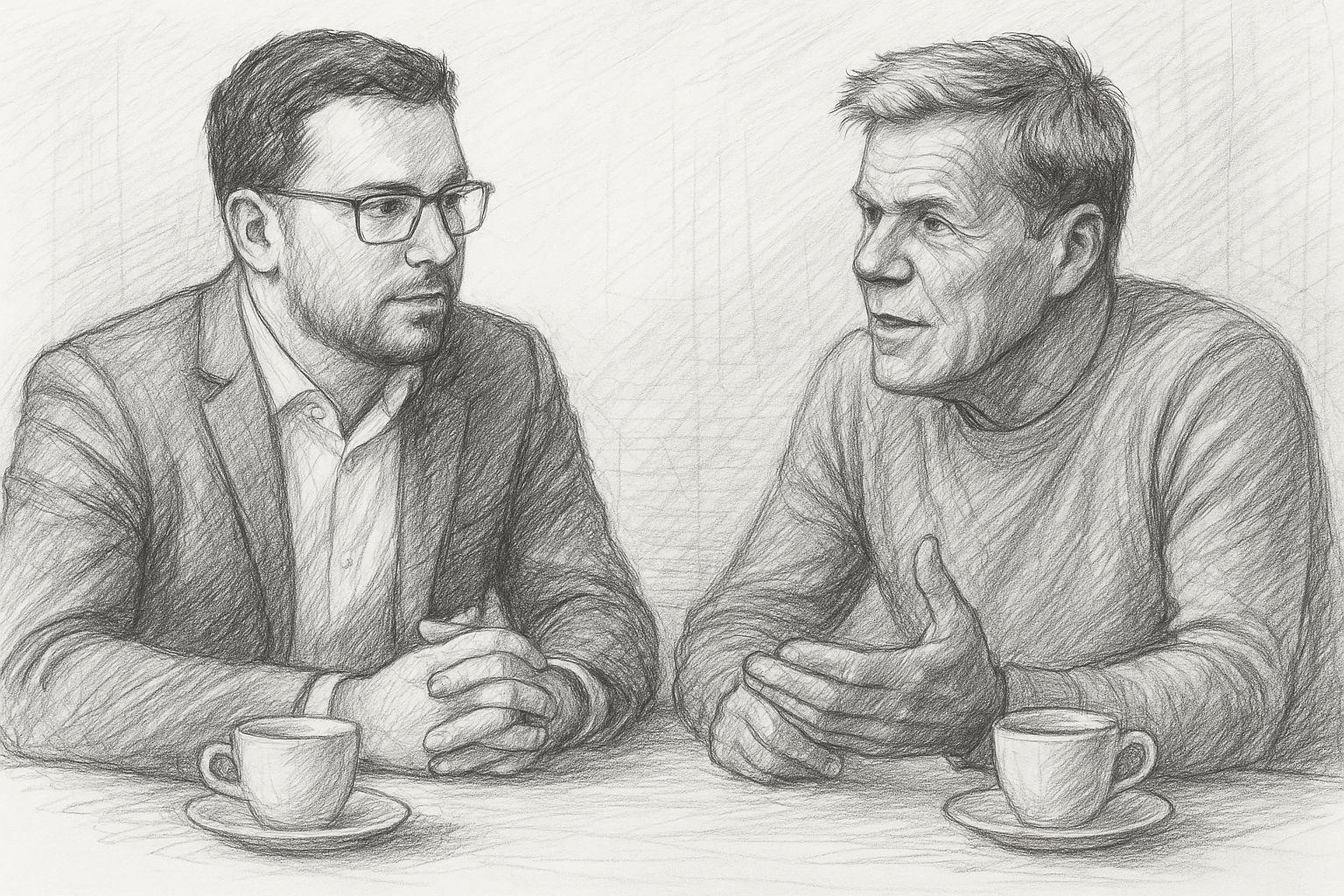
This article highlights a recent, remarkably candid conversation between Dieter Bohlen - the longtime music producer, entrepreneur and one of the most recognizable faces of German pop culture - and Dominik Kettner, a precious metals expert, YouTuber and financial entrepreneur who has been studying wealth protection and economic trends for years.
At first glance, the meeting of the two seems unusual: here the entertainer with decades of international experience, there the financial analyst who primarily addresses security-conscious savers and entrepreneurs. But it is precisely this mixture that makes the interview so exciting. Bohlen speaks freely, without a PR filter, while Kettner drills down and makes complex developments tangible. Together, they create a space in which undesirable political developments, economic risks and personal experiences are interwoven - clearly, directly and without excuses.
Your opinion counts - New surveys on current topics
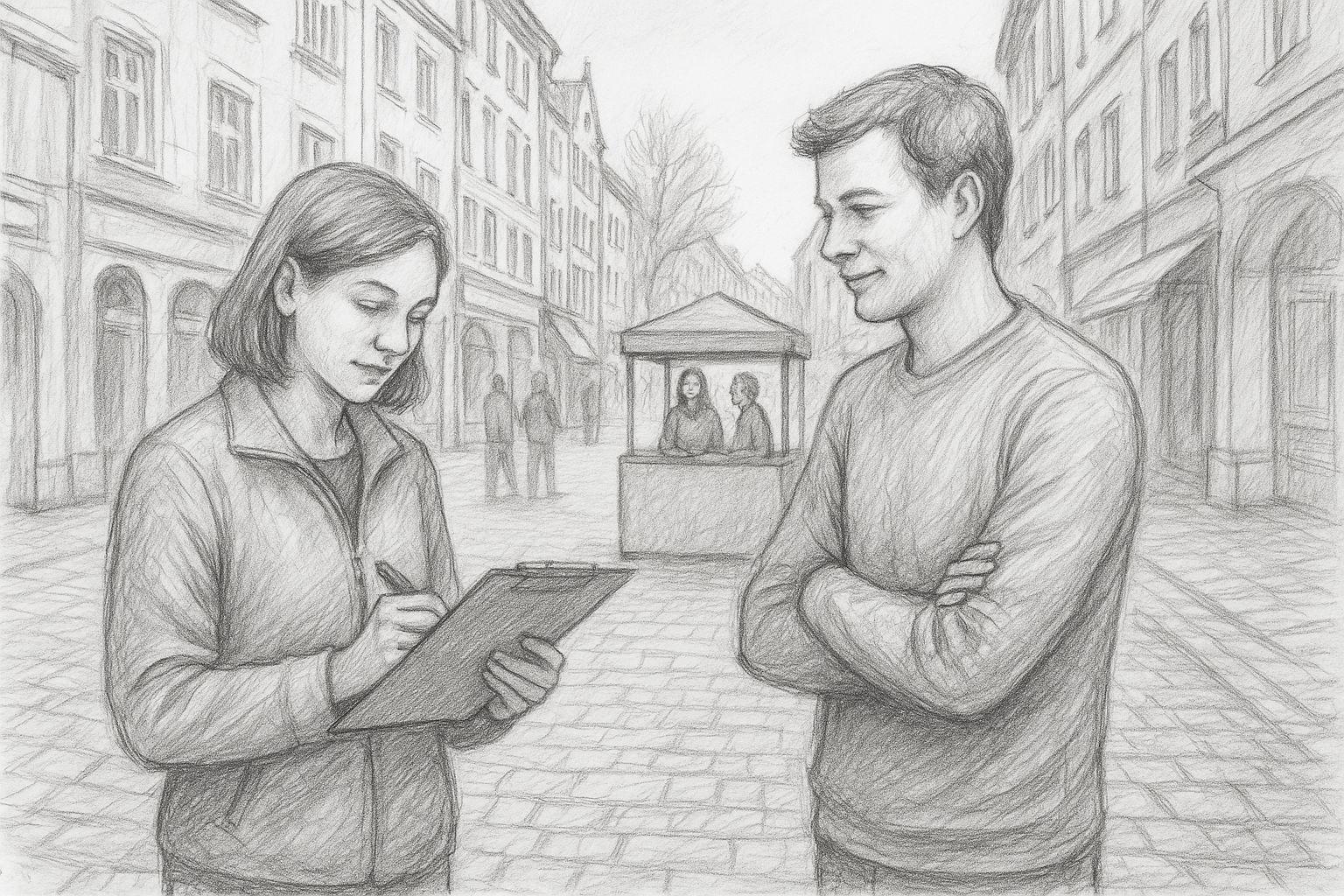
A magazine thrives on exchange - now also interactively. Anyone who knows me knows that I don't write to preach - but to initiate thought processes. The articles on my website have never been a one-way street, but an invitation to reflect. But what has been missing so far is the opportunity for readers to take a very concrete stand - anonymously, honestly, directly. This is exactly what is changing now.
You can now find interactive polls on my website that are integrated directly into articles on specific topics - and also appear in rotation in the sidebar. This is a step that was long overdue: because in a world in which more and more opinions are being imposed from above, every freely expressed opinion from below is a piece of digital sovereignty.