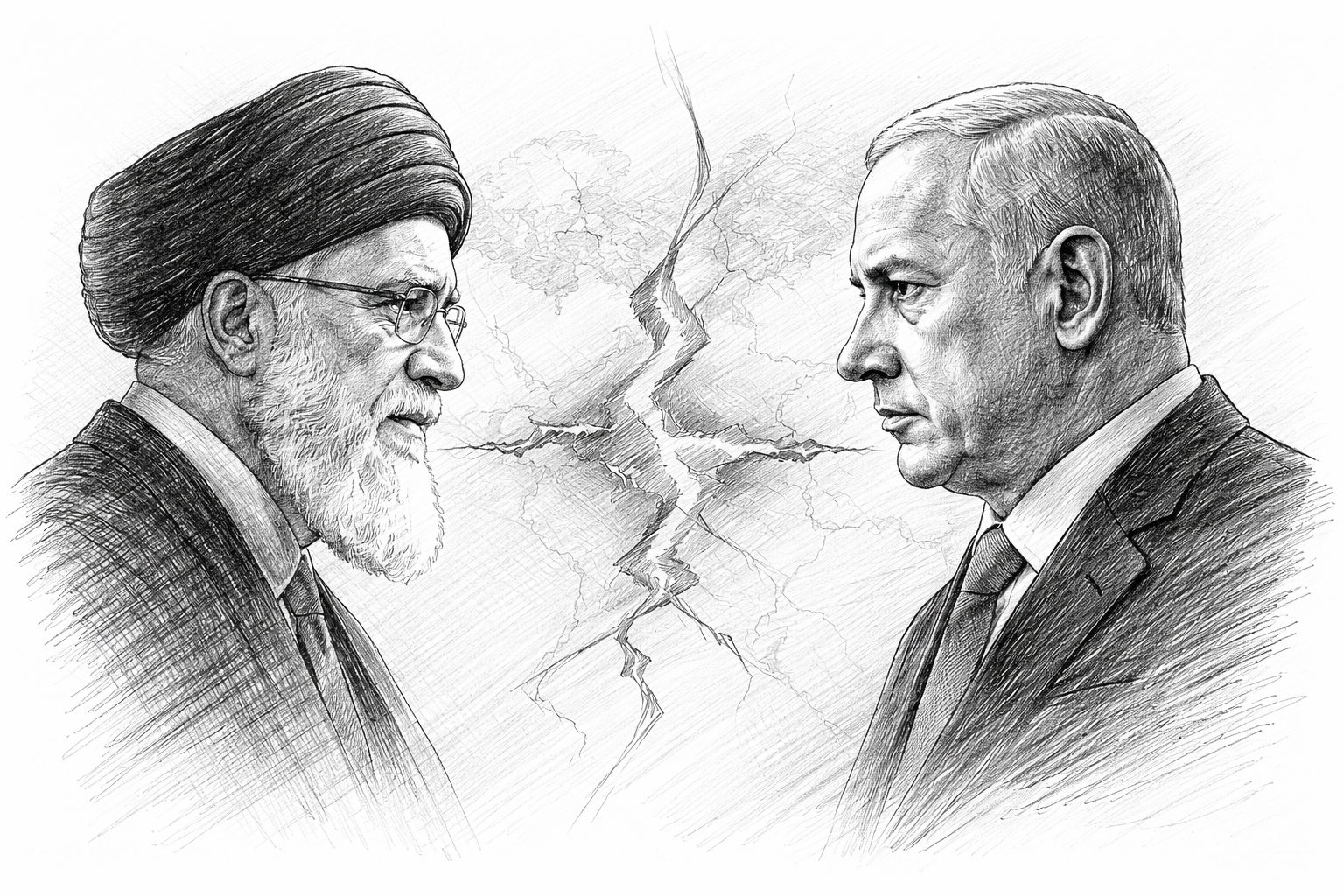
There are moments in the story when you sense that something is shifting. Not abruptly, not with a single decision, but like a line that slowly but inexorably runs through the dust of old certainties. The past few days have been such moments. I wondered for a long time whether I should really write this editorial - after all, I have already dealt with Iran in detail once before and made it clear that you can only understand this country and its power structures if you look at the decades-old lines. But it is precisely these lines that have now become visible again, more clearly than ever.
What makes me sit up and take notice is not just the hard facts: the nightly strikes, the overloading of Israeli missile defenses, the rhetoric of political leaders, the increasing shift of power in the background. It is the underlying pattern - the sense that here is a conflict entering a phase that will be a nightmare for any strategist. And that is precisely why I am writing this article: because many see the surface, but hardly anyone understands what is brewing underneath.