Friday, 23. October 2026

What was Syria like before the war? Who rules today? What does this mean for refugees in Germany?

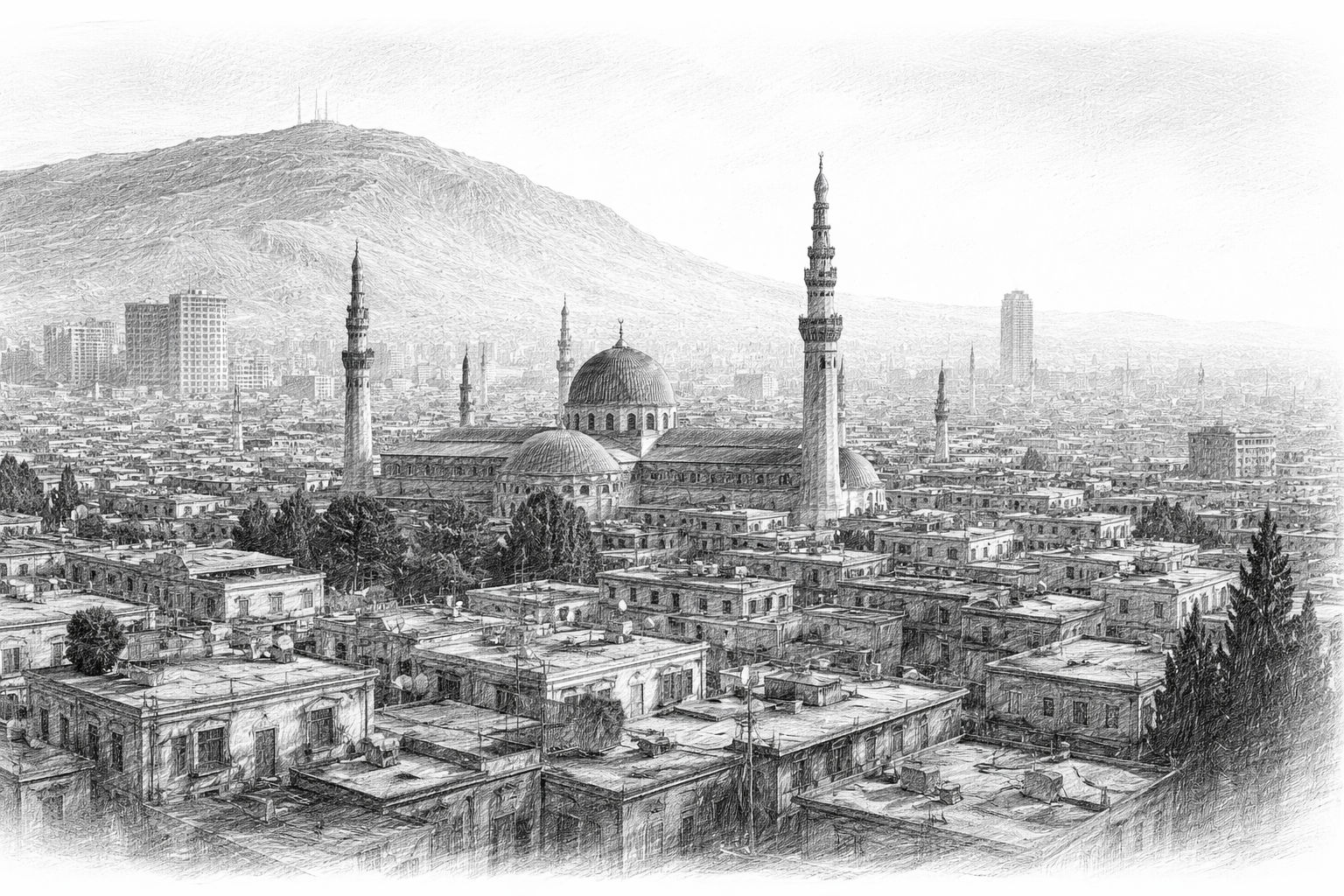
Syria and Damascus

For me, Syria is not an abstract news country, not just a crisis concept in the headlines. I have been following this country - from a distance, but continuously - for around twenty years. Not out of political activism, but out of genuine interest. For me, Syria has always been an example of how the world is more complicated than simple good-and-evil narratives. A country in the Middle East that was secularly organized, relatively stable and socially much more modern than many would have expected.

An additional point that aroused my interest early on was the person of Bashar al-Assad himself. A man who had studied in Switzerland, trained as an ophthalmologist, knew the realities of life in the West - and then stood at the head of a Middle Eastern state. That didn't fit the usual mold. It was all the more irritating for me to observe how quickly public perception narrowed, how a complex state became a pure symbol of violence, flight and moral simplification within just a few years. The shock for me was not so much that Syria ended up in a war - history knows many such ruptures - but how little room there was left for differentiation afterwards. This article is therefore also an attempt to bring order back to a topic that is often only presented as chaos in the media.

Read more

Declining gas storage in Germany: technology, limits and political consequences

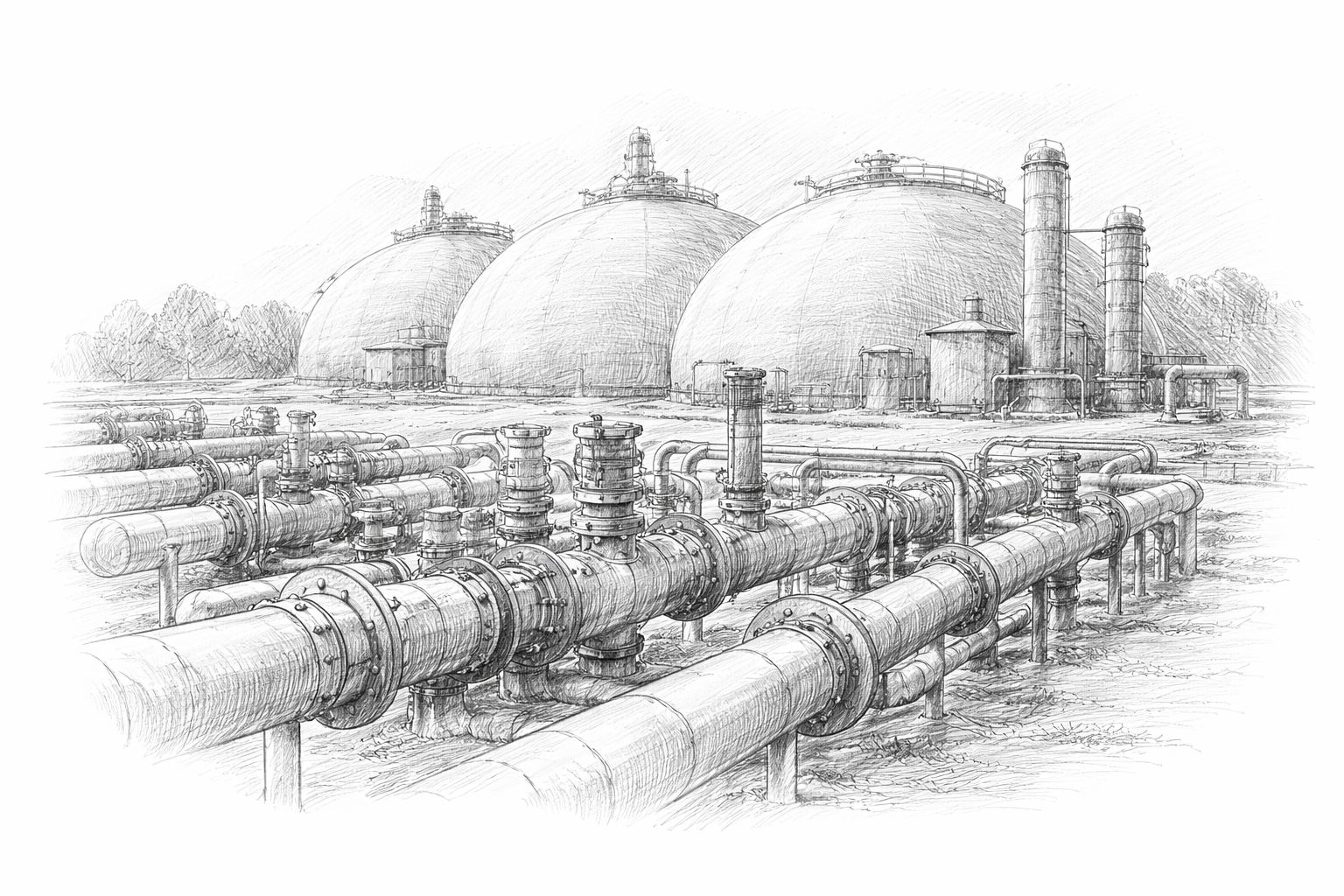
Gas storage in Germany

When the news reports about „40 percent filling level of the gas storage facilities“ When we talk about percentages, it sounds abstract at first. Percentages seem technical, far removed from everyday life. And yet there is something very concrete behind it: the question of how stable our energy supply really is - not in theory, but in everyday practice.

Gas is not only used for industrial plants or power stations in Germany. It heats homes, supplies hot water, drives district heating networks and is still the central backbone of the energy supply in many regions. Unlike electricity, however, gas cannot be produced at will „at the push of a button“. It has to be extracted, transported - and above all stored.

This is where the gas storage facilities come into play. They are like the country's store cupboard. As long as it is well filled, hardly anyone gives it a second thought. If it becomes visibly empty, questions arise: Will it last? For how long? And what happens if things continue to go downhill?

Read more

More than punk: Nina Hagen, Cosma Shiva and the art of not letting yourself be taken in

Portrait of Nina and Cosma Shiva Hagen

When you approach a portrait of Nina Hagen, it's tempting to talk about music first. About punk, provocation, shrill performances. About everything that is loud and visible. This portrait deliberately begins differently. Not with songs, not with styles, not with images. But with something quieter - and more important: attitude.

Attitude is not a label. It cannot be put on like a costume, pasted on afterwards or explained with marketing. Attitude is evident in early behavior, long before someone becomes famous. It can be seen in how someone reacts to limitations, to contradictions, to power. And that's where Nina Hagen becomes interesting - not as an icon, but as a personality.

Read more

Nord Stream demolition: sabotage, power politics and the uncomfortable unanswered questions

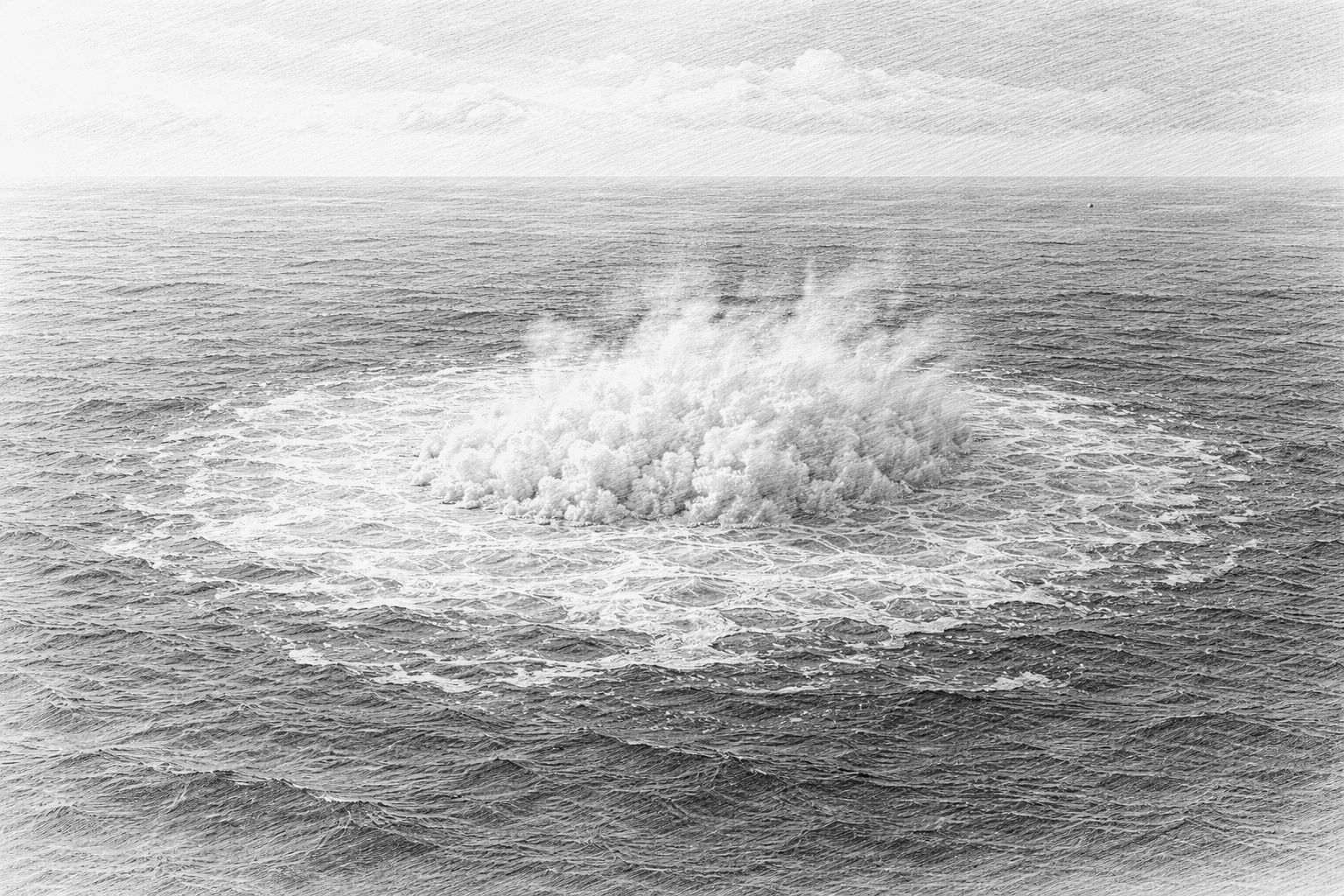
Nord Stream blasting

When people talk about energy, many think first of electricity - of light, of sockets, of power stations. In reality, however, Europe's everyday life depends on a quieter foundation: heat and process energy. Over the decades, natural gas has become a kind of invisible backbone. Not because it is particularly „beautiful“, but because it is practical: it is easy to transport, relatively flexible to use and can be reliably supplied in large quantities. For private households, this means heating and hot water. For industry, it means one thing above all: predictable production.

Particularly in industries such as chemicals, glass, steel, paper, ceramics or fertilizers, energy is not simply a cost factor that is „optimized“. Energy is an integral part of the process. If it fails or becomes unreliable, it is not just one machine that comes to a standstill - often an entire plant, sometimes an entire supply chain. This is the point at which „energy policy“ ceases to be an abstract controversial issue and begins to have a very concrete impact on jobs, prices, availability and stability. Anyone who understands this also understands why Nord Stream was far more than just an infrastructure project on the seabed for Europe.

Read more

Vicco von Bülow alias Loriot - order, form and the quiet resistance of humor

There are artists who put their opinions on paper like a stamp: visible, unmistakable, sometimes even a little cheap. And then there is Vicco von Bülow - Loriot - who embodies the opposite: Poise without bluster. He could be very clear when he wanted to be. But he didn't do it with a pointing finger, but with a precision that first leads to laughter and then - almost imperceptibly - delivers the seriousness. This is particularly evident in later interviews: he does not speak in slogans, but in nuances. There is often more plain language between the lines than can be found in many a loud speech.

And perhaps this is where the real portrait begins: not with the famous sketches, not with the quotes that everyone knows, but with the question of how a person becomes so that they can look at the world with both kindness and relentless precision.

Read more

Understanding high energy prices in Germany: Gas, electricity and gasoline explained simply

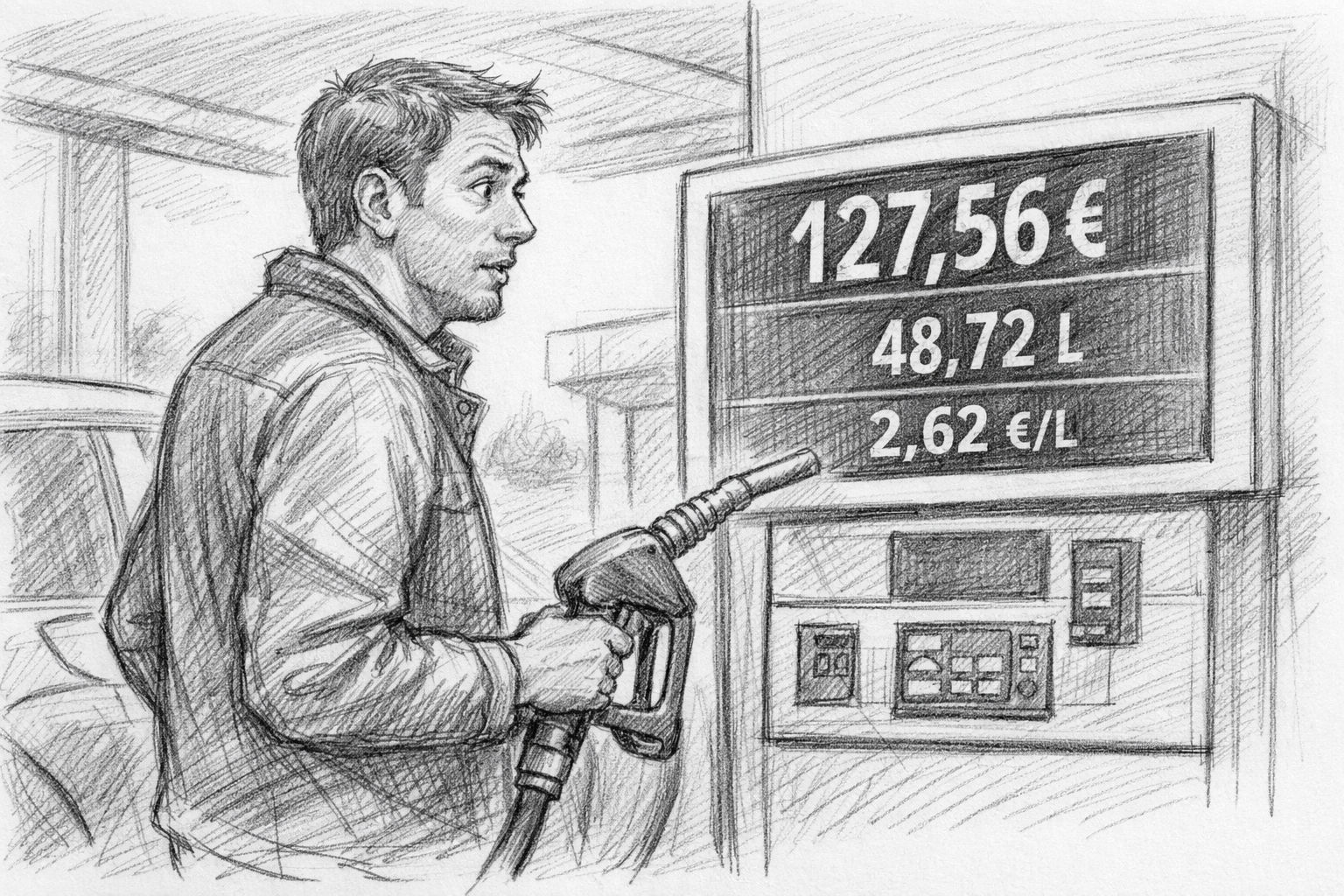
Energy prices in Germany

I am comparatively unaffected by high energy prices in my everyday life. I mainly work with Apple computers that have been optimized for efficiency for years and move around the city almost exclusively electrically. Soberly speaking, that doesn't cost the earth. And yet I can't shake off one thought: all around us, companies are coming under pressure, production facilities are closing or relocating. The same phrase keeps cropping up in conversations, reports and side notes:

Energy prices are too high.

If you take a closer look, a strange contradiction emerges. For many private individuals, energy has become noticeably more expensive, but is still manageable. For companies, on the other hand, it seems to be increasingly threatening their existence. This inevitably raises the question: What is the actual reason for this? And why is it so difficult to get a clear, understandable answer?

Read more

Jeffrey Sachs warns Germany: Why Europe's security needs to be rethought

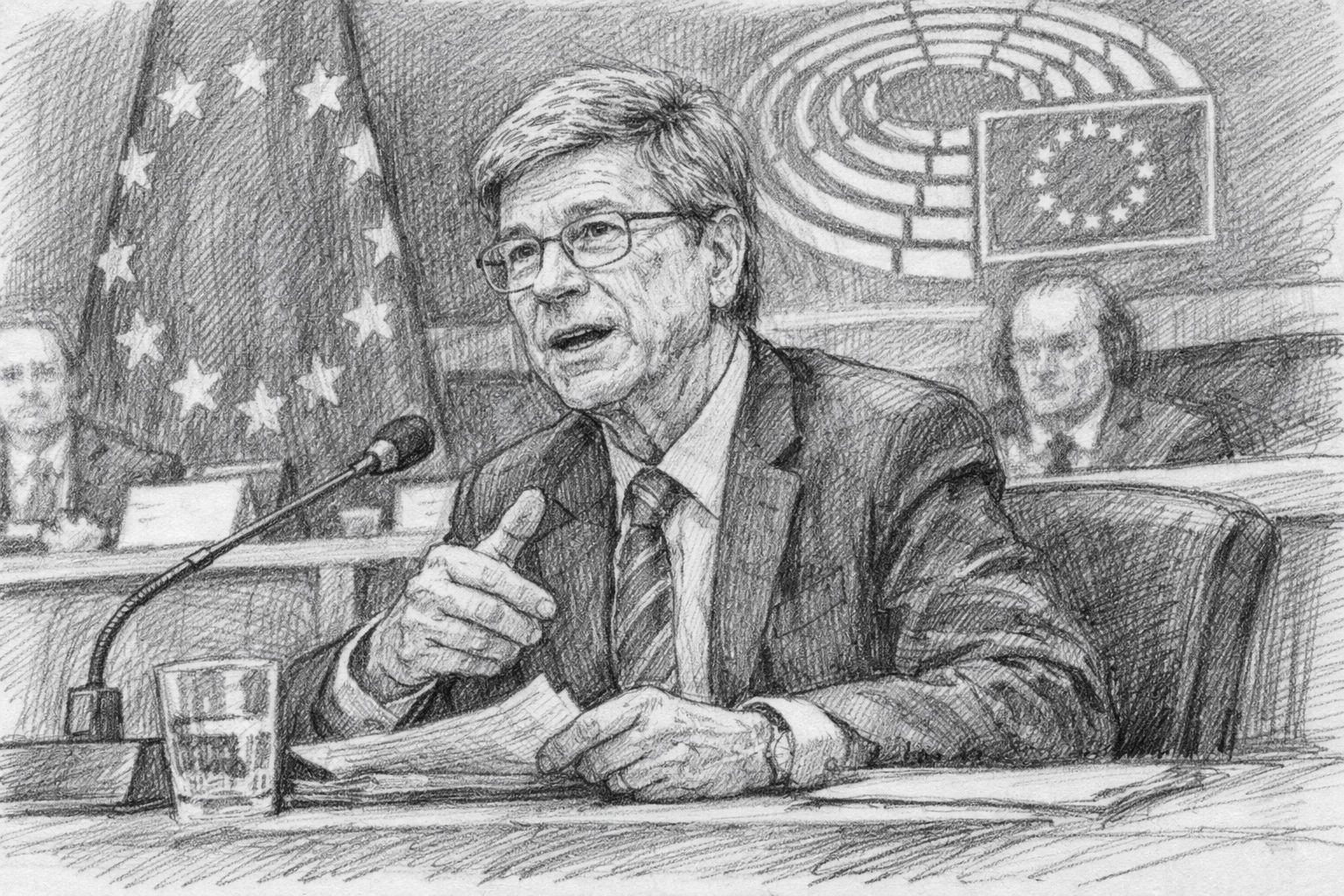
Jeffrey Sachs writes open letter to Chancellor Merz

In his open letter to German Chancellor Friedrich Merz, published in the Berliner Zeitung on December 17, 2025, the well-known economist and professor Jeffrey D. Sachs speaks out with a clarity that has become rare in the current European debate. Sachs speaks not as an activist, not as a partisan and not as a commentator from a distance, but as an economist and political advisor who has worked for decades at the central interfaces of international crises, security architectures and economic upheavals. The open letter contains an unusually sharp quote:

„Learn history, Mr. Chancellor.“

The letter is less a political intervention of the day and more a document arguing from a historical perspective. In it, Sachs does not call for quick solutions, but for a return to a way of thinking that has long been taken for granted in Europe: security as a reciprocal relationship, diplomacy as an instrument of stabilization and historical honesty as a prerequisite for trust. The fact that he addresses the German Chancellor directly underlines the special role that Germany plays in Europe in his view - not as a military pioneer, but as an organizing, balancing force.

Read more

Ulrike Guérot: A European between idea, university and public discourse

Ulrike Guérot and Europe

There are people whose thoughts you like to follow not because you agree with them on everything, but because they make an effort to penetrate things. For me, Ulrike Guérot is one of these voices. I have been watching her lectures for a few years now - not regularly, not ritualized, but when I come across a topic that I feel is worth listening to more closely. What strikes me is that her arguments are calm, structured and largely non-ideological.

This does not make her lectures spectacular in the media sense, but they are sustainable. You can listen to her for a long time without getting the feeling that she is trying to sell a ready-made world view. Especially at a time when political debates are often morally charged or emotionally truncated, this way of speaking seems almost old-fashioned. In the best sense of the word.

Read more