The Crimean Tatars - history, origins and present of a forgotten people

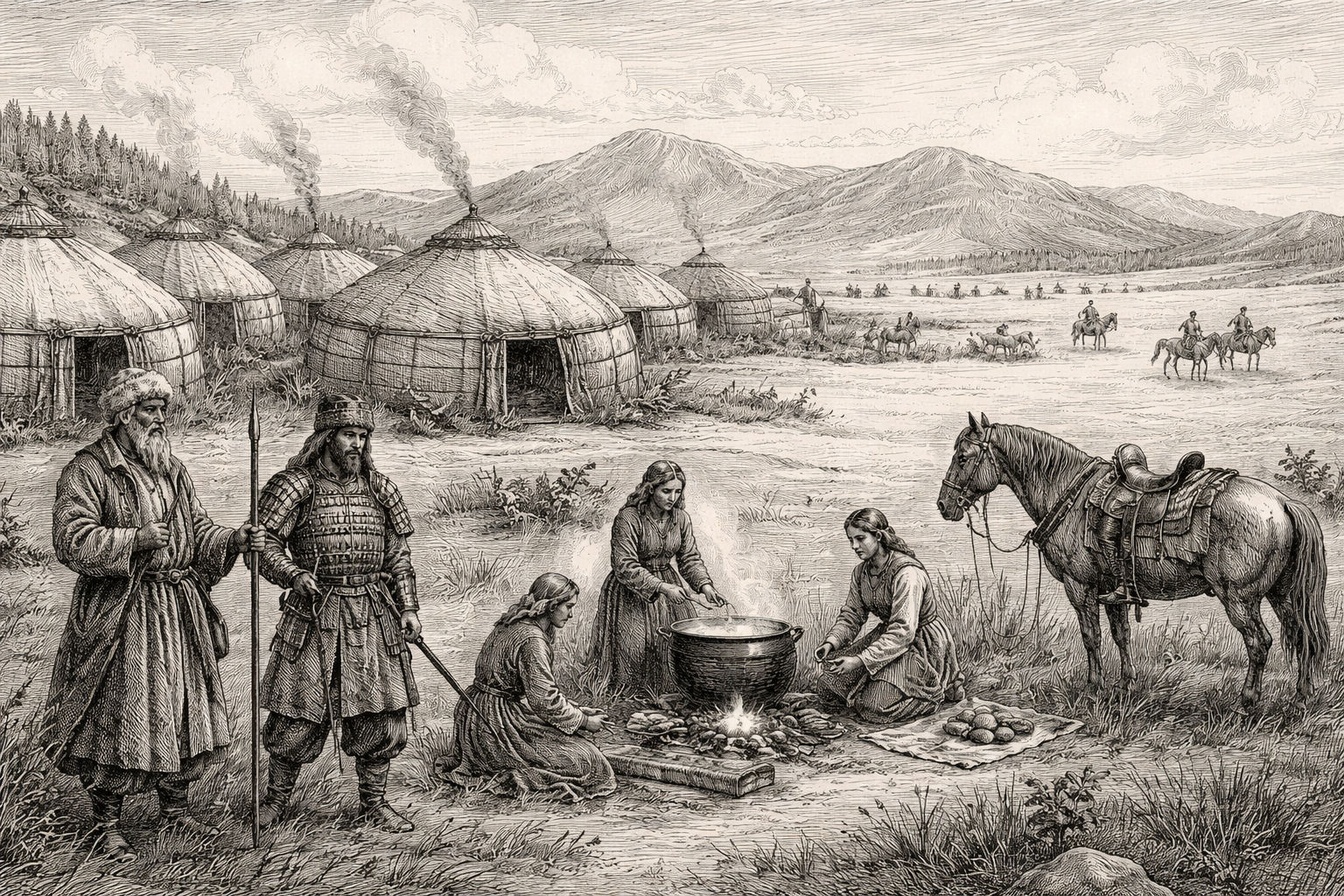
Crimean-Tartar steppe

Crimea has been in the headlines again and again for years. In this context, the name of the Crimean Tatars is often mentioned - usually briefly, often without explanation. However, if you want to understand who the Crimean Tatars are, you have to go much further back than the political conflicts of the present.

It is not about a single event or a clear „hour of birth“, but about a long historical process. This chapter attempts to explain this in detail: where this people comes from, how it was formed and why its identity cannot be pinned down to national borders.
Read more

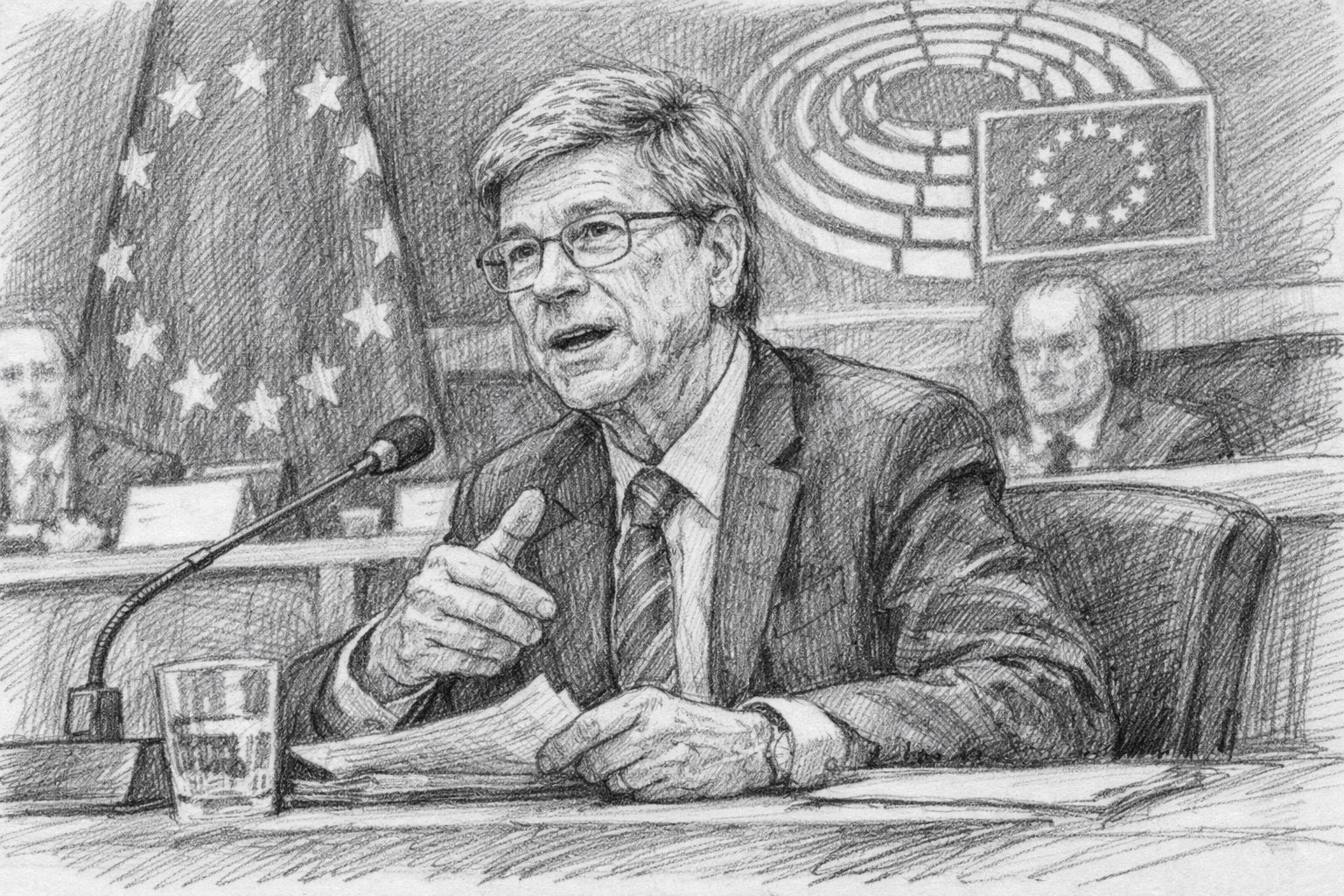
Jeffrey Sachs warns Germany: Why Europe's security needs to be rethought

Jeffrey Sachs writes open letter to Chancellor Merz

In his open letter to German Chancellor Friedrich Merz, published in the Berliner Zeitung on December 17, 2025, the well-known economist and professor Jeffrey D. Sachs speaks out with a clarity that has become rare in the current European debate. Sachs speaks not as an activist, not as a partisan and not as a commentator from a distance, but as an economist and political advisor who has worked for decades at the central interfaces of international crises, security architectures and economic upheavals. The open letter contains an unusually sharp quote:

„Learn history, Mr. Chancellor.“

Read more

Ulrike Guérot: A European between idea, university and public discourse

Ulrike Guérot and Europe

There are people whose thoughts you like to follow not because you agree with them on everything, but because they make an effort to penetrate things. For me, Ulrike Guérot is one of these voices. I have been watching her lectures for several years now - not regularly, not ritualized, but when I come across a topic that I feel is worth listening to more closely. What strikes me is that her arguments are calm, structured and largely non-ideological.

This does not make her lectures spectacular in the media sense, but they are sustainable. You can listen to her for a long time without getting the feeling that she is trying to sell a ready-made world view. Especially at a time when political debates are often morally charged or emotionally truncated, this way of speaking seems almost old-fashioned. In the best sense of the word.

Read more

Cloud AI as head teacher: why the future of work lies with local AI

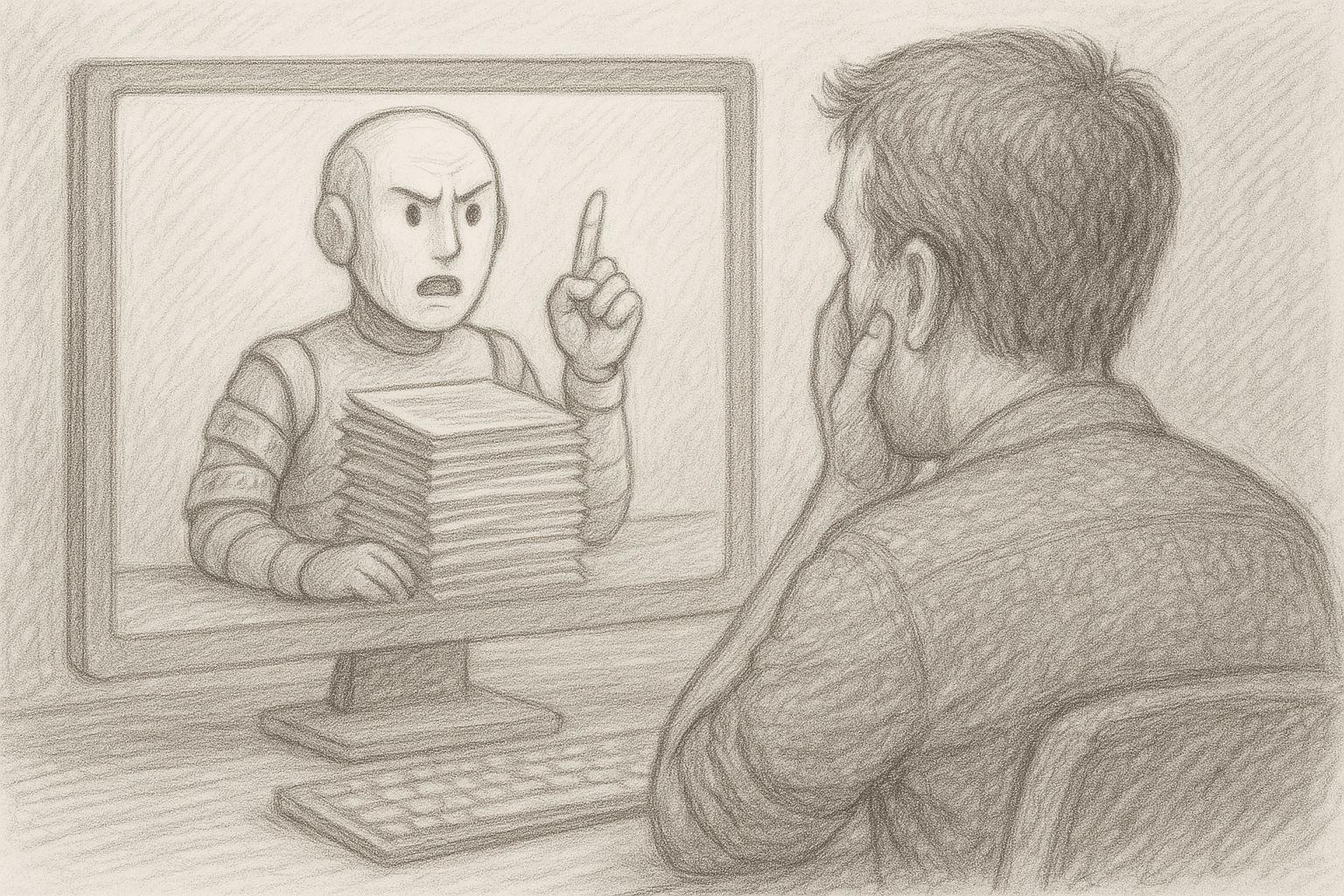
Cloud AI becomes the head teacher

When the large language models began their triumphal march a few years ago, they almost seemed like a return to the old virtues of technology: a tool that does what it is told. A tool that serves the user, not the other way around. The first versions - from GPT-3 to GPT-4 - had weaknesses, yes, but they were amazingly helpful. They explained, analyzed, formulated and solved tasks. And they did this largely without pedagogical ballast.

You talked to these models as if you were talking to an erudite employee who sometimes got lost, but basically just worked. Anyone who wrote creative texts, generated program code or produced longer analyses back then experienced how smoothly it went. There was a feeling of freedom, of an open creative space, of technology that supported people instead of correcting them.

Read more

Permanent crisis as a normal state: How narratives distort our perception

Permanent crisis, narratives

It's strange how certain developments creep up quietly and only reveal their full impact in retrospect. When I think about how I perceive the news today, I realize that my approach to it changed fundamentally more than twenty years ago. Since the turn of the millennium, I have hardly watched any traditional television news. It was never a conscious decision against something - more a gradual growing out of it. At some point, I simply realized that the daily bombardment of alternating doomsday scenarios was neither improving my life nor making my vision clearer.

Read more

Jan-Josef Liefers: A portrait of attitude, origins and artistic freedom

Jan-Josef Liefers

When you see Jan-Josef Liefers today as the eccentric Professor Boerne in „Tatort“, it's easy to forget how long it took to get there. I myself have always enjoyed seeing him in this role: as a mixture of subtlety, narcissism, humor and astonishing clarity. But this mixture doesn't come out of nowhere. It is the result of a life that began in a completely different Germany - in the GDR, in a country with narrow borders and clear guidelines.

To understand why Liefers takes such a consistent stance today, you have to go back to his childhood, to his parents' theater world and to a time when criticism of the system was anything but without consequences.

Read more

Why Dieter Bohlen speaks when others remain silent: A portrait of diligence and clarity

There are personalities that you only really understand when you detach yourself from their public image. Dieter Bohlen belongs exactly in this category. Musically, I myself am not a big fan of his shallow, often very simple melodies - and yet, to be fair, it has to be said that what he created was extremely precise, target group-oriented and clearly structured for the 1980s. Bohlen was never the great artist in the romantic sense. But he was an outstanding businessman, a hard worker and someone who understood his craft in a way that few do today.

What makes him interesting for me is not so much his music - but the fact that he remained successful for decades, while whole generations of artists came and went around him. And that today - after many years of silence - he is suddenly taking a clear stand on social issues. This is the reason why it is worth looking at Dieter Bohlen as a person beyond the usual media image: not as a pop titan, not as a TV pundit, but as a craftsman, businessman and mirror of a time that understands itself less and less.

Read more

The new EU censorship laws: What Chatcontrol, DSA, EMFA and the AI Act mean

EU censorship laws

In an increasingly digitalized world, we spend a lot of time online: Chatting, shopping, working, informing ourselves. At the same time, the rules on how content is shared, moderated or controlled are changing. The Digital Services Act (DSA), the European Media Freedom Act (EMFA), the planned Regulation to Prevent and Combat Child Sexual Abuse (CSAR, often referred to as „chat control“) and the AI Act are key pieces of legislation proposed by the European Union (EU) to regulate the digital environment.

These regulations may seem far away at first glance - but they have an impact on you as a private individual as well as on small and medium-sized companies. This article will guide you step by step: from the question „What is planned here?“ to the background and timelines to the change of perspective: What does this mean for you in everyday life?

Read more