
Just a few years ago, artificial intelligence was a topic for research institutes and large corporations. People talked about neural networks, deep learning and speech recognition - but it hardly played a role in everyday life. Today, AI is no longer a topic for the future, but a reality: it writes texts, creates images, analyzes data and controls production processes. Whether in administration, trade or industry - it can now be found everywhere.
Current contributions
Emigrating to the Czech Republic: My path, my reasons, my plans
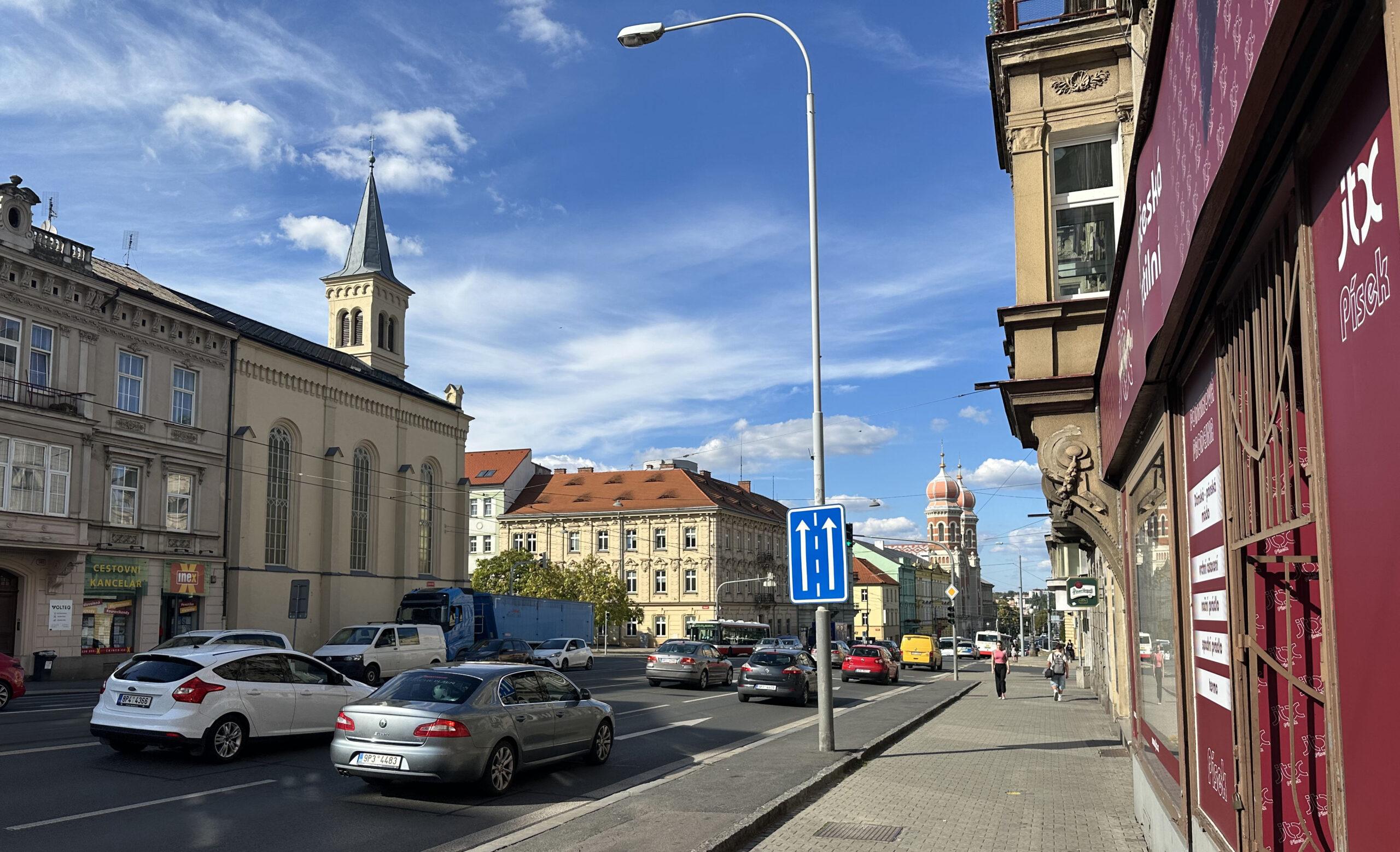
Some decisions are made overnight - others grow slowly. In my case, it was the latter. The idea of leaving Germany and starting a new chapter abroad has been with me for years. But as life goes, something kept getting in the way: Commitments, projects, personal ties - and last but not least, the comfortable familiarity of what you know. But at some point, the moment comes when you feel it:
Now is the time. Now is the time to act.
Detox without side effects? My experience report with humic acids

There are remedies that you only find out about much later than would actually have been good. That was the case for me with humic acids. In the early 2000s, I still had some amalgam fillings, which I had replaced with more modern fillings. Back in the 1980s, this was quite normal - you went to the dentist, got a silver seal and that was that. Nobody talked about heavy metals, mercury or detoxification. At least not in the dentist's surgery.
When duty becomes duty again. A kind of essay by Mr. von L'oreot.

Considerations on the possible return of compulsory military service
A kind of essay by Mr. von L'oreot on a possible state tension.
What does the tension in Germany mean - and what would the specific consequences be?
In times of increasing international tensions, a term keeps cropping up in political debates that many citizens hardly know how to categorize: the "State of tension". But what does it mean in concrete terms when this case is established in Germany? And how does the case of tension differ from the better-known case of defense, which is usually associated with an actual war? In order to be able to correctly assess the possible consequences, it is worth taking a sober look at the constitutional situation.
Digital dependency: how we have lost our self-determination to the cloud

I've always thought it was a mistake for people to hand over their data - be it in the cloud, via apps or with any „free“ services. For me, data sovereignty has never been a buzzword, but a question of self-respect. Anyone who uses technology without considering the consequences is entering into a dependency that often only becomes noticeable years later - but then has an even deeper impact.
Fitness for war, conscription & refusal: what to do in an emergency

At a time of increasing geopolitical tensions, many people in Germany are wondering what could happen to them in the event of a reintroduction of compulsory military service or a military escalation. Even though general conscription has been suspended in Germany since 2011, the constitutionally guaranteed right to refuse military service with a weapon for reasons of conscience still applies. This article provides a factual overview of the legal basis, the possible target groups, the procedure and the points to be observed, without replacing legal advice in individual cases.
gFM-Business and the future of ERP: local intelligence instead of cloud dependency
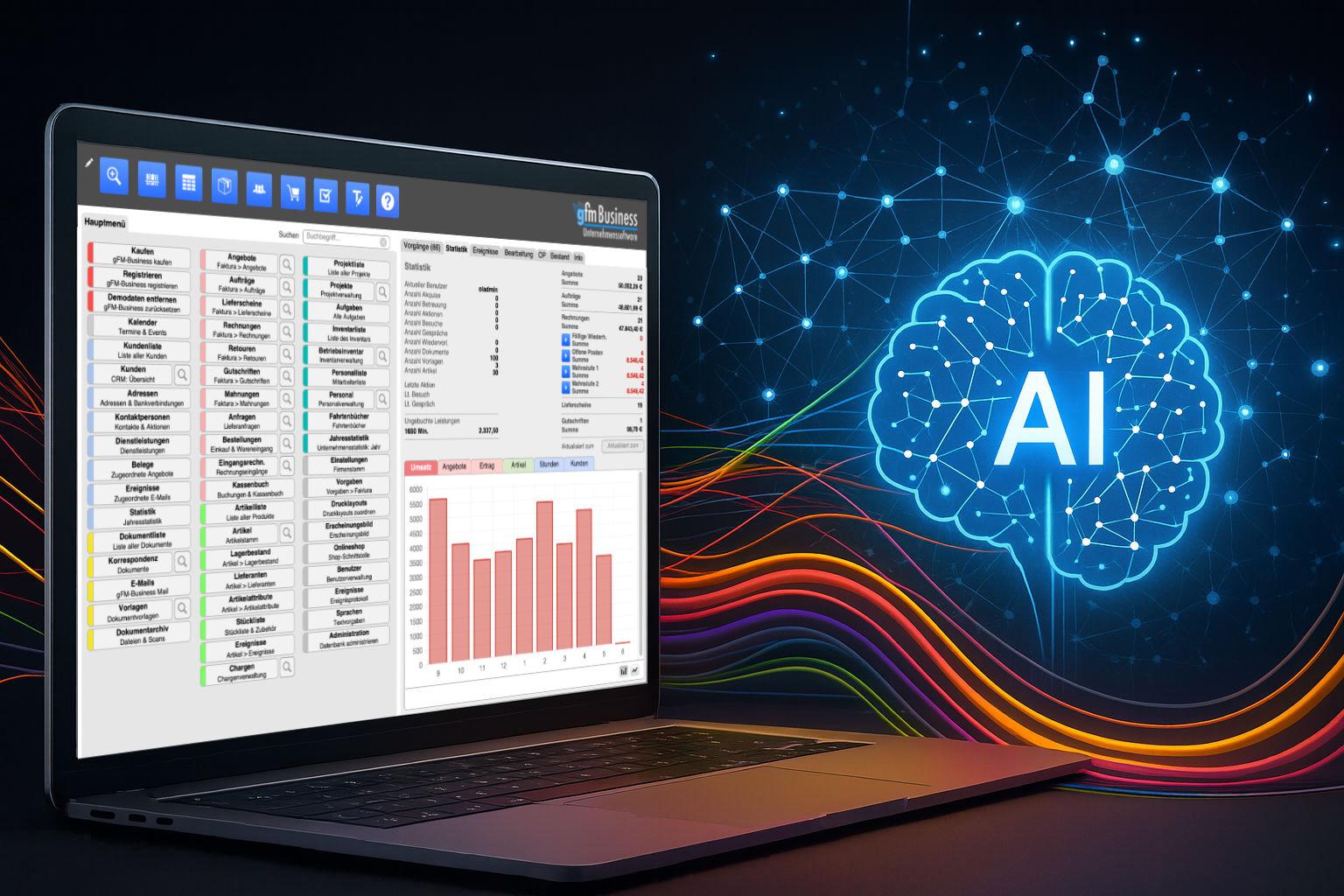
For over a decade, the gFM-Business software has stood for something special in the German ERP market: it is not based on a cumbersome, difficult-to-maintain system, but on the lightweight, customizable and visually modelled FileMaker platform. This has many advantages: gFM-Business can be individually expanded, runs on Windows, macOS and iOS, and can be customized by both developers and ambitious power users.
With the advent of artificial intelligence (AI) - especially through so-called language models such as ChatGPT - new opportunities are now emerging that go far beyond traditional automation. gFM-Business is actively preparing for this future: with the aim of not only managing data, but also unlocking knowledge.