Current contributions

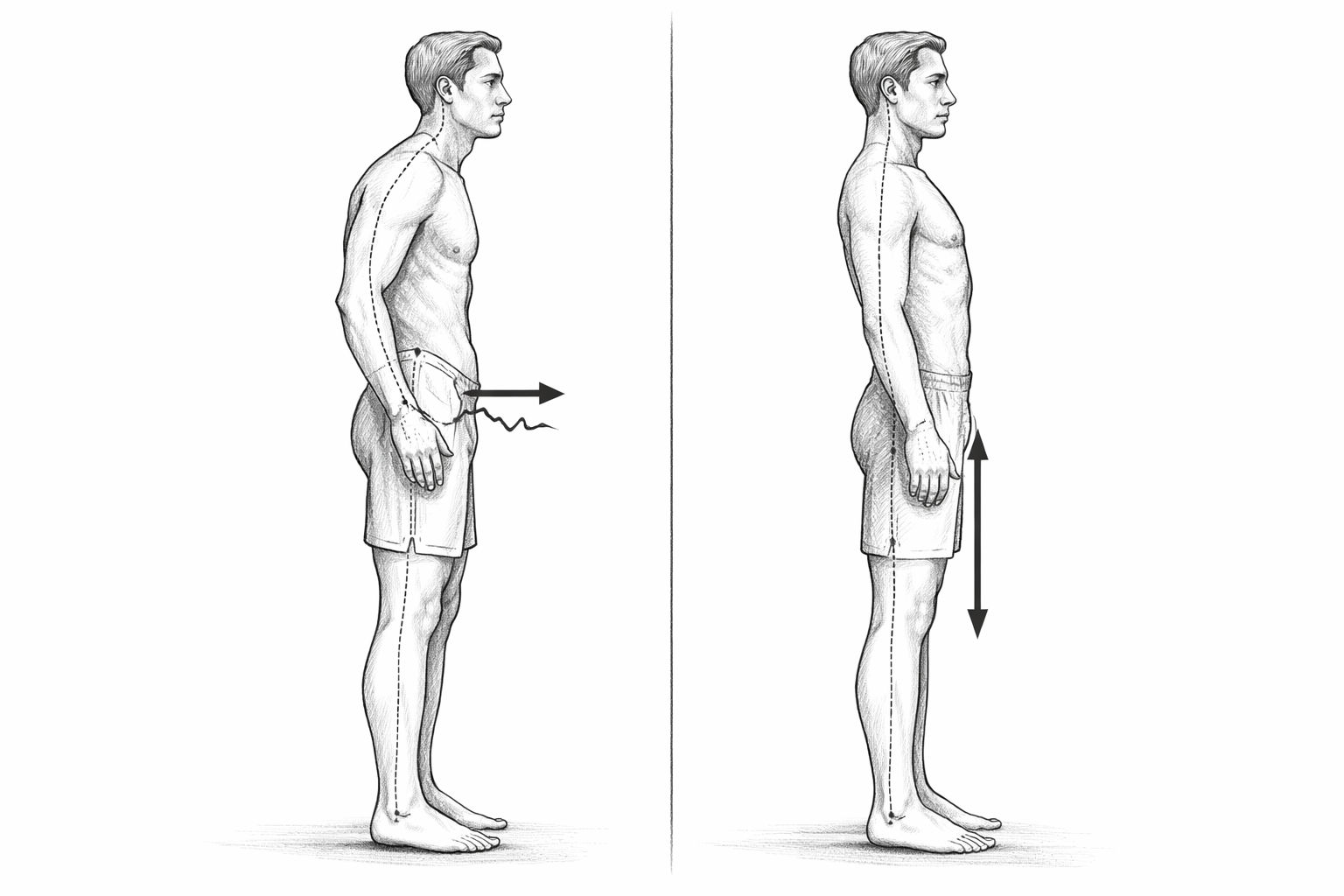
Understanding hernias: Why posture and statics are often more crucial than expected

Hernia, posture and tension

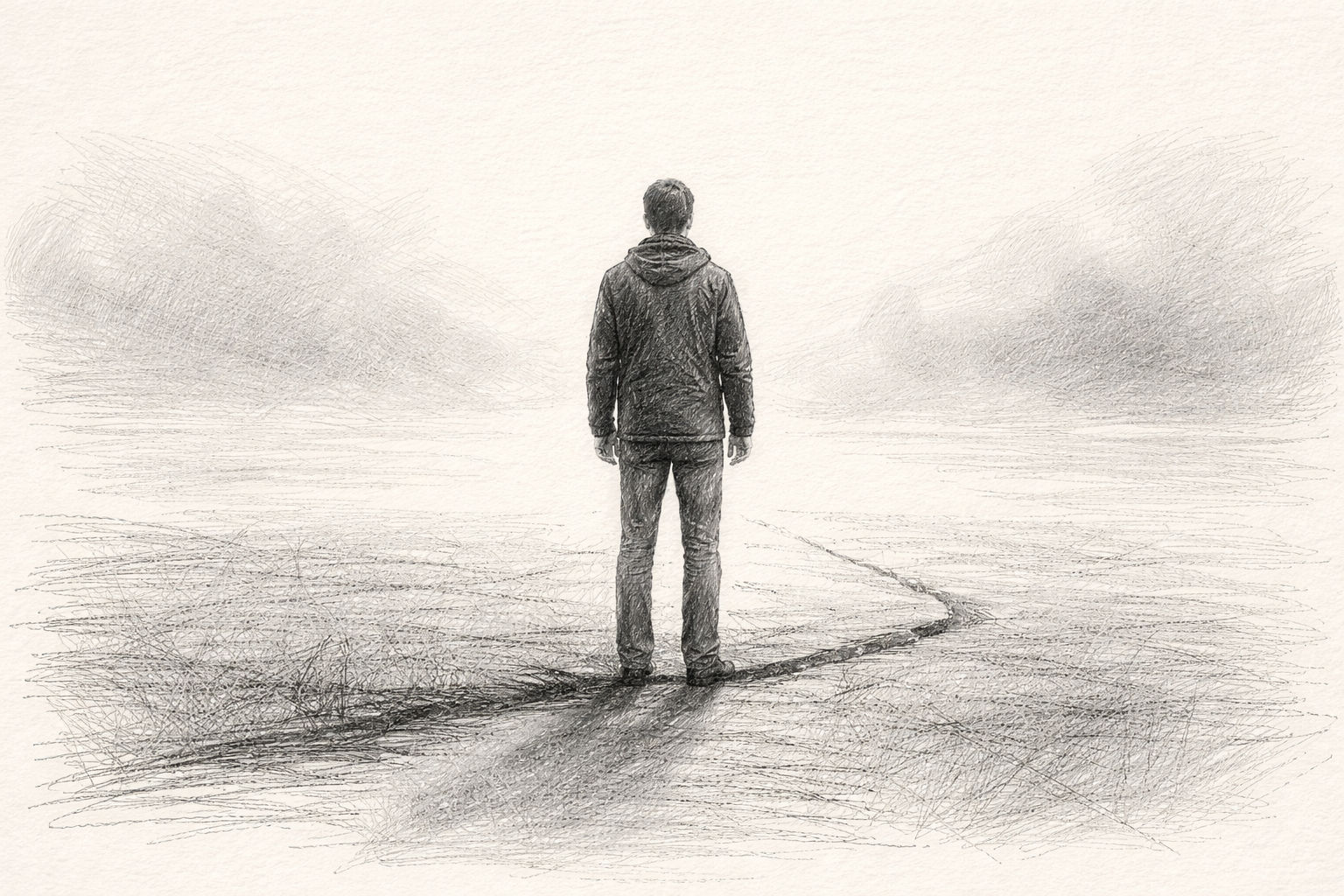
I've been dealing with hernias since 2020. Looking back, it didn't start with a dramatic accident, but rather with a moment when the body suddenly sent a clear signal: Something is different. A hernia can announce itself in a surprisingly unspectacular way - until you can no longer ignore it. For me, it came relatively suddenly.

The first operation followed a few months later, but the journey was not „finished“. This is precisely why it is worthwhile to first understand the topic properly - as it is medically intended, and at the same time with a keen eye on the things that often fall by the wayside.

Read more

Artificial intelligence without the hype: why fewer AI tools often mean better work

Artificial intelligence without the hype

Anyone who deals with the topic of artificial intelligence today almost inevitably encounters a strange feeling: constant restlessness. No sooner have you got used to one tool than the next ten appear. One video follows the next on YouTube: „This AI tool changes everything“, „You absolutely have to use this now“, „Those who miss out are left behind“. And every time, the same message resonates subliminally: You're too late. The others are further ahead. You have to catch up.

This doesn't just affect IT people. Self-employed people, creative professionals, entrepreneurs and ordinary employees are also feeling the pressure. Many don't even know exactly what these tools actually do - but they have the feeling that they could be missing out on something. And that's exactly what creates stress.

Read more

Dieter Hallervorden - More than Didi: Portrait of an uncomfortable free spirit

Dieter Hallervorden and the Wühlmäuse in Berlin

There are figures that stick to you for the rest of your life. Some like an ill-fitting suit, others like an old friend who keeps popping in without being asked. In Dieter Hallervorden's case, this friend is called „Didi“. And he doesn't ring, he bangs. On an imaginary gong. Palim, Palim! - and almost everyone knows who is meant.

But this is where the misunderstanding begins. Because anyone who reduces Dieter Hallervorden to this one moment, to the slapstick act, the stumbling face and the exaggerated naivety, misses the real person behind it. The joker was always just the surface. Underneath was a mind that was more alert than many gave him credit for - and a character who never liked to be told where to go. This portrait is therefore not a nostalgic look back at the television entertainment of past decades. It is an attempt to take seriously an artist who deliberately did not want to be taken seriously for decades - which is precisely why he was so effective.

Read more

Greenland, Trump and the question of belonging: history, law and reality

Greenland in the crosshairs: USA and Trump

There are topics that you don't actively engage with, but that simply force themselves on you at some point. For many people - including me - Greenland has long belonged in this category. A large, remote island in the far north, a small population, lots of ice, lots of nature. Not a classic everyday topic, not a political hot topic. That has changed noticeably in recent months.

The increasing number of reports, comments and headlines about Greenland - and especially Donald Trump's repeated statements - have suddenly put the island at the center of an international debate. When a former and possibly future US president speaks publicly about wanting to „buy“, „take over“ or take control of an area, this inevitably attracts attention. Not because such statements should immediately be taken seriously - but because they raise questions that should not be ignored.

Read more

Understanding Taiwan: History, status issues and the risks of an interconnected world

Taiwan as a tipping point

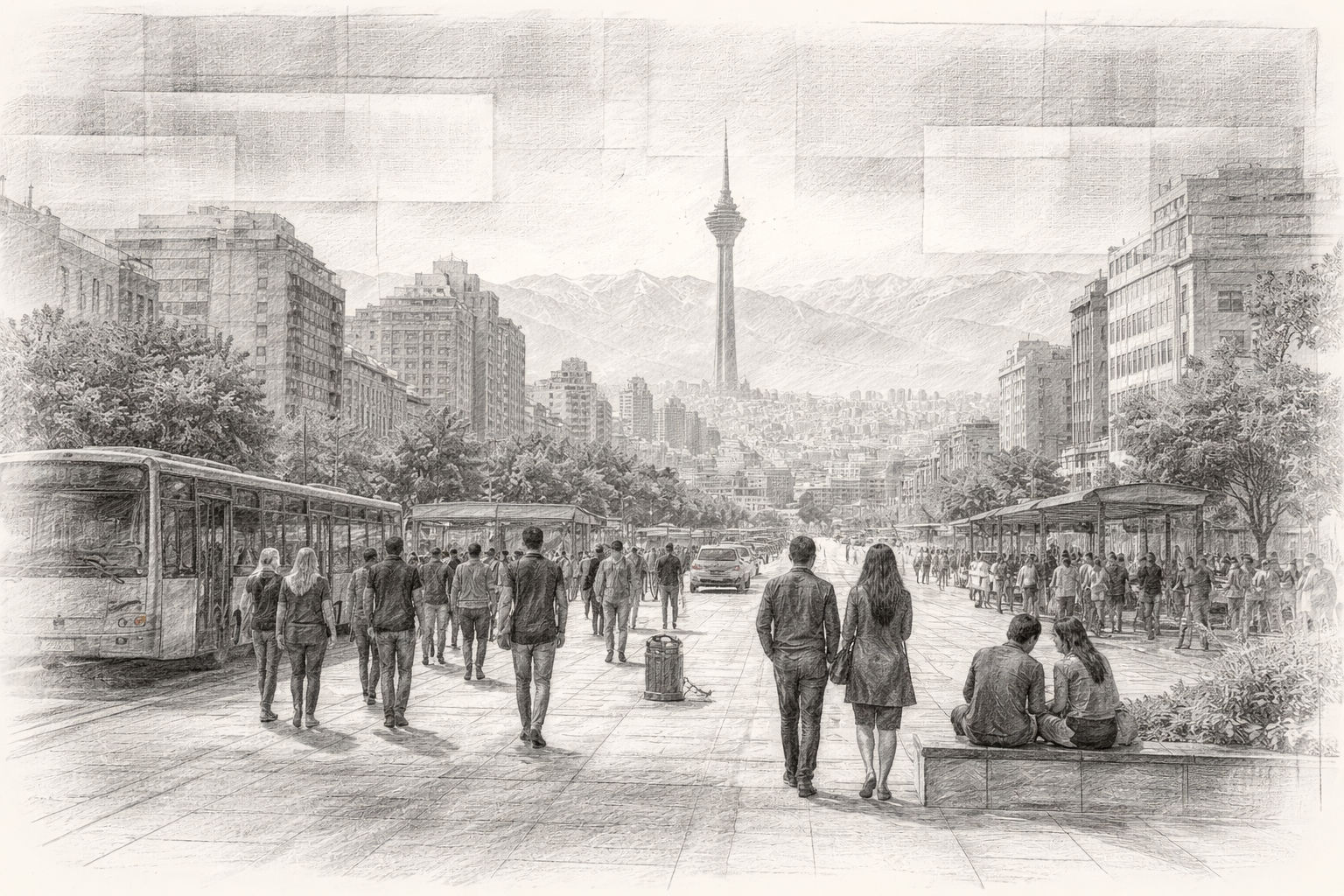
Taiwan has been in the headlines for years - sometimes because of military maneuvers in the Taiwan Strait, sometimes because of diplomatic tensions, sometimes because of the question of how reliable international rules are in an emergency. In recent days, this impression has become even more acute for many observers: the US operation in Venezuela, in which Venezuela's President Nicolás Maduro was detained, is the subject of controversial international debate, not only politically but also in terms of international law.

Why this could be relevant for Taiwan is less a question of “Who's right?”, When major players interpret rules selectively or enforce them harshly, other powers ask themselves - soberly and guided by their own interests - where their own leeway begins and ends. And it is precisely at this point that Taiwan becomes more than a distant island issue.

Read more

Rule-based world order and international law: between claim, reality and breach of law

International law and rules-based world order

For years now, I have noticed how often politicians and the media talk about a „rules-based world order“ is being discussed. The current conflict between the USA and Venezuela has brought this topic back to the fore. In the past, this term hardly ever came up, but today it almost seems like a standard reflex: if something happens somewhere, it is quickly said that we have to „defend the rules“. At the same time, I have gained the impression that the same people who refer to these rules particularly often no longer feel consistently bound by them themselves when in doubt. It was precisely this contradiction that made me wonder.

What's more, the more often you hear such terms, the more vague they seem. „Rules-based“ sounds clear, but often remains vague. And „international law“ is often used as a moral seal of approval, although it is actually a legal framework - with conditions, limits and loopholes. I have therefore decided to take a closer look at this topic. Not as a lawyer, but as someone who wants to understand what this order once was at its core - and what its real strength lay in.

Read more

Electric car, hybrid and e-scooter: a realistic view beyond ideology

Electromobility - e-scooter/scooter, hybrid, electric car

For many people, electromobility is an abstract topic, characterized by political debates, subsidy programs and marketing promises. In practice, however, a completely different picture emerges as soon as you drive an electric vehicle yourself. Today, personal experience often goes further than any theoretical discussion - from e-scooters and electric scooters to hybrid vehicles.

This perspective is important because electromobility rarely starts where it is publicly discussed. It doesn't start with the electric car, but much earlier - with small, lightweight vehicles, short distances and very pragmatic everyday issues.

Read more

Propaganda: history, methods, modern forms and how to recognize them

What is propaganda?

For many - and I felt the same way myself for a long time - propaganda was something you learned about in history lessons. A topic that seemed to be firmly established: in the Third Reich, perhaps even in the GDR, i.e. in clearly defined, authoritarian systems. We were taught that propaganda existed there because these systems needed it - and that it didn't really play a role in an open, democratic society like the Federal Republic of Germany.

This view was comfortable. And it was plausible for a long time. Because propaganda was almost always shown as something obvious: as a slogan, as a poster, as martial imagery. Something that you recognize as soon as you see it - and from which you can distance yourself internally. Today, this certainty seems fragile. Not because people have suddenly changed, but because the form of influence has changed. And that is precisely why it is worth clarifying calmly and without agitation what propaganda actually is - and what it is not.

Read more